Last updated November 18, 2026

Free written scope consultation - allowances, timeline, and change-order rules on paper before a single trade is scheduled
How Long Does Driveway & Pavers Take? Timelines and What to Expect
Contractors quote 3 to 5 days of installation. Homeowners plan the whole project around that number, book the landscaper for the following Monday, and move the second car out of the rental lot. Then reality arrives in pieces: Hayward’s permit office runs a 10 to 15 business day review queue, a spring order of Belgard pavers can carry a 3-week lead time, and the polymeric sand needs 24 to 48 dry hours before rain can touch it. The installation was four days. The project was nine weeks. This guide walks the full calendar, phase by phase, so you can plan around the real timeline instead of the sales one.
Quick Answer
A driveway paver project in Hayward typically runs 6 to 14 weeks from signed contract to first vehicle use. Installation itself is usually 3 to 7 days for a standard two-car driveway. The remaining time is permit review (10 to 15 business days), material lead time (1 day to 8 weeks depending on paver type), and cure periods (24 hours for joint sand, 72 hours before vehicle loads).
Styles & brands we work with
- Kitchen remodeling
- Bathroom remodeling
- Home additions & ADU
- Roofing
- Windows & doors
- Driveway & pavers
- Fence
Table of Contents
- The Full Phase-by-Phase Timeline
- Permits and Review: The Hidden 2 to 3 Weeks
- Material Lead Times by Paver Type
- Hayward’s Seasonal Timing: Why October Through March Changes Everything
- Contractor Delays vs. Force Majeure: Who Owns What
- Cure and Load Restrictions After Installation
- Red Flags in Timeline Promises
- Common Mistakes to Avoid
The Full Phase-by-Phase Timeline
Here’s the sequence a driveway paver project actually follows in Hayward, with durations we see on mid-size residential jobs. Numbers are for a 400 to 700 square foot two-car driveway unless noted.
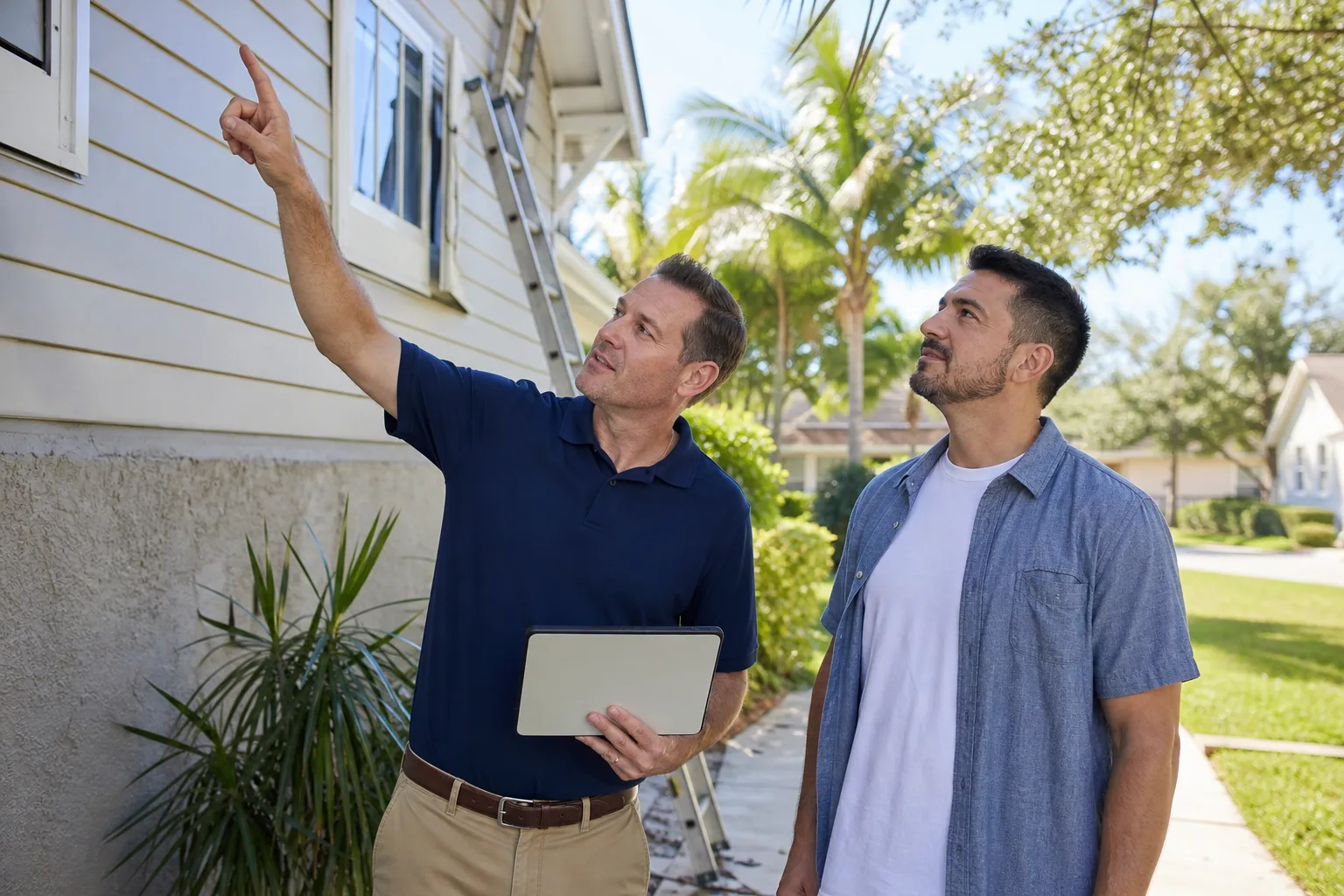
- Site assessment and written quote (3 to 7 days). This includes measuring, checking base drainage, and confirming paver selection. A written quote with line-item scope should arrive in this window. Anything past two weeks and the contractor isn’t prioritizing the job.
- Permit application and review (10 to 15 business days). Hayward requires a permit for driveway work that changes grade, drainage, or the apron connection to the public right-of-way. Simple like-for-like replacement over an existing footprint can sometimes move faster, but assume the full queue.
- Material order and lead time (1 day to 8 weeks). Stock concrete pavers from Belgard or Techo-Bloc are usually 1 to 3 days. Special-order clay brick runs 3 to 5 weeks. Imported natural stone can run 4 to 8 weeks from order to delivery.
- Demo and excavation (1 to 2 days per 1,000 sq ft). Tearing out the existing surface, hauling spoils, and cutting the subgrade to depth.
- Base compaction and setting (1 to 3 days). Aggregate base installed in lifts, each compacted with a plate compactor, then the bedding sand layer set and screeded.
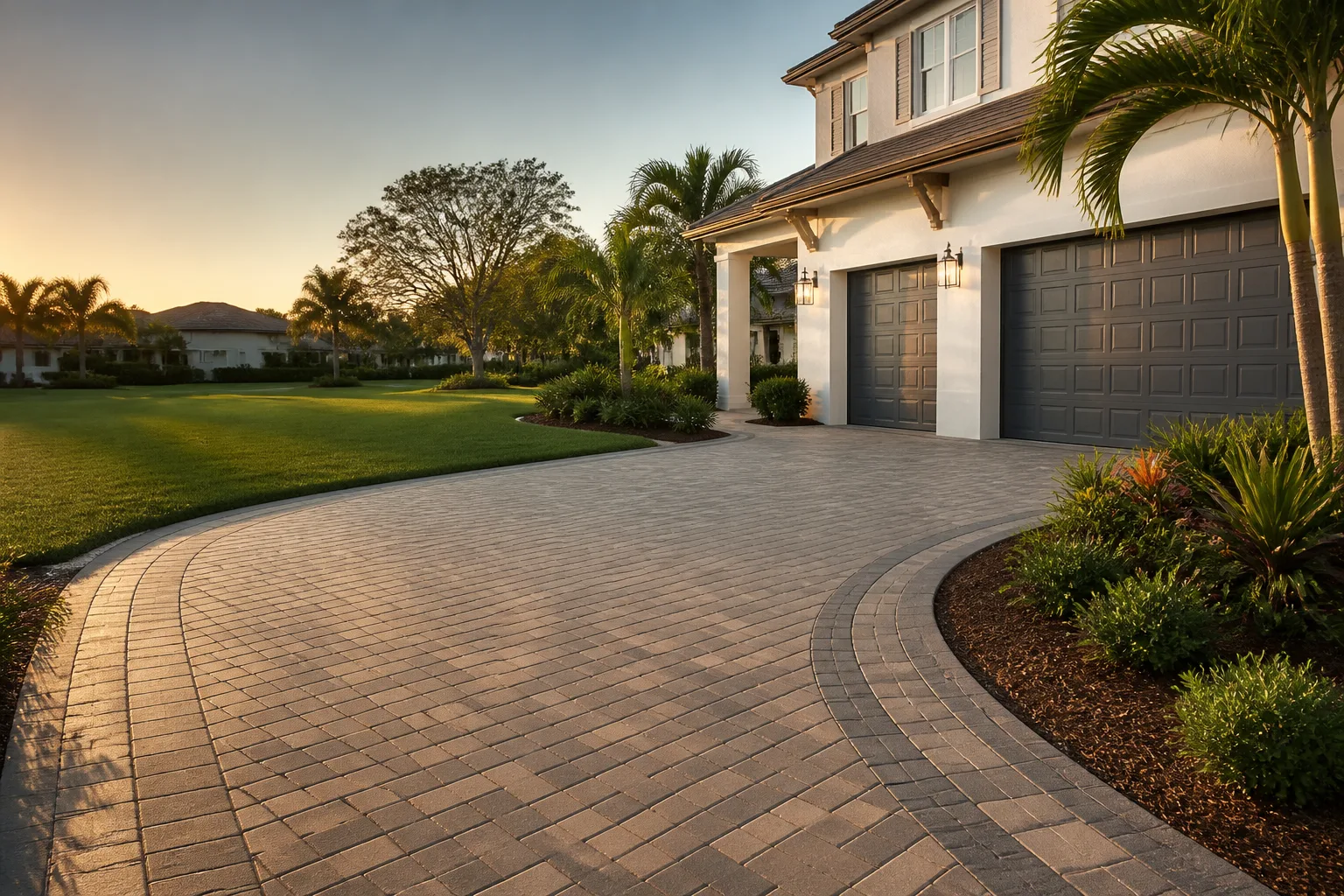
- Paver lay (1 to 4 days). Depends on pattern complexity. Running bond is fast. Herringbone or a bordered ashlar pattern takes longer.
- Edge restraint, cuts, and joint sand (same day as lay, plus 24 hours cure). Polymeric sand is swept into joints, misted, and left to cure for 24 to 48 dry hours. No foot traffic for 24 hours in most specs.
- Final compaction and post-project photo record (same day). The last pass. Then a 72-hour hold before vehicle loads.
Add those up in sequence, not in parallel, and you get 6 to 14 weeks. On smaller jobs with stock materials and a pre-cleared permit, you can hit the low end. Larger driveways, custom brick, or an October start push toward the top.
Permits and Review: The Hidden 2 to 3 Weeks
Few contractors put the permit review window on the estimate, but it’s often the single longest phase of a Hayward driveway project. The city requires a permit for anything that alters drainage, changes the grade at the apron, or connects to the sidewalk. A flat replacement on an existing footprint may qualify for a simpler review, but plan for the full queue anyway.
What the permit actually requires, in plain terms:
- A site plan showing slope and how water drains away from the foundation and toward the street or a designated low point
- Confirmation that the driveway apron meets the current curb cut and sidewalk spec
- Stormwater plan for larger impervious surfaces, which is where permeable pavers sometimes enter the conversation
- Inspection staged at base prep (before pavers go down) and again at final
The inspection stage matters. A contractor who wants to pour base, compact, and start laying pavers the same day will fail a base inspection if the city requires one. We build a 1-day hold into the schedule for each inspection so nobody’s stalling the job waiting for a city inspector to arrive.
If your project is part of a larger exterior scope, our team coordinates that permit window alongside the Rowan Construction Group Hayward home project flow so you’re not running two separate review queues. For driveway-specific scoping and pricing, see Driveway & Pavers in Hayward.
Material Lead Times by Paver Type
The paver you choose governs the calendar more than any other decision. Here’s what we see on order-to-delivery time across the brands we source:
- Stock concrete pavers (Belgard, Techo-Bloc): 1 to 3 days. Standard colors and profiles are typically in regional distribution.
- Premium or discontinued blends: 2 to 4 weeks. If the color has to come from a manufacturing run, add a week.
- Clay brick: 3 to 5 weeks. Special orders ship from the kiln, and nobody hurries a kiln.
- Imported natural stone (travertine, granite, bluestone): 4 to 8 weeks. Customs, container schedules, and weather at the port all factor in.
- Permeable pavers (for stormwater compliance): 2 to 3 weeks if the spec matches a stock profile.
Where the lead time really bites is in matching. If you fall in love with a specific color in the showroom and it’s a special order, you trade two weeks of calendar for that color. If you’re flexible on the exact shade, stock pavers keep the project in the 6-week range instead of 10.
Prefab construction is creeping into exterior planning on some Hayward projects (Cover and Dvele both offer panelized systems for ADU additions where driveway layout ties in), and we factor those longer panel lead times into the driveway calendar when the two scopes run together. The paver material still has to arrive before the driveway can be finished.
Hayward’s Seasonal Timing: Why October Through March Changes Everything
Hayward sits in a rain shadow compared to the immediate coast, but the East Bay Hills still get meaningful wet weather from October through March. That matters here because polymeric sand needs a dry cure window. A 24-hour cure with no rain is the minimum spec; 48 hours is safer. When the forecast shows a 60% chance of rain three days out, we don’t roll sand into the joints and hope.
What that means for scheduling:
- April through September: the driest window. Cure periods rarely miss. This is when the 6-week version of the timeline is most achievable.
- October and November: transition months. We build 1 to 3 weather contingency days into the schedule and put that language in writing.
- December through March: expect 2 to 5 weather days added to the installation phase. Base work is also affected, because saturated subgrade has to dry before compaction meets spec.
- Late winter storms: if a system is forecast, we don’t start laying pavers at all. Better to pause a day than redo a failed joint-sand cure a week later.
A contractor who quotes the same flat 4-day install in February as in July either isn’t accounting for Bay Area weather or is planning to lay sand in the rain and charge you for the fallout. Our estimates carry a written weather contingency line in the schedule, and the scope states how we handle rain days.
Contractor Delays vs. Force Majeure: Who Owns What
A signed schedule with milestone dates is the single best protection on a driveway project. Without one, “delay” is undefined, and every missed date becomes a conversation. Here’s how we split responsibility in writing:
Contractor-controlled delays (our responsibility to absorb):
- Crew availability or scheduling conflicts
- Missing or late material order on our side
- Permit application filed late or incomplete
- Failed base or final inspection caused by our workmanship
- Equipment breakdown
Force majeure and client-controlled delays (excused, with written notice):
- Sustained rain beyond the weather contingency in the schedule
- Client-requested scope changes or paver upgrades mid-stream
- City review queue extended beyond the standard window
- Site access blocked by other trades or by the client
- Material delay caused by the manufacturer or port
Any change that affects cost or date requires a signed change order before work on that change begins. That’s the discipline we’ve built our project pricing around: projects stay within a few percent of the agreed cost precisely because nobody’s working ahead of the paperwork. It’s also, in practical terms, why the schedule holds.
Cure and Load Restrictions After Installation
The last day of installation is not the day you park. Here’s the timeline homeowners actually need:
- Day 0 (final compaction): polymeric sand is swept, misted, and left alone. Pavers look finished. They are not ready.
- 24 hours: foot traffic is safe. Keep pets, kids, and delivery drivers off where possible because sand is still curing in the joints.
- 48 hours: sand has reached working cure in dry conditions. Some specs call for 48 to 72 hours; we follow the manufacturer’s spec for the specific product used.
- 72 hours: first vehicle loads. This gives the bedding sand beneath the pavers time to stabilize under normal settlement.
- 2 weeks: full stabilization. Heavy trucks, RVs, or equipment should stay off until this point.
What most guides don’t say: the 72-hour rule at minimum matters most when the base was installed close to spec. If the compaction was rushed, no cure time saves the driveway. The three-year failure pattern (heaving, joint sand loss, uneven settlement) starts with skipped compaction passes on the base, not with the pavers themselves.
The written warranty on a driveway paver install should cover workmanship for at least a year. Our 365-Day Done Right Promise is the standard here: if the install doesn’t hold up, we come back and make it right. That promise is only meaningful if the base was built to spec on the front end.
Red Flags in Timeline Promises
A quote under 3 days for a standard two-car driveway in Hayward is a signal, not a discount. That timeline usually means one of two things: skipped compaction passes on the base, or a planned rush on the joint sand cure. Both produce failures in the 2 to 3-year range, long after the warranty conversation is over in most contracts. Here’s the checklist we’d want a homeowner to run:
- No written schedule with milestone dates: if the estimate says “4 days” without dates, there’s no commitment to hold them to.
- No mention of permit window: a contractor who says the permit is “handled during install” hasn’t filed it.
- Material ordered the day work starts: that’s how a 3-week lead time becomes a 4-week surprise.
- Starting pavers on a forecast with rain in it: no honest schedule lays polymeric sand ahead of a storm.
- Compaction equipment missing from the job site: hand tampers only is a red flag on any driveway over 200 sq ft.
- No inspection scheduled: Hayward requires inspection at base and final on permitted work. A contractor who skips it is either unpermitted or hoping.
- Verbal-only change orders: if a scope shift happens and no one writes it down, the accounting will not line up at the end.
Common Mistakes to Avoid
- Planning around the install days instead of the project days. Building the 3-day install into your calendar without the permit and material lead time is how weekend plans collapse. Budget the full 6 to 14 weeks.
- Choosing the paver before checking lead time. A special-order color can double your calendar versus a stock Belgard profile. Ask for the lead time on the exact SKU before you commit.
- Booking the driveway in November and expecting a July experience. Rain contingency days in the East Bay Hills from October through March are a real thing. Ask for weather language in the schedule, in writing.
- Parking the car too early. A 72-hour hold after final compaction is the minimum. Skipping it damages joint sand cure and can shift pavers out of plane.
- Not asking who owns the permit. In Hayward, the property owner is legally the permit holder of record. The contractor should file and manage it, but the name on the permit is yours.
- Accepting a verbal schedule. A written schedule with milestone dates is what a change order is built against. Without it, missed dates are opinions.
- Choosing the cheapest bid without reading the base spec. Aggregate depth, number of compaction passes, and geotextile underlayment are where cheap bids cut cost. They’re invisible in the finished product and visible in year three.
When to Call a Professional
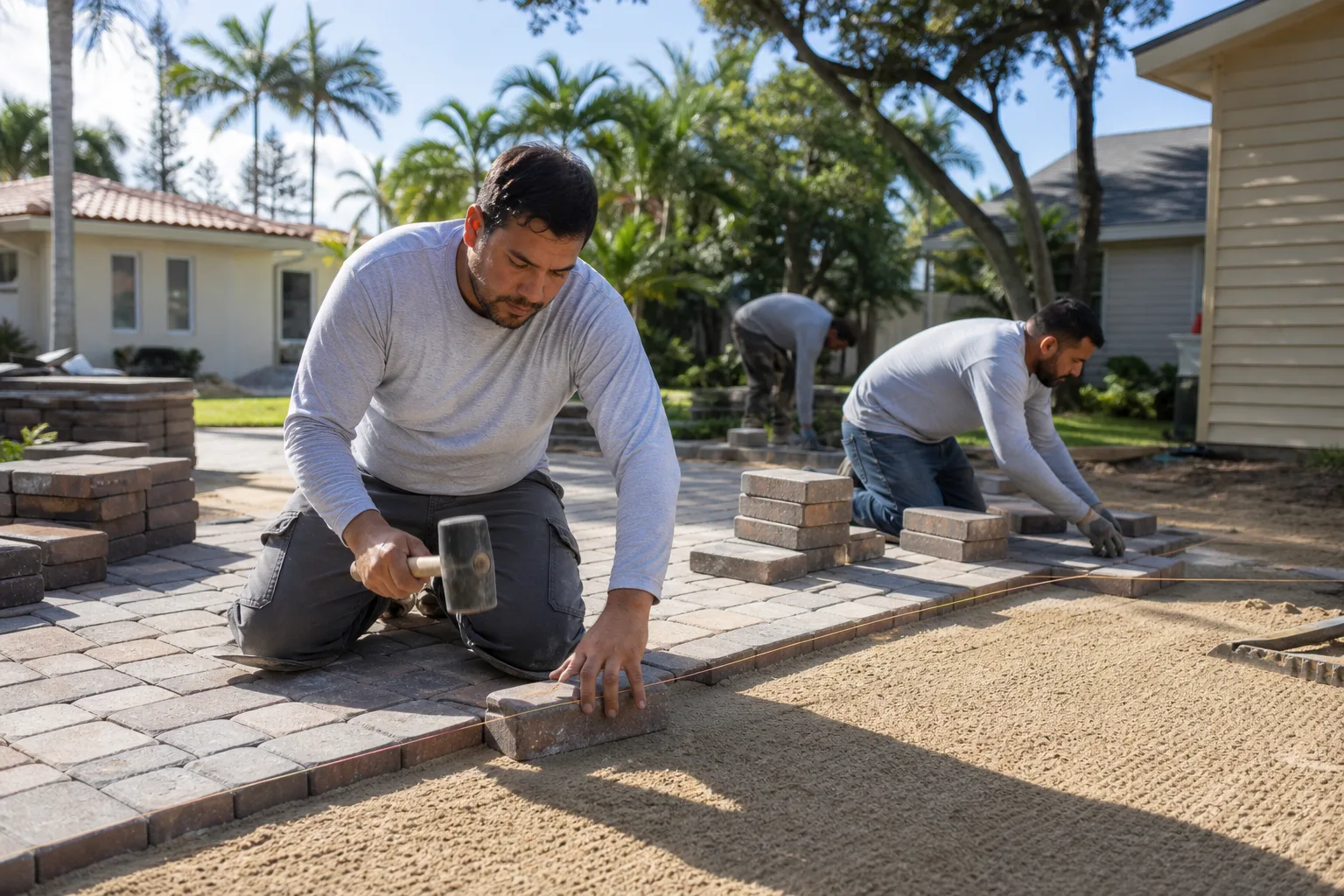
Some driveway work is genuinely a homeowner job: patching a cracked border stone, replacing a couple of spalled pavers, refreshing joint sand in a few square feet. Everything beyond that touches base prep, drainage, or permit-covered work. If your existing driveway is heaving, if water is pooling against the foundation, if the base is failing, or if the project is larger than about 100 square feet, a professional install is the safer path. The base work is what determines whether the pavers hold up.
If your project touches the driveway apron, the sidewalk, or a grade change that affects drainage, Hayward review is required and the base inspections are not optional. Saturated subgrade after rain has to be verified and recompacted, not just paved over. Our technicians have up to 19 years of experience on these installs and know what the East Bay Hills weather does to a base layer.
If your exterior project also touches fencing or an addition at the same time, see our Fence Installation in Hayward and Home Additions & ADU in Hayward pages for how we sequence the trades under one schedule. Rowan Construction Group Hayward offers free estimates in Hayward: call (866) 863-1729.
See the difference
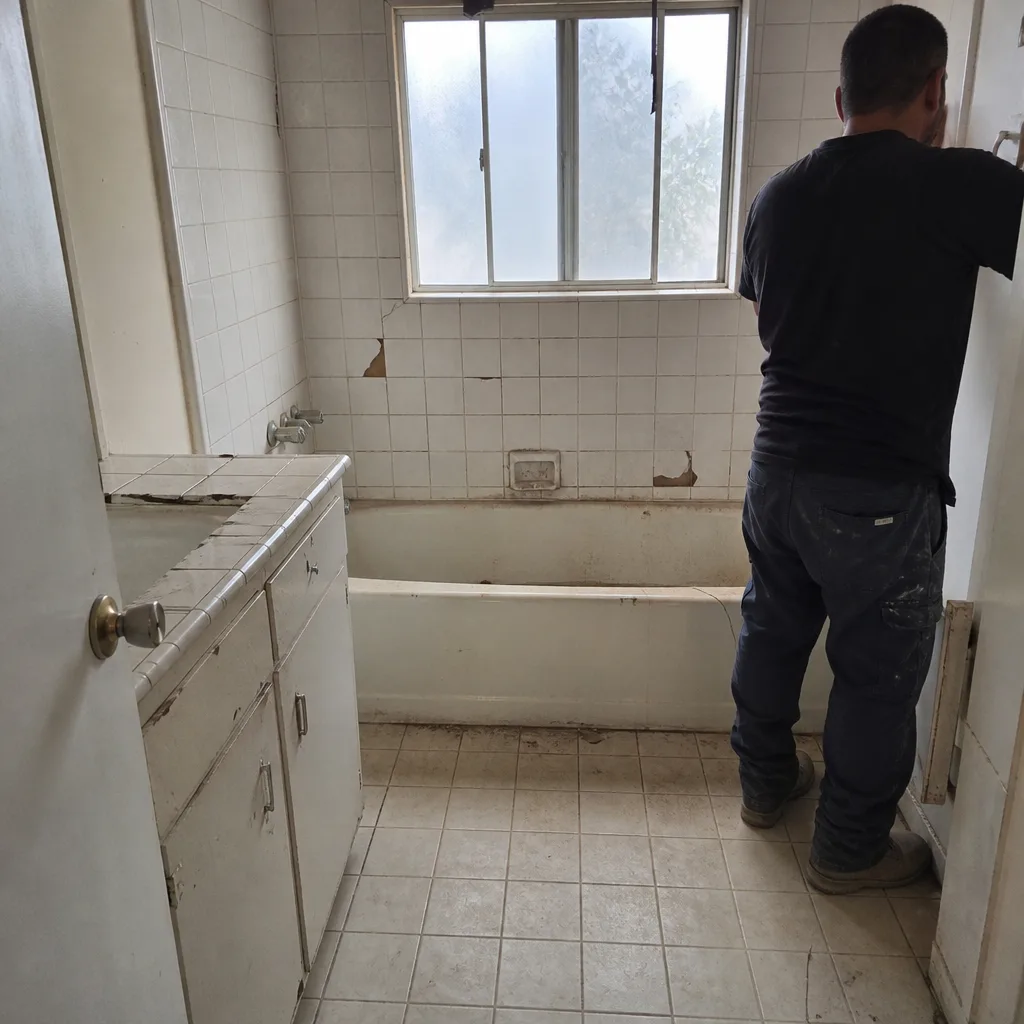 Before
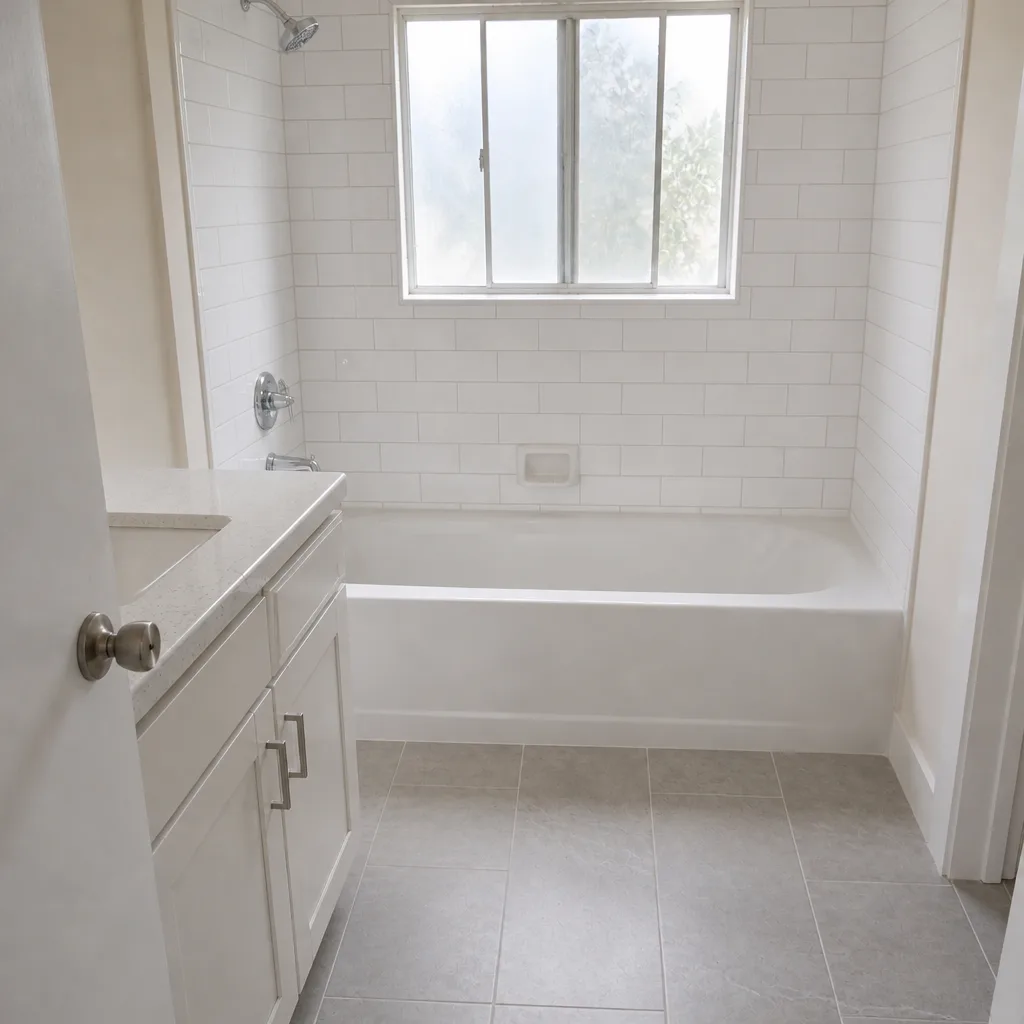 After
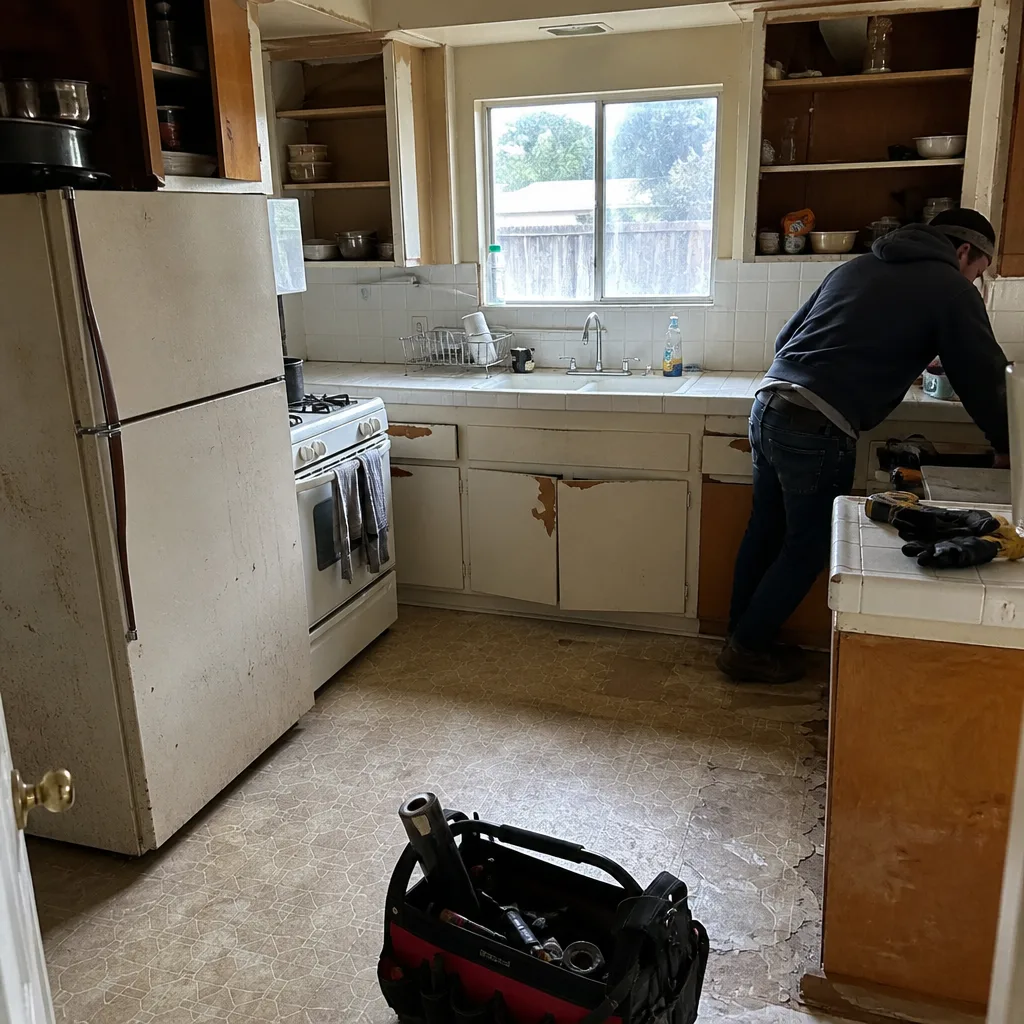 Before
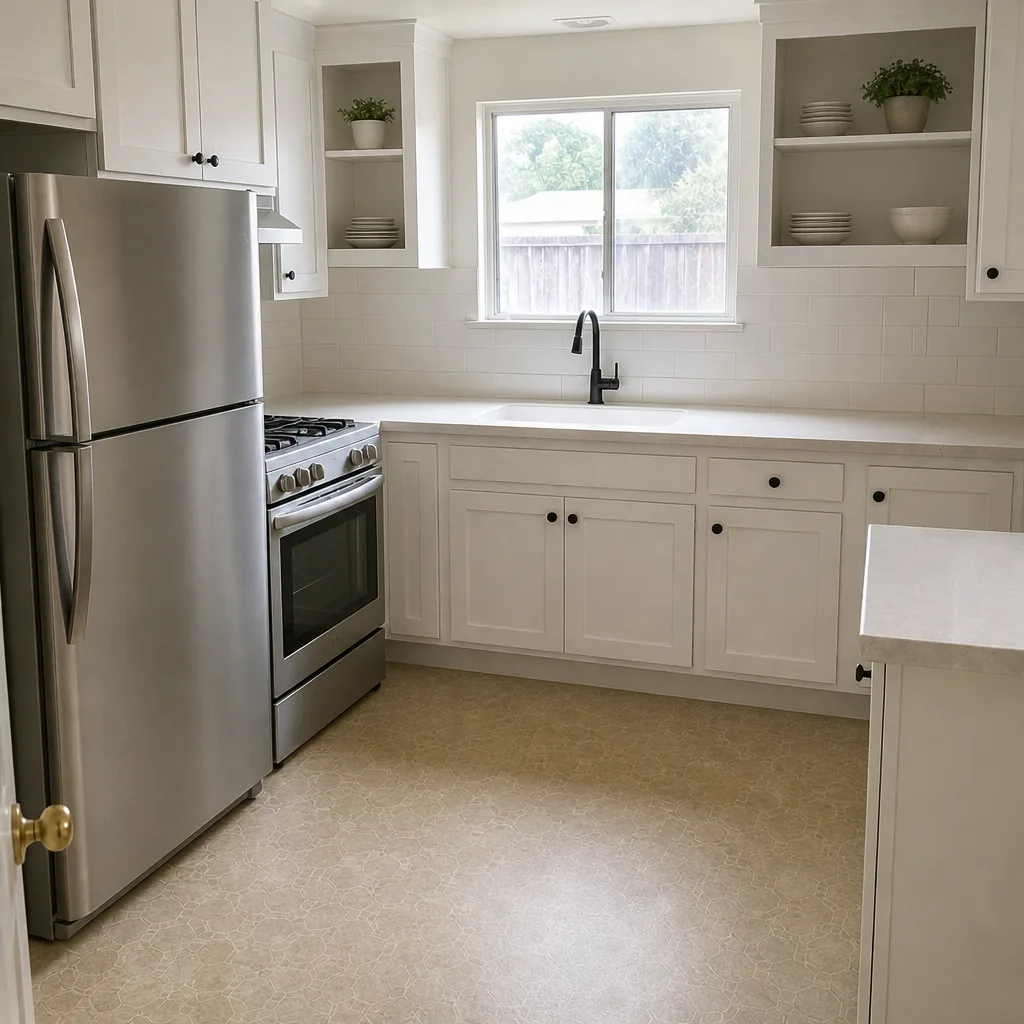 After
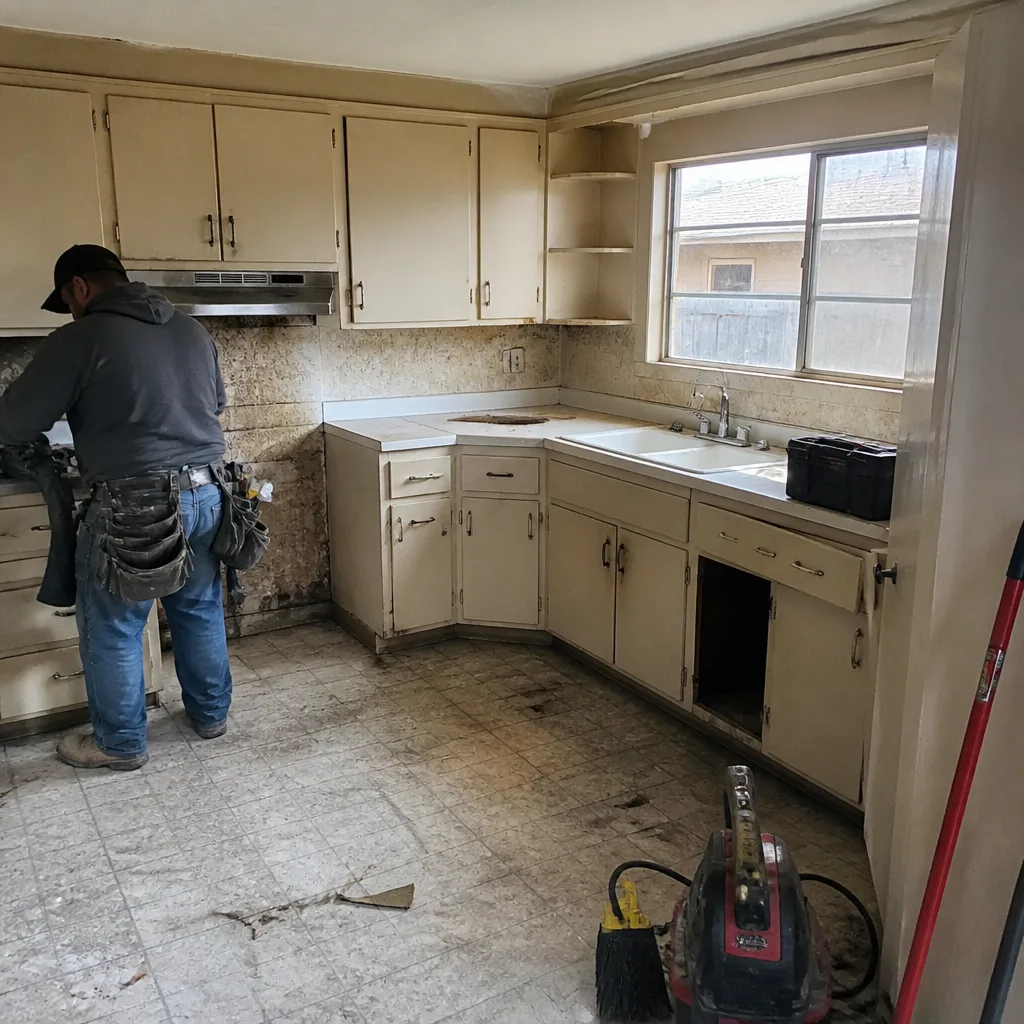 Before
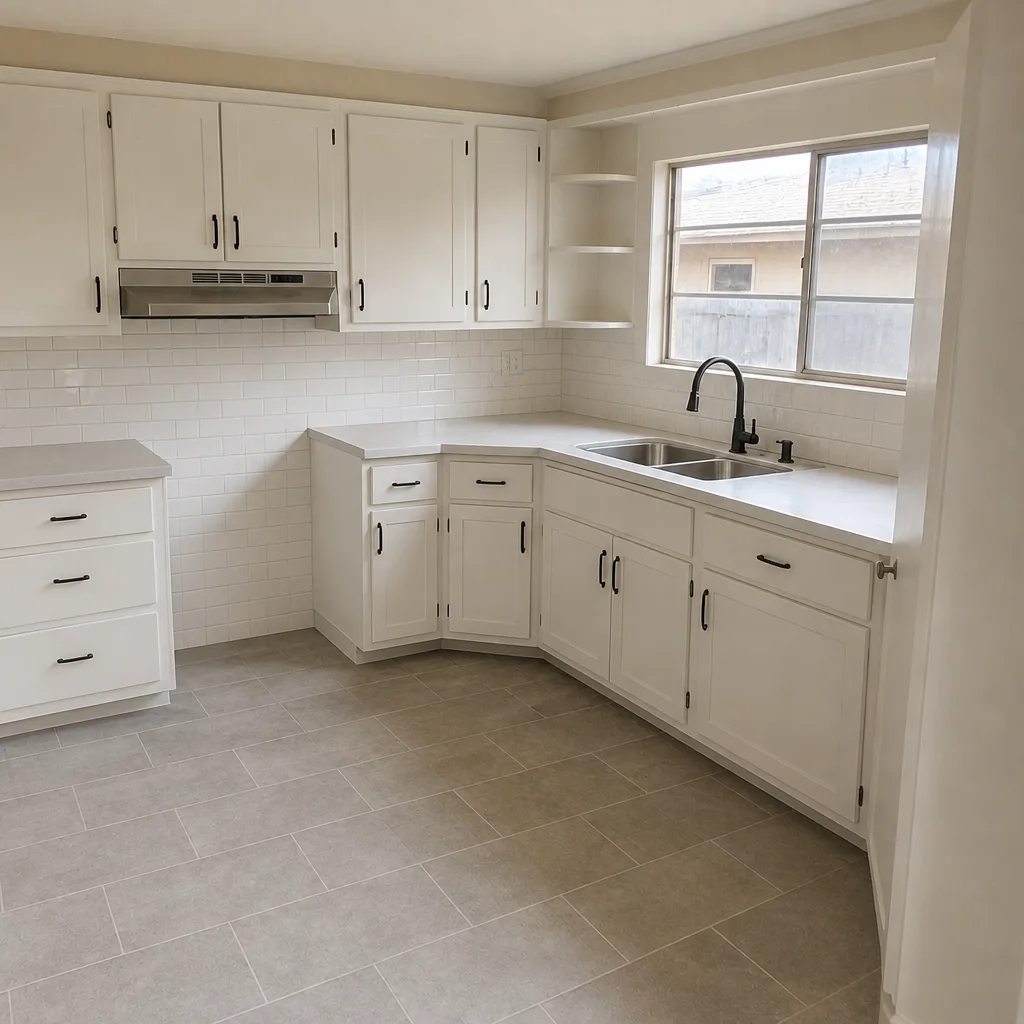 After
Frequently Asked Questions
Installation itself is 3 to 7 days for a standard two-car driveway. The full project from signed contract to first vehicle use is 6 to 14 weeks because permit review (10 to 15 business days), material lead time (1 day to 8 weeks), and cure periods (24 to 72 hours) add weeks the installation days don’t reflect. Call (866) 863-1729 for an exact timeline on your project; estimates are free.
Yes, most driveway paver projects in Hayward require a permit because they touch drainage, grade, or the apron connection to the public right-of-way. Like-for-like replacement on the existing footprint sometimes qualifies for a simpler review. Assume the standard 10 to 15 business day review window. We file the permit, manage the inspections, and provide the photo record of both inspection stages.
Because installation days are what look competitive in a quote. The permit window, material lead time, and cure periods sit outside the installation phase and often aren’t stated. A written schedule with milestone dates is the only honest version of the timeline. Ask for one before signing.
After 72 hours minimum from final compaction, and 2 weeks is safer for any heavy vehicle. The pavers are walkable in 24 hours. Vehicle loads need the bedding sand beneath the pavers to stabilize first. Parking the car early damages the joint sand and can shift pavers out of plane.
We pause. Polymeric sand needs 24 to 48 dry hours to cure, and base work requires dry subgrade. Our estimates carry a written weather contingency line that specifies how rain days affect the schedule and the price. December through March typically adds 2 to 5 weather days to a Hayward install.
Not without a signed change order. Written price before any work starts is the whole point of our process, and no change proceeds until the change order is signed. That’s how projects have stayed within a few percent of the agreed cost across 4,000-plus jobs. Bring a competitor’s quote and we’ll review it line by line for free.
The Bottom Line
Driveway paver timelines fail when they’re built around installation days alone. The real calendar in Hayward runs 6 to 14 weeks from signed contract to first vehicle use, driven mostly by permit review, material lead time, and cure periods, with the installation itself 3 to 7 days in the middle. Weather contingency from October through March adds 2 to 5 days. The 72-hour hold before parking is not optional. Get the timeline in writing, with milestone dates, and a change order is the only thing that shifts the schedule or the price. Get the price in writing before anyone picks up a tool.
Ready to Get a Written Timeline and Price?
Call Rowan Construction Group Hayward at (866) 863-1729 to schedule your free estimate. You’ll get a flat written price, a written scope with milestone dates, and a photo record of every visit, the same standard we’ve applied to 4,000-plus projects since 2007. Bring a competitor’s estimate if you have one: our Free Second Opinion reviews it line by line at no charge. No changes proceed until the change order is signed, and our 365-Day Done Right Promise covers the finished driveway in writing.
Written by the team at Rowan Construction Group Hayward.