Last updated November 18, 2026






Free written scope consultation - allowances, timeline, and change-order rules on paper before a single trade is scheduled
How Long Does Bathroom Remodeling Take? Timelines and What to Expect
A full bathroom gut-and-rebuild in a 50-square-foot space takes roughly 10 to 15 working days of actual labor. The project still runs 6 to 10 weeks on the calendar, because tile, fixtures, and vanities ordered after demo begins typically carry 3 to 5 week lead times that most contractors don’t disclose upfront. That gap between labor days and calendar weeks is the single most misunderstood part of a bathroom remodel, and it’s what this guide unpacks. We’ll break the schedule into phases with working-day numbers, name the material decisions that control the clock, and explain why procurement, not labor, is usually the critical path. If you’re remodeling in Hayward or anywhere across the East Bay, the permit queue and the special-order window both matter more than most homeowners expect.
Quick Answer
A standard full bathroom remodel takes 6 to 10 weeks from contract signing to final walkthrough. Of that, only about 2 to 3 weeks are actual construction days; the rest is permit review, material lead times, and mandatory cure periods for waterproofing, mortar, and grout. A cosmetic refresh (vanity, fixtures, paint, no layout change) runs 2 to 3 weeks, while a layout-changing remodel with custom tile and a curbless shower can stretch to 12 weeks or more.
Styles & brands we work with
- Kitchen remodeling
- Bathroom remodeling
- Home additions & ADU
- Roofing
- Windows & doors
- Driveway & pavers
- Fence
Table of Contents
- Working Days vs. Calendar Days: Why the Difference Matters
- The Phase-by-Phase Timeline, Broken Down
- Material Lead Times: The Real Schedule Driver
- Permits in Alameda County and How to Plan Around Them
- Cure Times You Can’t Compress
- What a Written Project Schedule Should Look Like
- Common Mistakes to Avoid
- When to Call a Professional
Working Days vs. Calendar Days: Why the Difference Matters
When a contractor says “two weeks,” ask which kind. A working day is a day a crew is actually on site turning a wrench or setting tile. A calendar day is every day that passes, including weekends, shipping windows, inspection scheduling, and the 24 to 48 hours a waterproofing membrane needs before anyone touches it. A bathroom that takes 12 working days of labor can easily occupy 6 calendar weeks once you account for the gaps.
Here’s the distinction in practice:
- Working days include demo, rough plumbing, rough electrical, waterproofing application, tile setting, grout, fixture install, and trim. This is the number a crew controls.
- Calendar days include everything above plus permit issuance, material delivery, inspection scheduling, and cure windows. This is the number the schedule actually runs on.
In our experience across Hayward, the labor portion of a standard hall bath lands at 10 to 15 working days. Crews working consecutive days finish demo through trim in about three weeks of on-site time. The calendar stretches because the decisions and deliveries around that labor don’t happen at the same speed. A homeowner who reads a “2 to 3 week” quote and plans a party for week four is usually disappointed, and it’s not because the crew was slow. It’s because nobody put the procurement dates on paper. If you’re weighing how a bathroom fits into a larger renovation, our guide to Home Additions & ADU in Hayward covers how bathroom timelines nest inside bigger projects.
The Phase-by-Phase Timeline, Broken Down
Every bathroom remodel follows the same sequence. The days below are for a standard full gut of a 40 to 60 square foot bathroom. Add days for larger rooms, intricate tile patterns, or layout changes that move the drain.
- Demolition (1 to 2 days). Tear-out of tile, tub, vanity, toilet, and drywall to the studs. A crew confirms what’s behind the wall: old galvanized supply lines, rotted subfloor, or a surprise layer of original 1950s tile set in a mortar bed that takes longer to remove.
- Rough plumbing and electrical (2 to 3 days). New drain and supply lines, valve rough-in, exhaust fan wiring, GFCI circuits, and any lighting changes. This is where a move-the-toilet decision shows up as real cost, since relocating a drain means cutting into the floor structure.
- Inspection (1 to 3 calendar days). Rough plumbing and electrical must be inspected before walls close. In Hayward, scheduling can add a day or two depending on the city’s inspection calendar.
- Insulation and drywall (2 days). Moisture-resistant drywall in wet areas, taped and mudded. Cement backer board goes in the shower zone.
- Waterproofing (1 to 2 days plus cure). A bonded waterproofing membrane such as Schluter KERDI goes over the backer board, and the seams and corners get banded. It must cure before tile goes on.
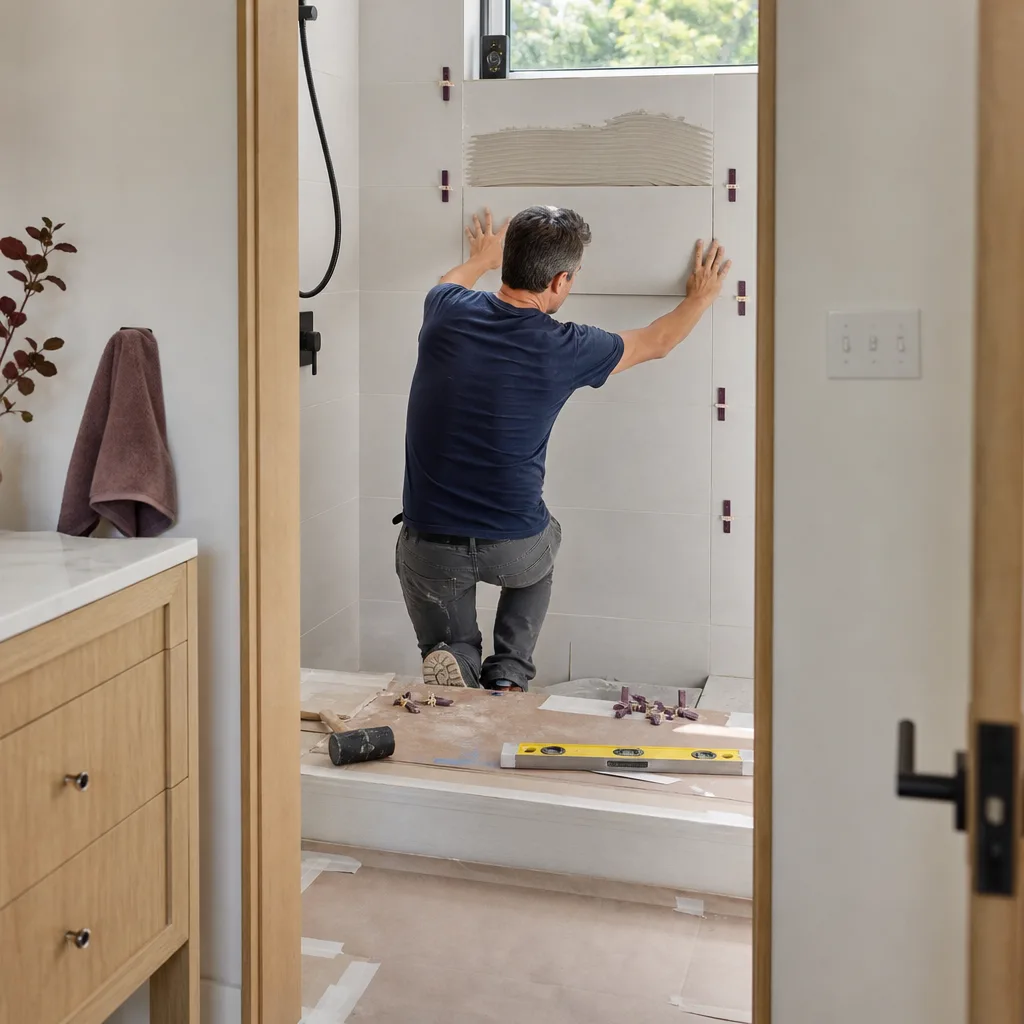
- Tile installation and grout (3 to 5 days). Wall tile, floor tile, niche detail, then grout. Mortar needs to set before grout; grout needs to cure before sealing and use.
- Fixture and trim installation (2 to 3 days). Toilet, vanity, sink, faucet, shower trim, glass, mirrors, and final paint touch-up.
- Final inspection and walkthrough (1 to 2 days). City final inspection, then a documented walkthrough with the homeowner.
That’s the labor schedule: roughly 12 to 18 working days once cure time is included. The calendar number depends entirely on what happens before day one.
Material Lead Times: The Real Schedule Driver
This is the part almost no one explains. The critical path on most bathroom remodels isn’t the crew’s hands, it’s the vendor’s shipping. Order the wrong tile at the wrong time and a two-week job becomes a two-month job. Here’s the realistic breakdown by category:
- Stock tile (in-stock porcelain or ceramic): 2 to 5 days. Available at a local showroom or warehouse.
- Special-order tile: 3 to 5 weeks. This is the biggest single lead time in most projects, especially imported tile or a specific colorway that has to ship from a manufacturer warehouse.
- In-stock vanity and top: 1 to 2 weeks if the size and finish are on the floor.
- Configured vanity (specific cabinet, door style, top): 3 to 6 weeks. Semi-custom lines from makers like KraftMaid or Wellborn routinely run this long.
- Standard shower glass (framed, stock size): 1 to 2 weeks.
- Custom frameless shower glass: 3 to 5 weeks from template to install, because it’s measured on site after tile is set and fabricated to size.
- Fixtures (faucets, shower valves, toilets): 3 days to 2 weeks for standard finishes; longer for special-order colors or Grohe or Kohler lines outside the common finish.
Read those numbers and the thesis of this guide becomes obvious: if you order tomorrow’s special-order tile the day demo starts, your project sits idle for three weeks minimum. The fix is pre-permit procurement. Get the tile, vanity, and fixtures ordered and confirmed in writing before demo day. Our guide to Rowan Construction Group Hayward home lays out how a written scope with locked material selections fits together.
Permits in Alameda County and How to Plan Around Them
Most full bathroom remodels in Hayward require a building permit because they involve plumbing changes, electrical work, or structural alterations. The permit itself is one schedule item; the inspection sequence inside the job is another. Here’s how the timeline usually works for a Hayward bathroom:
- Permit application and plan review: 1 to 3 weeks for a straightforward bathroom. If the plan examiners come back with a correction, add a week.
- Rough inspection before walls close: 1 to 3 days to schedule and pass.
- Final inspection after fixtures: 1 to 3 days.
The efficient schedule overlaps plan review with procurement. While the city reviews the drawings, the homeowner and contractor lock tile, vanity, and fixture selections and place orders. By the time the permit is issued, the materials are already inbound and demo can start immediately. Contractors who wait until the permit is issued to start ordering push the lead time onto the back end and turn a 6-week job into a 10-week job. Under Clause 1 of the Haven Standard, the flat written price is delivered before any work starts, and that written scope includes the permit and inspection steps so nobody is guessing at the calendar. If your project also touches exterior surfaces, our Driveway & Pavers in Hayward guide shows how exterior phases are sequenced alongside interior work.
Cure Times You Can’t Compress
Every trade has cure windows, and no amount of paid overtime shortens them. Set tile on uncured mortar and it debonds. Grout before the mortar sets and the joints crack. These are physics, not scheduling preference.
- Bonded waterproofing membrane: typically 12 to 24 hours before tile, sometimes longer depending on humidity and product. Schluter publishes a specific cure window per membrane; the crew follows it.
- Mortar: 24 hours before grout in most installations.
- Grout: 24 to 72 hours before sealing and before any water touches the surface.
- Caulk and sealant: 24 hours before the shower is used.
In our Hayward work, we see what we call a “shelf gap” on mold-resistant drywall and membrane joints when clients want to compress the schedule – the surface feels dry but hasn’t finished curing. Forcing the next phase across a shelf gap is the number one source of early tile failures we’re called back to repair, and the 365-Day Done Right Promise exists precisely because a rushed cure window creates a problem the client shouldn’t have to live with. The honest answer: budget 3 to 5 extra calendar days for cure time on any bathroom with a tiled shower.
What a Written Project Schedule Should Look Like
Before you sign a bathroom contract, ask for a schedule that names each phase with a start and finish window, the inspections required, and the date each material order is placed. A written schedule is a document you can hold the contractor to, and it’s the difference between a promise and a plan.
Ask for these elements:
- Phase table with working-day durations per phase (demo, rough-in, waterproofing, tile, fixtures, trim) and the remedy if a phase slips.
- Material order log showing what’s ordered, from whom, the quoted delivery date, and who owns the delay if a vendor runs late.
- Inspection dates scheduled with the city, not “to be determined.”
- Cure windows written into the calendar so nobody schedules the vanity install on the same day the floor tile gets grouted.
- Change order policy spelled out: no work proceeds on a change until a written change order is signed, and any cost or schedule impact is on the document before the crew starts the change.
If your fence or gate is on the same property as the project, sequence those too; our Fence Installation in Hayward page covers which exterior work can run in parallel with interior remodels.
Why “On Time” Usually Means “No Surprises”
Most homeowners measure a remodel by the move-in date, but the number that matters more is what changed after the signed price. A project that finishes in 8 weeks and lands within a few percent of the agreed cost is far better than one that finishes in 6 weeks only because the crew cut corners on cure time and the tile debonds in month seven. In practice, schedule discipline and price discipline are the same skill: a written scope that names the materials, the phases, and the change-order rules up front. In Hayward, that discipline separates contractors who gamble on surprise rough-in conditions from the ones who’ve already anticipated them. We’ve seen too many shortcuts around the waterproofing and rough-in phases become insurance claims or repeat visits; the correct sequence plus the documented photo record on every visit is how a project stays on calendar. When we hand over the photo record of what was found behind the wall and what was done, the client has evidence, not a feeling.
Common Mistakes to Avoid
- Choosing tile before checking lead time. A beautiful special-order tile with a 5-week lead can sit in a warehouse while your bathroom sits in pieces. Confirm delivery date before you commit.
- Starting demo before materials are ordered. This is the single biggest schedule killer. Order materials during permit review, not after demo.
- Compressing cure windows to hit a target date. Waterproofing, mortar, and grout all have cure times that don’t bend. Rushing them causes failures within the first year.
- Relocating plumbing without a real cost check. Moving a toilet or tub drain means cutting into the floor structure and rerouting drain lines. It’s often doable but it adds working days and cost; get it priced before demo.
- Skipping the written schedule. A verbal “about six weeks” is not a plan. Ask for the phase table and the material order log in writing.
- Not pulling a permit because the neighbor did it without one. Unpermitted bathroom work surfaces at resale and can void insurance on the plumbing. Pull the permit.
- Ignoring the photo record. Ask for photos of the rough-in and waterproofing before walls close; that documentation is your protection if anything fails later.
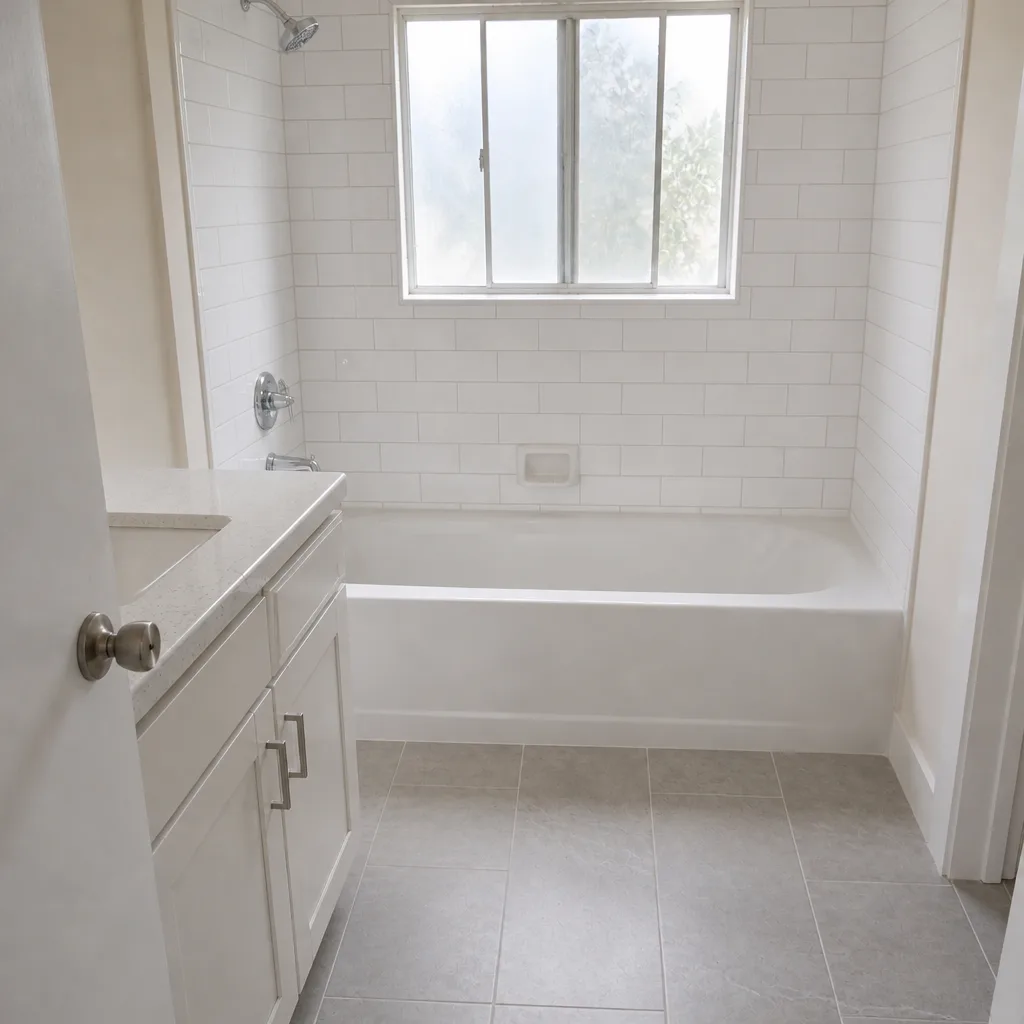
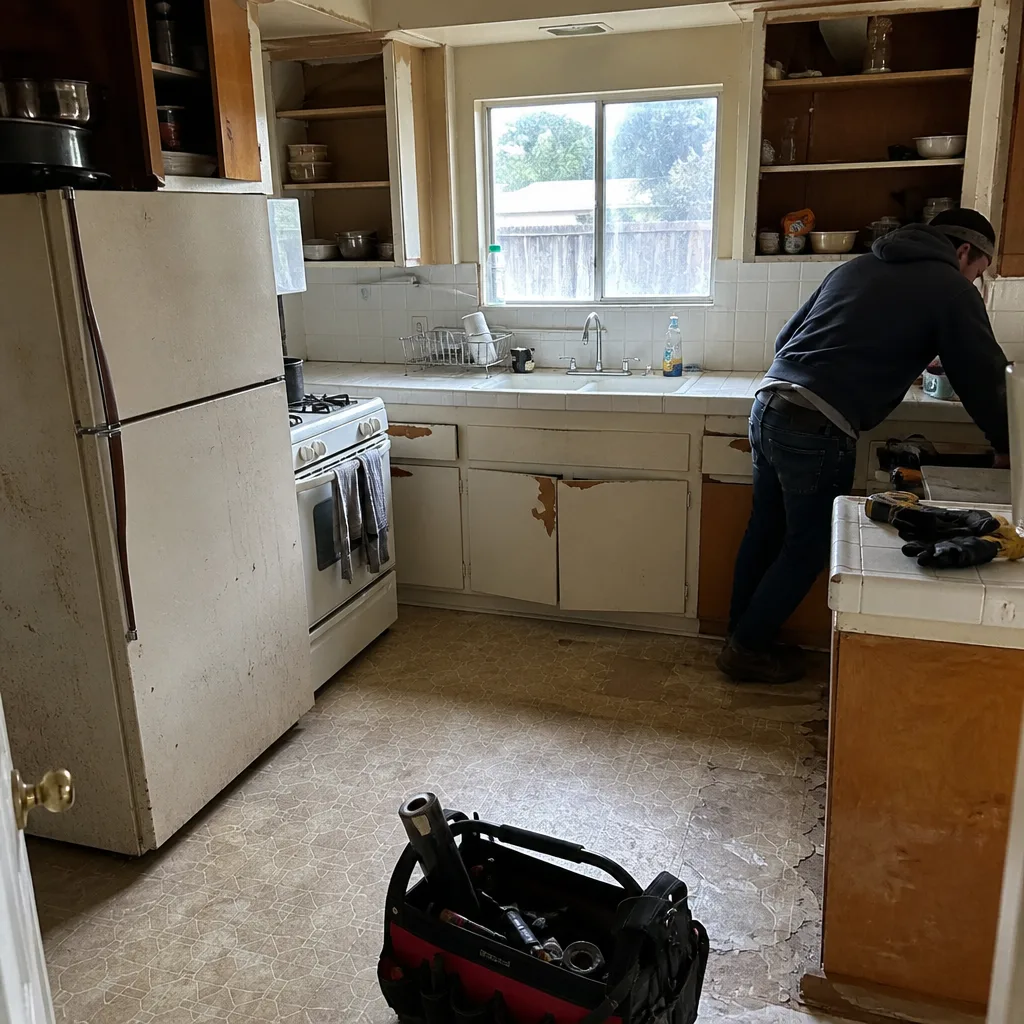
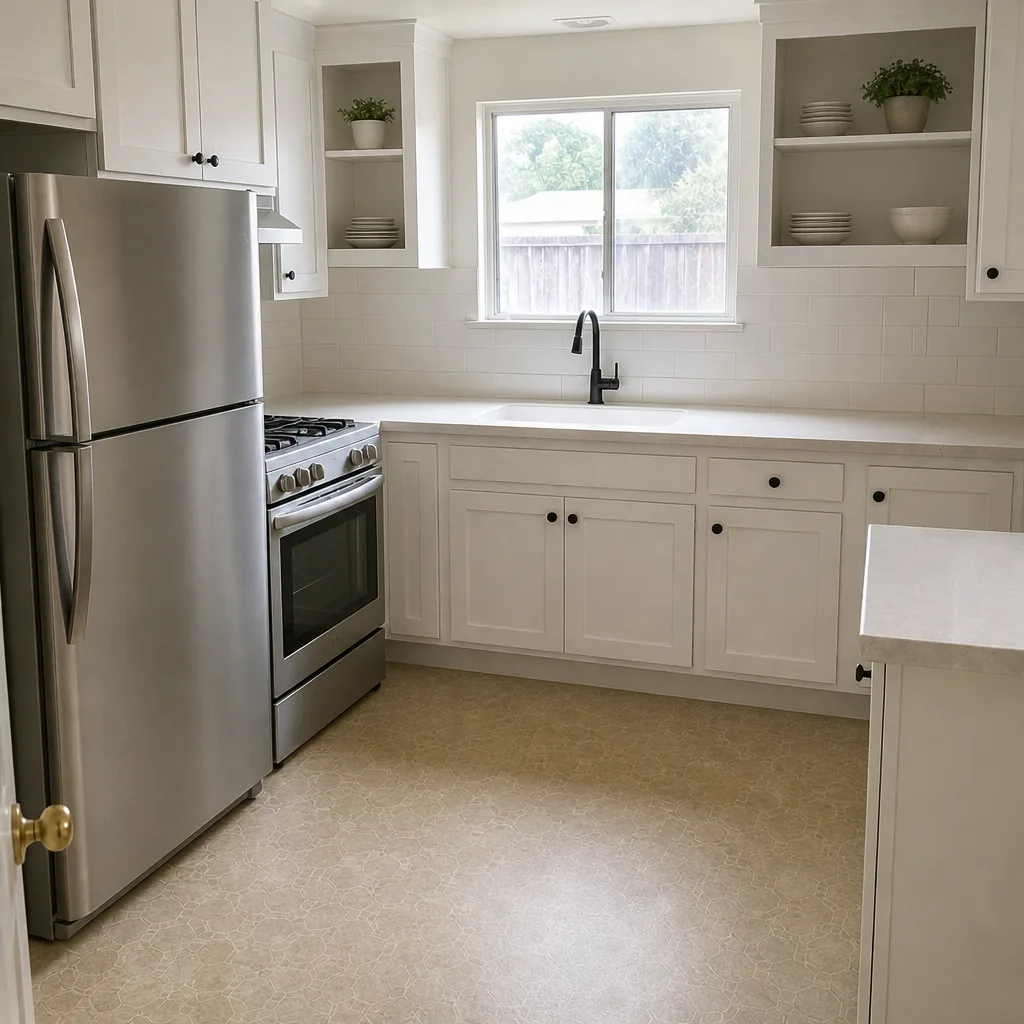
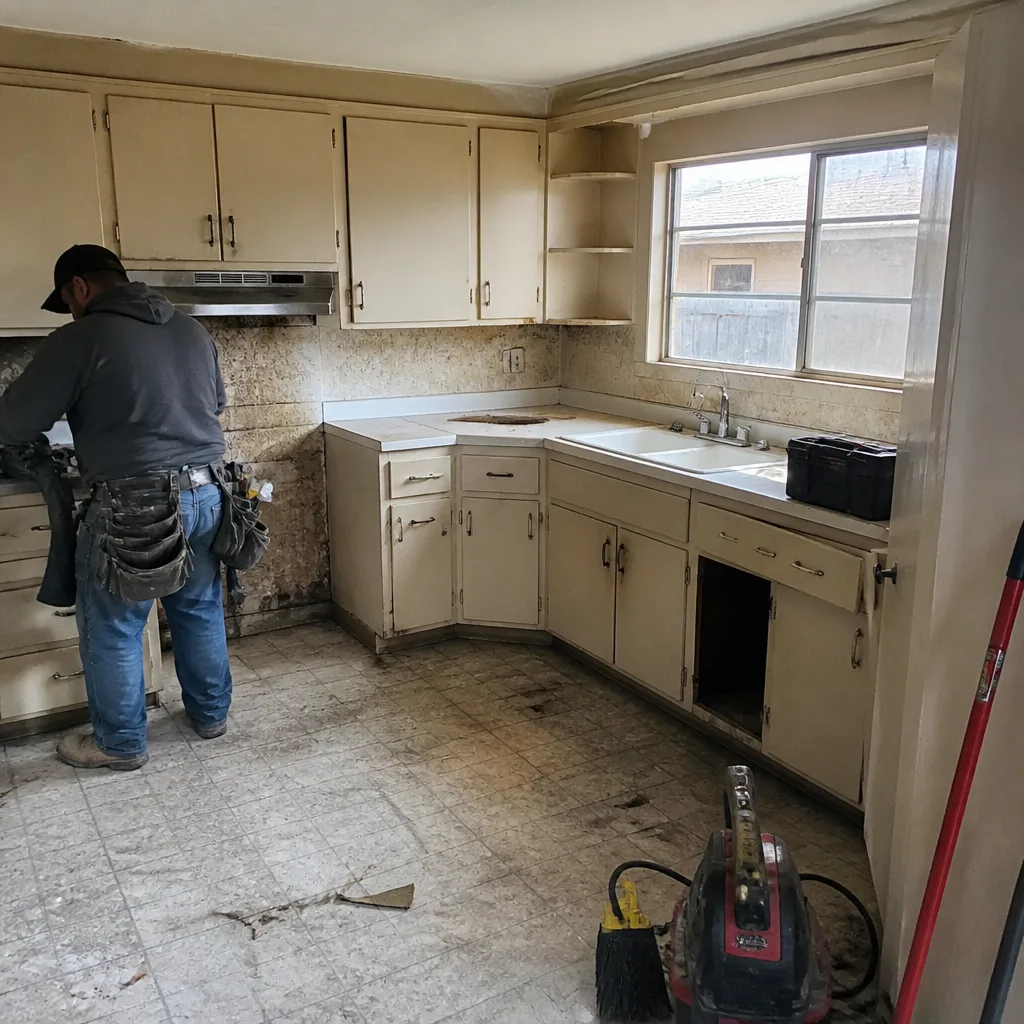
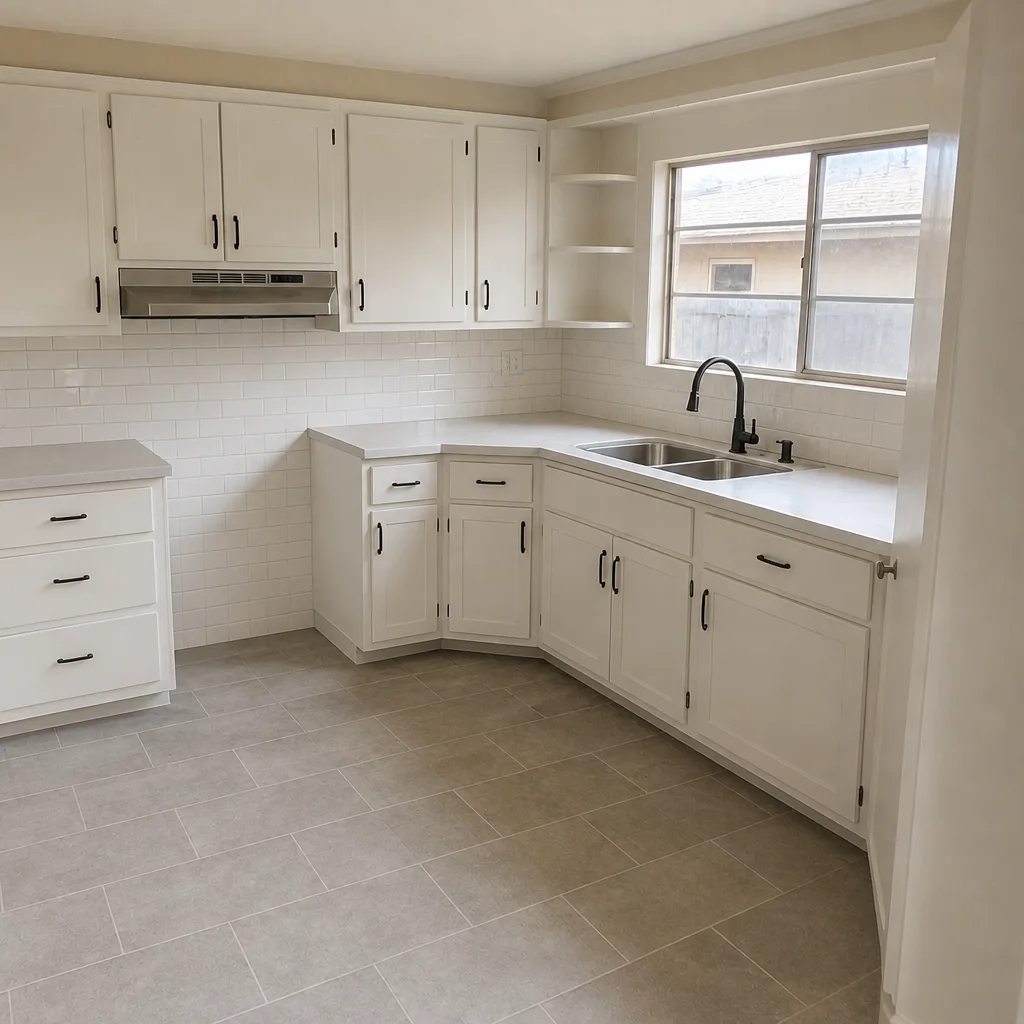
See the difference
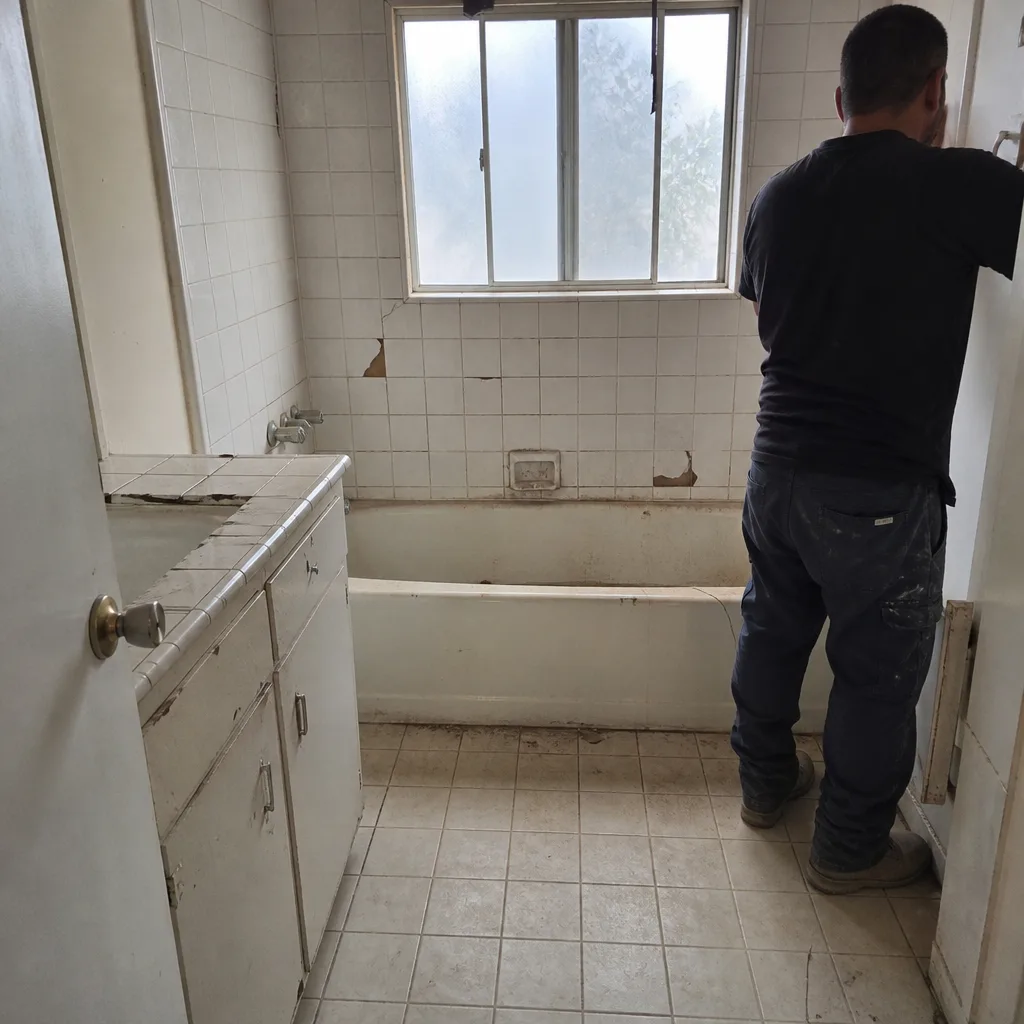 Before
 After
 Before
 After
 Before
 After
When to Call a Professional
Some bathroom work is a weekend project: swapping a faucet, replacing a toilet seat, repainting. The moment the work touches the waterproofing membrane, the shower pan, plumbing rough-in, electrical circuits, or a permit, it’s a licensed professional’s job. Shower waterproofing is the phase most likely to fail if applied incorrectly, and the failure usually surfaces as hidden mold rather than a leak you can see. Rough plumbing and electrical work in wet areas carries real safety stakes and code requirements that a permit pulls into the open. If you’re getting a quote and comparing line items, Rowan Construction Group Hayward offers free estimates in Hayward and a Free Second Opinion on any written estimate – call (866) 863-1729 to schedule.
Frequently Asked Questions
A standard full bathroom remodel in Hayward takes 6 to 10 weeks from contract to final inspection, with 2 to 3 weeks of that being active construction. The remainder is permit review, material lead times, and cure periods. Cosmetic remodels with no layout change run 2 to 3 weeks. Call (866) 863-1729 for an exact quote for your space; estimates are free.
Only a cosmetic remodel with no permit triggers and stock materials already on hand can realistically finish in 2 weeks. Any project involving new waterproofing, plumbing relocation, or special-order tile needs more calendar time because the cure windows and lead times don’t compress. If a contractor promises a full gut in two weeks, ask for the phase schedule in writing before you sign.
Material procurement is usually the longest phase, not labor. Special-order tile runs 3 to 5 weeks, configured vanities run 3 to 6 weeks, and custom shower glass runs 3 to 5 weeks. Ordering these during permit review rather than after demo is the single biggest way to shorten the calendar.
A full bathroom remodel in the Hayward market typically runs $18,000 to $45,000 depending on size, tile selection, and whether plumbing is relocated; a cosmetic refresh runs $6,000 to $14,000. Written, line-item pricing is the only way to compare quotes honestly. Call (866) 863-1729 for a flat written price on your project; estimates are free.
Yes. Any bathroom remodel that involves plumbing, electrical, or structural changes requires a permit through the City of Hayward, and the written scope includes permit and inspection steps. Passing the rough and final inspections is part of the delivered project, not a separate errand for the homeowner.
Not unless you approve a written change order. Under the Haven Standard, no work proceeds on a change until the change order is signed, and the price on the signed scope is the price. If something unexpected turns up behind the wall, you’ll see it in the photo record and the written change before any work moves forward.
The Bottom Line
The honest answer to “how long does a bathroom remodel take” is that the crew’s labor is about 2 to 3 weeks, and the project takes 6 to 10 weeks on the calendar because of permits, lead times, and cure windows. The decisions that control your schedule are made before demo: tile ordered during permit review, vanity confirmed in writing, fixtures selected, and a phase schedule signed. Hayward bathrooms follow the same rules as anywhere, with the added reality that special-order materials and city inspection scheduling don’t wait for anyone. Plan the calendar around procurement, respect the cure times, and the timeline you’re quoted will be the timeline you get.
If you want a written phase schedule and a flat price before anyone picks up a tool, call Rowan Construction Group Hayward at (866) 863-1729 to schedule your free estimate. Bring a competing quote and we’ll review it line by line at no charge.
Written by the team at Rowan Construction Group Hayward.