Last updated November 18, 2026


Free written scope consultation - allowances, timeline, and change-order rules on paper before a single trade is scheduled
DIY vs Professional Construction: The Hayward Homeowner’s Decision Guide
In California, a homeowner can legally act as their own general contractor on a primary residence. But the moment they hire unlicensed help to do the work, they become the employer of record and carry full workers’ compensation liability if someone gets hurt on the job. That single legal fact reshapes the DIY question. This guide maps the legal boundary first, then the financial one, with the specifics a Hayward homeowner needs before lifting a tool: what California Business and Professions Code Section 7044 permits, how unpermitted work shows up in an insurance investigation, and where self-performance in Hayward actually saves money versus where it quietly costs more than a bid.
Quick Answer
In Hayward, DIY makes financial sense for cosmetic and non-structural work – interior painting, flooring over sound substrate, landscaping, non-permitted demolition – and rarely makes sense for anything that touches structural framing, electrical panels, gas lines, roofing, or a permitted addition. The dividing line is not skill or confidence. It’s whether the work requires a permit and a licensed trade, because unpermitted or unlicensed work can void a homeowner’s insurance claim and surface as a title problem when you sell. Decide the permit question first. The budget question comes second.
Styles & brands we work with
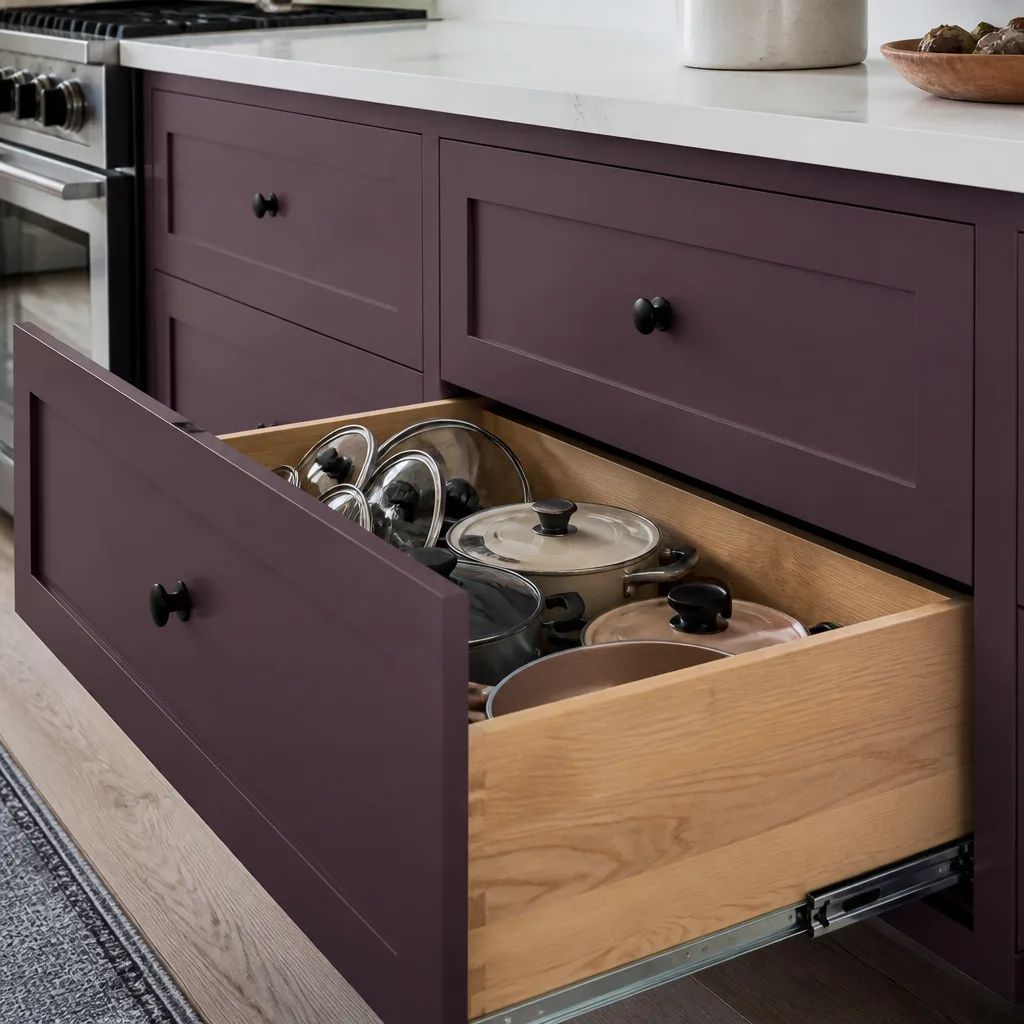
- Kitchen remodeling
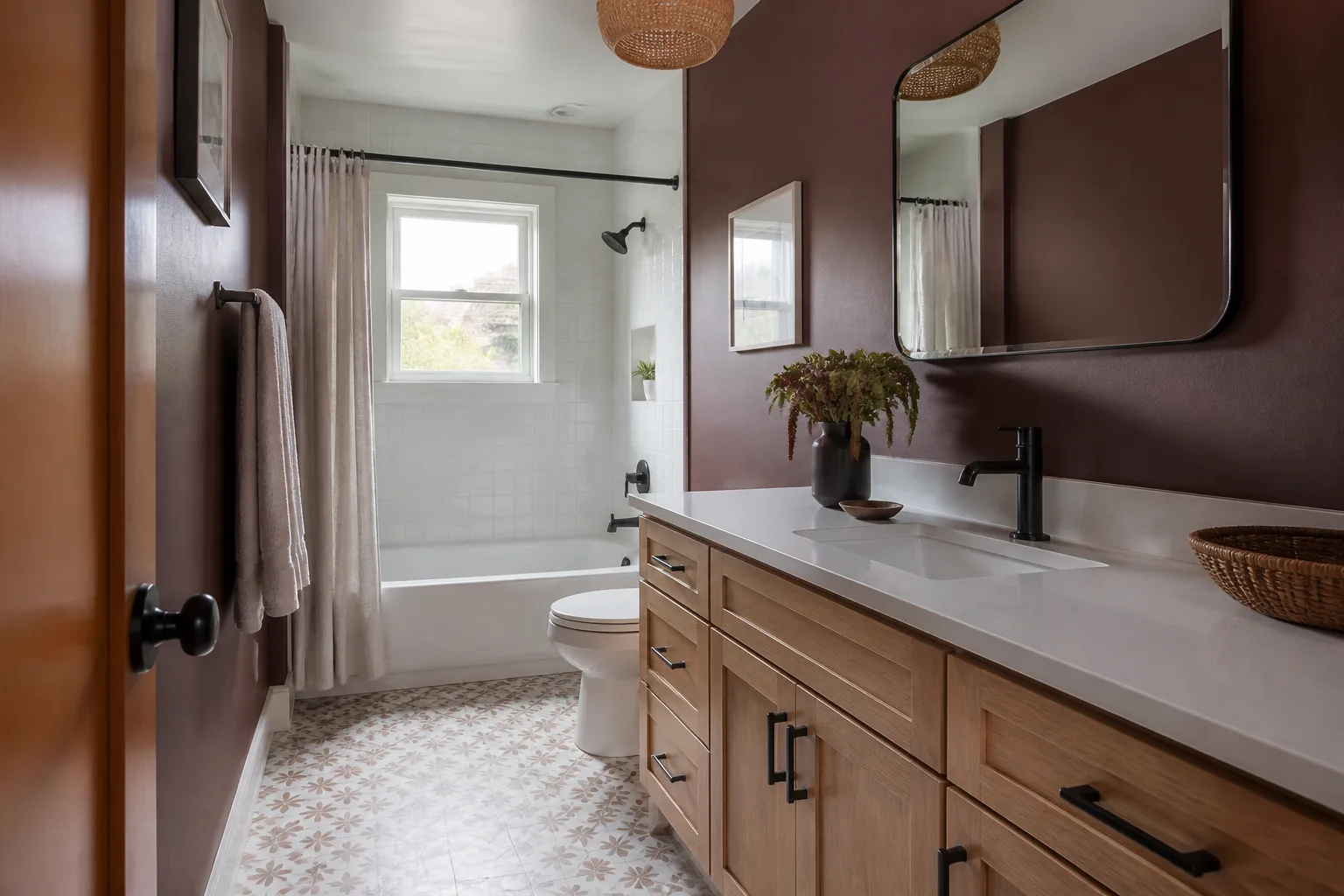
- Bathroom remodeling
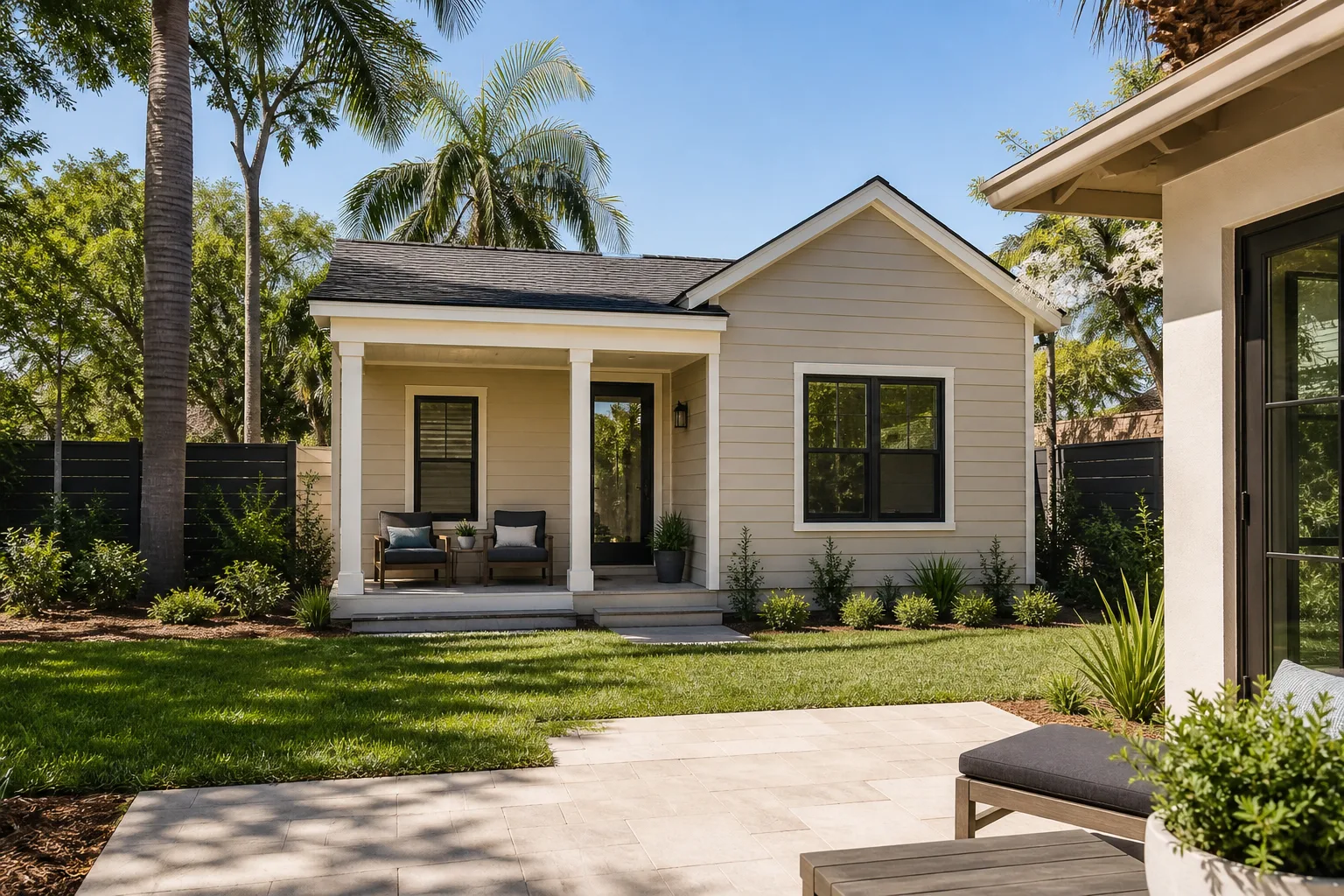
- Home additions & ADU
- Roofing
- Windows & doors
- Driveway & pavers
- Fence
Table of Contents
- What California Law Actually Lets You Do Yourself
- How Unpermitted Work Surfaces in an Insurance Claim
- The Real Cost Comparison: Doing the Math Honestly
- Where DIY Wins in Hayward – and Where It Doesn’t
- What to Document Before You Self-Perform Permitted Work
- How to Pass a City of Hayward Inspection Without a Contractor On-Site
- Trade-by-Trade: Where the Legal Line Sits
- Common Mistakes to Avoid
- When to Call a Professional
What California Law Actually Lets You Do Yourself
Business and Professions Code Section 7044 is the statute most homeowners have never read, and it governs this entire decision. It allows an owner of a single-family residence to build or improve the structure on their own property without a contractor’s license, as long as the work is for their own occupancy and they don’t sell the property for at least a year after completion. That’s the self-performance right. It has real limits.
The statute does not let you hire unlicensed people to do the work for you. If you do, you’re not a homeowner doing their own project – you’re an unlicensed contractor hiring unlicensed labor, and every liability that would attach to a general contractor attaches to you. Workers’ compensation liability, jobsite safety, payroll classification, and wage-and-hour exposure all land on the person who hired the help. State law also caps the total value of self-performed work under this exemption, and that cap is adjusted periodically, so verify the current figure with the Contractors State License Board before you commit to a project scope.
What the exemption does not touch at all:
- Electrical beyond simple fixture swaps. New circuits, panel work, and anything that requires a permit with your local building department is licensed-electrician territory in practice.
- Gas lines. Any new gas run, appliance connection beyond a standard flex connector swap, or pressure test requires a licensed plumber and inspection.
- Structural work. Load-bearing walls, headers, foundation repairs, and framing alterations require engineering and a licensed contractor who can pull the permit and stand behind the inspection.
- Roofing on most homes. You can legally re-roof your own house, but the height, fall hazard, and permit inspection sequence make it a professional’s job in anything but a single-story, low-slope case.
Here in Hayward, the practical outcome is that the line most homeowners care about is the permit line, not the license line. If your project requires a City of Hayward building permit, the permit process itself will demand drawings, inspection sign-offs, and identity of the responsible party – and that’s where the DIY plan usually collapses, not in the actual labor.
How Unpermitted Work Surfaces in an Insurance Claim
This is the section most DIY guides skip, and it’s the one with the largest downside. Homeowner’s insurance policies are written to cover the home as documented, and unpermitted work changes the physical documentation and sometimes the exposure profile of the property. Carriers have specific mechanisms for spotting it during investigation of a loss.
When an adjuster investigates a water loss, fire loss, or structural claim, they look at the physical evidence and compare it against what’s on file. What they specifically check for:
- The permit history at the city. Adjusters pull permit records for the address, and work done without a permit shows up as a gap between what exists and what’s documented.
- Whether the loss originates from the unpermitted work. If the cause of a water loss traces to a shower pan a homeowner installed without a permit or membrane inspection, the carrier can deny the resulting claim as arising from non-permitted work.
- Whether the work materially increased the risk in a way the policy didn’t underwrite. Added electrical load from an unpermitted shop subpanel run, for example, changes fire risk in ways that an insurer can argue weren’t disclosed.
- The contractor’s license status on any help hired. If you hired an unlicensed crew and one of them was injured, your homeowner’s policy likely excludes that loss because it falls under the workers’ comp exclusion for residential employment.
In our experience, the Hayward claims we see go sideways aren’t the ones with obvious mistakes – they’re the ones where the homeowner did quality work but couldn’t produce the paper trail. Insurance doesn’t pay for work done well. It pays for work done within the documented scope of coverage.
The Real Cost Comparison: Doing the Math Honestly
The reason DIY vs. professional comparisons go wrong is that the DIY side almost always excludes two of its three most expensive components. Here’s the honest equation:
- DIY true cost = materials + tool rental or purchase + your labor hours at an honest hourly rate + permit fees (self-pulled) + the risk-adjusted cost of rework + the hourly cost of the extra hours you’ll spend learning what a professional already knows.
- Professional true cost = the contractor’s flat written bid, which already includes permit fees, licensed labor, materials at trade pricing, inspection management, and a written warranty.
The gap narrows faster than homeowners expect. A bathroom remodel that a homeowner estimates at $8,000 in materials plus “a few weekends” is usually $8,000 in materials plus 140 to 220 hours of labor plus $1,500 in rework, in the ranges we typically see. At an honest $50 per hour for the homeowner’s time – what the hours are worth if they could be spent on billable work or on family – the “savings” evaporates.
Where the comparison changes:
- Small, isolated, unpermitted work – painting a room, replacing a vanity, laying floating flooring – DIY is genuinely cheaper and stays cheaper, because the permit, inspection, and warranty components of the professional bid don’t apply.
- Anything with a permit – the professional bid carries the permit management, inspection scheduling, and correction cycle, and that overhead is worth paying for on most projects because a failed inspection costs more than the management fee.
- Anything with a warranty – the professional bid includes a written warranty, which DIY can’t replicate. A $2,000 rework of a homeowner-installed shower counts against DIY; the same failure against a bonded contractor is covered.
Get a written bid of your own and do this math against it, not against a range. A flat price is a comparison you can actually make – “call for a quote” is not. If a bidder won’t put a number in writing before work starts, the comparison is rigged against you. Our Rowan Construction Group Hayward home page lays out what a flat written quote includes on every trade.
Where DIY Wins in Hayward – and Where It Doesn’t
Hayward’s housing stock runs from mid-century ranch homes in the Hayward Hills to older bungalows in Cherryland and newer construction near Southland. That spread matters, because the DIY calculus depends on the age and construction type of the home.
Where DIY makes sense in Hayward:
- Interior painting. No permit required, no structural implications, and a homeowner with a steady hand produces results that match a professional job on most walls.
- Non-structural demolition. Pulling out cabinets, removing flooring, taking down shelving – fast, no permit, and it reduces the contractor bid if you leave it for the crew’s arrival.
- Landscaping and yard work that doesn’t touch grading, drainage, or retaining walls above 4 feet.
- Replacing fixtures and hardware – faucets, light fixtures, cabinet pulls, toilet seats – where the existing supply and drain already exist.
- Floating flooring over sound substrate in a dry area, where the subfloor is stable and the room isn’t a bathroom or kitchen.
Where DIY consistently costs more than it saves in Hayward:
- Bathroom waterproofing. Hayward’s older homes frequently have decades of cumulative moisture in walls. A shower pan that looks fine on install will tell the truth six months later when water wicks into the framing. The rework costs more than the original bid would have.
- Roofing. Two-story homes in the Hayward Hills mean a fall hazard that no homeowner should underwrite. Roofing is our strongest “leave it to a pro” recommendation, and we say that as a company that does roofing.
- Electrical panel work. Any change to the panel or a new circuit is licensed-electrician and permit territory. There’s no scenario where this is a good DIY project.
- Fence replacement on a shared property line where the neighbor’s agreement, a property survey, and Hayward’s height and setback rules all have to line up. We cover the ownership and permit angle in our guide to Fence Installation in Hayward.
- Additions and ADUs. No homeowner self-performs these acceptably, and the permit and inspection trail alone would defeat the effort.
What to Document Before You Self-Perform Permitted Work
If you’re going to pull a permit as an owner-builder, the paperwork is what protects you at claim time or at resale. Assemble the file before a single tool comes out.
- Pull the permit in your own name at the City of Hayward building department and print the receipt. This is your evidence that the work was permitted and inspected.
- Keep the approved plans and any change drawings in their original condition, plus a working copy for the field.
- Photograph the substrate before covering anything. Framing, plumbing rough-in, and electrical rough-in should each be photographed at the stage just before the wall closes so the inspector and a future buyer’s inspector can see the work. The same discipline contractors apply – a documented photo record – protects you here.
- Log every inspection. Write down the date, the inspector’s name, and any corrections they list. Corrections you resolve get a re-inspection; the log is your proof the corrections happened.
- Keep receipts for every material in a single folder or digital folder, tied to the project, not mixed into household receipts.
- Do not hire unlicensed help. If you bring in a friend, verify their license status through the CSLB database and confirm they carry their own workers’ compensation coverage. Hiring unlicensed help resets the entire liability question against you.
One more thing worth understanding before you decide: the owner-builder exemption carries a resale disclosure requirement. You may be required to disclose the self-performed work, and any buyer’s inspector will look for the paper trail. A clean file – permit, plans, photos, inspection log – removes the friction. A missing file turns a $40,000 self-performed project into a $15,000 price concession at sale.
How to Pass a City of Hayward Inspection Without a Contractor On-Site
Owner-builder inspections are routine for the City of Hayward building department, and there’s nothing adversarial about the process. The inspector’s job is verifying code compliance, and any licensed presence doesn’t change the standard. What does change is that the homeowner has to do the coordination work a general contractor normally handles.
What actually gets inspections to pass:
- Understand the inspection sequence. Rough-in framing, plumbing, and electrical each get their own inspection before drywall. Don’t schedule the framing inspection until all the rough-in trades have passed, because the structural check is combined or sequenced with them in most jurisdictions.
- Have the plans, the permit, and the inspection card on site and posted where the inspector can see them immediately on arrival.
- Clean the site. Inspectors document what they see. A cluttered site slows the inspection and occasionally triggers a citation request for site cleanliness if it obscures the work.
- Know the correction cycle. If an inspector writes corrections, the re-inspection is usually a separate fee. Budget for two inspection visits even if the work is clean, because one correction on a rough-in is common and normal.
- Photograph the final work before covering anything. Some corrections become unnecessary if you can show the inspector the state of the substrate underneath.
Where the owner-builder path gets genuinely difficult is any project with two or more trades running in series. Coordination is the technical skill of a general contractor, and juggling the sequencing of a rough-in inspection while managing material delivery windows and trade scheduling is where a homeowner who’s never done it before spends the real time. Our team at Rowan Construction Group sees this every week – the willingness isn’t the bottleneck, the sequencing is.
Trade-by-Trade: Where the Legal Line Sits
Putting the permit and license questions side-by-side, here’s the practical read on the trades a Hayward homeowner is most likely to face.
- Paint, drywall, tile, flooring. No permit, no license required for owner-self-performed work. DIY is genuinely on the table.
- Windows and doors like-kind replacement. Often no permit for a same-size, same-configuration swap, but the structural opening and waterproofing sequence is where a homeowner typically loses time. Manufactured replacement units from quality brands like CGI, CWS, or ES Windows are forgiving on install but unforgiving of a mismeasured rough opening.
- Roofing. Permit required, licensed contractor strongly recommended, and the safety caveat is real: two-story Hayward Hills homes have genuinely dangerous fall exposure and no homeowner should underwrite it. We cover the specific escape hatch – a like-for-like swap on a low-slope single-story – in our Roofing page.
- Electrical and gas. Licensed and permitted in all but the smallest fixture swaps. Non-negotiable.
- Kitchen and bathroom remodeling. Permits required for plumbing, electrical, and mechanical changes. The homeowner can self-perform cosmetic work inside a permitted project, but the plumbing and electrical have to go through a licensed sub. Our Kitchen Remodeling and Bathroom Remodeling pages walk through what’s typically inside the permit.
- Fences. Permit depends on height and location. On a Hayward property line, the neighbor’s agreement and the survey matter more than the permit, and that’s covered in Fence Installation in Hayward.
- Driveways, pavers, retaining walls. Pavers over existing grade are often permit-free; retaining walls above a set height and any regrading that changes drainage are permitted. Details are in our Driveway & Pavers in Hayward guide.
- Home additions and ADUs. Licensed contractor, permitted project, no realistic self-performance path. Everything from the California ADU streamlining requirements to the structural engineering is outside the owner-builder scope. Our team covers the sequence in Home Additions & ADU in Hayward.
Common Mistakes to Avoid
- Hiring unlicensed help to “just do the heavy part.” This is the single most expensive mistake in California. You become the employer of record and assume workers’ comp liability the moment they step on site, and the CSLB treats the arrangement as unlicensed contracting.
- Pulling a permit but not photographing the rough-in. When the walls close, the evidence disappears. If a claim or a resale inspection needs to verify what was behind the drywall, photographs are the only record.
- Assuming like-for-like replacement is unpermitted. Hayward’s like-for-like rules have exceptions, especially for windows and doors on homes in certain zoning overlays. Verify with the building department before buying a unit, not after.
- Underestimating the rework cost. Budget 15 to 25 percent of the DIY material cost for the rework you’ll do at least once. If the rework margin makes DIY more expensive than the professional bid, the decision has already been made.
- Letting the insurance policy lapse or work without notifying the carrier. Significant improvements can change replacement cost coverage, and an unreported major renovation can complicate a total-loss claim.
- Forgetting the owner-builder resale disclosure. A missing file at sale time can turn a clean project into a price concession. Keep the permit, plans, inspection log, and photos together from day one.
- Treating “no permit needed” as “no insurance implication.” Even unpermitted work can change the physical risk profile of the home, and a top-down water loss traced to unpermitted plumbing is often excluded from coverage regardless of whether the work required a permit at the time.
When to Call a Professional
Call a licensed contractor when the project crosses any of these thresholds: the work requires a City of Hayward permit; a licensed trade is required by law (electrical panel, gas line, structural); the height or fall exposure is real (roofing, two-story windows, siding above a first-story elevation); the work will sit inside a wet area (bathroom waterproofing, shower pans, tile over a shower bench); or the total project value exceeds what you’re willing to underwrite on a self-performed basis. At that point the professional bid isn’t a premium – it’s the lower-risk number once you account for rework, permit management, and the written warranty. Rowan Construction Group Hayward offers free estimates in Hayward – call (866) 863-1729. Plans are flat-priced in writing before work begins, every project carries a signed change-order discipline so the number you agree to is the number you pay, and our crews are background-checked and uniformed with a documented photo record delivered on every visit.
See the difference
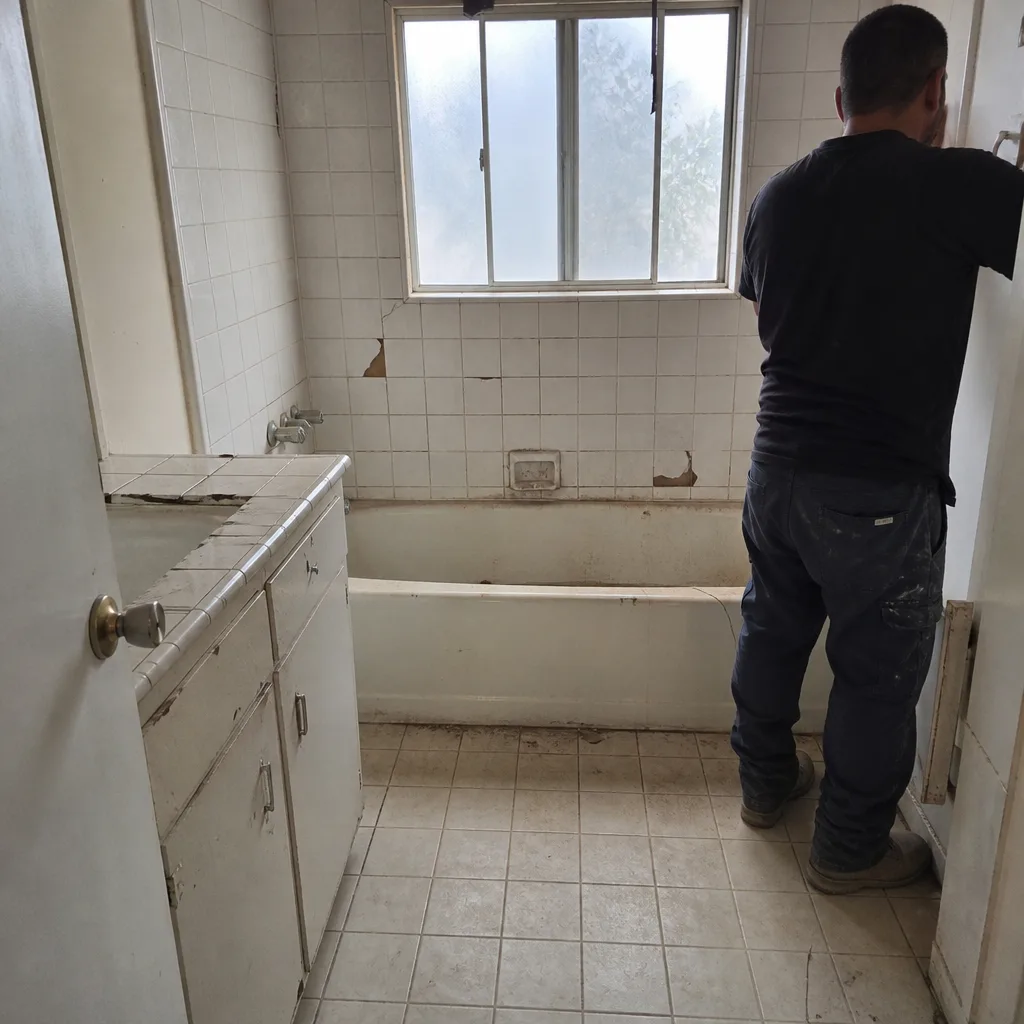 Before
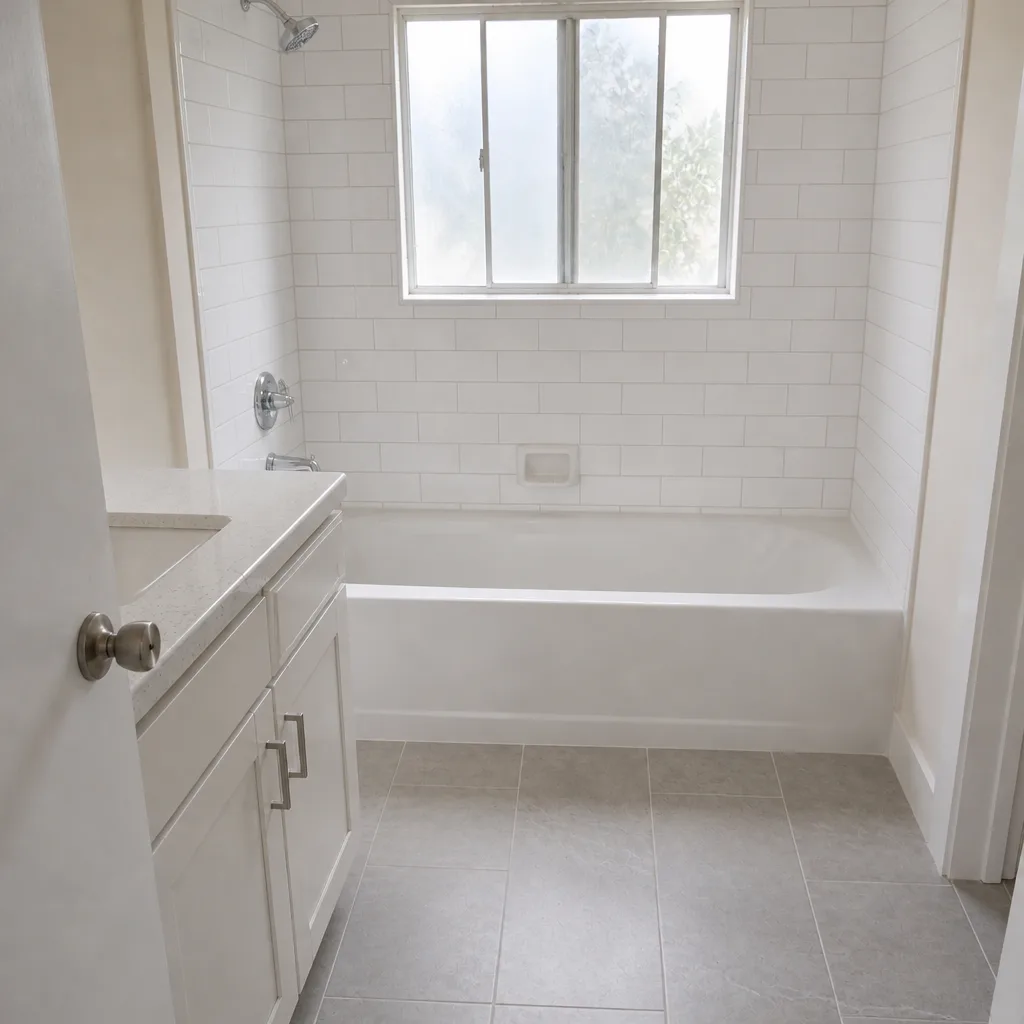 After
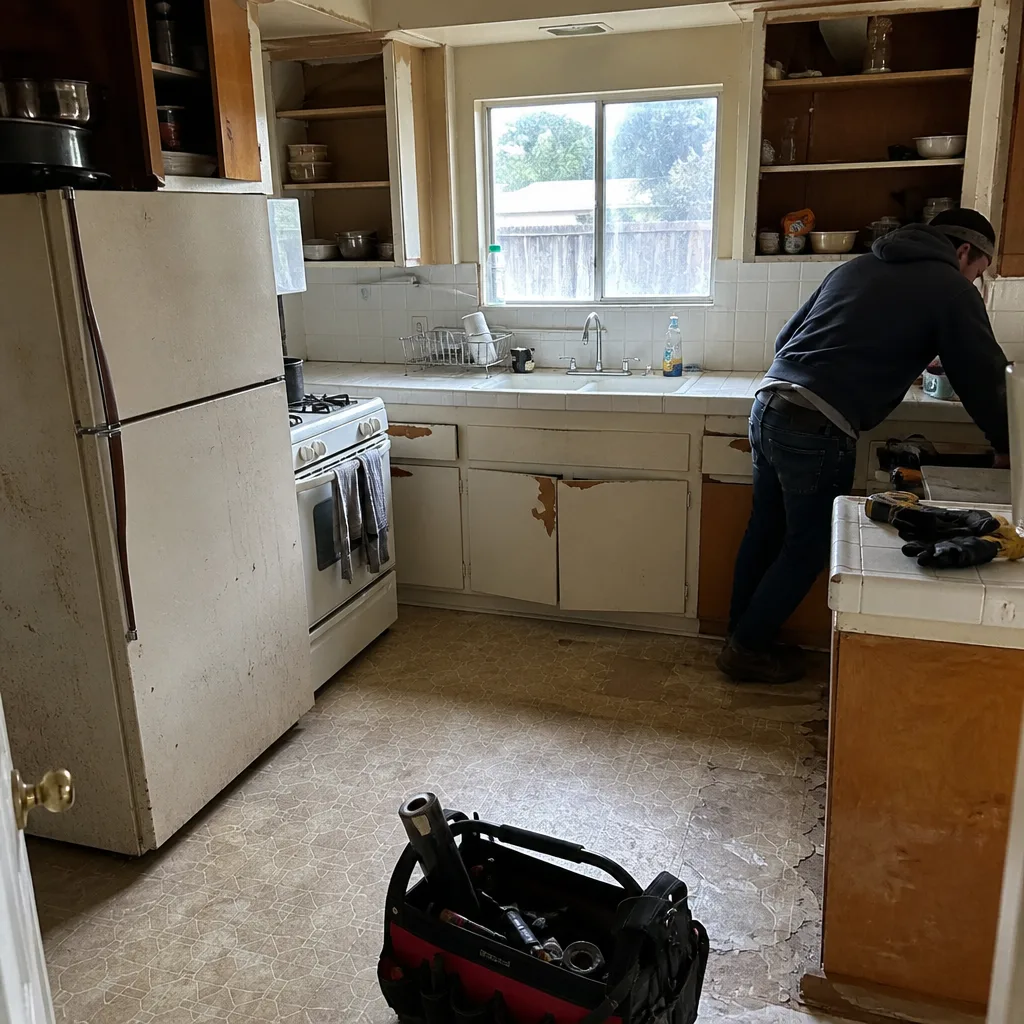 Before
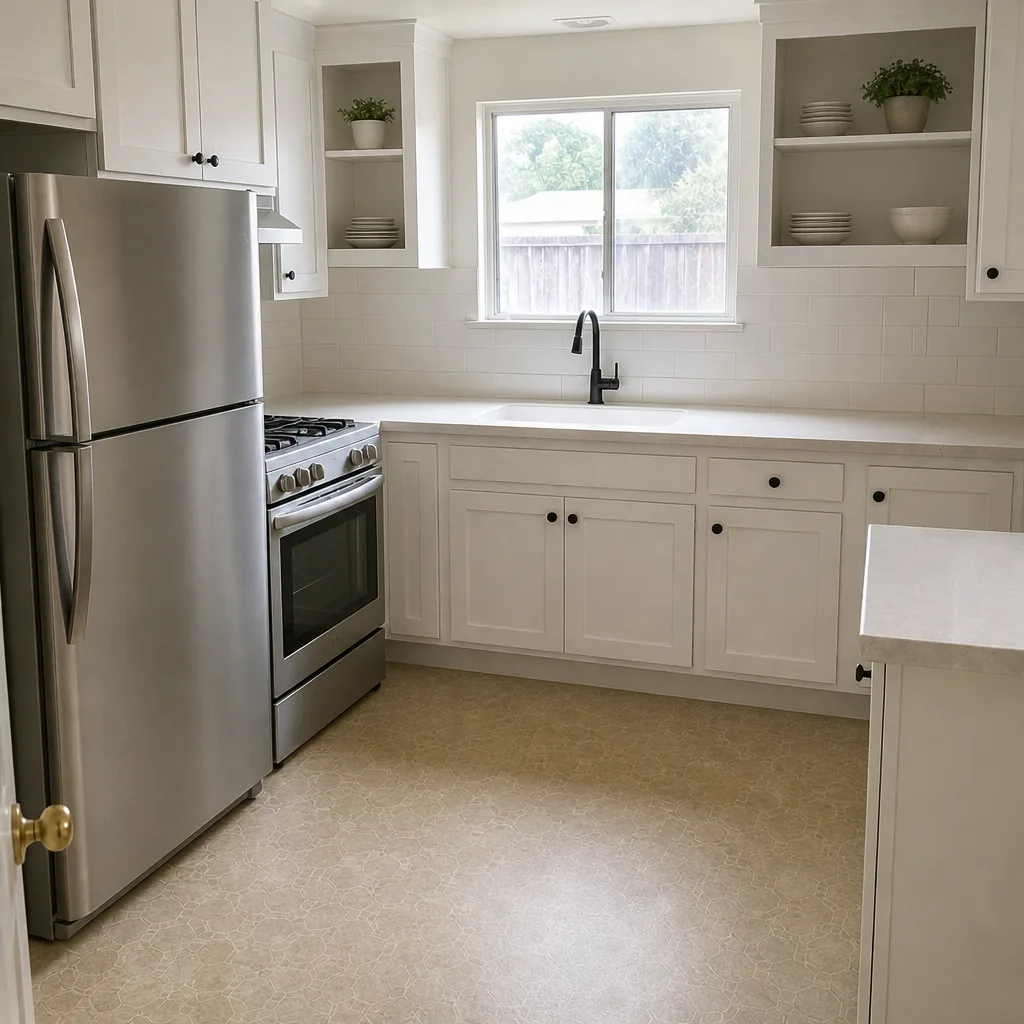 After
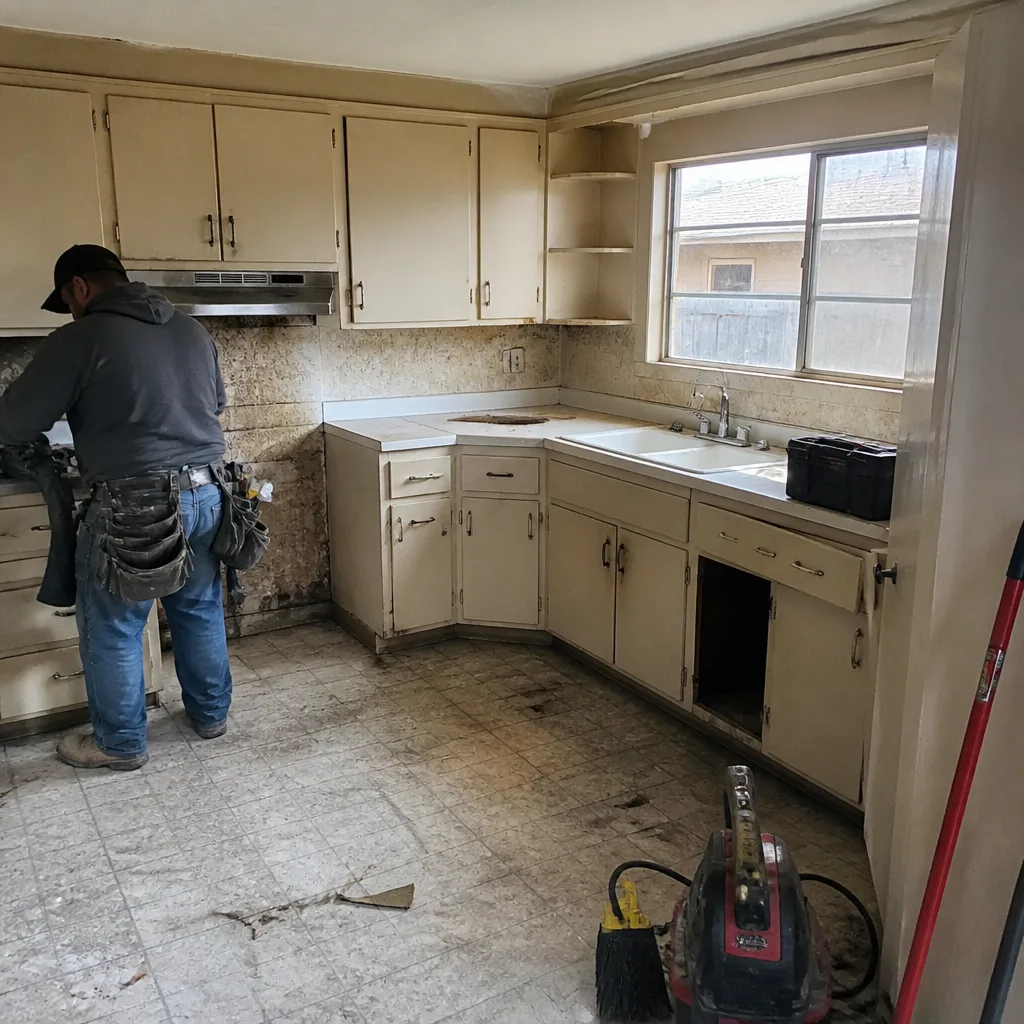 Before
 After
Frequently Asked Questions

Yes, if you own and occupy a single-family residence in Hayward and the work is for your own use, California Business and Professions Code Section 7044 permits you to self-perform construction. The work must be permitted where required, you must not hire unlicensed help, and you generally cannot sell the property within a year of completion. Call (866) 863-1729 for a free second opinion on any written estimate before you commit to a self-perform plan.
Not automatically, but unpermitted work can cause a specific claim to be denied if the loss traces to the unpermitted work or if the work increased the risk the policy underwrote. Adjusters routinely pull permit records during a water, fire, or structural investigation. The safest posture is to permit and document everything, which is what our team does as a matter of course. Call (866) 863-1729 to schedule a free estimate on any project you’re considering re-doing to permit standard.
On a typical Hayward bathroom remodel, a professional bid runs in the $20,000 to $45,000 range for the full scope, while DIY materials and tool rental run $8,000 to $15,000, before you add 140 to 220 hours of labor and a 15 to 25 percent rework allowance. Once rework and your own time are priced honestly, the gap closes to a few thousand dollars on most projects – which is why the written bid comparison matters more than the material-cost comparison. Call (866) 863-1729 for an exact quote – estimates are free.
The owner-builder exemption under Business and Professions Code Section 7044 allows a homeowner to build or improve a single-family residence on their own property for their own occupancy without a contractor’s license. It has a total-value cap that’s adjusted periodically, it requires not selling the property for at least one year, and it does not permit hiring unlicensed help. Verify the current cap with the Contractors State License Board before committing to a scope. For a paid flat-price comparison against your DIY plan, call (866) 863-1729.
Yes, a homeowner can pull a permit in their own name as an owner-builder at the City of Hayward building department. What changes is that you’re now the responsible party for inspection coordination, correction cycles, and end-to-end code compliance for any licensed trade work inside the project. When a project spans electrical, plumbing, and structural trades, that coordination burden is usually where the homeowner’s time cost exceeds the contractor’s overhead. Call (866) 863-1729 for a free second opinion on a line-item estimate.
Roofing, electrical panel work, gas lines, structural framing, bathroom waterproofing, and any home addition or ADU. These are the categories where the failure mode – water intrusion, fire risk, fall hazard, or failed inspection – costs more than the professional bid would have, and where Hayward’s older housing stock (mid-century ranch homes, 1950s bungalows in Cherryland) makes the failure mode more likely. The professional bid, in these categories, is the lower number. Call (866) 863-1729 for a written estimate with a written scope and a written warranty.
The Bottom Line
The DIY-vs.-hire question in Hayward starts with the permit, not the budget. If the work requires a City of Hayward permit, involves a licensed trade, or involves real fall or fire exposure, the professional bid is the safer number once you price rework, time, and insurance risk honestly. If the work is genuinely cosmetic and permit-free – paint, flooring, non-structural demo, landscaping – DIY remains a legitimate financial win, and no one should talk you out of it. Get a written bid in dollars on anything more than that, compare it against your own honest math, and decide on paper. Our team at Rowan Construction Group Hayward is happy to be that written bid. A flat price, a written scope, a written warranty, and a 365-Day Done Right Promise – all before any work starts. Call (866) 863-1729 to schedule your free estimate, or bring a competitor’s written quote for a free line-by-line second opinion.
Written by the team at Rowan Construction Group Hayward.