Last updated November 18, 2026
Free written scope consultation - allowances, timeline, and change-order rules on paper before a single trade is scheduled
DIY vs Professional Home Additions & ADU: What’s Safe to Do Yourself
California lets a homeowner pull their own permits as an “owner-builder” and build an ADU themselves. Few articles mention what comes next: for five years, you must disclose that you built it yourself, and that disclosure follows the property to every buyer, appraiser, and lender who looks at it. The risk on an ADU usually isn’t whether you can swing a hammer. It’s whether the paperwork can survive a resale. This guide breaks down what California law actually says, which trades you can legally self-perform, which you can’t, and how a hybrid contract with a general contractor protects you. We’re writing from Hayward, where the housing stock runs from 1920s bungalows off B Street to new-build townhomes near the South Hayward BART station.
Quick Answer
Legally, a California owner-builder can pull permits on their own home, but for an ADU it triggers a five-year resale disclosure requirement that flags the property to buyers and lenders. Finish carpentry, painting, cabinet assembly, non-structural demolition, and final landscaping are safe to do yourself. Electrical panel work, gas line connection, and structural framing are not – those require licensed professionals, and doing them without one creates a liability that shows up in appraisal reports.
Styles & brands we work with
- Kitchen remodeling
- Bathroom remodeling
- Home additions & ADU
- Roofing
- Windows & doors
- Driveway & pavers
- Fence
Table of Contents
- What California’s Owner-Builder Permit Law Actually Says
- The Five-Year Resale Restriction in Practice
- How Lenders Treat Owner-Built ADUs in Appraisals
- Trade-by-Trade: What’s Legal to DIY in California
- Cost Comparison: Licensed vs. Unpermitted in Hayward
- Where DIY Saves Money Without Permit Risk
- How to Structure a Legal Hybrid Contract
- Common Mistakes to Avoid
What California’s Owner-Builder Permit Law Actually Says
Business and Professions Code Section 7044 defines an owner-builder as a person who works on their own residential property with the intention of living there, or a person who builds for resale under specific conditions. That phrase “intention of living there” carries weight. If you pull a permit as an owner-builder and then rent the ADU to a tenant or sell it within twelve months, you may have crossed into contractor territory without a license – a misdemeanor in California.
The law allows owner-builders to pull permits for their own primary residence, perform the work themselves, and hire subcontractors. But the moment you hire someone to do the work, you become an employer of licensed trades, and the permit narrative changes. California doesn’t require every sub to sign off publicly – it requires that the trades performing regulated work hold active CSLB licenses. The permit doesn’t care who holds the hammer on cosmetic tasks. It cares who signs the electrical, plumbing, and mechanical verifications.
Three conditions must be true for owner-builder status to hold:
- You own the property and will occupy it as your principal residence.
- You are not performing the work as a business, and you are not reselling within twelve months.
- Any licensed trades performing regulated work (electrical, plumbing, gas, structural) hold active licenses.
In Hayward, we’ve watched owner-builder permits sail through Planning on a 400-square-foot detached ADU near Tyler Street, then hit stormwater review because nobody filed the post-construction NPDES documentation. The permit process is manageable. The follow-through is where DIY collapses.
The Five-Year Resale Restriction in Practice
When you pull a permit as an owner-builder, California Civil Code Section 1102.6 and its disclosure forms create a five-year tag on the property. At the point of sale, you must disclose that the ADU or addition was owner-built – and if you sell within the first year after completion, you must also provide a written notice that the property was constructed without a licensed contractor acting as the builder of record.
What that means in practice: every buyer who considers the property gets a disclosure document that names the ADU as owner-built. Their lender sees that disclosure. Their appraiser sees it. And in a metro market like Hayward, where a 500-square-foot ADU on a corner lot near Weekes Park can add $180,000 to $220,000 in resale value when it’s clean, the tag becomes an inspection trigger. Appraisers pull back the value; buyers ask for credits; some lenders decline the loan outright.
Five years of resale exposure is a lot for a $60,000 owner-build savings that only materializes if everything else goes right. In our experience, the disclosure alone is the reason sophisticated Hayward homeowners hand the permit to a general contractor and keep their own hands on finish work.
How Lenders Treat Owner-Built ADUs in Appraisals
Fannie Mae and Freddie Mac will lend on a property with an owner-built ADU, but not always at the same loan-to-value. The appraisal has to note that the ADU meets HUD minimum property standards and is legally permitted. An unpermitted ADU – one built with a permit but where the work was signed off without licensed trades – often gets the appraiser’s “subject to” language, which triggers a re-inspection requirement.
That re-inspection costs the seller time and money. Buyers who are using FHA lending often walk when an ADU is flagged. Conventional lenders with the same property may reduce the appraised value to the main house only, effectively erasing the ADU contribution from the price. In Hayward’s resale market, that erasure runs $150,000 to $200,000 – more than the cost of a licensed 400-square-foot basement-to-slab ADU build in many cases.
We’ve seen a homeowner on the Fairview side spend eight months negotiating with a buyer whose FHA lender demanded a licensed-contractor letter of completion for an owner-built ADU. The letter didn’t exist. The sale restructured around the main house value only, and the ADU was treated as a shed.
Trade-by-Trade: What’s Legal to DIY in California
The California Contractors State License Board categorizes work into trades with distinct license requirements. Not every task on an ADU needs a licensed pro. Here’s the breakdown by whether the work requires a licensed sign-off.
Safe to self-perform
- Finish carpentry: baseboards, door casing, closet systems, and shelving inside the ADU. Standard carpentry with no structural role.
- Interior painting and staining: walls, trim, and exposed beams once the substrate has been signed off.
- Cabinet assembly and installation on standard stock cabinets like KraftMaid’s base lines – not the plumbing or electrical rough-in behind them.
- Non-structural demolition: removing drywall, old flooring, or a non-load-bearing closet, with contractor confirmation the wall isn’t structural and a pre-demo permit update.
- Landscaping restoration after foundation work: sod replacement, simple plantings, and drainage channel repair inside the permitted scope.
- Material selection research: pricing out Cambria vs. Caesarstone countertops, comparing James Hardie vs. LP SmartSide siding. Time spent on this is real money saved.
Requires a licensed professional
- Electrical panel work and service upgrades: California Electrical Code. The panel amperage calculation for a 400-square-foot ADU with mini-split HVAC, induction cooking, and a dryer frequently lands at a 200-amp upgrade from the house’s original 100-amp – panel replacement is licensed work.
- Any branch circuit or device work: running new circuits, adding outlets, GFCIs for a bathroom, exterior lighting for the ADU entry – all require a licenses electrician sign-off.
- Gas line connection and any gas appliance hookup: Pacific Gas & Electric requires a licensed plumber or gas fitter to pressure-test and sign off on a new gas line to a tankless water heater or range.
- Structural framing modifications: cutting any new opening in a bearing wall, shear wall nailing, header sizing, and foundation-to-wall anchor bolt installation. Engineered plans and a licensed contractor.
- Seismic retrofit tying: Hayward sits close enough to the Hayward Fault that Alameda County’s soft-story and seismic ordinances apply to many older homes. The tie-downs, anchor bolts, and shear wall nailing require licensed contractor involvement.
- Roofing tie-in (when the ADU shares the main roof): if you’re adding on rather than building detached, the roof connection and flashing work require licensed roofers. A GAF or Owens Corning warranty on the main home is voided by owner-installed tie-in.
- Water heater and HVAC installation: tankless water heater swap, mini-split install, and Title 24 compliance documentation.
- Sewer line connection: the lateral tie-in to the city sewer or an upgrade to a grinder pump requires a licensed plumber and inspection by the Hayward Water Pollution Control Federation.
Cost Comparison: Licensed vs. Unpermitted in Hayward
Here’s where the numbers matter more than the philosophy. We’ve run hundreds of these comparisons with Hayward homeowners planning a detached ADU between 350 and 500 square feet.
Licensed build, 400 SF detached ADU in Hayward
- Rough framing, licensed sub: $18 – $28 per square foot, or $7,200 – $11,200 for framing on a 400 SF ADU.
- Electrical permit + licensed labor: $3,800 – $6,500 for panel upgrade, branch circuits, devices, and inspection.
- Plumbing rough-in and finish: $4,200 – $7,500 depending on distance to existing sewer main.
- HVAC (mini-split): $3,500 – $5,800 installed, including Title 24 documentation.
- Foundation and slab: $9,000 – $14,000.
- Roofing: $4,500 – $7,000 for a GAF or Owens Corning system tied out separately from the main house.
- Windows and doors: $3,200 – $5,500 for Milgard or equivalent.
- Finish carpentry, painting, landscaping: $6,000 – $11,000 if owner does part, $12,000 – $18,000 if fully contracted.
- Permit fees and plan check: $3,800 – $6,500 depending on scope and utility district.
Rough total: $45,000 – $72,000 for a licensed 400 SF ADU in Hayward, depending on finish level and whether the owner self-performs some finish work.
Unpermitted build, 400 SF ADU, discovered at resale
- Retroactive permit and plan check: $6,500 – $11,000, with potential demolition to expose framing for inspection.
- Application for a permit on already-completed work carries a penalty multiplier – commonly 2x the original permit fee in Hayward.
- Correction work when the electrical or gas work fails inspection: $4,000 – $18,000.
- Appraisal reduction because the ADU can’t be counted as legal gross living area: $80,000 – $180,000 depending on buyer financing.
- Sale delay of 3 – 9 months while corrections are pulled. In the 2022 – 2024 market, that delay alone cost Hayward sellers an average of 8 – 12% of asking price in the shifting rate environment.
The math flips hard. The DIY savings of $8,000 – $15,000 on finish work is real. The DIY savings of $30,000 – $40,000 on framing, electrical, and plumbing explodes the moment an appraiser flags the property.
Where DIY Saves Money Without Permit Risk
The owner who saves money on an ADU isn’t the owner who builds it. It’s the owner who researches it, clears it, and finishes it. Concretely, here’s where we’ve seen the real dollars come back.
- Material selection research. Comparing KraftMaid vs. Wellborn cabinets, Cambria vs. Caesarstone counters, and GAF vs. Owens Corning roofing saves $2,000 – $6,000 on a 400 SF ADU simply because you ask for the right spec in the written quote. A contractor quoting a “standard” cabinet isn’t going to shortlist six brands for you.
- Non-structural demolition with a contractor sign-off. Removing old drywall, stripping flooring, and clearing the site before the contractor’s crew arrives saves $1,500 – $4,000 in labor. Get the sign-off in writing: a one-page letter from the GC confirming the demo scope is non-structural.
- Finish painting. Interior paint on a 400 SF ADU runs $2,800 – $4,500 contracted. Your materials cost at Sherwin-Williams contractor pricing is $400 – $700. Three weekends of work.
- Cabinet assembly. Flat-pack assembly or installing pre-built cabinet boxes on a level subfloor saves $1,200 – $2,200 in labor, provided you leave the plumbing and electrical rough-in to the licensed trades.
- Landscaping restoration after foundation work. Replacing sod, planting simple shrubs, and cleaning up trenches costs $800 – $2,000 contracted, or $300 in materials.
- Final clean and move-in prep. Nothing exotic – a professional clean and window wash runs $400 – $800, and a shop-vac weekend costs $80 in supplies.
Ran through the Home Additions & ADU in Hayward page on our site, these self-perform items are typically worth $6,000 – $14,000 on a 400 SF detached ADU. That’s real money without touching a single permit risk.
How to Structure a Legal Hybrid Contract
The hybrid contract is where DIY gets sophisticated. The idea is simple: the general contractor holds the permit and provides the insurance, while the owner performs specified finish scopes as a documented subcontractor of their own labor. This arrangement is legal in California – but only if the paperwork is right.
The five documents that make a hybrid legal
- The general contractor’s permit record. The permit must list the GC as contractor of record, not the owner. This removes the owner-builder resale tag entirely. Under our Haven Standard, Clause 1 – the price written before the work starts – the scope and permit holder are on the signature page from day one.
- A written owner-self-perform scope. One page, itemized: which tasks the owner will complete, on what dates, and the standard of work expected. Not a vague “some finish work” clause. Each task listed: “Owner will paint all interior walls in the 400 SF ADU, thirty-day window, three coats, Sherwin-Williams Duration, contractor approval upon completion.”
- The GC’s insurance endorsement. The owner is not covered under the GC’s liability policy while performing self-work, but the GC’s policy and the owner’s policy both need a documented boundary. A one-page acknowledgment signed by both parties stating “the owner performs finish work as an independent party, and the GC’s insurance covers the GC’s scope only” is the minimum.
- A signed change order for any scope shift. If the owner decides mid-build to hand a task back to the GC, that goes on a written change order before the work happens. Under our administrative discipline, no change proceeds without a signature – which protects the owner from a scope creep bill and the GC from an unpaid labor claim.
- The documented photo record on every visit. Every GC visit generates a photo record: what was inspected, what was signed off, what was found. When the owner finishes a scope, the GC inspects and photographs before sign-off. This is what makes a hybrid insurable and defensible at resale. It’s also why the hybrid contract works – the evidence trail is what a buyer’s lender wants to see.
The hybrid contract works well on kitchen and bath ADU fit-outs, where the owner finishes and the GC handles the trades. It works badly on structures, foundations, and electrical – handle those by the GC from day one. Our Rowan Construction Group Hayward home page lists the trades we hold directly, and the hybrid structure we quote is standard across Home Additions and ADU work.
Common Mistakes to Avoid
- Pulling the ADU permit as owner-builder to “save a few thousand.” The five-year resale tag can cost far more than the permit savings, especially if the property sells to an FHA buyer in a market where ADU contribution to value is compressed.
- Doing electrical work under a homeowner permit. We’ve seen a homeowner near Kennedy Park install a subpanel for a 400 SF ADU without a load calculation. It failed at rough-in inspection and cost $4,800 to remediate – more than the licensed install would have been.
- Letting a friend who “knows plumbing” do the gas line. Any gas line hookup requires a licensed plumber or gas fitter. If it fails a PG&E safety inspection, the entire ADU is red-tagged until the line is redone.
- Starting non-structural demo without a contractor sign-off. Even interior walls can carry shear or be a hood for older plumbing. Cutting through a bearing wall in a 1920s Hayward bungalow is easy to do and expensive to undo.
- Assuming materials research is free. It’s time, and time has a value. But $4,000 of spec upgrades chosen from names like Master Halco’s railing systems or Ameristar’s ornamental steel fencing translates to real resale lift. The research is the highest-return DIY task on the list.
- Signing a handshake change order. Every change, no matter how small, needs a signed document. Without one, the price you agreed to drifts and you have no record of what you accepted.
- Skipping the photo record. If your ADU’s finish scope was self-performed, the photo record from the GC at sign-off is what your future buyer’s appraiser will want to see. Skip it and the disclosure narrative weakens.
See the difference
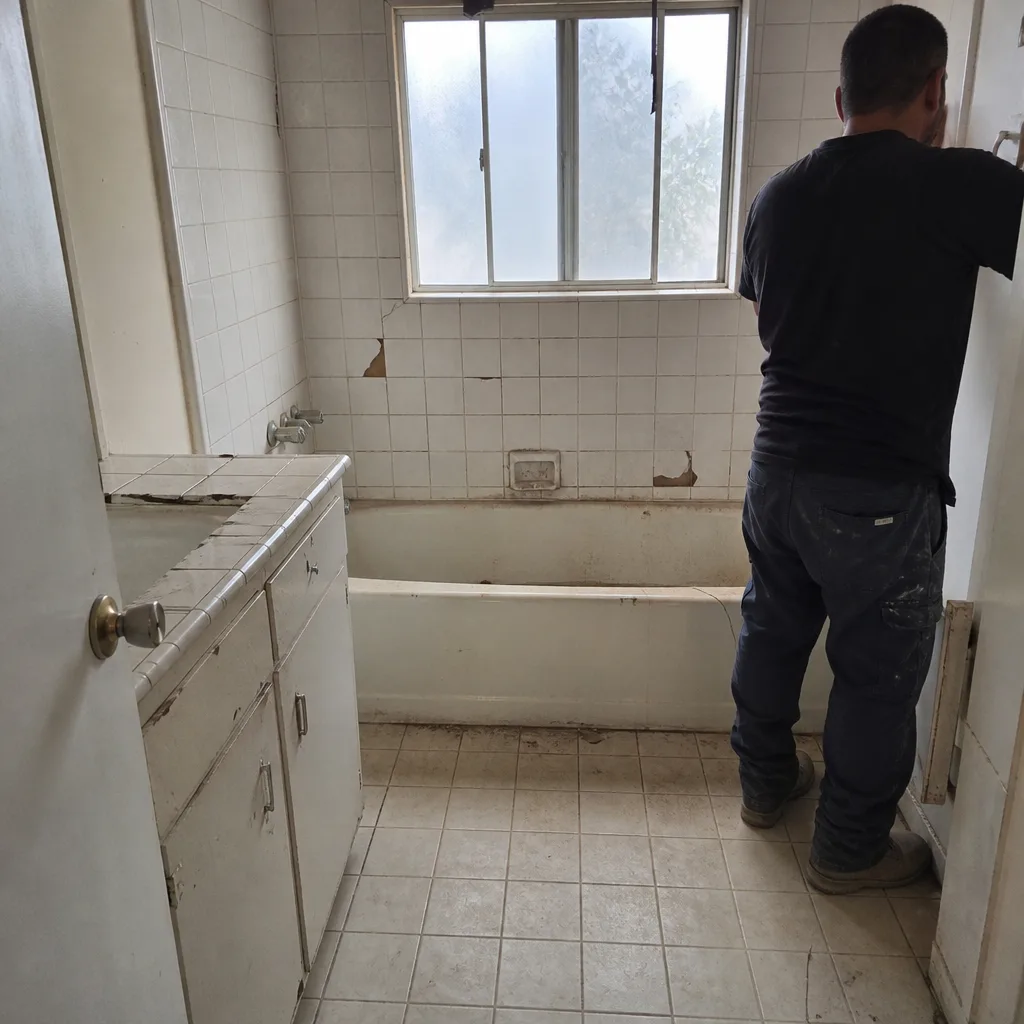 Before
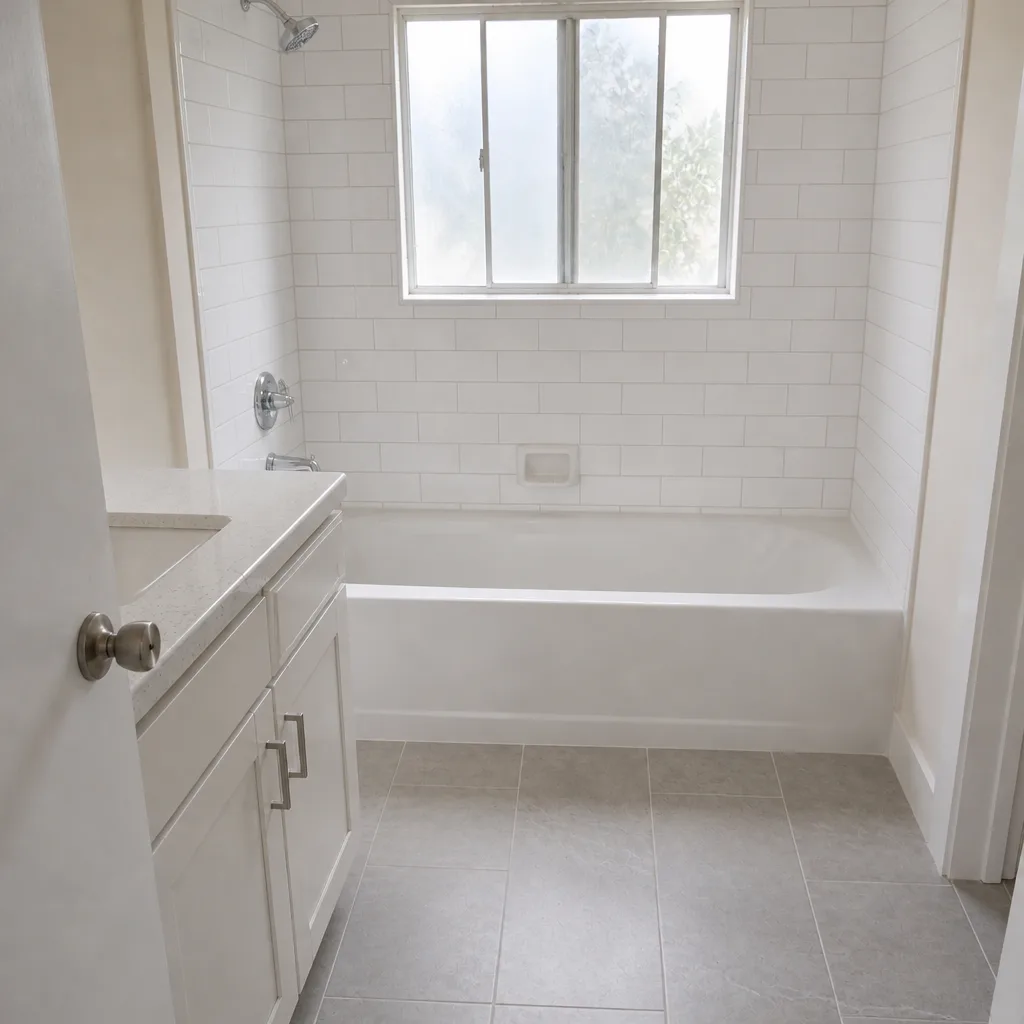 After
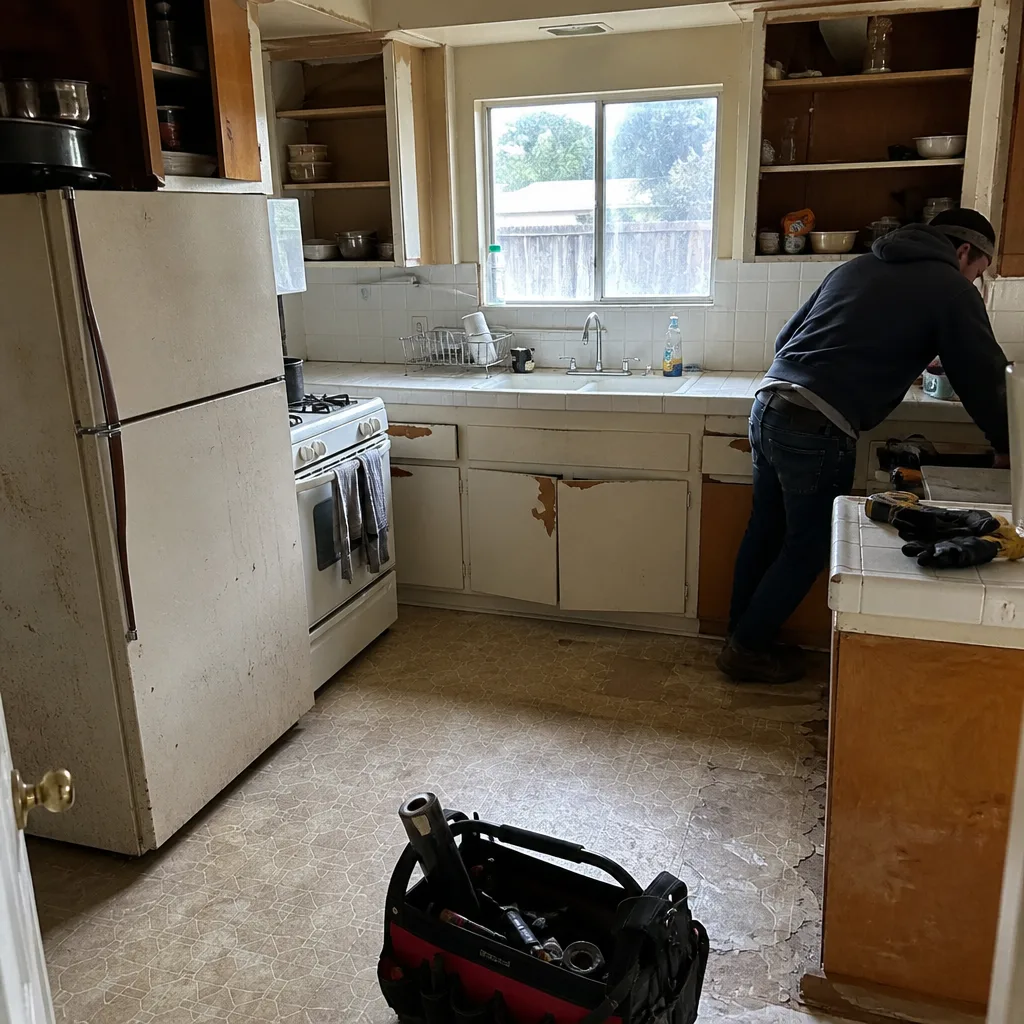 Before
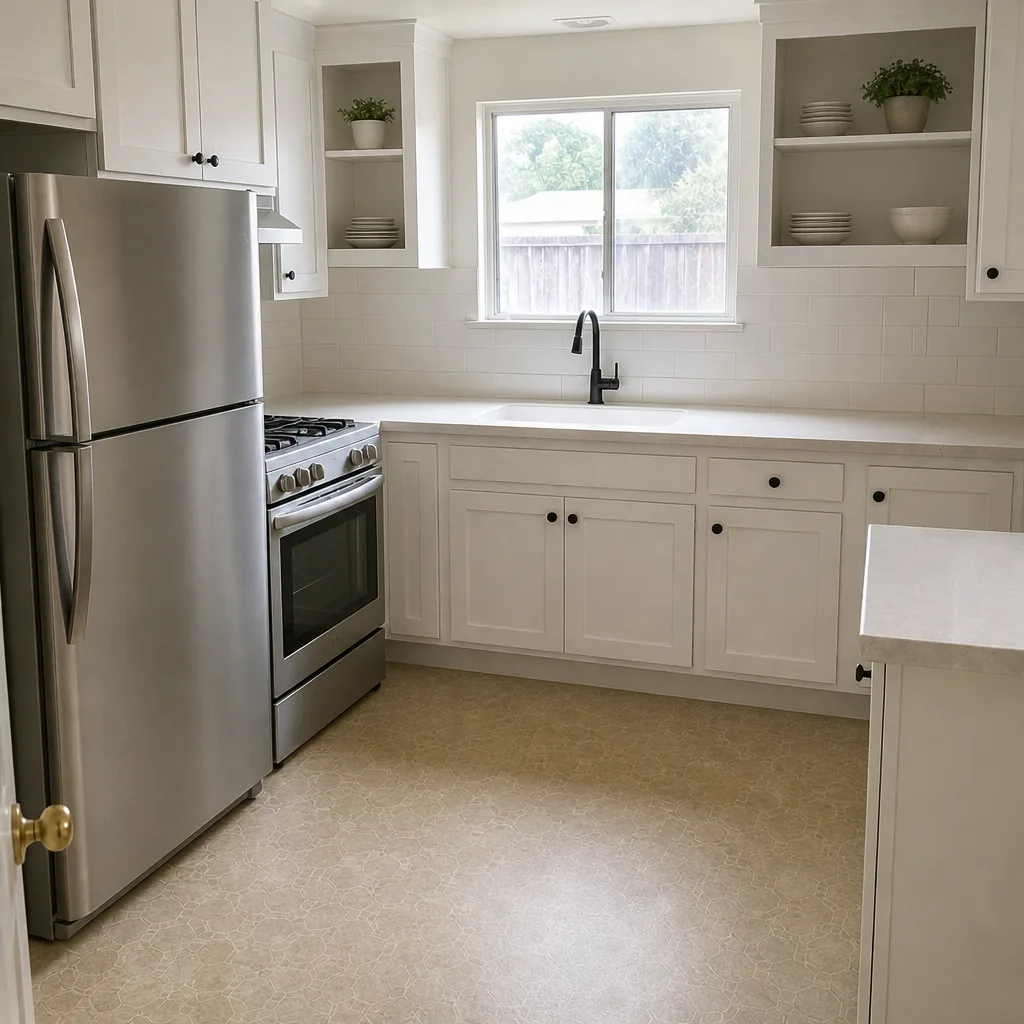 After
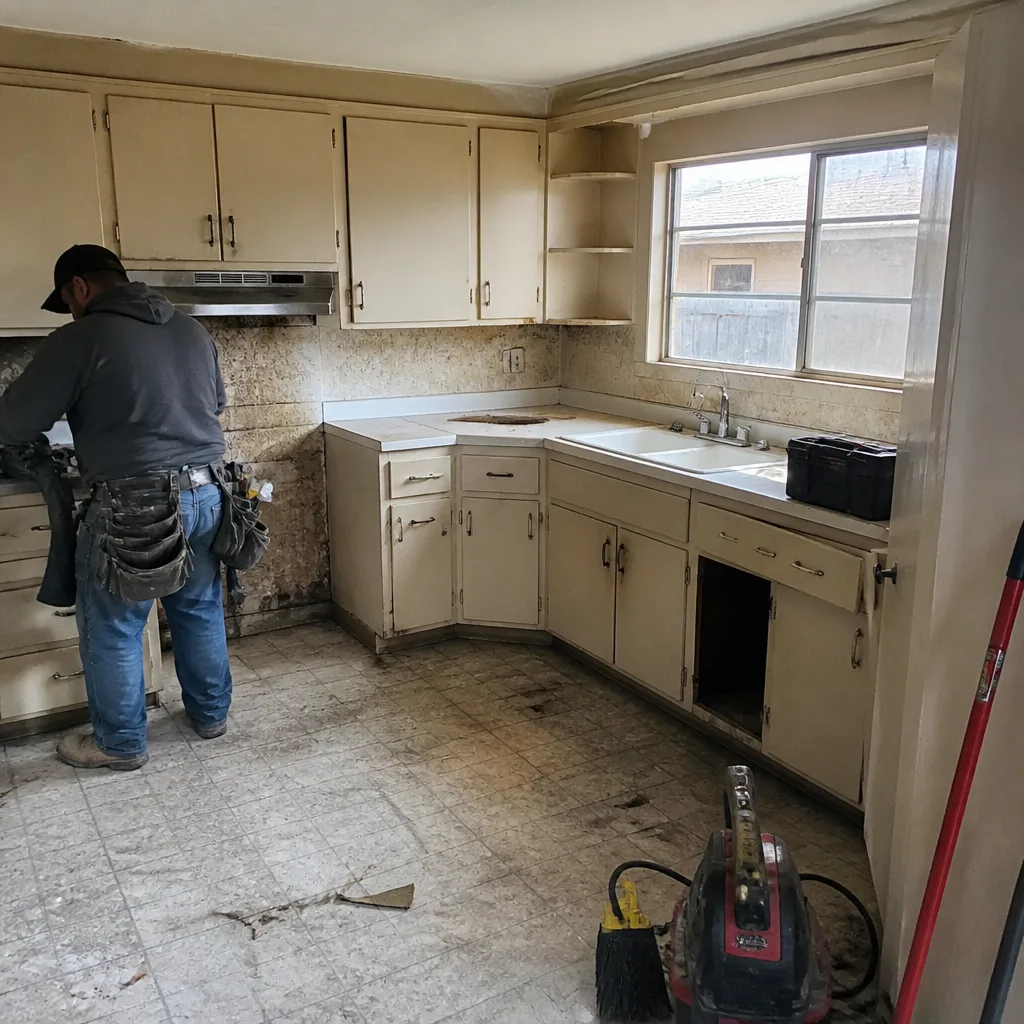 Before
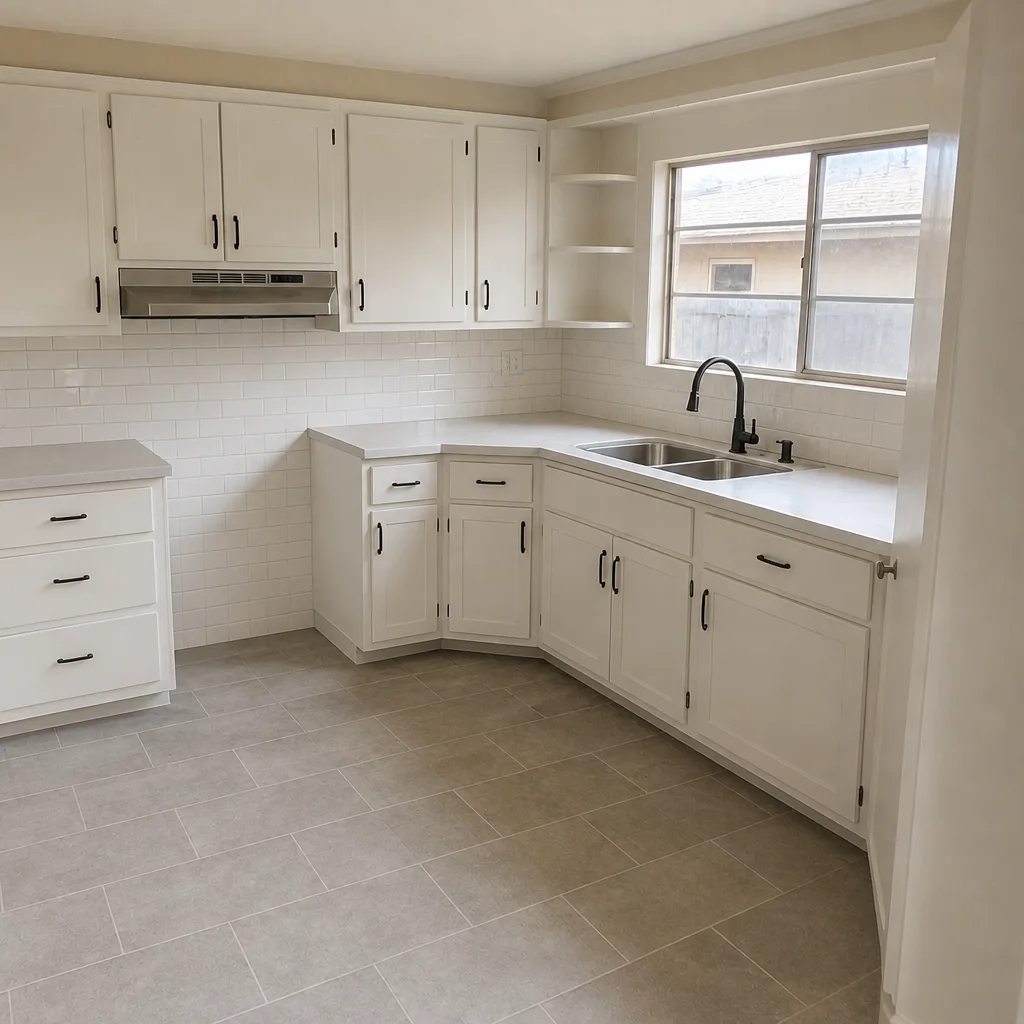 After
When to Call a Professional
Call a licensed professional the moment the scope touches structural framing, electrical service or branch circuits, gas lines, or the permit itself. That means any addition that changes the footprint of the main house, any ADU with a panel upgrade, any gas appliance install, and any foundation or roof tie-in. It also means any owner-builder plan you’re considering for resale within five years – the disclosure risk outweighs the savings. Rowan Construction Group Hayward offers free estimates in Hayward; call (866) 863-1729 and we’ll review your drawings, your permit path, and any written quote you already have line by line at no charge. If your project also touches exterior work, our Fence Installation in Hayward and Driveway & Pavers in Hayward pages cover the site-work side that ADU permits often pull in.
Frequently Asked Questions
Yes, California allows an owner-builder to pull permits for an ADU on their primary residence, but doing so triggers a five-year resale disclosure requirement that flags the property to buyers and their lenders. Most Hayward homeowners choose a hybrid contract with a general contractor holding the permit instead. Call (866) 863-1729 to compare both paths with a free written estimate.
Finish carpentry, interior painting, cabinet assembly, non-structural demolition with contractor sign-off, and landscaping restoration are all legal self-perform tasks under California law. Electrical panel work, gas line connection, structural framing modifications, and any roofing tie-in require a licensed professional. We hand owners a written self-perform scope so there’s no guessing.
A licensed 400-square-foot detached ADU in Hayward typically runs $45,000 – $72,000 depending on finish level and site conditions. The largest line items are foundation ($9,000 – $14,000), framing at $18 – $28 per square foot, and permit fees ($3,800 – $6,500). Call (866) 863-1729 for a written quote on your specific drawings – estimates are free and itemized.
It can reduce your appraised value because some lenders won’t count an owner-built ADU as legal gross living area, cutting $80,000 – $180,000 in resale value depending on buyer financing. The five-year disclosure requirement follows the property and is visible to every buyer during that window. A hybrid contract with a GC holding the permit avoids the issue entirely.
For any scope touching structural framing, electrical, plumbing, gas, or the permit itself, yes. For interior finish work performed while a general contractor holds the permit and provides the inspection photo record, you can self-perform as a documented independent party. That’s what makes a hybrid contract insurable and legally defensible.
Hayward requires building, electrical, plumbing, and mechanical permits for an ADU, plus separate stormwater and utility district documentation. Alameda County seismic ordinances may apply to homes built before the mid-1980s. The permit package typically runs $3,800 – $6,500 for a 400 SF detached ADU. We pull the permits and pass the inspections on every Hayward addition we build – the written price and permit path are documented before anyone picks up a tool.
The Bottom Line
The DIY-vs.-professional question for an ADU isn’t really about skill. It’s about permit exposure. California’s owner-builder path is legal, but the five-year resale disclosure tag follows the property and can cost more to remediate than the licensed job would have cost in the first place. The money you can safely save is real – $6,000 to $14,000 on finish painting, demo, cabinet work, and landscaping – if a licensed professional holds the permit and supervises the trade scope. That’s what a hybrid contract is for. Get the price written before work starts, get the change orders signed when anything shifts, keep the photo record. Under the Haven Standard, that’s how every Rowan job closes.
Written by the team at Rowan Construction Group Hayward.