Last updated November 18, 2026
Free written scope consultation - allowances, timeline, and change-order rules on paper before a single trade is scheduled
DIY vs Professional Driveway & Pavers: What’s Safe to Do Yourself
Every paver tutorial on YouTube skips the one number that decides whether a driveway lasts twenty years or cracks apart after its first wet winter: compaction density. It’s hard to film a plate compactor and harder to explain 95% Proctor density to a camera. But under-compacted base material under a vehicle load consolidates by 1 to 2 inches over the first rainy season, and that movement is enough to crack every fixed edge and open every joint in a paver field. This guide draws the real line between what a Hayward homeowner can safely take on and what will cost more to fix than to hire out.
Quick Answer
You can safely do paver repair, joint re-sanding, and sealing yourself. You should not build a new paver driveway base without a plate compactor, a soil test, and a way to verify compaction to 95% Proctor density. Patios under foot traffic can tolerate less; driveways carrying vehicle loads cannot, and Hayward’s expansive clay soil makes that gap wider, not narrower.
Styles & brands we work with
- Kitchen remodeling
- Bathroom remodeling
- Home additions & ADU
- Roofing
- Windows & doors
- Driveway & pavers
- Fence
Table of Contents
- Why a driveway is an engineering project and a patio isn’t
- What 95% Proctor density actually means
- The equipment math on DIY base work
- What’s genuinely safe to do yourself
- Permit exposure in Hayward
- How to audit a contractor’s compaction
- Common mistakes to avoid
- Frequently asked questions
Why a driveway is an engineering project and a patio isn’t
The difference between a driveway and a patio isn’t the pavers. It’s the load case. A 4-inch-thick paver patio carries people, patio furniture, maybe a grill. A driveway carries a 4,500-pound sedan or a 6,000-pound SUV, and it carries it on four contact patches about the size of your palm. That load transfers straight down through the paver, through the bedding sand, and into the base aggregate. If the base is loose, the load consolidates it one grain at a time until the pavers have nothing flat to sit on.
In Hayward, the soil under most driveways ranges from expansive clay in the flats to pockets of fill and gravel closer to the hills. Expansive clay swells when it’s wet and shrinks when it’s dry, which is why a driveway built on an under-compacted clay base doesn’t fail in July. It fails in February, after three months of rain, when the clay has moved enough to pop joints and settle the tire tracks into visible ruts.
We’ve walked driveways in Hayward where the pavers looked fine at the surface and the base underneath was a loose, uncompacted mix of sand and native soil no deeper than the sand bed. That’s a rebuild, not a repair. The pavers can be pulled and reused. The base cannot.
The engineering shorthand: patios are foot-traffic projects and driveways are vehicle projects, and the two need different base depths, different aggregate specs, and very different compaction verification. If your project carries a car, treat it like a structural project, because it is one.
What 95% Proctor density actually means
Proctor density is a laboratory standard for how densely a specific soil or aggregate can be packed when it’s at its ideal moisture content. A soil tech takes a sample of your base material, compacts it in a steel mold in the lab to see the maximum density that material can reach, and that maximum becomes the 100% reference number. “95% Proctor” means the base in your driveway has to be packed to 95% of that lab maximum, measured in the field.
Why 95% specifically? Because below that threshold, a crushed aggregate base still has enough void space to keep consolidating under repeated vehicle loads. Above it, the aggregate interlocks into a stable matrix that resists further movement. Here’s the number that matters for a Hayward driveway:
- Foot traffic (patio): 90% Proctor is typically considered acceptable.
- Vehicle traffic (driveway): 95% Proctor is the standard spec on residential paver driveways.
- Heavy or commercial traffic: 98% Proctor.
That 5% gap between patio and driveway sounds small. In mechanical terms it’s the difference between a base that stays put and a base that keeps settling after the pavers go down. The manufacturer specs from Belgard and Techo-Bloc both call out this density threshold in their installation guides, and both warn that a base below spec voids any product warranty. If your installer tells you they don’t know what Proctor density is, you’ve just found out how your base will be built.
You cannot judge compaction by eye or by feel. The only honest verification is a field density test: either a nuclear gauge test, which gives a reading in about a minute, or a sand cone test, which is slower but accurate and doesn’t involve a radiation source. A reputable contractor pulls these receipts on the base course before the pavers go down. Ask for them. If a contractor can’t produce one, the base spec was never verified.
The equipment math on DIY base work
Here’s where the DIY case usually falls apart, and it isn’t about skill. It’s about equipment. A hand tamper is a heavy steel plate on a pole. A motivated homeowner can produce maybe 60% to 70% of the density a plate compactor delivers on the same lift of aggregate, and that’s with perfect technique. That gap is the entire reason a DIY driveway base built with a rented hand tamper will consolidate over its first winter and crack every fixed edge.
Plate compactor rental in the Hayward area runs about $80 to $120 per day for a walk-behind unit, and a proper driveway base is built in 2-inch lifts. That means a 6-inch base gets compacted in three passes, and a 600-square-foot driveway takes most of a day with a walk-behind plate compactor and a helper. Here’s the math most DIY plans miss:
- Excavation (rented mini-excavator or hand-digging): $200 to $600 in rental plus disposal fees.
- Base aggregate delivered (Class II or crushed base): $500 to $1,200 depending on driveway size.
- Plate compactor rental for two days: $160 to $240.
- Bedding sand, pavers, edge restraint, and polymeric joint sand: $2,500 to $6,000 depending on paver selection.
- Mistakes, re-work, and the rebuild you’ll do in year two when the base fails: the entire project cost, again.
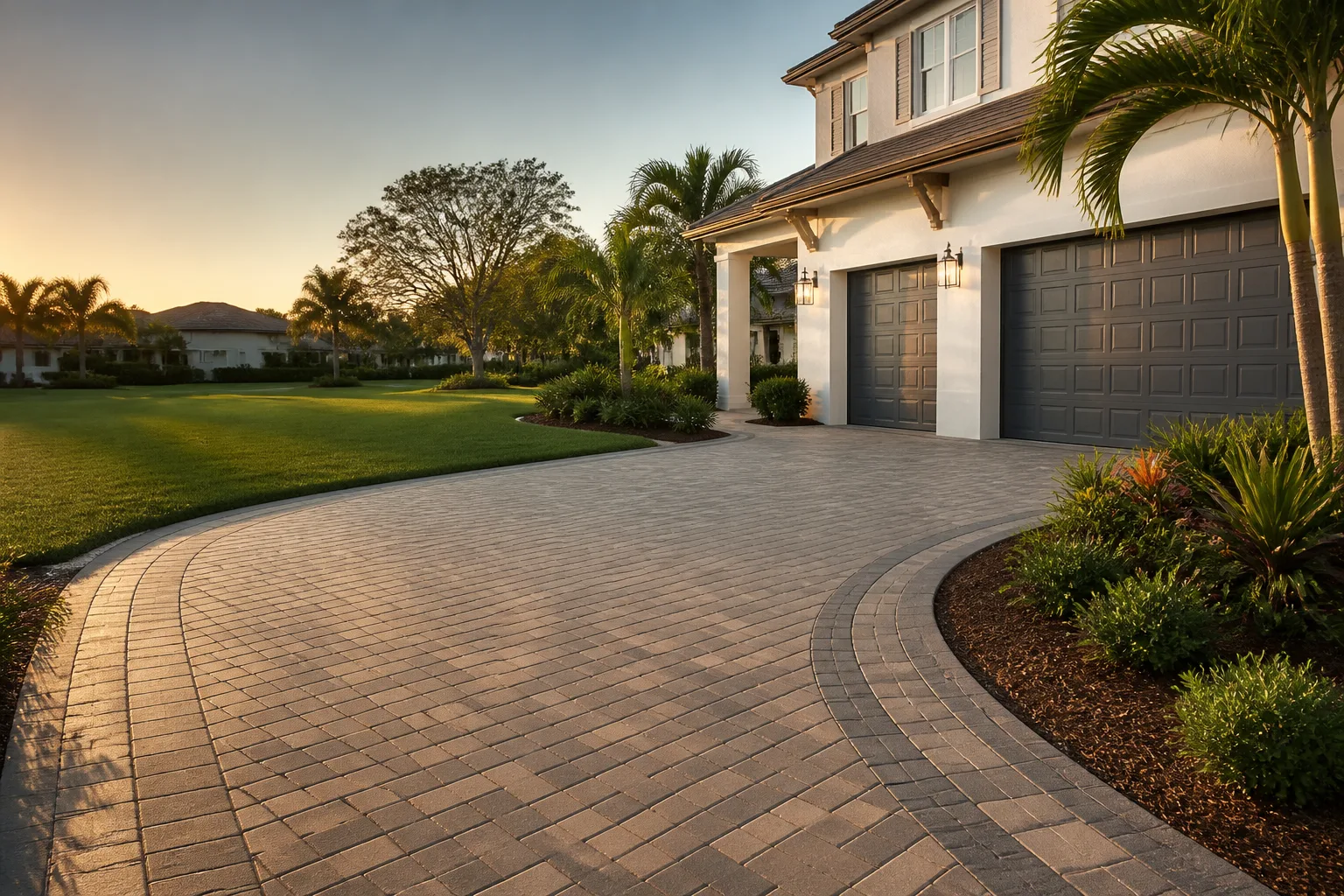
The equipment isn’t the expensive part. The rebuild is. When a DIY base consolidates, you’re not fixing the base – you’re pulling every paver, re-excavating, re-compacting under spec, and re-laying the field. That’s the cost of the original job plus 40%, and the pavers usually survive but the sand bed and edge restraint don’t. If that math sounds like it favors hiring out, it usually does. Our Driveway & Pavers in Hayward page covers what a properly built base looks like end to end, including the field density testing we pull before the pavers go down.
What’s genuinely safe to do yourself
There is a real DIY scope here, and it’s bigger than most people think. The line is repair and maintenance on an existing, correctly built paver surface. If your base was built right, the pavers and the surface are yours to maintain. If it wasn’t, no amount of surface work will fix the movement underneath.
Safe DIY tasks:
- Replacing individual paver units: a cracked or chipped paver can be pried out with two flat bars, and a single matching unit can be set back on a thin sand bed and tapped flush with a rubber mallet. Ten minutes of work.
- Re-sanding joints under 150 square feet: sweep polymeric joint sand into the joints, mist with water, and let it cure. Quarter-inch joints on a small patio or an entry landing are a legitimate weekend job.
- Applying sealer: a water-based or solvent-based paver sealer rolled on with a low-nap roller. Two coats, dry time per the manufacturer’s label, and no special training required.
- Pulling weeds and re-sanding a settled joint: spot repair, especially in the first two seasons.
- Pressure-washing the surface: at low pressure with a fan tip, no higher than 1,500 psi, which is enough to clean and not enough to loosen the joint sand.
Not safe DIY (or physically unrealistic for a homeowner): new base construction, excavation, base depth specification, compacting to Proctor density, laying a paver field more than a few hundred square feet, and any installation over a soil type you haven’t tested. When the driveway is new, the engineering is the project.
One more job that belongs on the “call us” list: any situation where a paver field is moving. If entire runs of pavers are heaving at the edges or settling into tire tracks, the surface isn’t the problem – the base is, and the fix is not surface work. Our Rowan Construction Group Hayward home page has the seven trades we run under The Haven Standard if you want to see how we structure a driveway job from the base up.
Permit exposure in Hayward
Hayward’s Building Division requires a permit for driveway construction or replacement over 500 square feet, and for any project that adds impervious surface to a lot. That second clause catches more homeowners than the first. A new paver driveway, a widened driveway apron, or a new driveway where there was previously gravel or lawn all count as added impervious surface.
The permit requirement exists because driveways affect stormwater runoff. Hayward’s storm drain system is sized for the lot’s existing impervious coverage, and a new 800-square-foot paver driveway that sends more water into the street changes the calculation. The permit process typically requires a site plan showing dimensions, drainage direction, and how runoff is handled.
Unpermitted driveway work becomes a resale problem. Most title companies will flag it during a sale, and the city can require demolition and reinstallation at the buyer’s or seller’s expense. Two things to know before you dig:
- Measure the project. A driveway under 500 square feet that replaces existing driveway surface may not need a permit. One that adds impervious surface does, regardless of size.
- Call Hayward’s Building Division before you start. The cost of a permit and an inspection is small compared to the cost of tearing out a finished driveway because it was built without one.
Permits and inspections are a standard part of what we pull on Hayward driveway jobs, and they’re part of the written scope before anyone picks up a shovel. If a contractor offers to skip the permit to “save you money,” ask yourself what else they’re skipping.
How to audit a contractor’s compaction
Any homeowner can verify this in about five questions. The point isn’t to catch a contractor out; it’s to confirm the base spec was actually met before the pavers went down, because no one can see the base once it’s covered. A contractor who builds correctly will have the receipts on file and be happy to share them.
The audit questions:
- “What Proctor density do you spec for the base, and how do you verify it?” The right answer is 95% and either a nuclear gauge or sand cone test. “We compact it thoroughly” is not a spec.
- “Can I see a compaction test receipt from a recent driveway job?” A reputable contractor will have these. They’ll also show you the base depth on the receipt, which should be 4 to 6 inches of compacted aggregate under a residential driveway.
- “What aggregate do you use for the base?” Class II crushed base or the manufactured paver base specified by the paver manufacturer. Crushed gravel and native fill are red flags.
- “How deep is the base, and how is it drained?” Residential driveways typically run 4 to 6 inches of compacted base, with the base graded away from the garage or house at roughly a 1% to 2% slope.
- “Will a compaction test receipt be in my final documentation?” If the answer is yes, the base spec is being verified. If it’s no, walk away – or ask why.
Two more questions that catch the honest outfits versus the ones that cut corners: what soil test was run before the base depth was specified, and what the written warranty covers. Our crews are background-checked and uniformed, and every visit includes a documented photo record as a standard deliverable, so the compaction test receipt and the base depth photos are part of what you keep. Under Clause 1 of The Haven Standard, the price is written before anyone starts – and a written price is only as honest as the base spec behind it.
Common Mistakes to Avoid
- Trusting a hand tamper for base compaction. A hand tamper delivers 60% to 70% of a plate compactor’s density at best, and that gap is exactly what fails in the first wet winter. Rent a plate compactor or hire the compaction out – a driveway base isn’t a hand-tamper project.
- Skipping the soil test in Hayward clay. Expansive clay needs a different base depth and a different aggregate spec than sandy or gravelly soil. Laying the same 4-inch base on both is how driveways fail in neighborhoods like the Hayward flats that sit on heavy clay.
- Building a patio spec under a driveway. Patios are 90% Proctor; driveways are 95%. A paver spec lifted from a patio installation guide and applied to a driveway is the single most common base failure we see on Hayward rebuilds.
- Adding impervious surface without a permit. Hayward’s Building Division requires a permit for driveways over 500 square feet and for any project that adds impervious coverage, and unpermitted work can require demolition on resale.
- Sealing a driveway before the base has settled. New pavers need a season to settle into the base before a sealer locks the joints. Sealing too early traps moisture in joints that haven’t fully compacted and hides the early warning signs of base movement.
- Ignoring joint sand erosion. Polymeric joint sand that has washed out lets pavers shift under load. Re-sanding under 150 square feet is a maintenance job, not a repair – do it before the pavers start rocking.
- Choosing pavers by color before the base spec. Belgard and Techo-Bloc pavers are both good products, but a premium paver on a bad base is a warranty you paid for and a driveway you’ll rebuild. Choose the base spec first, then the paver.
See the difference
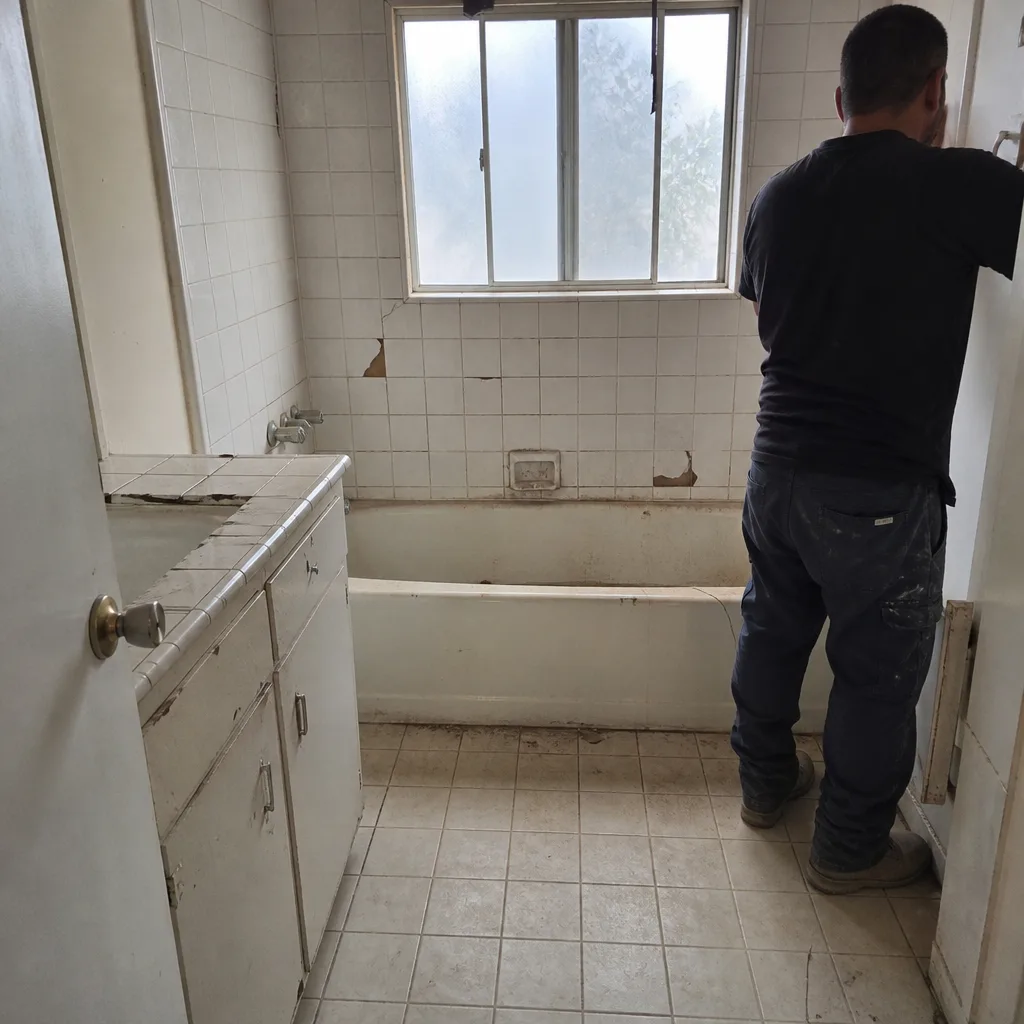 Before
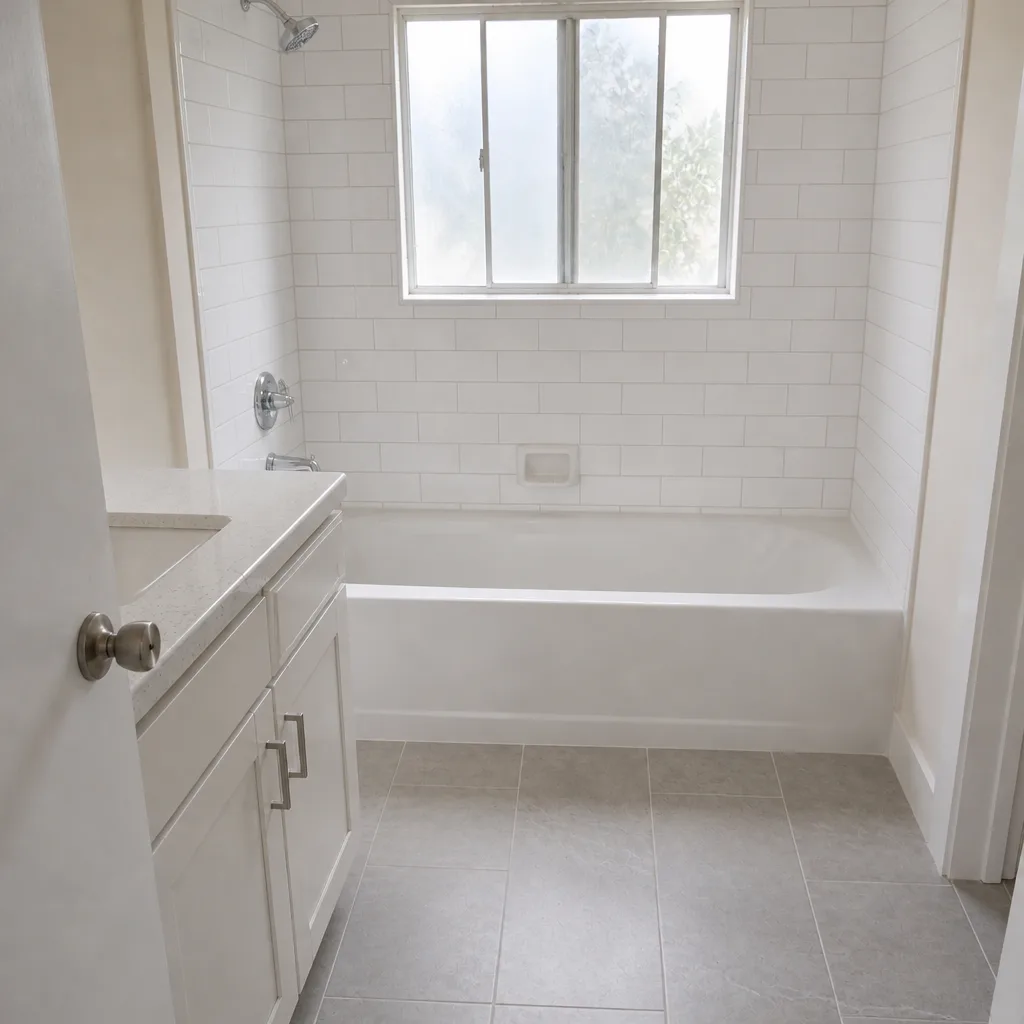 After
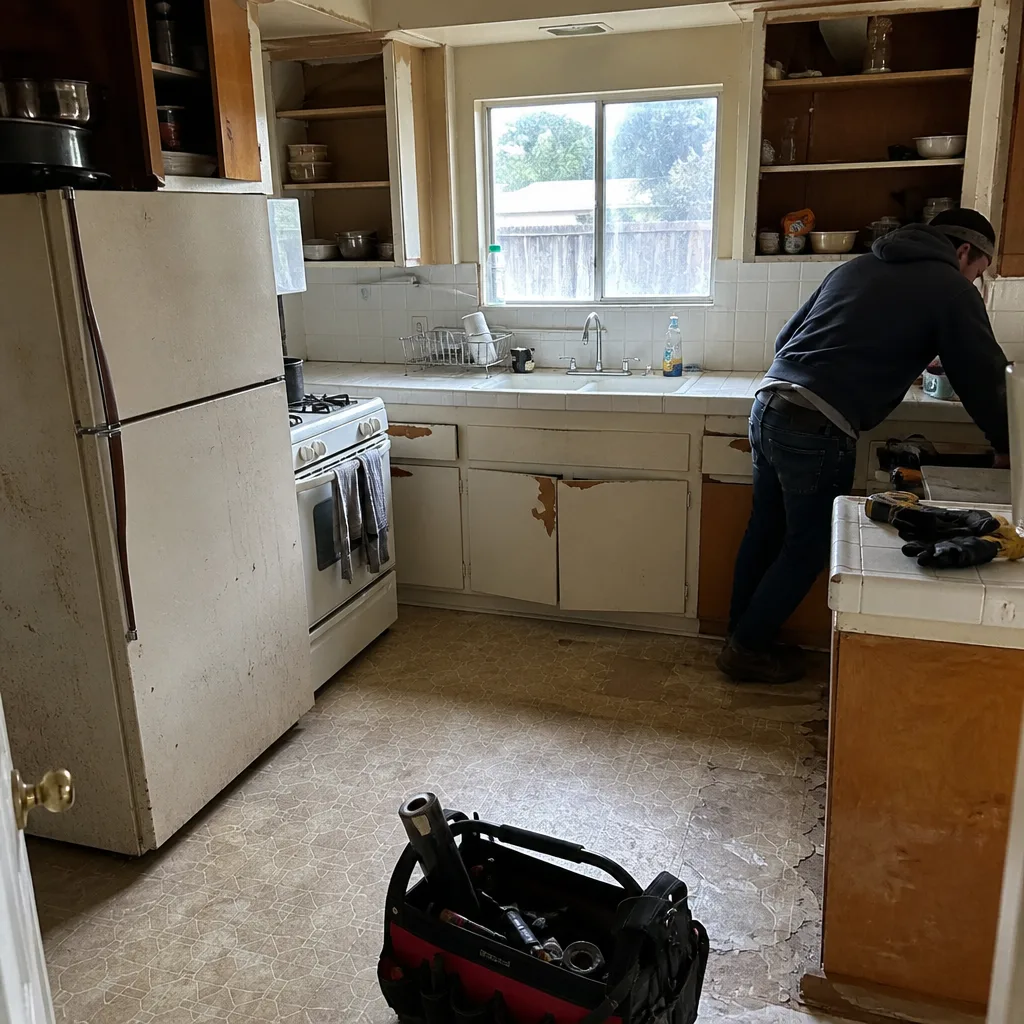 Before
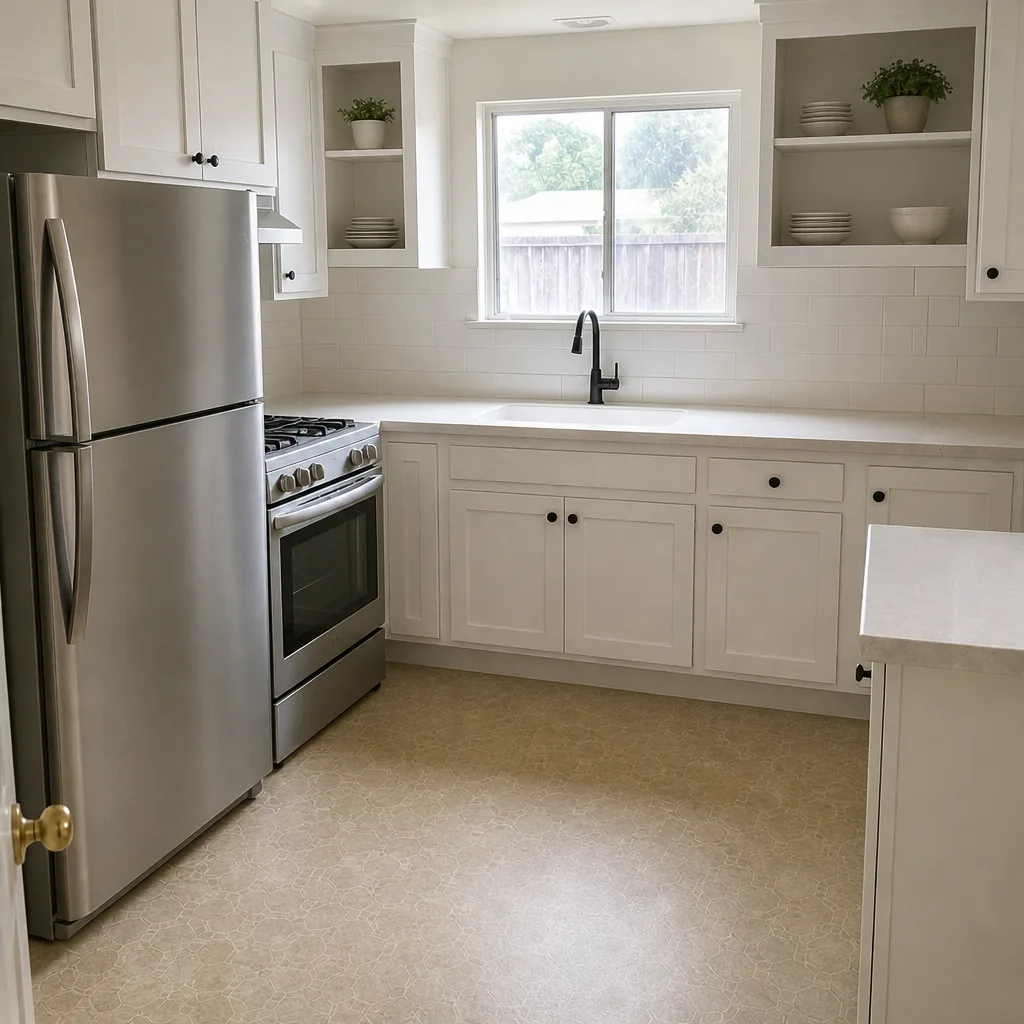 After
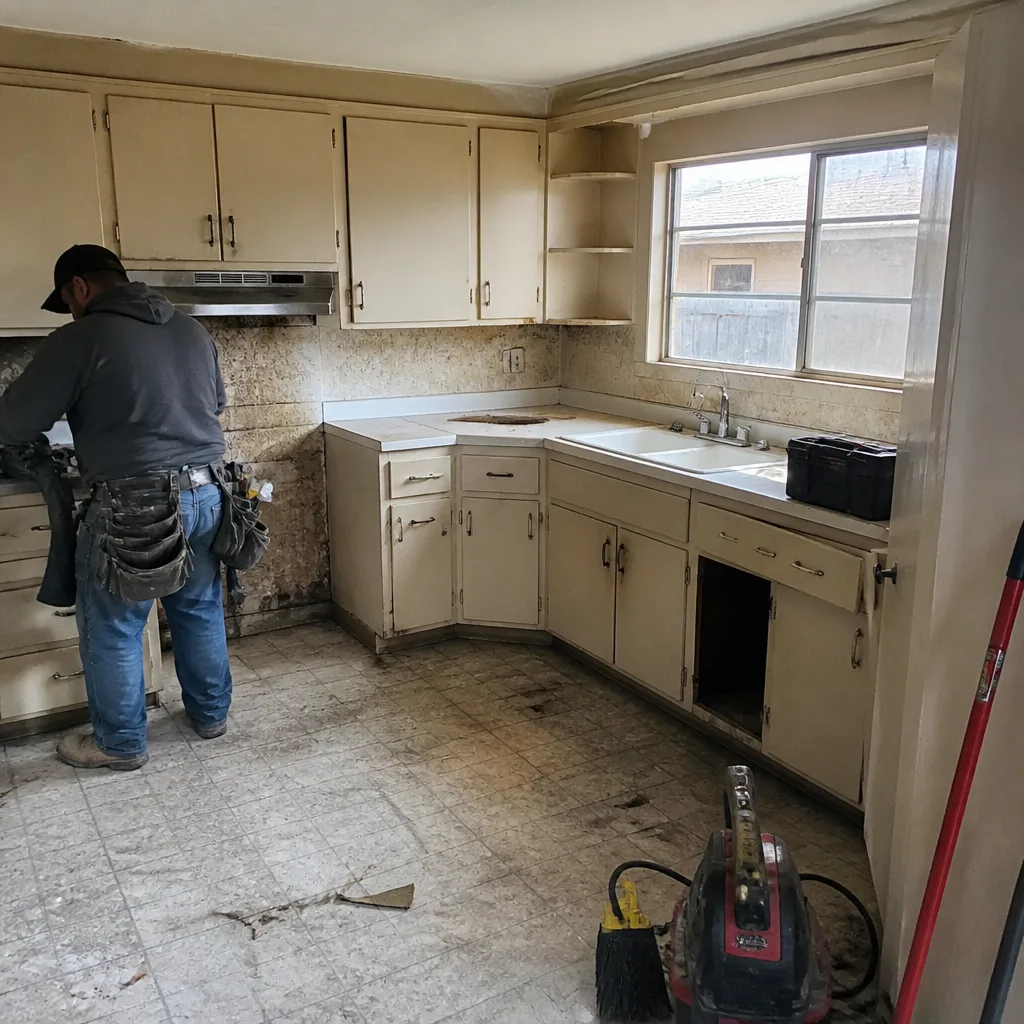 Before
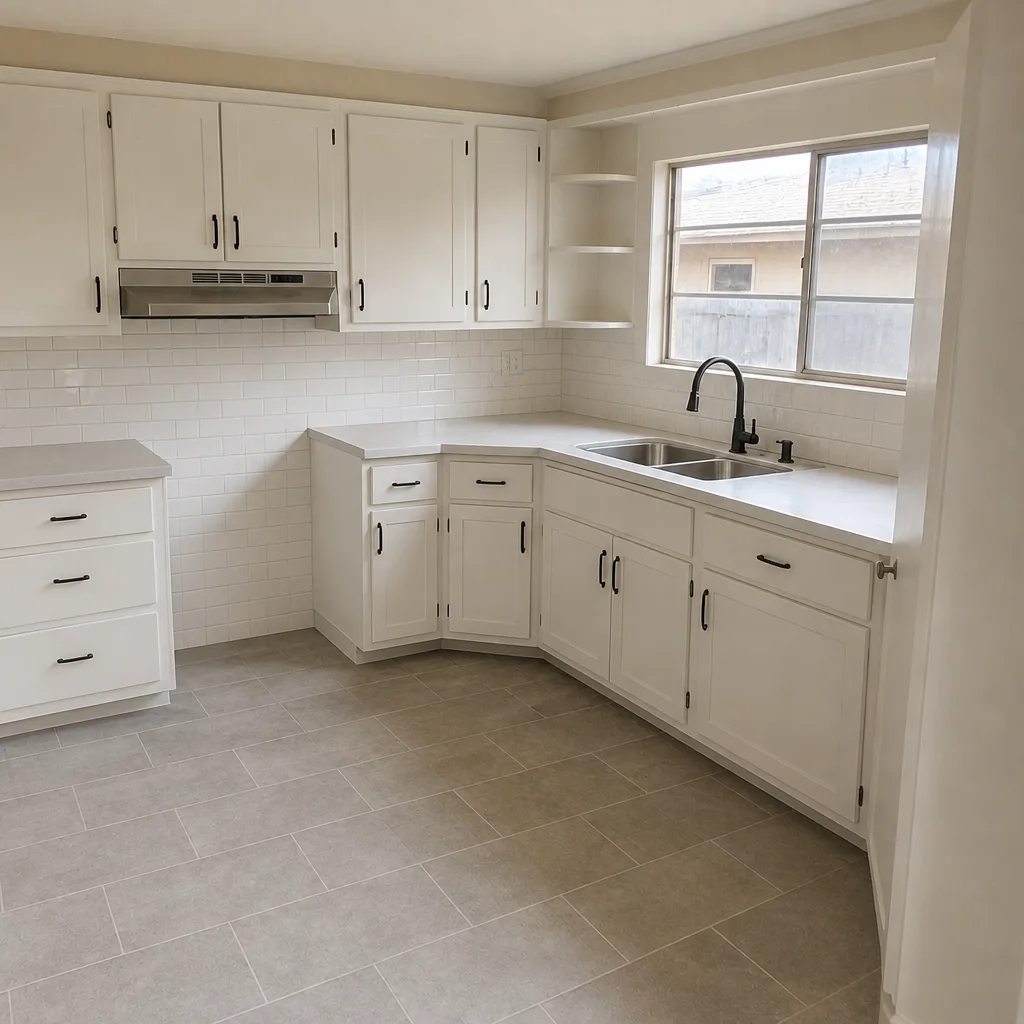 After
When to Call a Professional
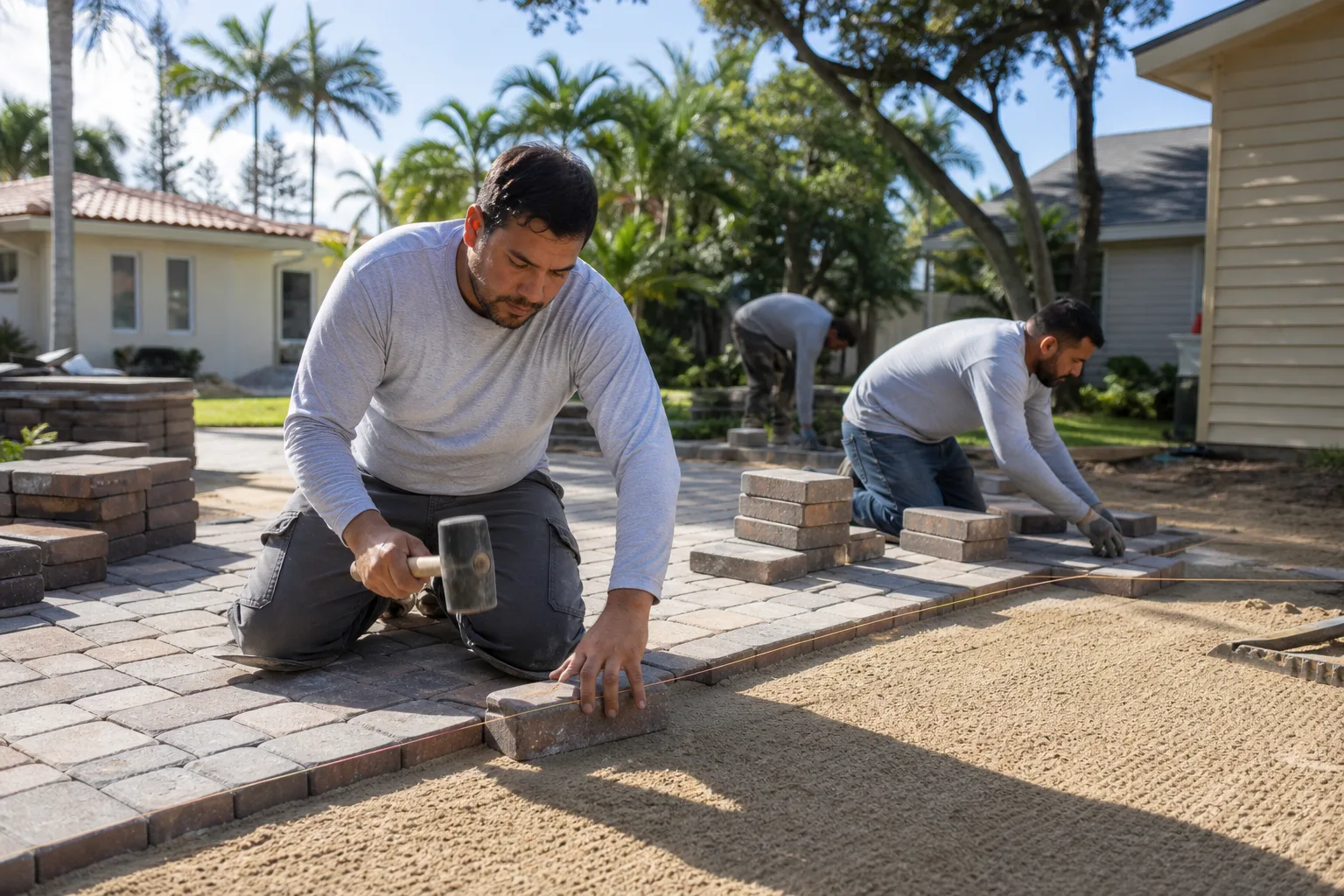
Call a professional if the driveway is new, if the pavers are moving or heaving, if the base depth has to be rebuilt, or if the project is anywhere near a vehicle axle load. That’s the whole list – and it covers most Hayward paver driveways, honestly. The DIY scope is real, but it’s repair, not new build.
A written estimate from a contractor who specifies compaction, shows test receipts, and pulls the permits is not just a cost; it’s a verification trail. If you’re collecting quotes, Rowan Construction Group Hayward offers a free second opinion on any written estimate – bring a competitor’s quote and we’ll review it line by line, including the base spec, at no charge. If the quote is solid, we’ll tell you. If it’s missing the Proctor spec, you’ll know before you sign. Call (866) 863-1729 for a free estimate in Hayward.
Frequently Asked Questions
You can install the pavers over a properly prepared base, but you should not build the base without a plate compactor, a soil test, and a way to verify 95% Proctor density. Hayward’s expansive clay soil makes the base the critical variable, and a base built by hand without a density test will consolidate and fail in the first wet season. Call (866) 863-1729 if you want the base spec verified before you commit to a DIY install.
It means the base aggregate has been compacted to 95% of the maximum density that material can reach in a lab test. Below that threshold, a driveway base keeps settling under vehicle loads; above it, the aggregate locks into place. Foot-traffic patios can use 90% Proctor, but driveways need 95% to stay stable. Call (866) 863-1729 for an exact quote on base work – estimates are free.
Yes. A hand tamper delivers roughly 60% to 70% of the density a plate compactor produces, and the gap is what causes a base to consolidate by 1 to 2 inches over the first winter. Plate compactor rental in the Hayward area runs $80 to $120 per day, which is the cheapest insurance you’ll buy on a driveway project. Call (866) 863-1729 to talk through base compaction for your specific soil.
You do if the driveway is over 500 square feet, or if the project adds impervious surface to your lot. Hayward’s Building Division requires a permit in both cases, and unpermitted work can require demolition on resale. Pull the permit before the excavation starts. Call (866) 863-1729 if you want to review the permit scope for your project.
Replacing individual cracked or chipped pavers, re-sanding joints under 150 square feet with polymeric joint sand, applying sealer, and low-pressure washing at 1,500 psi or less. These are maintenance jobs with no base engineering involved, and they protect the investment without touching the structural system. Call (866) 863-1729 if the pavers are moving or heaving – that’s a base problem, not a surface one.
Not on a properly written estimate. Under Clause 1 of The Haven Standard, the price is written before anyone starts, and no change proceeds until a change order is signed. That’s the discipline that has kept Rowan’s projects within a few percent of the agreed cost across 4,000-plus jobs. Call (866) 863-1729 for a written estimate – it’s a flat price with a written scope and a written warranty, not a “call for a quote.”
The Bottom Line
The DIY line on a paver driveway isn’t skill level – it’s compaction equipment and soil type. You can safely replace pavers, re-sand joints under 150 square feet, and seal the surface. You cannot safely build a new driveway base in Hayward clay without a plate compactor, a soil test, and a verified 95% Proctor density reading, and a hand tamper will cost you a rebuild you didn’t budget for. When you’re pricing the job, ask for compaction test receipts, ask for the base spec in writing, and ask about the permit. That’s how you tell an honest quote from a cheap one. Our Fence Installation in Hayward team runs the same base-spec discipline on fence posts, and our Home Additions & ADU in Hayward crew applies it to structural work, which tells you what you’re getting when you call.
Call (866) 863-1729 for a free estimate in Hayward. A written price comes before any work starts, every time.
Written by the team at Rowan Construction Group Hayward.