Last updated November 18, 2026
Free written scope consultation - allowances, timeline, and change-order rules on paper before a single trade is scheduled
Choosing the Right Construction Brand: A Buyer’s Guide for Hayward
A fastener rated for Florida humidity can still fail within a mile of San Francisco Bay. That’s not a sales line; it’s a specification problem. Hayward’s western edge sits in the marine layer’s corrosion zone, where salt air moves inland on the afternoon wind and settles on flashing, connectors, and the underside of every roof deck. Most buyers pick construction brands the way they pick paint colors – by what looks good in a showroom. The right brand for a Hayward project is a specification decision, not a preference one, and it depends on corrosion ratings, California code compliance, and what East Bay distributors can actually deliver on schedule. This guide shows you how to evaluate brands on those terms, so the names on your bid mean something you can check.
Quick Answer
The best construction material brands for a Hayward project are the ones that meet California-specific code (Title 24 energy compliance, Class A fire-rated roofing, low-VOC coatings), carry corrosion ratings appropriate to Bay Area salt exposure, and are stocked by East Bay distributors who can hold your schedule. Brand reputation matters less than documentation you can verify: compliance certificates, ASTM and ICC designations, and written warranty terms. A bid that names brand, product line, and specification number – not just a logo – is the one worth signing.
Styles & brands we work with
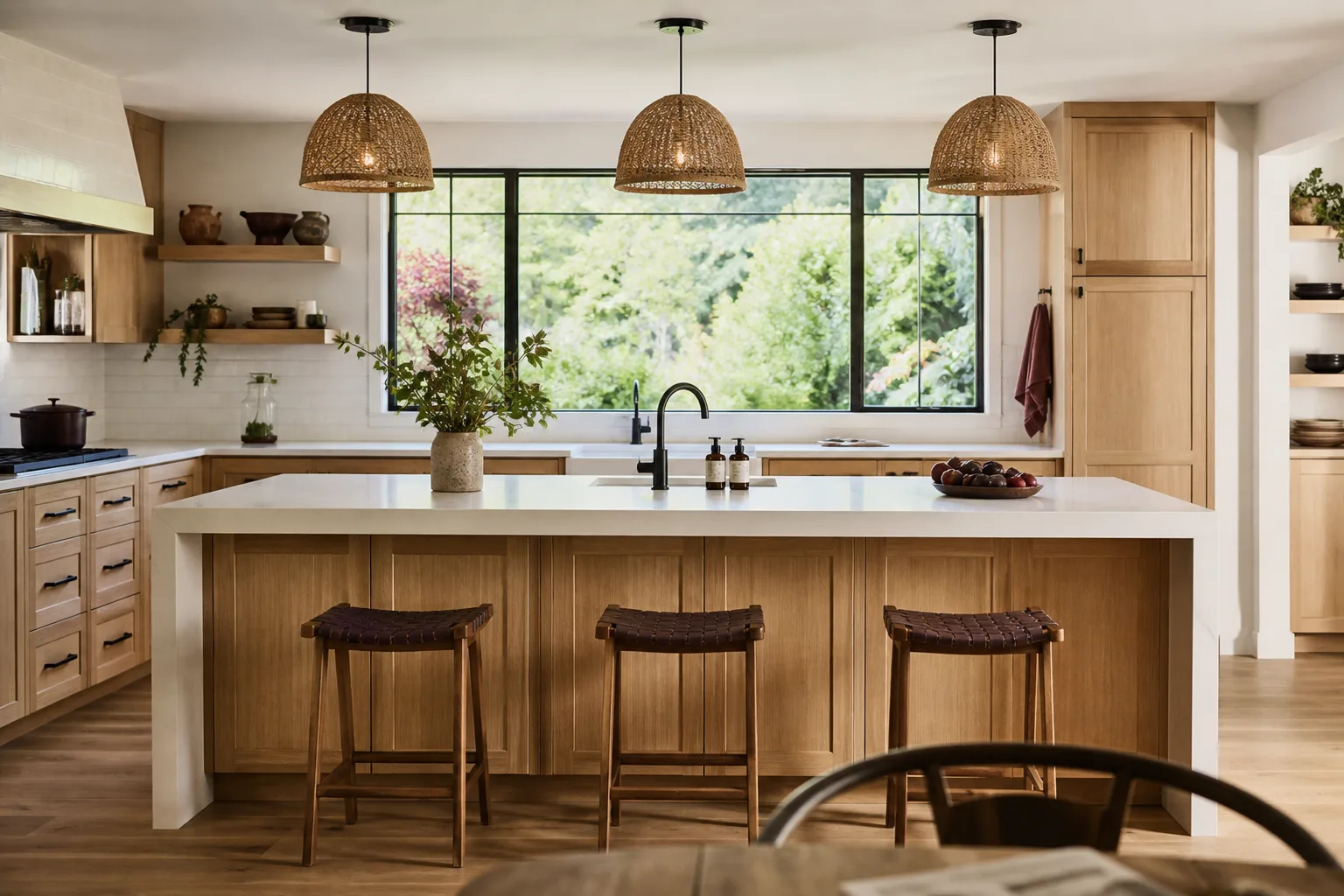
- Kitchen remodeling
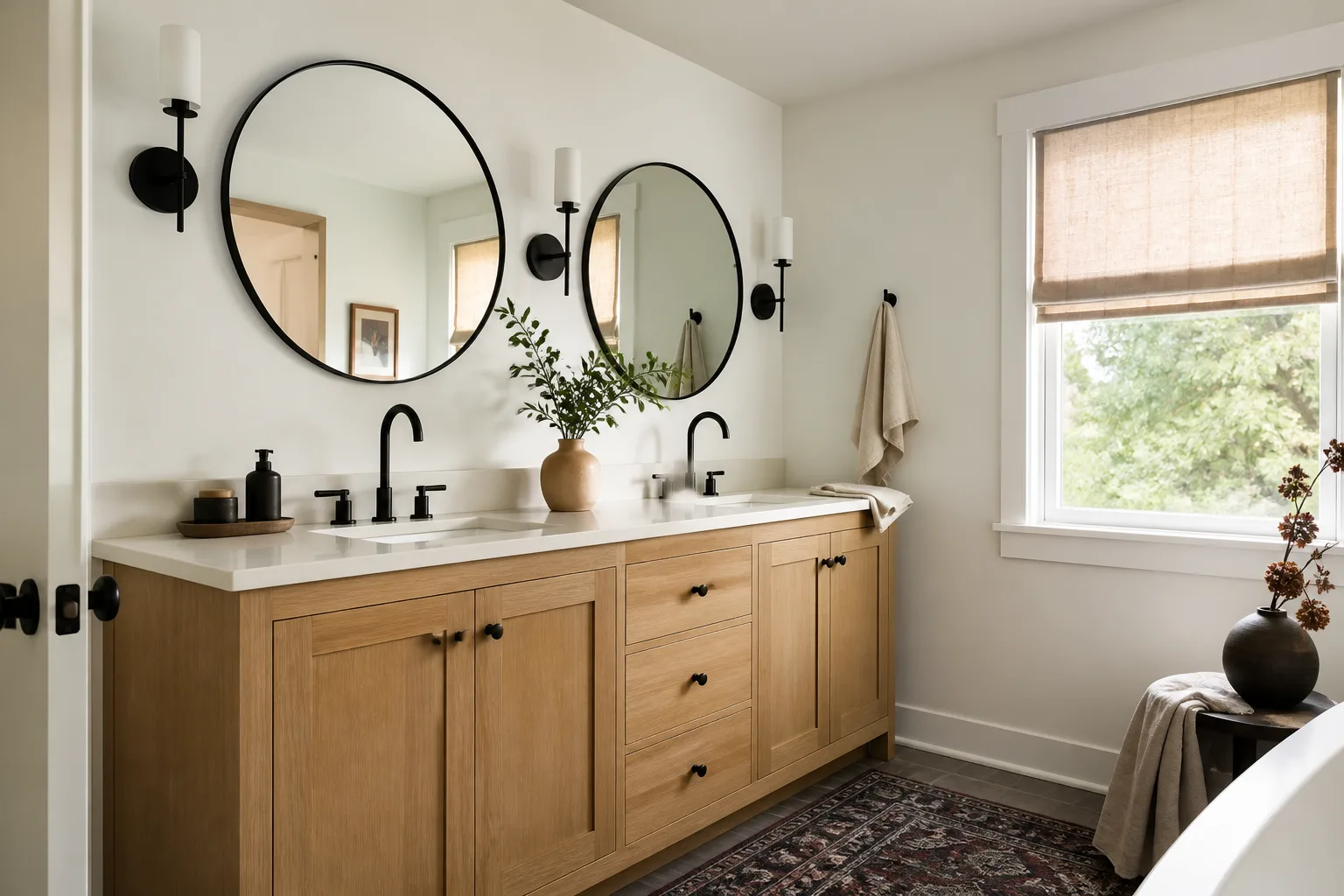
- Bathroom remodeling
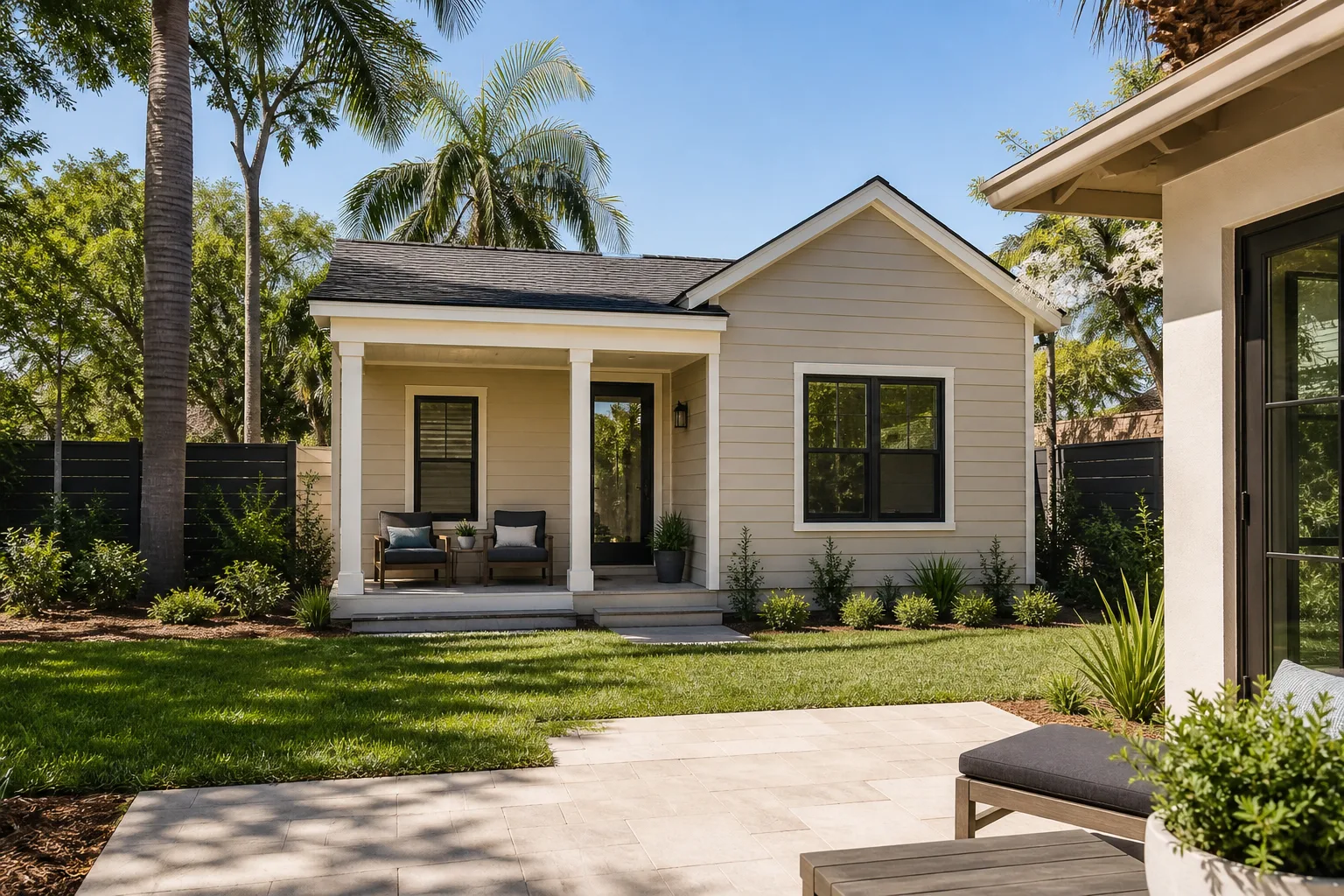
- Home additions & ADU
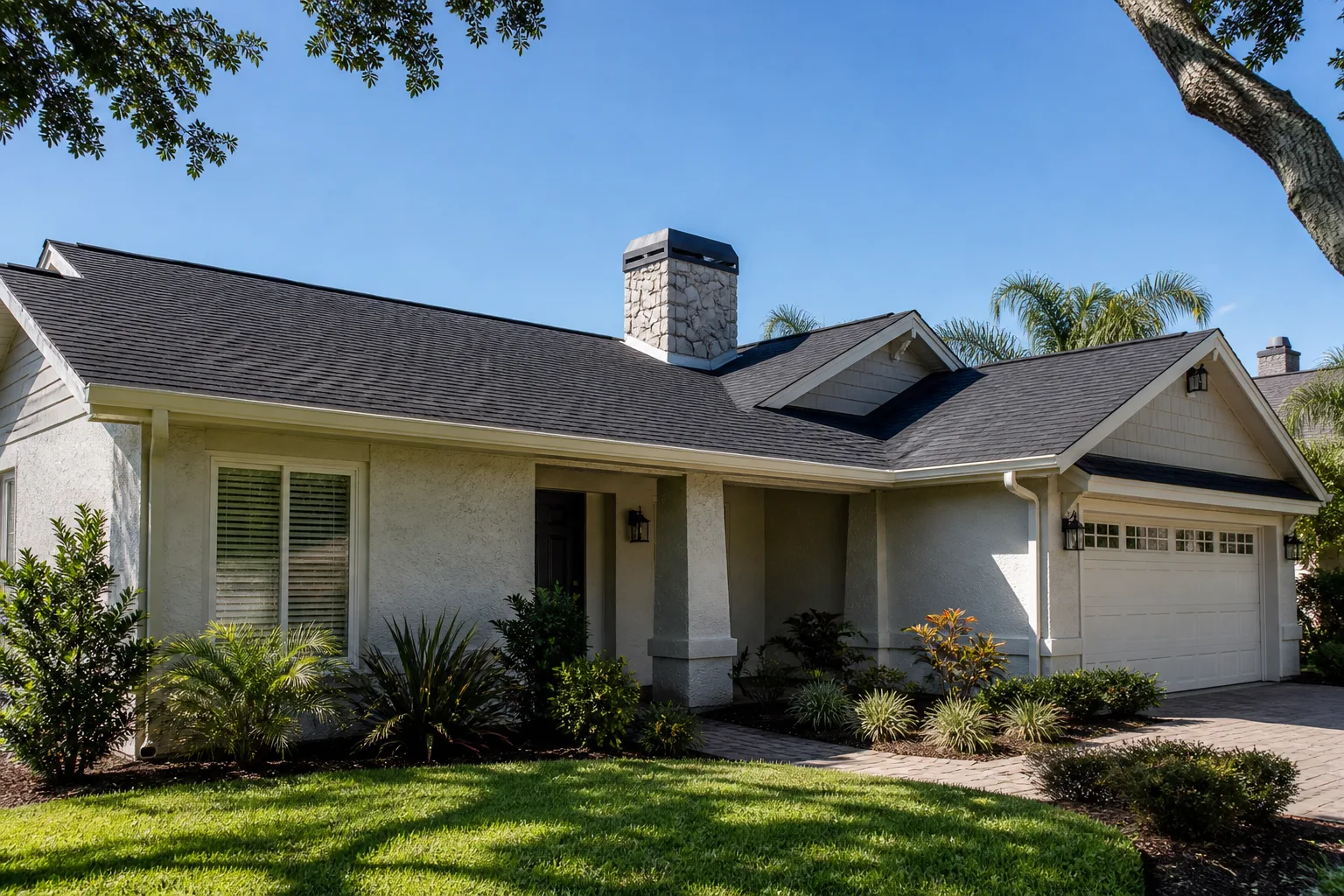
- Roofing
- Windows & doors
- Driveway & pavers
- Fence
Table of Contents
- Which material categories require California-specific certifications?
- Corrosion ratings for Hayward’s marine layer
- Local distributor availability and lead times in the East Bay
- Reading a manufacturer warranty for what it actually covers
- How specifications should appear in a Hayward bid
- What “or equal” language means for quality control
- Common mistakes to avoid
- Frequently asked questions
Which material categories require California-specific certifications?
California regulates more of the building envelope than most buyers realize, and a brand that’s legal in Nevada can be non-compliant in Hayward. Before you specify any brand, ask for documentation on these categories:
- Roofing: Roof coverings on most Hayward homes need a Class A fire rating under California Building Code requirements for wildland-urban interface areas. GAF’s Timberline line carries the rating – but you should see the certificate, not the brochure.
- Windows and doors: Replacement windows must meet Title 24 energy performance requirements, measured by U-factor and solar heat gain coefficient. Every compliant brand publishes a Certified Product Directory listing.
- Coatings and sealants: Low-VOC requirements under CARB and the South Coast Air Quality Management District apply to products sold in California. A brand without a current VOC compliance sheet is a brand that didn’t do its paperwork.
- Insulation and framing: Title 24 prescriptive requirements govern R-values and continuous insulation; brand selection comes second to spec performance.
- Plumbing fixtures: Maximum flow rates are set by California Energy Commission rules. Grohe and similar brands publish California-compliant product lines; not every model qualifies.
How to verify compliance in five minutes: pull the brand’s product data sheet from its website, check for a California code reference on the sheet (not just a national one), and confirm the certificate’s issue date is current. A manufacturer that can produce the certificate on request is one that expects to be checked. That’s the behavior you want behind the name.
Corrosion ratings for Hayward’s marine layer
Hayward’s western neighborhoods – the flats closer to the bay, the areas where the afternoon fog lingers – see salt deposition that inland contractors underestimate. The fastener that’s fine in Sacramento can pit within a few winters near the shoreline. Specification here runs on two designations:
- ASTM A653 G90 or better for galvanized steel. The “G” number is the zinc coating weight per square foot. G90 delivers roughly 0.90 ounces per square foot; G185 roughly double that. Within a mile or two of the bay, spec G185 for connectors, hangers, and any metal that will see weather.
- ASTM A193 or A320 stainless for exposed fasteners near the water. Stainless costs more per box and outlasts galvanized by decades in salt air. For deck screws, railing anchors, and anything on a coastal-facing elevation, the upgrade is worth it.
- ICC-ES evaluation reports for flashing and membranes. Every flashing product should carry an ICC Evaluation Service report number. That’s how you know it was tested to the standard it claims, not just labeled “premium.”
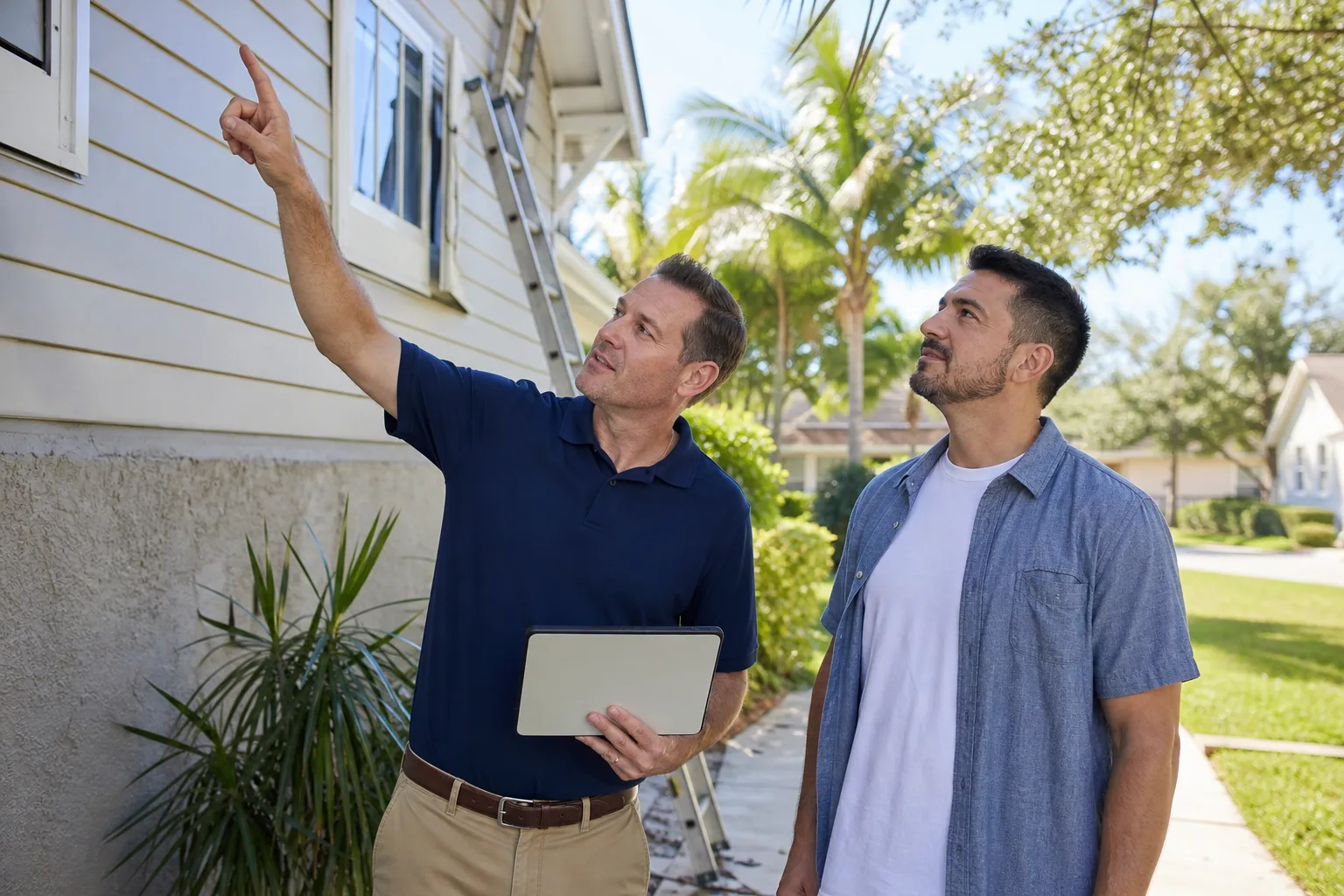
One practical check: look at the existing flashing on your home’s windward side. If you see white chalky residue or orange staining at the fasteners, the previous installation was underspecified for Hayward’s conditions. That’s information worth bringing to the bid conversation, and any experienced crew should recognize it on a walkthrough. Our technicians have up to 19 years of experience with Bay Area material performance, and we’ve watched underspecified hardware fail on schedules nobody expected.
Local distributor availability and lead times in the East Bay
A brand’s spec sheet means nothing if the material can’t reach your job site when the schedule needs it. East Bay availability varies widely by category, and the difference between a stocked line and a special order is often six to ten weeks. Before finalizing brand selection, ask your contractor:
- Which East Bay distributors stock the specified product line at the quantities this project needs?
- What is the current lead time on special-order items, and is that written into the schedule?
- If the primary brand is backordered, what is the approved substitute – and is it named in the contract?
- Are there delivery minimums or will-call fees that affect the quoted price?
In our experience on Hayward projects, cabinet lines like KraftMaid and Wellborn often run four to eight weeks depending on door style and finish; countertops in Cambria and Caesarstone quartz typically need template-and-fabricate cycles after cabinets are set, so a delay in one cascades into the next. Roofing brands like GAF and Owens Corning are usually stocked regionally, which is one reason roofing schedules are more predictable than kitchen schedules. If you’re planning a kitchen or bath where material sequencing matters, our Rowan Construction Group Hayward home page lays out how a written scope handles those handoffs. For larger footprint work, Home Additions & ADU in Hayward covers similar sequencing questions on multi-month builds.
Reading a manufacturer warranty for what it actually covers
Manufacturer warranties are written by lawyers to limit exposure, not to describe what will happen if the product fails. Read them on three axes:
- Product vs. labor. Almost every manufacturer warranty covers the material. It does not cover the labor to remove and replace it. On a roofing job, replacement shingles may be free; tearing off the old layer, disposing of it, and reinstalling costs real money – and that falls on whoever wrote your contract.
- Climate exclusions. Some warranties exclude damage from wind-driven rain above a certain speed, or from salt air exposure beyond specified zones. A warranty that voids near the coast is a warranty that may not apply in Hayward’s western neighborhoods. Read the exclusions page before you read anything else.
- Registration requirements. Many brands require the warranty to be registered within a window after installation, or the coverage drops to a shorter default term. Confirm who is registering and when.
The gap between manufacturer warranty and installed warranty is exactly where people get hurt. A product warranty on your countertop means the slab is covered; the labor to cut it out, fabricate a replacement, and reinstall it is a separate conversation. Ask your contractor which warranty applies to which – material, labor, and workmanship are three different documents, and the workmanship warranty is the one your contract should spell out in writing.
How specifications should appear in a Hayward bid
A bid that says “roofing: architectural shingle” is not a specification. It’s a category. A bid worth signing looks like this:
- Brand and product line: “GAF Timberline HDZ, Charcoal” – not “GAF shingles” or “architectural shingles.”
- Specification number: the exact SKU or model number, so you can look it up and verify compliance documents yourself.
- Quantity and unit: squares for roofing, linear feet for fence, number of windows for replacement, cubic yards for concrete.
- Substitute clause: the approved alternate brand if the primary is unavailable, named now rather than negotiated later.
- Fastener and accessory schedule: which screws, which clips, which flashing. This is where underspecification hides.
- Removal and disposal: explicitly listed, not assumed to be included.
For paving and driveway work, the difference between pavers and poured concrete is often where a bid gets vague – “hardscape” is not a spec. Our Driveway & Pavers in Hayward page runs through base preparation specs and product line naming. Fencing has similar traps; Fence Installation in Hayward covers material and post-depth specifications in the same way. If a bid omits any of the six items above, ask for a revised version before you sign. Written price, written scope, written warranty – that’s the standard.
What “or equal” language means for quality control
“Or equal” is a contract term that means “or whatever the contractor decides later.” In theory it protects both parties from brand unavailability. In practice, without a specification to compare against, it lets a contractor substitute a lower-grade product with a similar name and no one catches it until the material is on your driveway.
Here’s how to control “or equal” without killing the schedule:
- Require the substitute to be named before the contract is signed, not after. “Primary: Cambria quartz; approved alternate: Caesarstone – same thickness, same finish.”
- Require that any substitution be documented with the product data sheet and a written change order, signed by you before the material is ordered. Under this discipline, no work proceeds on a change until the change order is signed.
- Require that the substitute meet the same performance criteria (same fire rating, same U-factor, same ASTM designation), not merely the same appearance.
- Compare the substitute to the primary on warranty term, because a “visually equal” product with a shorter warranty isn’t equal at all.
The alternative to strict “or equal” control isn’t anarchy – it’s the change order discipline that has kept projects within a few percent of the number the customer agreed to. The bid names the brand and spec, the substitution process is written, and no one is guessing when the truck arrives.
Common Mistakes to Avoid
- Specifying by brand logo only. “We use GAF” is not a specification. Specify the product line and model. Two GAF shingles at different price points look identical in a photo and perform differently for twenty years.
- Ignoring corrosion ratings on Hayward’s windward side. A bid that specs standard galvanized fasteners on a home within a mile of the bay is a bid that will need a call-back within five years. Ask for G185 or stainless on exposed metal.
- Assuming Title 24 compliance without a certificate. Replacement windows and doors are the biggest source of non-compliance claims in Hayward remodels. The certificate should be in the file before the material ships.
- Failing to check East Bay lead times. A brand that’s perfect on paper but six weeks out can push your whole project. Confirm the distributor lead time in writing when you sign.
- Signing off on “or equal” without naming the alternate. The clause is standard; the trap is leaving it open. Name the substitute in the contract, not after.
- Reading the manufacturer warranty and calling it the installed warranty. Labor coverage is a separate document. If the contract doesn’t name it, you don’t have it.
- Trusting a percentage discount instead of a line-item price. A discount from an inflated base number isn’t a discount. Ask for the written scope and let the number speak.
See the difference
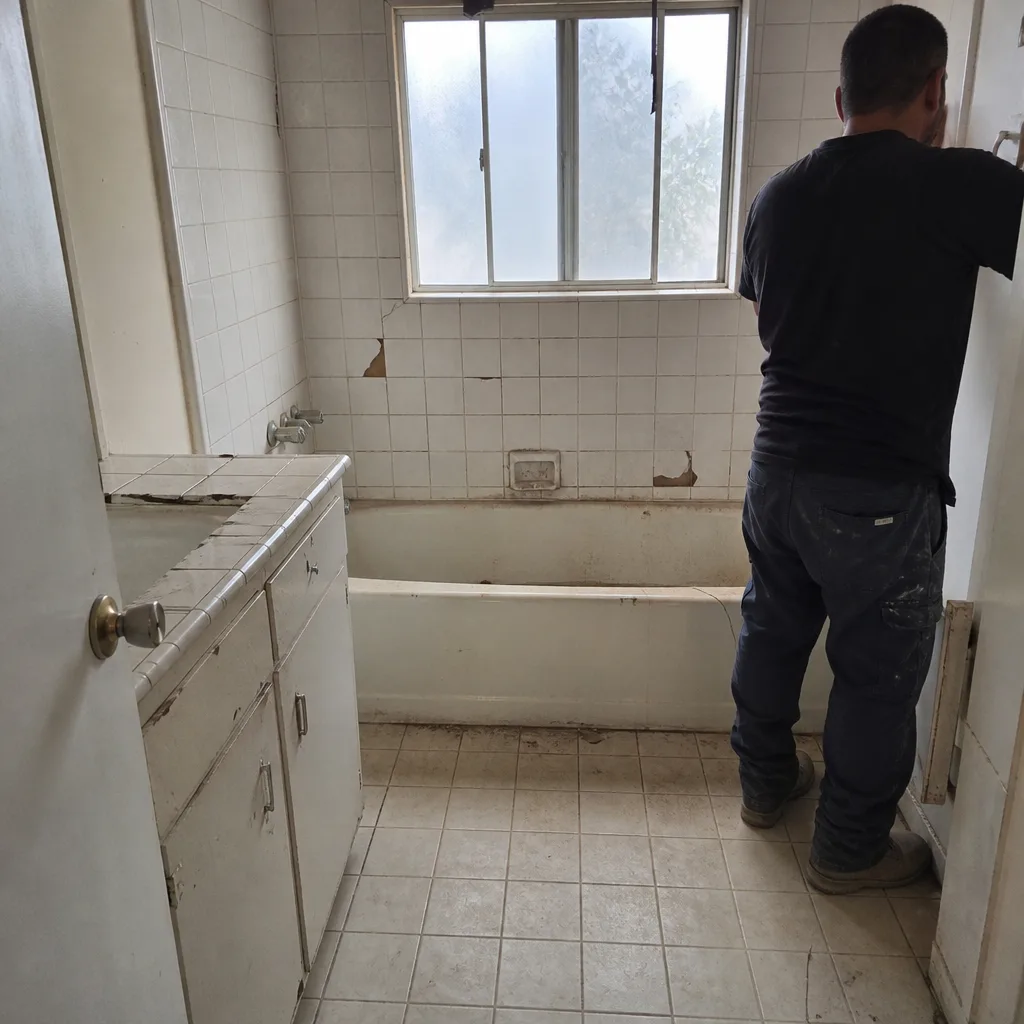 Before
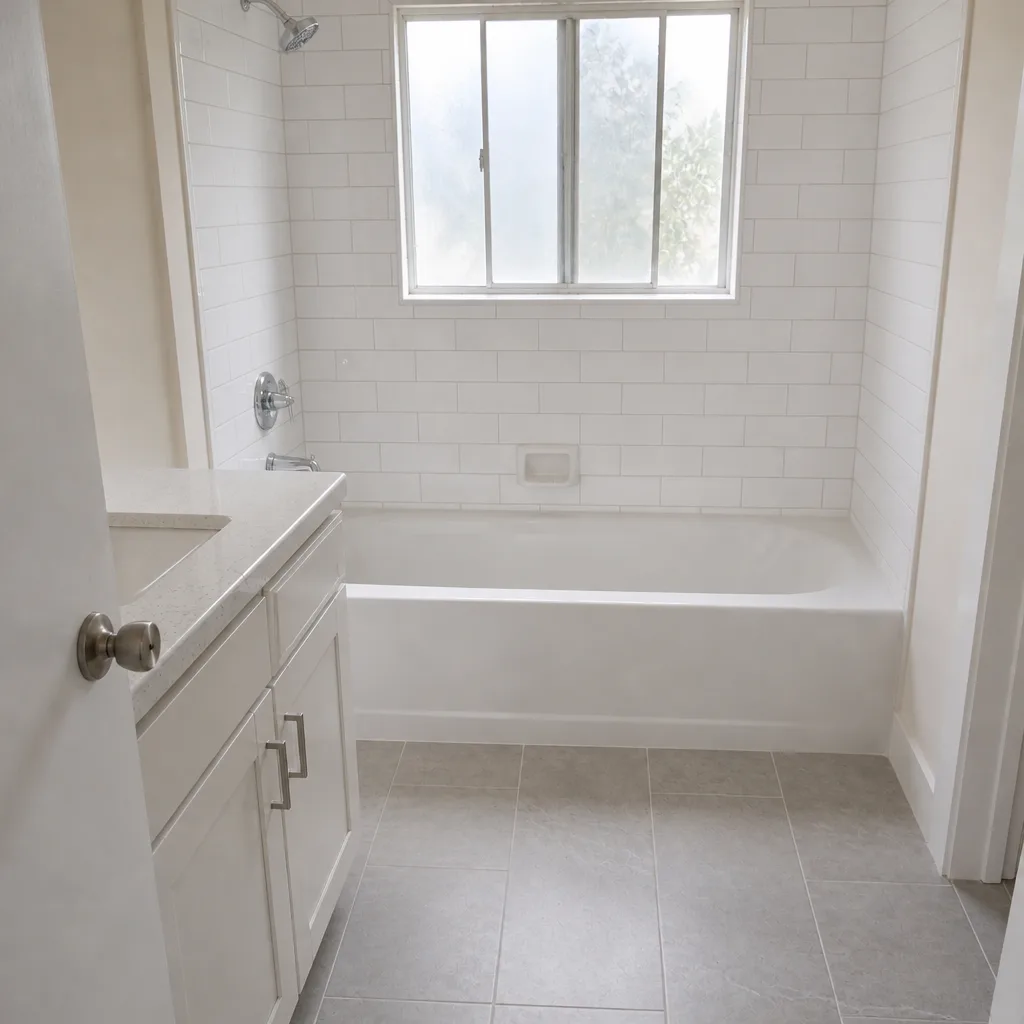 After
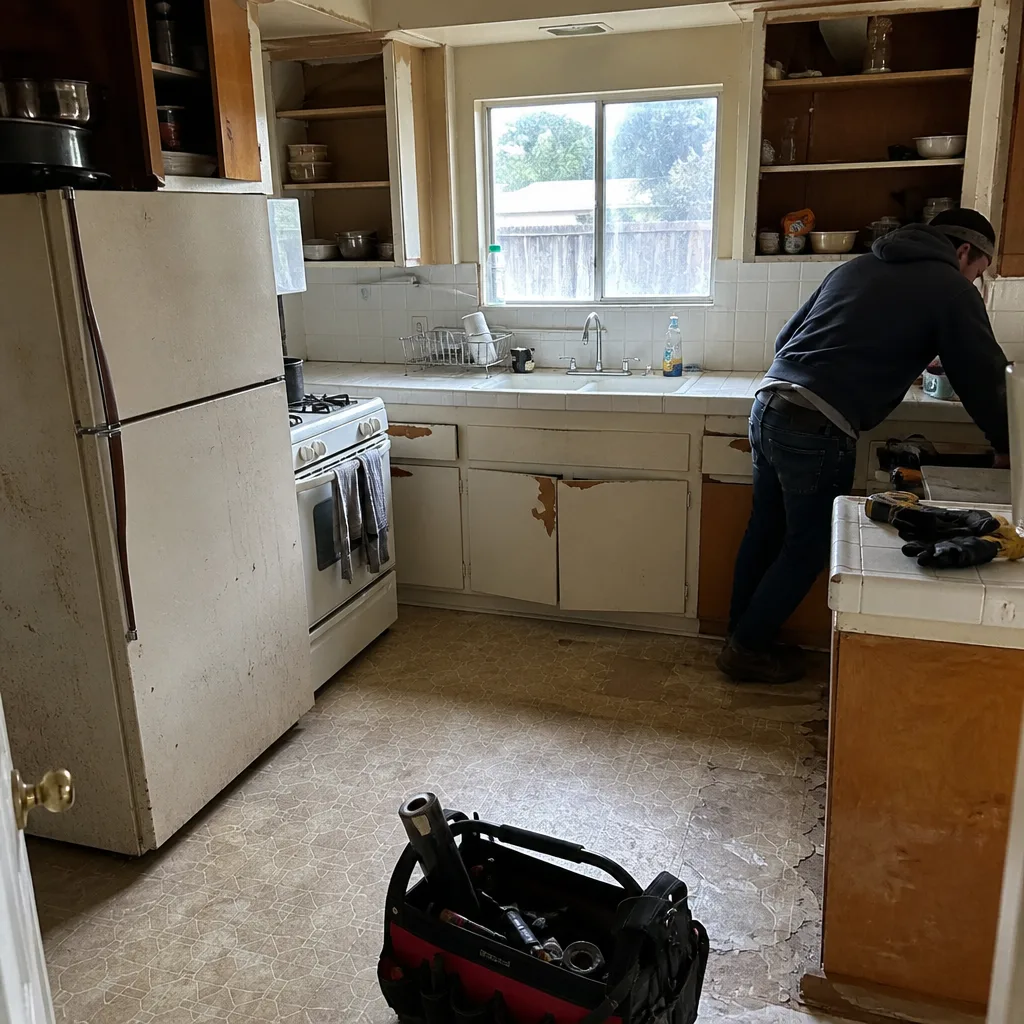 Before
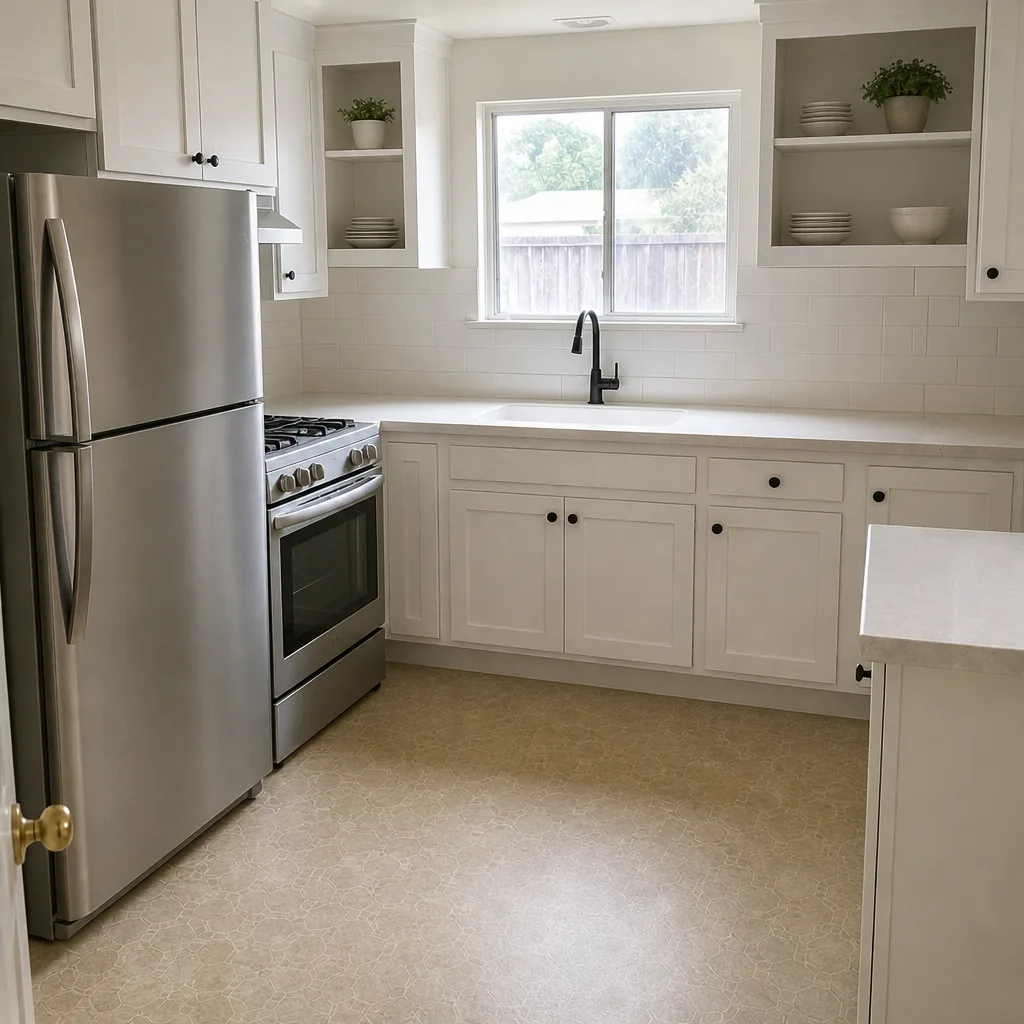 After
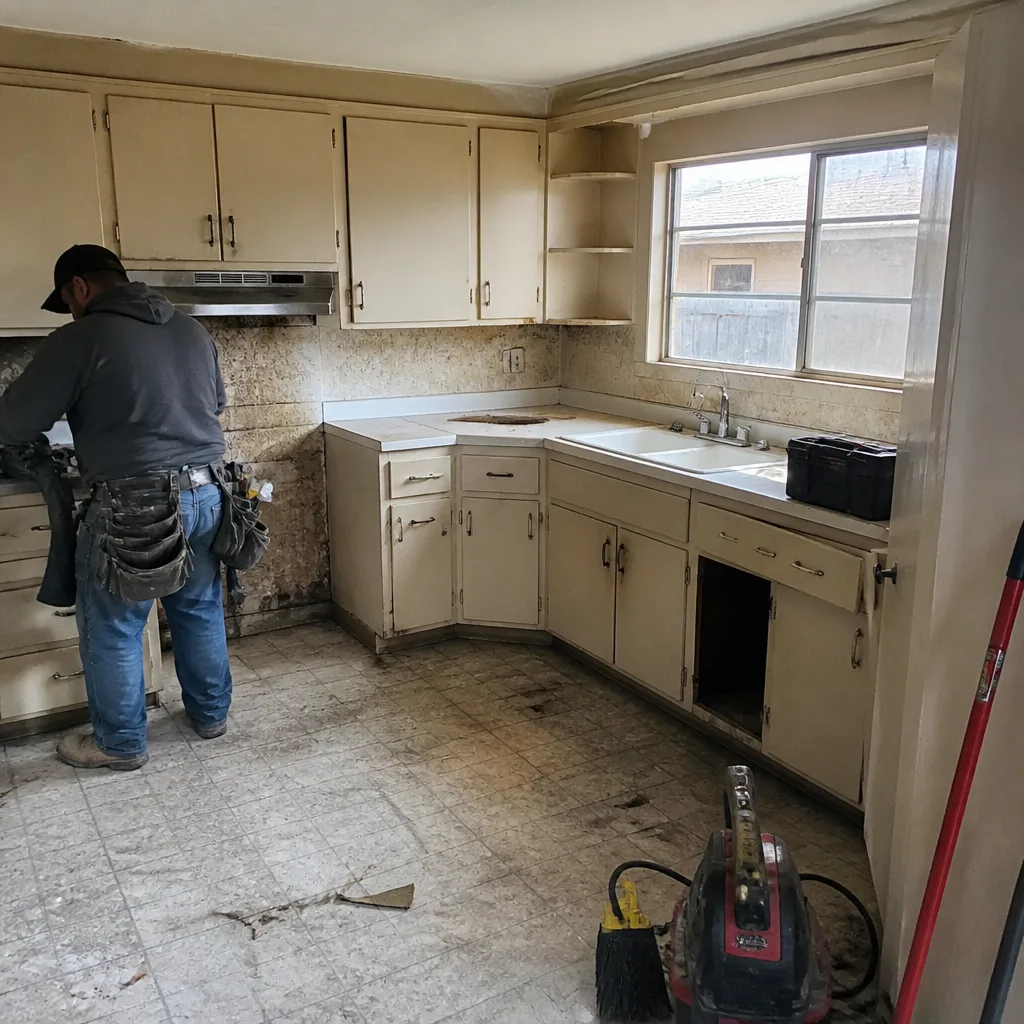 Before
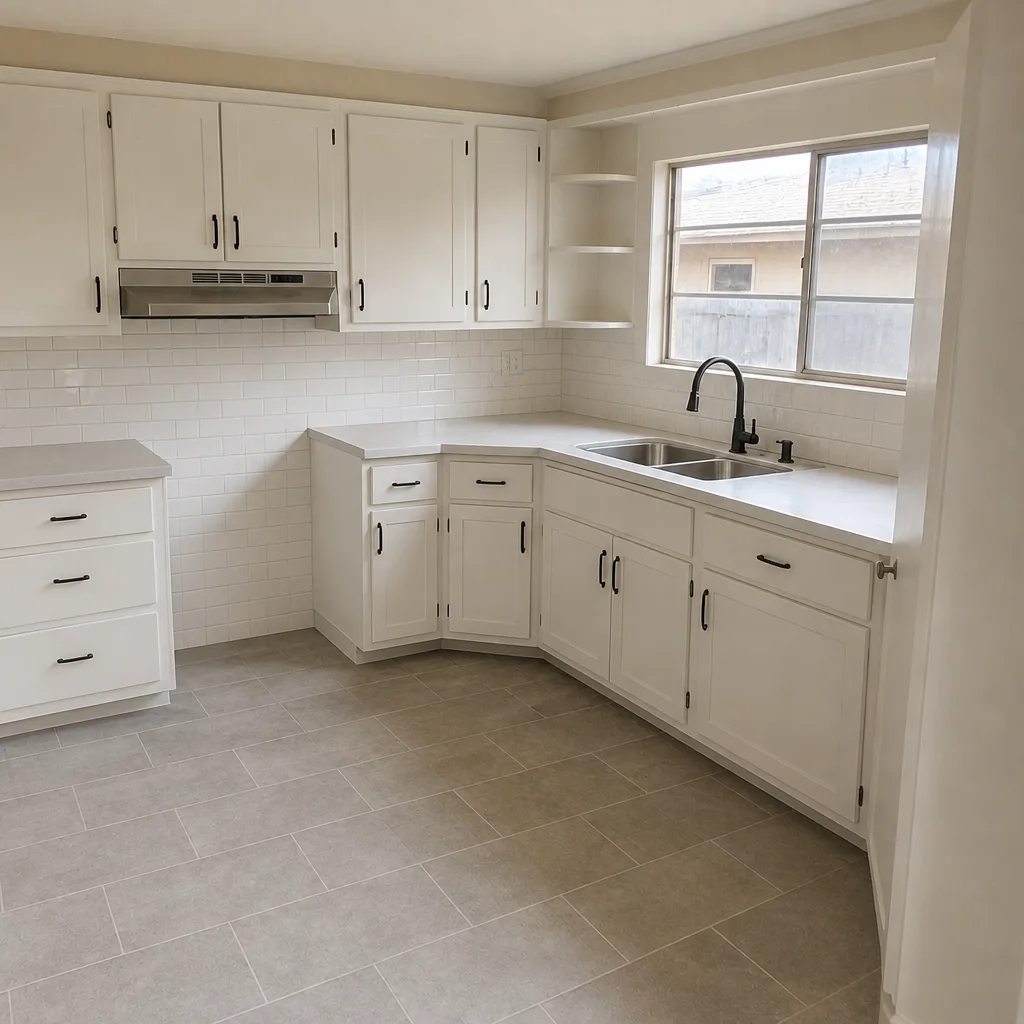 After
When to Call a Professional
If your project involves anything on the exterior envelope – roofing, windows, doors, siding, or the flashing and fasteners beneath them – a specification error is expensive to undo. The same goes for any Hayward job where material compliance is code-triggered (Title 24 windows, Class A roofing, low-VOC coatings), and for any bid that arrives with vague material language. Those are the moments to bring in someone who reads the specification sheet for a living. Rowan Construction Group Hayward offers free estimates across seven trades – kitchen and bathroom remodeling, roofing, windows and doors, fencing, driveways and pavers, and home additions including ADUs – and every estimate comes as a written price with a written scope before work starts. Call (866) 863-1729 to schedule yours.
Frequently Asked Questions
Most asphalt shingle lines from GAF and Owens Corning carry Class A fire ratings as required by California code for most residential roofs. Verify by checking the product data sheet for the specific model – not the brand name – and confirming a current Class A certificate. Call (866) 863-1729 for an exact quote on your roof – estimates are free.
ASTM A653 G185 (heavy galvanized) or A193/A320 stainless for exposed fasteners near the bay. Standard G90 galvanizing is usually sufficient further inland, but within a mile or two of the shoreline it underspecifies the salt exposure. Ask to see the box label and the evaluation report, and if the contractor can’t produce either, ask why.
Not if the contract specifies brand, product line, and specification number up front. Changes get priced and signed before they happen – no work proceeds on a change until the change order is signed. That discipline is why our projects finish within a few percent of the agreed number. Call (866) 863-1729 to schedule a free estimate.
It depends on the category. Stocked roofing typically moves in days; cabinet lines like KraftMaid and Wellborn often run four to eight weeks depending on door style and finish; quartz countertops like Cambria and Caesarstone add two to four weeks after template. Confirm current lead times in writing when you sign – the schedule depends on it.
Yes. Material specifications that trigger code review – Title 24 windows, structural work on additions and ADUs, electrical for remodels – are permitted and inspected under the job’s scope. The permit is not the contractor’s convenience; it’s the document that tells you the material and installation were checked against the applicable standard.
Read the exclusions page first. Look for climate, coastal-zone, and salt-air clauses, confirm the product vs. labor split, and check whether the warranty requires registration after installation. A brand warranty that excludes your geography isn’t the warranty you thought you bought. For a written warranty on the installation itself, call (866) 863-1729 – estimates are free.
The Bottom Line
Choosing a construction brand in Hayward is a specification decision, and it runs on four checks: California-specific compliance certificates, corrosion ratings matched to your distance from the bay, East Bay distributor availability for the schedule, and warranty terms that cover the installation, not just the material. A bid that names the brand, product line, and specification number – and names its approved substitutes in writing – is a bid you can verify. Anything vaguer is a bid that shifts risk back to you. Get the specification in writing before a single tool comes off the truck. Call (866) 863-1729 for a free estimate, and bring a competitor’s quote if you have one – we’ll review it line by line at no charge.
Written by the team at Rowan Construction Group Hayward.