Last updated November 18, 2026
Free written scope consultation - allowances, timeline, and change-order rules on paper before a single trade is scheduled
The Complete Bathroom Remodeling Guide for Hayward Homeowners
Most Hayward bathroom remodels that move a drain, add a circuit, or wire a new exhaust fan require a city building permit. That covers roughly 70% of full bathroom remodels. The permit itself costs $200 – $600. The bill for an unpermitted bathroom rarely arrives at inspection, though. It arrives at resale, when a buyer’s lender or appraiser flags the work and the homeowner faces retroactive disclosure, re-inspection, or demolition that averages $8,000 – $15,000. This guide walks through which scopes trigger a permit in Hayward, what each tier of remodel actually costs with real material brand names, how waterproofing systems differ and price out, and the trade sequence that keeps a project on schedule. You’ll finish knowing what a written quote should contain and where the hidden costs are buried.
Quick Answer
A bathroom remodel in Hayward typically costs $8,000 – $15,000 for a cosmetic refresh, $18,000 – $35,000 for a mid-range gut-and-replace, and $35,000 – $65,000 for a full layout change that relocates plumbing. Any scope touching drain lines, electrical circuits, new exhaust wiring, or structural walls needs a Hayward building permit before work starts, and skipping it creates a resale and insurance problem that costs far more than the permit.
Styles & brands we work with
- Kitchen remodeling
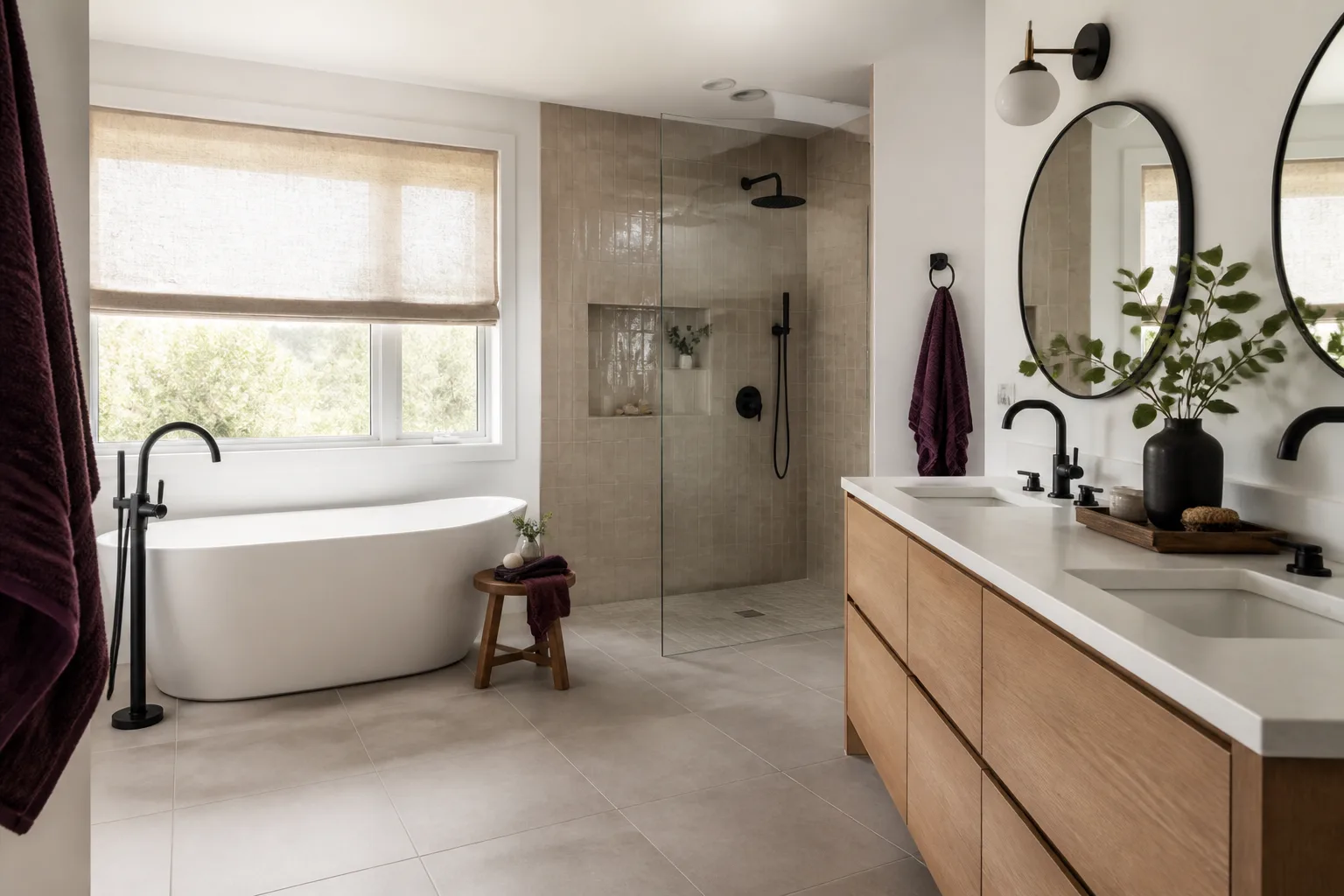
- Bathroom remodeling
- Home additions & ADU
- Roofing
- Windows & doors
- Driveway & pavers
- Fence
Table of Contents
- Which Bathroom Remodels Need a Hayward Permit?
- What Does a Bathroom Remodel Cost in Hayward?
- Waterproofing Systems: Membrane vs. Liquid-Applied vs. Foam Board
- The Correct Trade Sequence (and What Happens When You Skip It)
- Low-Flow Fixture Requirements That Fail Inspection
- Common Mistakes to Avoid
- When to Call a Professional
- Frequently Asked Questions
Which Bathroom Remodels Need a Hayward Permit?
The permit line in Hayward splits along one question: does the work change the plumbing, electrical, or structure of the room? If it does, you need a permit. If it doesn’t, you usually don’t. Knowing which side of that line your project sits on is the single most expensive decision in the whole process.
Work that requires a Hayward Building permit:
- Moving, adding, or relocating a drain or supply line (which includes moving the toilet, adding a second sink, or relocating the shower)
- Adding a new electrical circuit, which happens any time you add a heated floor, a new GFCI outlet, or a lighted mirror
- Installing a new exhaust fan tied to new wiring, or upgrading to a higher-CFM fan for a larger bathroom
- Removing or altering a load-bearing wall, or cutting a new window opening
- Converting a tub to a walk-in shower where the drain location shifts
Work that typically does not require a permit:
- Tile replacement over an existing, intact substrate (retiling a shower floor without disturbing the pan)
- Swapping a faucet, toilet, or showerhead on existing supply and drain connections
- Replacing cabinets or a vanity without moving the plumbing stub-outs
- Painting, reframing a mirror, or replacing a medicine cabinet
In our experience across Hayward, the confusion usually starts when a homeowner retiles a bathroom and the contractor quietly reroutes the shower drain to fit a new niche layout. That’s a plumbing rough alteration. It needs a permit whether the wall was open or not. Learn to read your written scope and ask specifically: does this quote include any drain or supply line work? If the answer is yes, the permit should be on the quote.
What Does a Bathroom Remodel Cost in Hayward?
Hayward labor rates run somewhat below San Francisco and somewhat above the Central Valley, which puts local bathroom pricing in three recognizable tiers. Each tier has a distinct material set. Naming the brands is how you compare two quotes honestly.
Cosmetic Refresh: $8,000 – $15,000
Same layout, same plumbing, new finishes. Typical scope covers retiling the floor and shower surround over sound substrate, a new vanity, new fixtures on existing connections, paint, and a light refresh. Brands you should see at this tier: American Standard or Kohler toilets, Moen or Delta shower trim, Daltile or MSI porcelain tile, and a standard ready-to-assemble vanity. No permit usually required.
Mid-Range Gut-and-Replace: $18,000 – $35,000
Everything down to the studs, new cement board, new waterproofing, new fixtures, and often a permitted electrical update for a dedicated GFCI circuit or a new exhaust fan. This is the most common Hayward bathroom scope. Materials shift up: Schluter Kerdi or USG Durock waterproofing, Kohler or Toto fixtures, and Cambria or Caesarstone for the vanity top if you want quartz instead of a porcelain slab. A permit is usually in play here.
Full Layout Change With Plumbing Relocation: $35,000 – $65,000
The room geometry changes. Tub moves, shower enlarges, drain relocates, a second sink is added, or a load-bearing wall is modified. Rough plumbing and rough electrical are both permitted, inspected, and closed out before tile goes down. Cabinetry moves to semi-custom or custom (KraftMaid and Wellborn both appear at this budget). Expect the schedule to run six to twelve weeks depending on inspection timing.
Under Clause 1 of the Haven Standard, the price is written before anyone picks up a tool. The line items above should appear on your quote as line items, not as a lump sum. If a contractor won’t break the scope down by trade, that’s the moment to request a free second opinion on the estimate before you sign.
Waterproofing Systems: Membrane vs. Liquid-Applied vs. Foam Board
Waterproofing is the part of a bathroom remodel that determines whether the job lasts fifteen years or fails in three. The tile surface is cosmetic. Underneath it, three systems do the actual work, and they price out differently per square foot installed.
Sheet membrane (Schluter Kerdi, USG Durock)
A thin, bonded fleece-backed sheet rolled over cement board with thinset. Installed cost typically runs $4 – $7 per square foot including the membrane, thinset, and labor. It’s the most common choice in Hayward remodels because it’s fast, code-recognized, and reliable when the seams are overlapped correctly. Schluter Kerdi and USG Durock are the two brands you’ll see specified most often.
Liquid-applied membrane (RedGard, Hydro Ban)
A roll-on or spray coating applied in two coats over cement board. Installed cost runs $3 – $5 per square foot. Cheaper on labor, but the failure mode is real if the coats are too thin or the cure time is rushed. It’s a solid system when a trained installer treats the mil thickness as a spec, not a suggestion.
Foam-board system (Schluter Kerdi-Board, Wedi)
Rigid, waterproof foam panels that replace cement board entirely and take tile directly. Installed cost runs $6 – $10 per square foot, but it eliminates the cement board step and cuts a day off the schedule. This is the system we commonly spec for ADU bathrooms because the prefabricated shower bases and niches save field labor.
On ADU bathrooms in Hayward specifically, we’ve seen California title insurance underwriters and several lenders ask for written confirmation of the waterproofing system and inspection record as part of the ADU’s permitted status. A gut-and-replace bathroom in a permitted ADU without documentation of a compliant waterproofing system can delay a refinance. Keep the photo record.
The Correct Trade Sequence (and What Happens When You Skip It)
A bathroom remodel is not a job where trades can show up in any order. The sequence is not a preference. It’s the difference between an inspection that closes and one that requires opening the walls back up. Here is the order:
- Demo. Strip to studs and subfloor. Photograph everything, especially the existing plumbing stub-outs.
- Rough plumbing. Relocate or extend drains and supplies. This is the step that must precede inspection.
- Rough electrical. New circuits, exhaust fan wiring, GFCI outlets. Also permitted and inspected.
- Rough inspection. The city signs off on framing, plumbing, and electrical while the walls are open.
- Cement board. Substrate goes up. Not drywall. Not greenboard in a wet area, despite what you may have heard.
- Waterproofing. Membrane, liquid, or foam board applied over the substrate, with the pan and niche details done properly.
- Tile. Floor, walls, shower, and grout. This is where the finish quality shows.
- Finish plumbing and electrical. Faucets, shower trim, toilet set, and the actual fixture installation and final electrical trim.
When the sequence is violated, the costs compound. A tile setter who arrives before the rough inspection passes has to be paid twice. A plumber who installs finish trim before waterproofing is verified has to be pulled back at finish cost. A project that skips the rough inspection and instead retrofits one later loses roughly two weeks and adds inspection-day labor. In our experience the trades that stay in order finish in six to eight weeks. The ones that don’t, don’t finish on the number either.
Low-Flow Fixture Requirements That Fail Inspection
California fixture law is stricter than most homeowners realize, and a bathroom that looks perfect can fail final inspection because the toilet or showerhead spec was off. Two numbers to memorize:
- Toilets: 1.28 gallons per flush maximum. That’s the California standard. A 1.6 GPF toilet is legal to sell in some states. It is not compliant here.
- Showerheads: 1.8 gallons per minute maximum. A rain head that delivers 2.5 GPM will fail, even if installed correctly, because the fixture itself isn’t compliant.
Most Kohler, Toto, Moen, and American Standard fixtures have compliant versions and older non-compliant versions in the same product line. That’s where the mistake happens: the homeowner picks a finish they like, the contractor installs it correctly, and the inspector reads the spec and fails the fixture. The fix costs a fixture and a re-inspection. The bigger fix costs a resale. An unpermitted high-flow fixture installed in a permitted bathroom can come back as a disclosure problem years later. When you’re comparing quotes, ask the contractor to write the GPF and GPM spec into the scope line. If they can’t name it, they may not be reading it.
Common Mistakes to Avoid
- Skipping the permit on a cosmetic-only claim. When a contractor tells you the work doesn’t need a permit, ask them to specify in writing that no drain, supply, or circuit work is included. Hayward inspectors see the same overclaims every week.
- Choosing waterproofing by price alone. A $3-per-square-foot liquid system installed in one thin coat is not the same product as the same system installed to spec. Ask for the installer’s process, not just the brand.
- Ordering fixtures before the rough inspection. Fixtures sit in boxes for weeks because the rough didn’t pass. The box doesn’t hurry the inspector and the box doesn’t fit the wall.
- Retiling over failing substrate. Porcelain over a soft or water-damaged cement board will telegraph every flaw within a year. Open the wall, check the substrate, then tile.
- Ignoring the low-flow spec numbers. A 1.28 GPF toilet and a 1.8 GPM showerhead are the numbers that pass Hayward inspection. The 1.6 and 2.5 versions look identical on the shelf.
- Letting a contractor “start Monday” without a written price. Under the Haven Standard, no work proceeds before the quote is written and signed. If the number on the page doesn’t match the number at signing, walk.
- Skipping the photo record on the rough-in. Rough plumbing and electrical photos are cheap insurance against a later dispute. Every visit should end with photos of what was found and what was done.
When to Call a Professional
Some bathroom work is genuinely DIY territory: painting, swapping a faucet on an existing supply, replacing a showerhead, retiling a small backsplash. Everything else is the point where calling a licensed professional is the cheaper decision. Rough plumbing behind a wall, an electrical circuit in a wet area, waterproofing details around a shower pan and niche, any structural change, and any permit-required scope all warrant a trained trade. The costs of an error in any of those categories fall well above what a professional charges to do it once. Rowan Construction Group Hayward offers free estimates in Hayward – call (866) 863-1729. Every project starts with a written scope, flat written price, and written warranty under the Haven Standard, and no change order proceeds without a signature. Estimates are free.
Frequently Asked Questions
A Hayward bathroom remodel runs $8,000 – $15,000 for a cosmetic refresh, $18,000 – $35,000 for a mid-range gut-and-replace, and $35,000 – $65,000 for a layout change with plumbing relocation. The spread depends mainly on whether drain lines and electrical circuits move. Call (866) 863-1729 for a written, line-item quote – estimates are free.
You need a Hayward Building permit if the work involves plumbing rough alterations, new electrical circuits, new exhaust fan wiring, or structural wall changes. Cosmetic updates like retiling over existing substrate, a fixture swap on existing connections, or a vanity replacement generally do not require a permit. The permit itself costs $200 – $600. Call us for a free second opinion if you’re not sure which side your project is on.
Not without a signed change order. Under the Haven Standard, the price is written before work starts, and no work proceeds on a change until the change order is signed by the homeowner. That administrative discipline is why projects typically finish within a few percent of the agreed number. Call (866) 863-1729 to schedule your free estimate.
Yes. Any scope that requires a Hayward Building permit is permitted and inspected as part of the project, and the inspection record is documented in the photo record you receive. Rough plumbing and electrical close out before tile goes down, which is the only way to keep the schedule honest. Call (866) 863-1729 to talk through your scope.
A cosmetic refresh runs one to two weeks, a mid-range gut-and-replace typically runs three to five weeks, and a full layout change with plumbing relocation runs six to twelve weeks depending on inspection timing. The schedule depends less on the trades than on the rough inspection windows. Call for a written schedule alongside your written price.
Sheet membrane (Schluter Kerdi or USG Durock) is the safest default for a standard shower because it’s code-recognized, fast, and priced around $4 – $7 per square foot installed. Foam-board systems (Kerdi-Board, Wedi) at $6 – $10 per square foot are the better fit for ADU bathrooms because prefabricated pans and niches cut field labor. Liquid-applied at $3 – $5 per square foot works when the installer treats mil thickness as a spec. Call (866) 863-1729 for a system-specific quote.
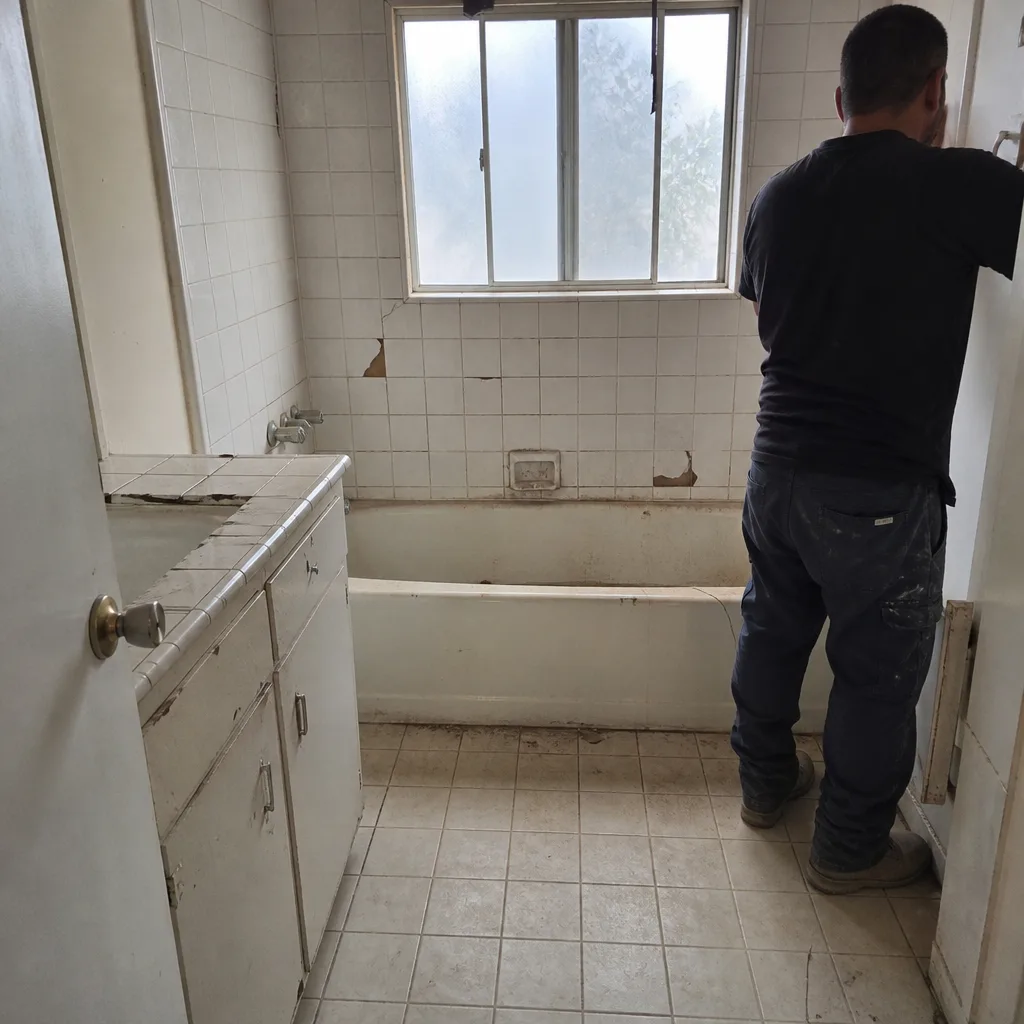
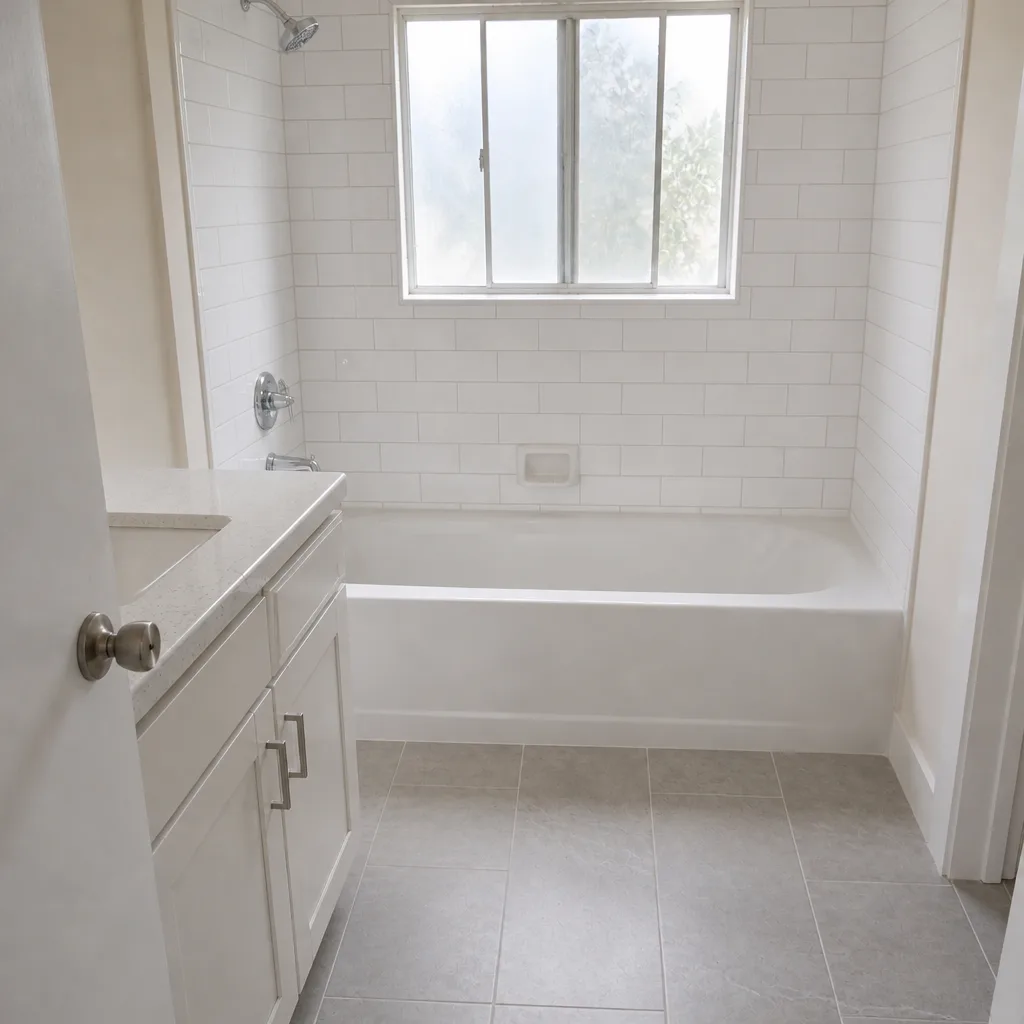
See the difference
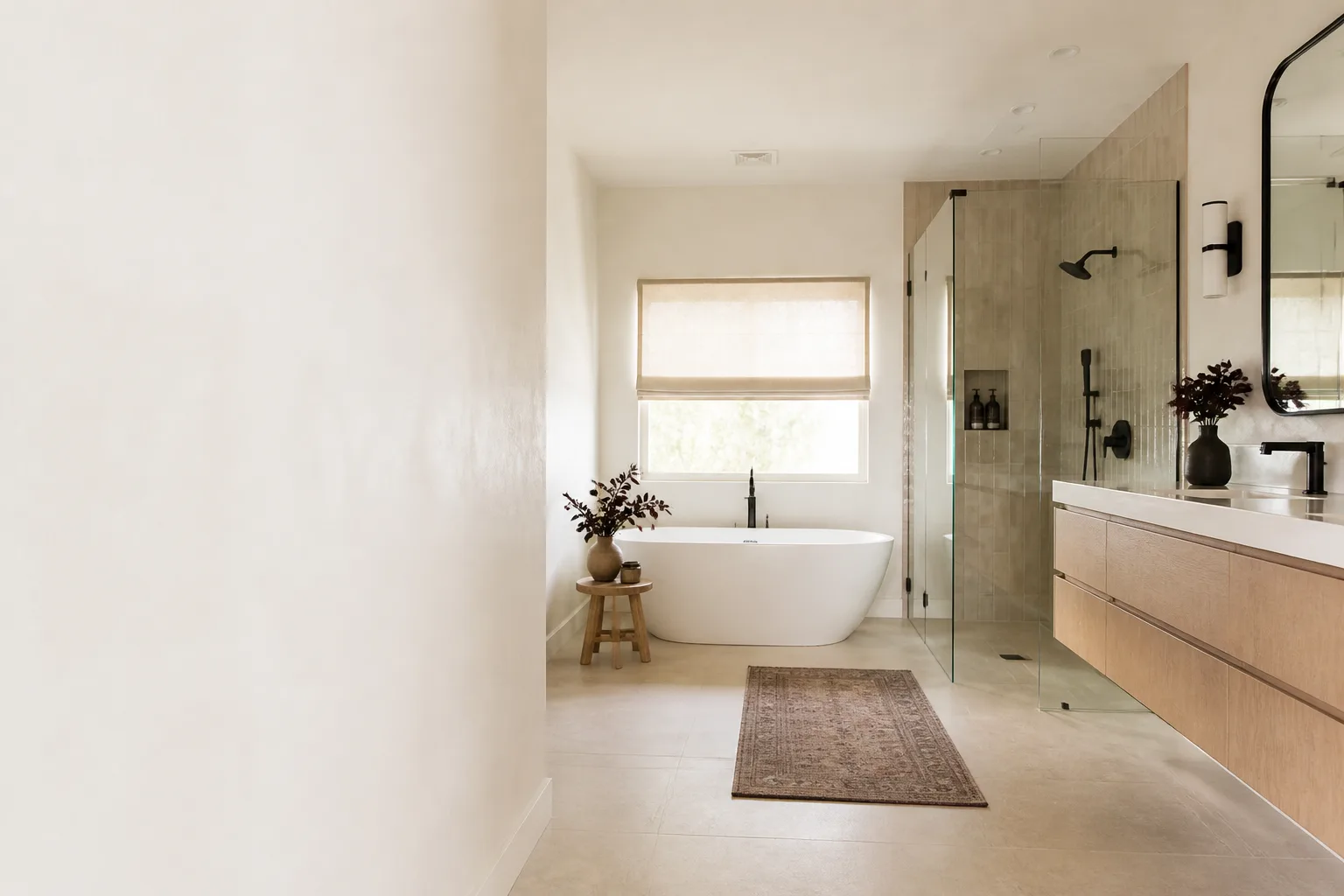
 Before
 After
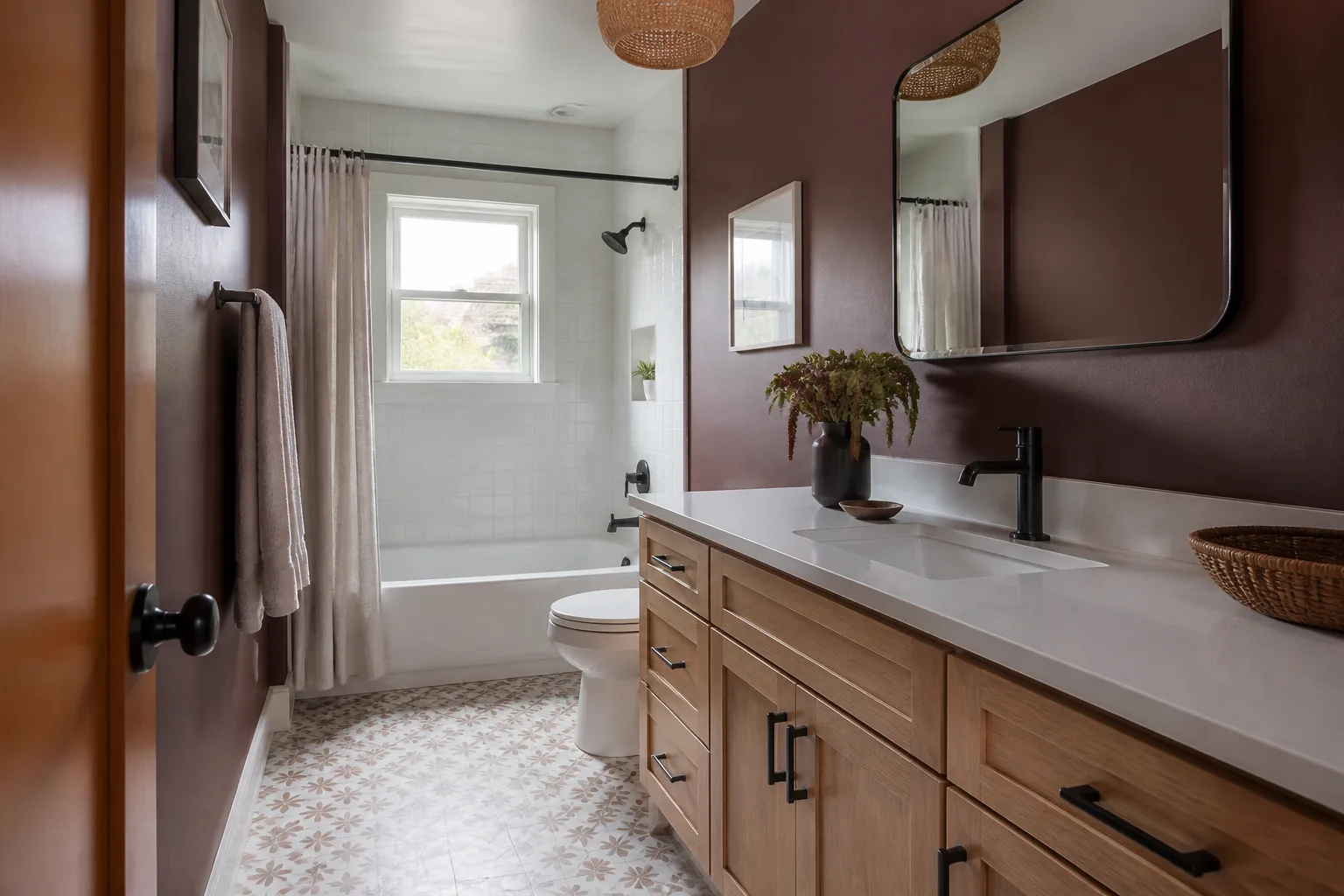
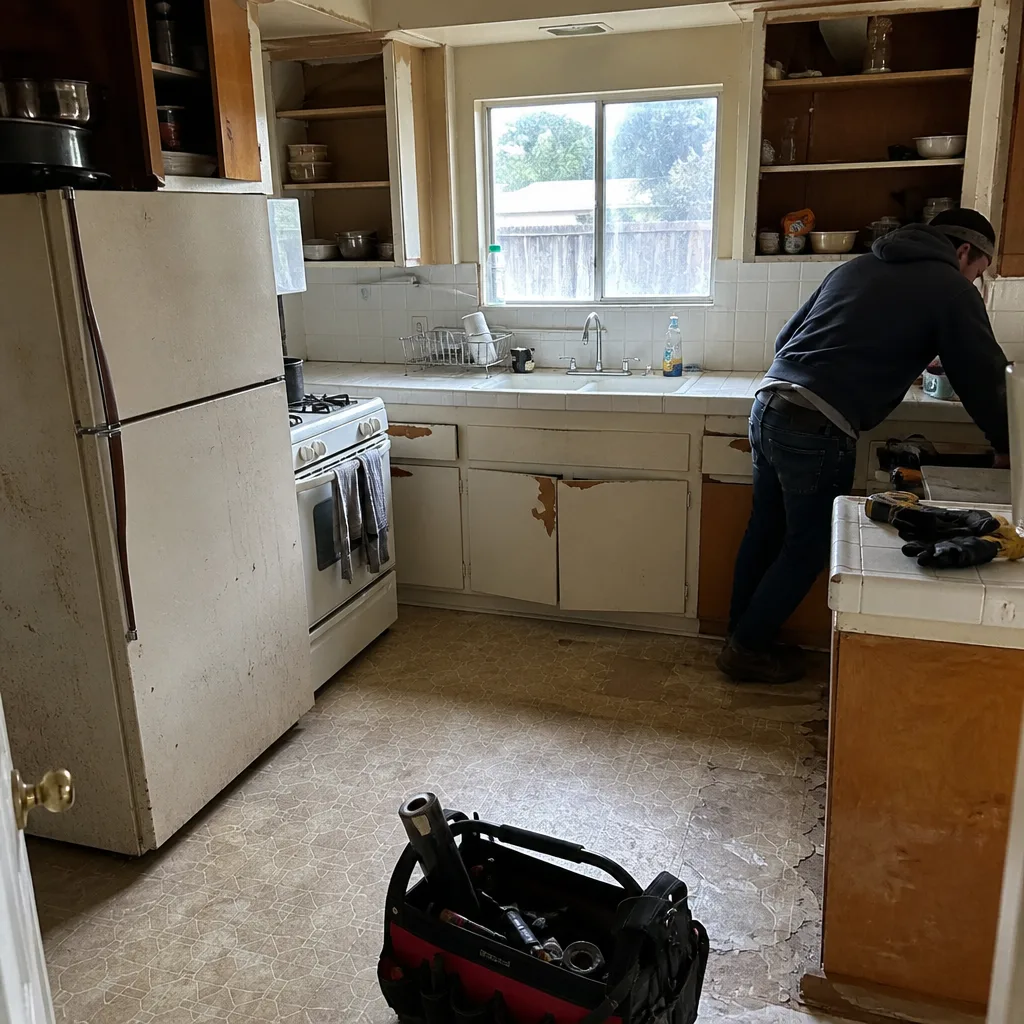 Before
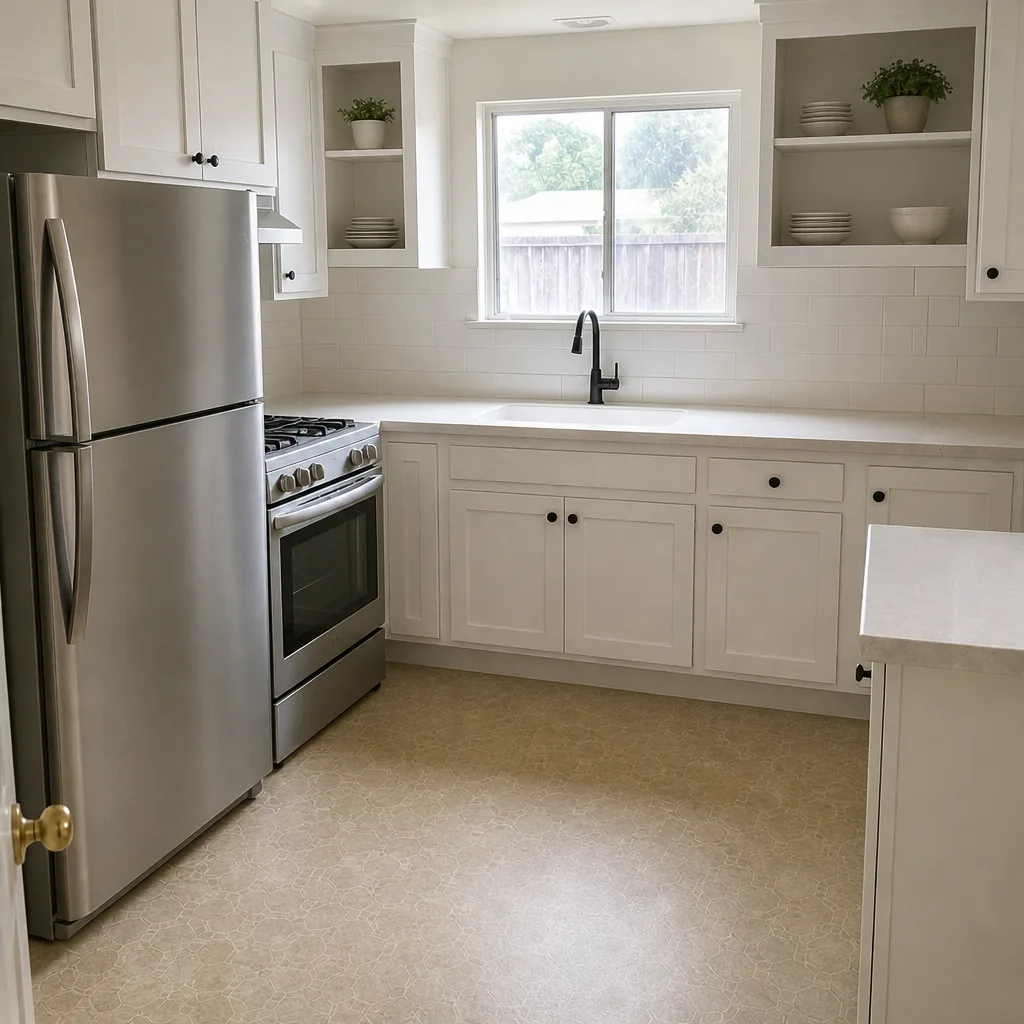 After
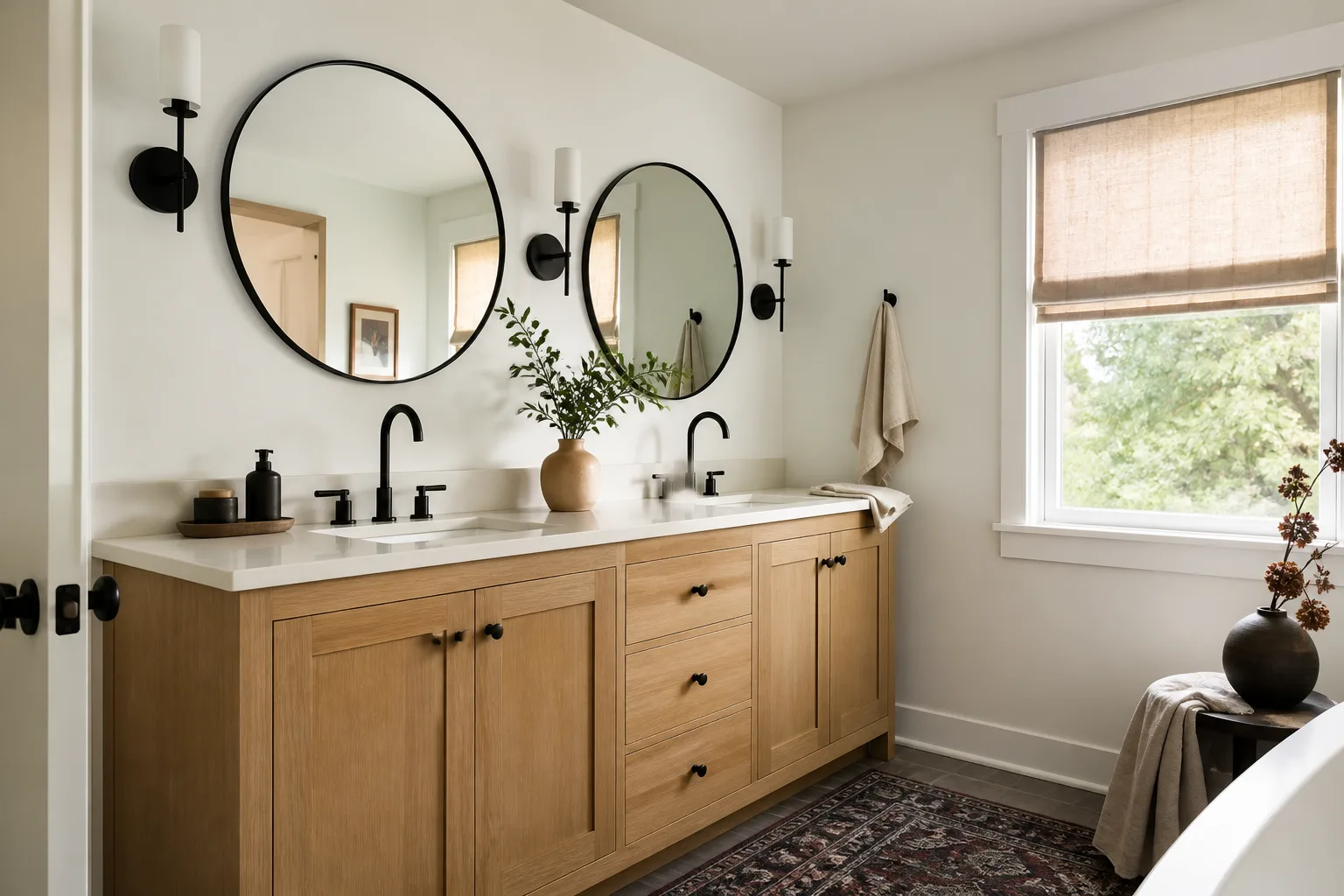
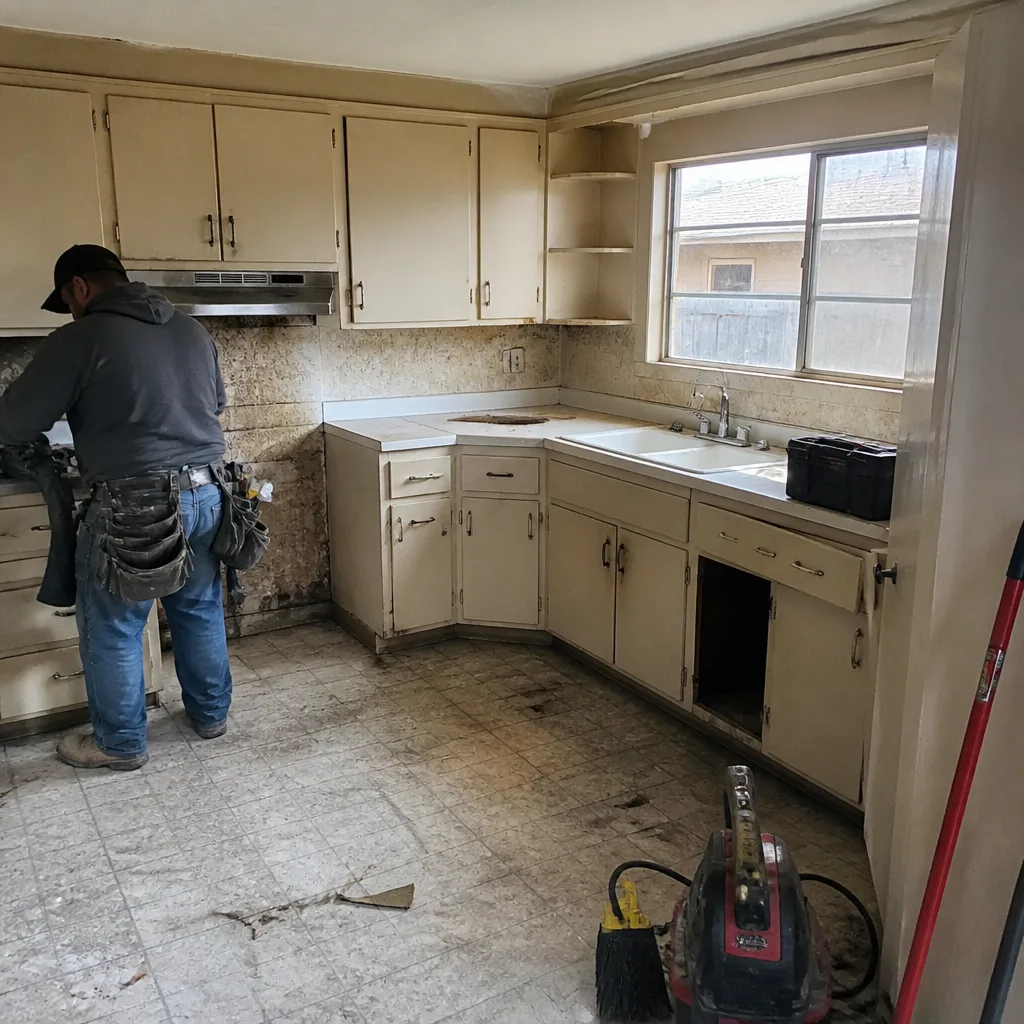 Before
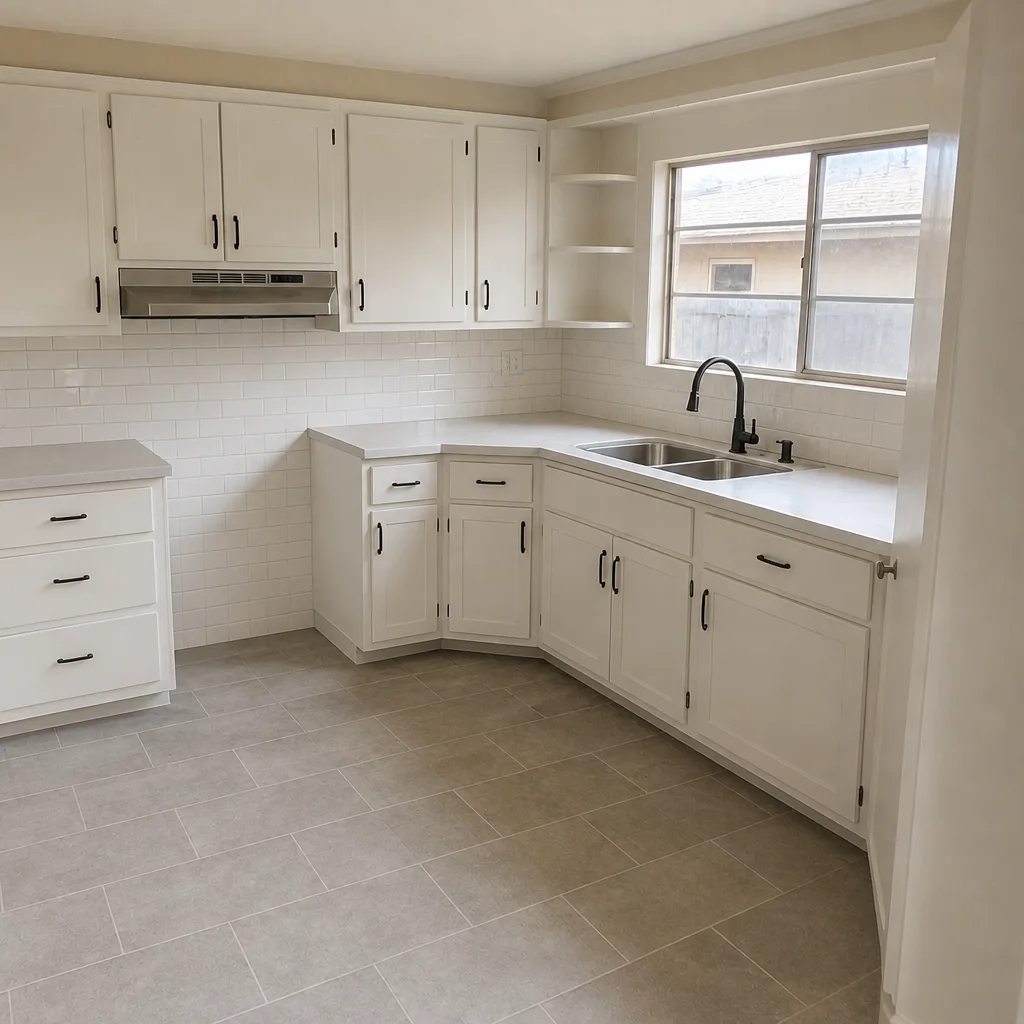 After
The Bottom Line
The Hayward bathroom remodel that goes wrong almost always goes wrong at the permit line, not the tile line. Plumbing rough alterations, new circuits, and structural changes trigger a permit that costs $200 – $600 – and skipping it costs $8,000 – $15,000 at resale. Choose your scope tier honestly ($8K – $15K cosmetic, $18K – $35K gut, $35K – $65K layout change), spec your waterproofing by system and installed price rather than brand alone, keep the trades in sequence so the rough inspection closes before tile, and put the low-flow numbers 1.28 GPF and 1.8 GPM on the written scope. Get the price in writing before anyone picks up a tool. If a quote crosses the line on any of these, get a second opinion before you sign.
Contact
If you’re planning a bathroom remodel in Hayward and want a flat written price, a written scope, and a written warranty before any work starts, call Rowan Construction Group Hayward at (866) 863-1729 to schedule your free estimate. We’ll walk through your scope, confirm which parts require a permit, name the material brands in the quote, and put the number on the page. Bring a competitor’s estimate and we’ll review it line by line at no charge. Start with Rowan Construction Group Hayward home for the full picture of what we do, and see Home Additions & ADU in Hayward if the bathroom is part of a larger scope. If the project includes exterior work alongside the remodel, our Driveway & Pavers in Hayward and Fence Installation in Hayward teams handle those trades under the same written-price discipline. Our technicians have up to 19 years of experience, and every visit includes a documented photo record as a standard deliverable.
Written by the team at Rowan Construction Group Hayward.