Last updated November 18, 2026
Free written scope consultation - allowances, timeline, and change-order rules on paper before a single trade is scheduled
The Complete Driveway & Pavers Guide for Hayward Homeowners
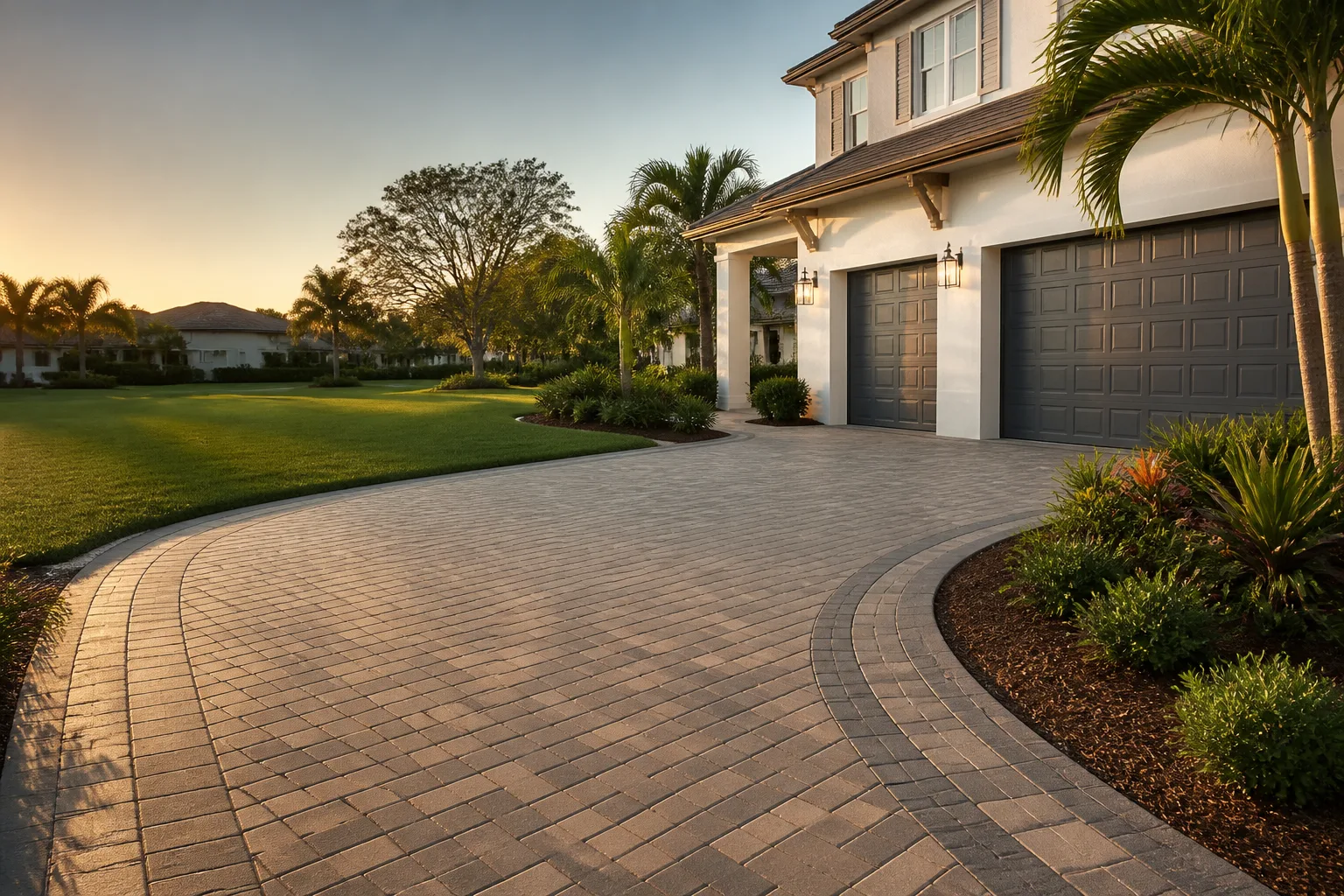
A paver driveway that looks flawless on installation day can be rocking and cracking within two winters – and the pavers themselves are almost never the reason. The failure sits underneath: a contractor who pours a 4-inch gravel base into Hayward’s expansive clay soil instead of the 8 to 10 inches that soil classification actually demands. In this guide, we walk through the base-layer decisions, the Alameda County permit thresholds, the current paver cost ranges by material, and the exact line items your written bid should contain. By the end, you’ll be able to read a paver quote and know whether it will last 8 years or 30.
Quick Answer
A paver driveway in Hayward typically costs between $14 and $30 per square foot installed, with the wide range driven almost entirely by base preparation and paver material choice. The single most important factor is the base layer: Hayward’s Expansive Group D clay requires 8 to 10 inches of compacted Class II aggregate base, roughly double what drier California climates need. Get the base spec in writing before anyone excavates.
Styles & brands we work with
- Kitchen remodeling
- Bathroom remodeling
- Home additions & ADU
- Roofing
- Windows & doors
- Driveway & pavers
- Fence
Table of Contents
- Why Hayward’s Clay Soil Changes Everything
- The Base Layer: 8 to 10 Inches, Not 4
- Do You Need a Permit in Alameda County?
- Paver Material Costs and Named Brands
- Seismic Flex and Joint Sand Selection
- What a Complete Written Bid Should Contain
- How the Installation Should Proceed, Step by Step
- Common Mistakes to Avoid
Why Hayward’s Clay Soil Changes Everything
Hayward sits on some of the most expansive soil in the Bay Area. The classification that matters here is Expansive Group D clay – soil that swells significantly when wet and shrinks when dry, cycling through that movement every rainy season and every dry summer. The clay-heavy ground under neighborhoods like the Hayward Hills, Mt. Eden, and the flatlands near downtown all share this behavior to varying degrees.
What that means for a driveway is simple to state and expensive to ignore: the ground beneath your pavers is not a stable platform. It’s a sponge-and-desiccant that moves. A base layer that’s too thin or improperly compacted lets that movement telegraph up to the surface. The pavers themselves are fine – it’s the settlement underneath that produces the rocking, the crack lines along the edges, the ponding, and the sand washout after the third or fourth wet season.
In our experience, the calls we get about “failing pavers” on Hayward driveways almost always trace back to the same three installation shortcuts: a base that’s too thin for the soil class, compaction done with the wrong equipment or too few passes, and edge restraint that can’t hold the field under hydraulic pressure. None of those are paver-quality problems. All of them are base-construction problems. The paver you choose matters, but not half as much as the decision about what goes under it.
The Base Layer: 8 to 10 Inches, Not 4
This is the number to hold onto: 8 to 10 inches of compacted Class II aggregate base. That’s the specification that accounts for Expansive Group D clay movement on a residential Hayward driveway. In drier California climates, 4 inches of base is common and often adequate. In Hayward, that same 4-inch base is a failure waiting for a wet winter.
Class II aggregate base (often called Class II AB, or Class II base rock) is a graded crushed stone mix that compacts to a dense, stable layer. It’s specified by gradation – the range of particle sizes in the mix – so a properly sourced Class II material resists movement and drains. Substituting cheaper road base, fill dirt, or recycled concrete without evaluating gradation is one of the quiet cost-cutting moves that shows up two years later.
What proper base prep looks like
- Excavation depth: Remove native soil deep enough to accept the full base plus the paver thickness. Expect 12 to 14 inches of total excavation for a residential driveway.
- Subgrade proof-rolling: Roll the exposed native soil before adding base. Soft spots and oversize rocks show up and get corrected.
- Base placement in lifts: Install Class II base in 2 to 3-inch compacted lifts, never one thick pour. Each lift gets watered and compacted separately.
- Plate or roller compaction: A vibrating plate compactor for edges and confined areas; a ride-on roller for open field. Ask what equipment will be used.
- Moisture control: Base compacts to spec at the right moisture content. Too dry, it won’t bind. Too wet, it pumps and won’t reach density.
- Final grading and laser check: Grade to a slope that drains away from the garage and the house – typically 1.5% to 2% fall – verified with a laser or string line.
The material cost of getting the base right versus wrong is real: Class II AB in the East Bay typically runs $35 to $55 per cubic yard delivered, plus the labor for lifts and compaction. On a 400-square-foot driveway, going from 4 to 9 inches of base adds somewhere between $500 and $900 in material alone. That’s the difference between a rebuilt driveway in 8 years and one that’s still in place at 30.
Do You Need a Permit in Alameda County?
The line between a simple building permit and a grading permit in Hayward runs on earthwork volume, slope, and what you’re changing about site drainage. A driveway repave that keeps the existing footprint, grade, and drainage often falls under a straightforward building permit. A project that excavates more than roughly 50 cubic yards of soil, changes site drainage patterns, or works on a slope above a certain percentage typically triggers a grading permit under Alameda County and Hayward municipal code.
The cost difference is meaningful. Standard building permit fees for a residential driveway repave in Hayward generally land in the $150 to $400 range. A grading permit, once you add the plan review, inspection fees, and the civil work that goes with it, can run several times that. Whether your project sits on one side or the other of that line depends on the specifics of your site – and getting it wrong means the inspector can stop work until the correct permits are pulled.
Ask any contractor bidding your job two questions in writing: which permit they’ll pull, and whether the grading calculus changes because of your site’s slope or drainage. If the answer is vague, that’s a bid to walk away from. Every Rowan Construction Group Hayward driveway project starts with the permit scope in writing, and no work starts until the permit path is settled. Ask for the free second opinion on any competitor’s quote and we’ll tell you honestly whether the permit line on their bid is correct.
Paver Material Costs and Named Brands
Paver costs in Hayward divide into material-only pricing (what the pavers cost per square foot before installation) and installed pricing (which includes excavation, base, edge restraint, sand, and labor). The table below gives you material-only ranges as of current East Bay market pricing. Installed pricing typically runs 2.5 to 4 times material cost depending on site conditions and base depth.
- Concrete pavers: $4 to $7 per square foot, material only. The workhorse for Hayward driveways. Belgard and Basalite both make interlocking concrete pavers rated for vehicular traffic; Calstone manufactures locally in the Bay Area and offers strong color matching for existing driveways.
- Clay brick pavers: $6 to $10 per square foot, material only. Higher durability to freeze-thaw and salt, though Hayward’s climate is mild enough that this isn’t the deciding factor. The premium is aesthetic.
- Natural stone pavers: $12 to $22 per square foot, material only. Travertine, limestone, and bluestone. Beautiful on a courtyard or walkway; heavier and more demanding on base prep for a full driveway.
For most Hayward homeowners we work with, interlocking concrete pavers in the $4 to $7 per square foot material range offer the best long-term value, especially when specified with the correct Class II base underneath. The pavers themselves will outlast the base if the base is done wrong, and underperform if it’s done right but the pavers are underspec’d. Both layers matter, in that order.
Seismic Flex and Joint Sand Selection
Bay Area seismic activity adds a variable that’s easy to overlook in a paver spec sheet: the ground can flex. A pavers system on the Hayward Fault corridor needs to tolerate small movement without cracking, and the joint sand is a part of that tolerance. Joint sand fills the gaps between pavers, locks them into a single load-distributing surface, and keeps weeds and water out.
Standard jointing sand works fine on a stable site in a low-movement climate. In Hayward, we specify polymeric sand rated for movement – a joint sand with a binder that stays slightly flexible after curing. Polymeric sand costs more per bag (typically $25 to $40 versus $8 to $12 for standard jointing sand), but it stays put under mild flex, resists washout through wet winters, and reduces the annual sand-sweeping that plain sand demands. The trade-off is worth it on a driveway; on a walkway, plain sand is usually fine.
Edge restraint deserves equal attention. A properly set edge restraint – a rigid concrete or PVC edge, spiked into the compacted base – keeps the field of pavers from spreading under vehicular load. Skimping on edge restraint, or using a “flexible” plastic edge without adequate base engagement, is the second-most-common cause of paver driveway failure after base depth. When you compare two bids for a Hayward driveway, check that both specify an edge restraint system, and check that the specified system is what actually gets installed.
What a Complete Written Bid Should Contain
A written bid you can evaluate line by line does not have to be long. It has to be specific. Here is the list of line items we recommend every Hayward homeowner demand before signing anything:
- Excavation depth, in inches, measured from finished grade
- Base material specification – the aggregate class (Class II AB), sourced where, and the compacted depth in inches
- Compaction method – plate, roller, number of passes, moisture control procedure
- Edge restraint type and installation method – product named, base engagement described, spike pattern specified
- Joint sand product, brand, and spec – polymeric or standard, rated for what
- Drainage plan – slope percentages, where water goes, whether any drainage correction is included
- Permit type – building or grading, who pulls, who pays, inspection expectations
- Change-order language – what changes trigger a signed change order, how pricing changes are calculated
- Warranty – coverage term, what it covers (base and pavers), how claims are handled
- Photo record on completion – the customer should receive images of the base layers before pavers go down, not only the finished surface
Rowan Construction Group writes flat-price bids with a written scope and a written warranty before any work begins, on every trade. That’s Clause 1 of the Haven Standard, and it applies to a Hayward driveway the same as a kitchen. No work proceeds on any change until a change order is signed, and the 365-Day Done Right Promise is backed by a printed terms page, not a handshake. We also offer a free second opinion on any written estimate – bring a competitor’s quote and we’ll review it line by line at no charge, so you know what you’re actually comparing.
How the Installation Should Proceed, Step by Step
Whether you’re hiring Rowan or another contractor, the sequence below is what a properly built Hayward paver driveway looks like from start to finish. If a bid omits steps – or compresses several into a single day – ask why.
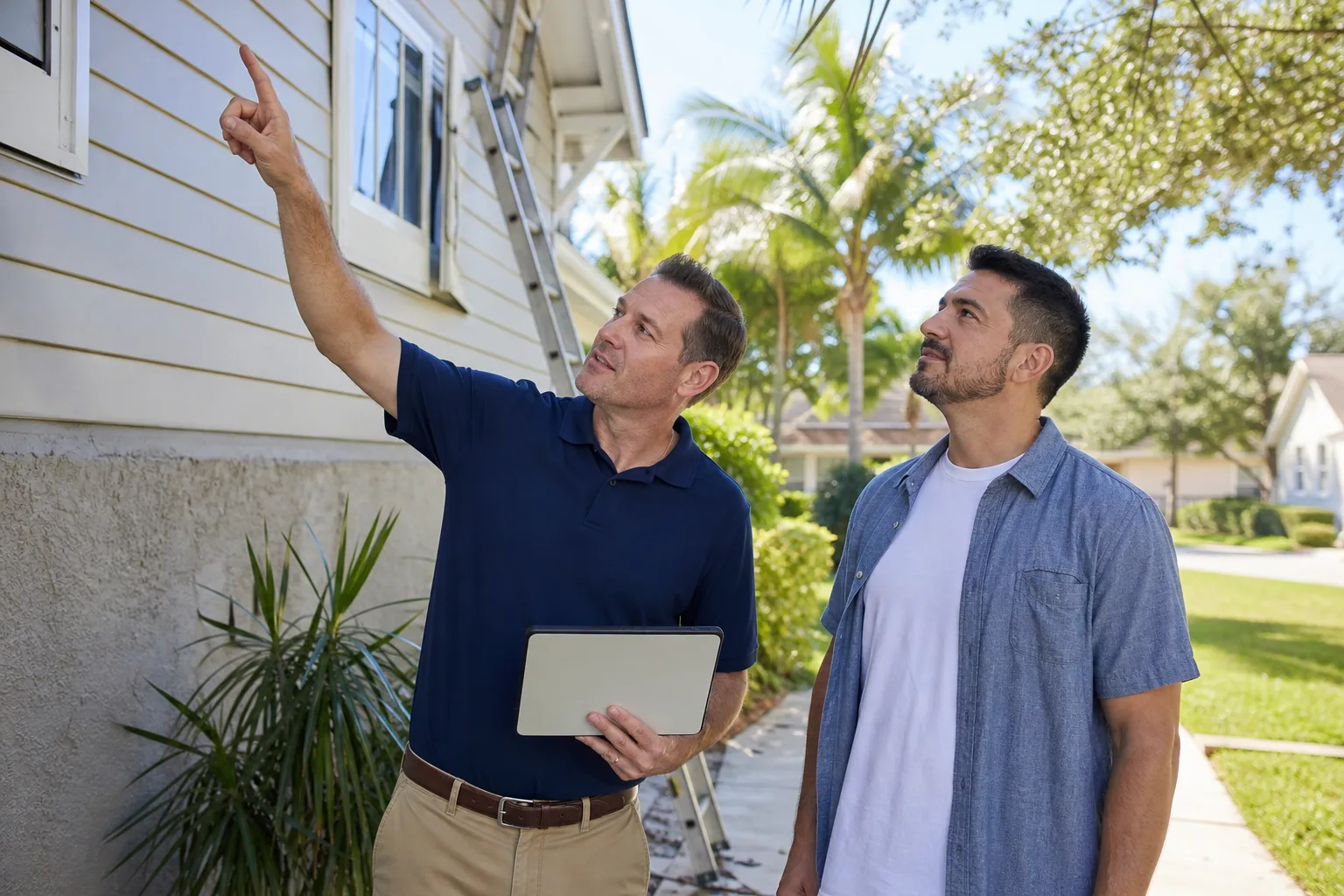
- Site evaluation and permit check: Slope, drainage, existing base condition, and whether a grading permit is required. Permit type confirmed in writing.
- Excavation and haul-off: Native soil removed to the required depth plus paver thickness. Haul-off cost is real; confirm it’s in the bid.
- Subgrade prep: Proof-roll, remove soft spots and oversize material, establish slope.
- Class II base in lifts: 8 to 10 inches compacted in 2 to 3-inch lifts, watered and compacted to spec.
- Geotextile separation fabric (if specified): Between subgrade and base to prevent clay migration into the base. Common on Hayward’s Expansive Group D soil; ask whether it’s on the bid.
- Edge restraint installation: Rigid edge set into compacted base and spiked.
- Bedding layer: 1-inch layer of coarse sand screeded to final grade.
- Paver installation: Laid per the manufacturer’s pattern spec, cut edges at restraint, field checked for grade and slope.
- Compaction and joint sand: Vibratory plate over the field, polymeric sand swept and activated per manufacturer spec.
- Final inspection and photo record: Base, prep, and finish documented. Walkthrough with the customer.
The whole process for a typical Hayward residential driveway runs three to five working days, longer if a grading permit or slope work enters the picture. Anyone promising a full paver driveway installed in a single day is almost certainly skipping base lifts, and that’s the shortcut you can’t undo later.
Common Mistakes to Avoid
- Accepting a 4-inch base. The single most common paver failure in Hayward traces to a base built for a drier climate. If the bid doesn’t say 8 to 10 inches, ask why.
- Using road base instead of Class II AB. Road base is cheaper and more variable. On Expansive Group D clay, gradation matters. Confirm the spec by name.
- Skipping the geotextile separation layer. On Hayward’s expansive clay, clay fines migrate up into the base over years and compromise drainage. The fabric is inexpensive; the rework isn’t.
- Letting the contractor pull a building permit when a grading permit was required. If the inspector discovers the scope of earthwork after demolition, work stops and the fee structure changes.
- Guessing on joint sand. Plain sand in a seismic-flex corridor washes out faster and locks less firmly. Polymeric sand rated for movement costs more and lasts measurably longer.
- Choosing pavers by color before choosing base spec. Material choice is the last decision, not the first. Confirm the base and compaction plan before ordering anything.
- Not asking for a written change order process. A driveway job has a way of finding surprises under the base – old concrete, tree roots, undocumented utilities. The change order is what protects both sides from an open-ended invoice.
See the difference
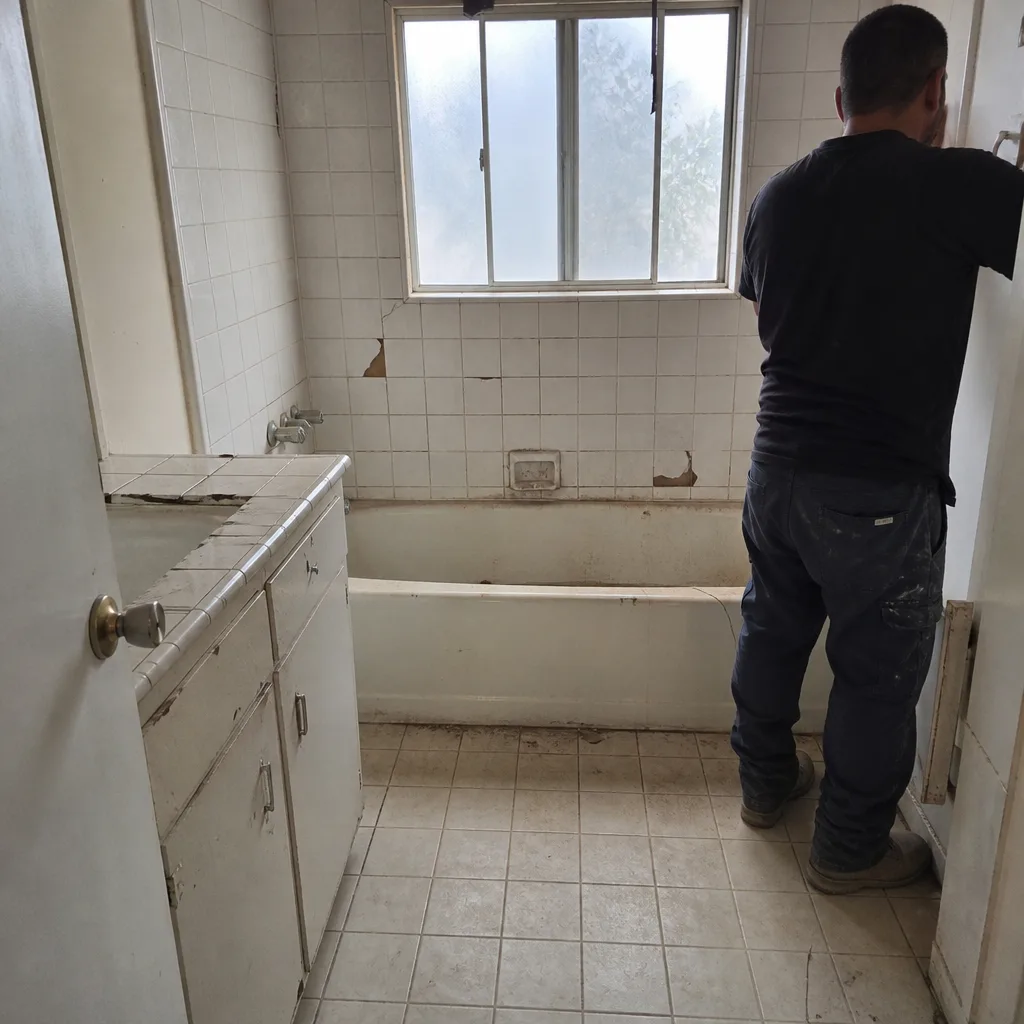 Before
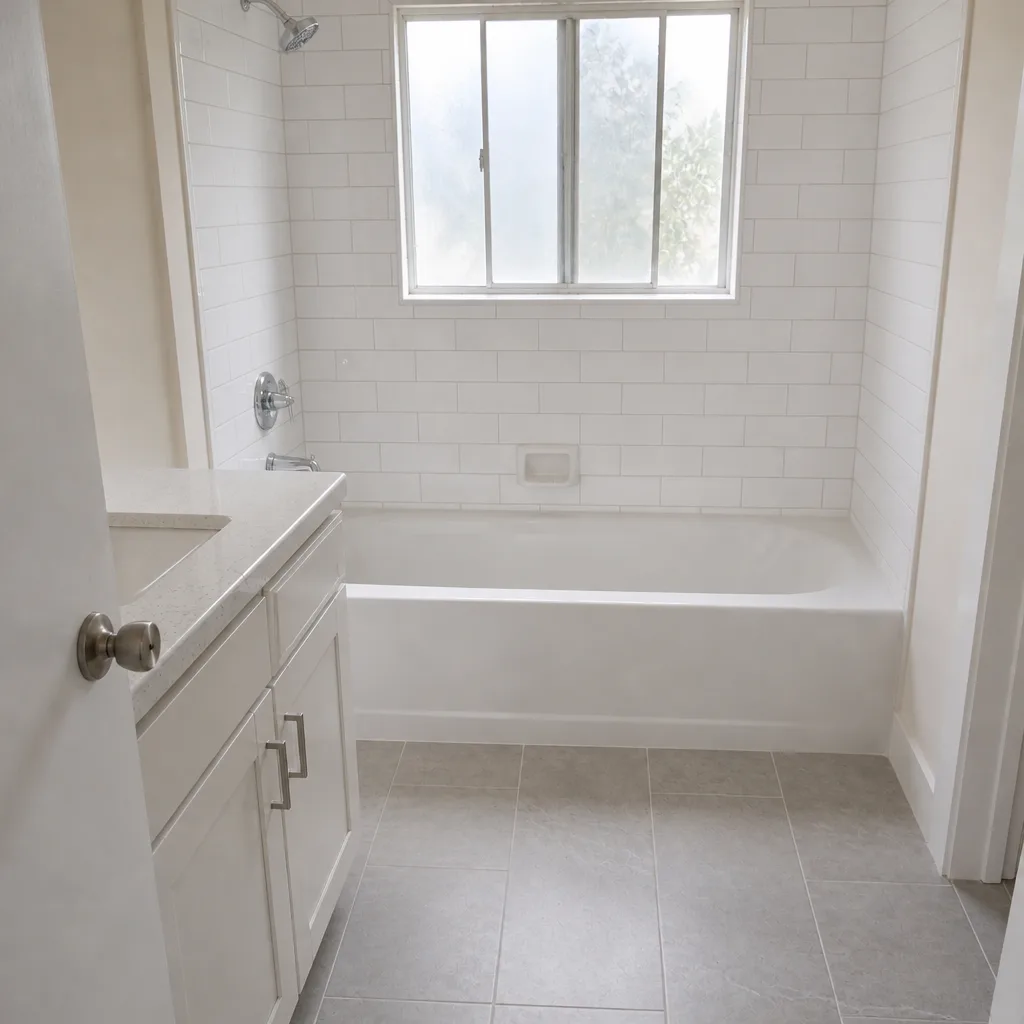 After
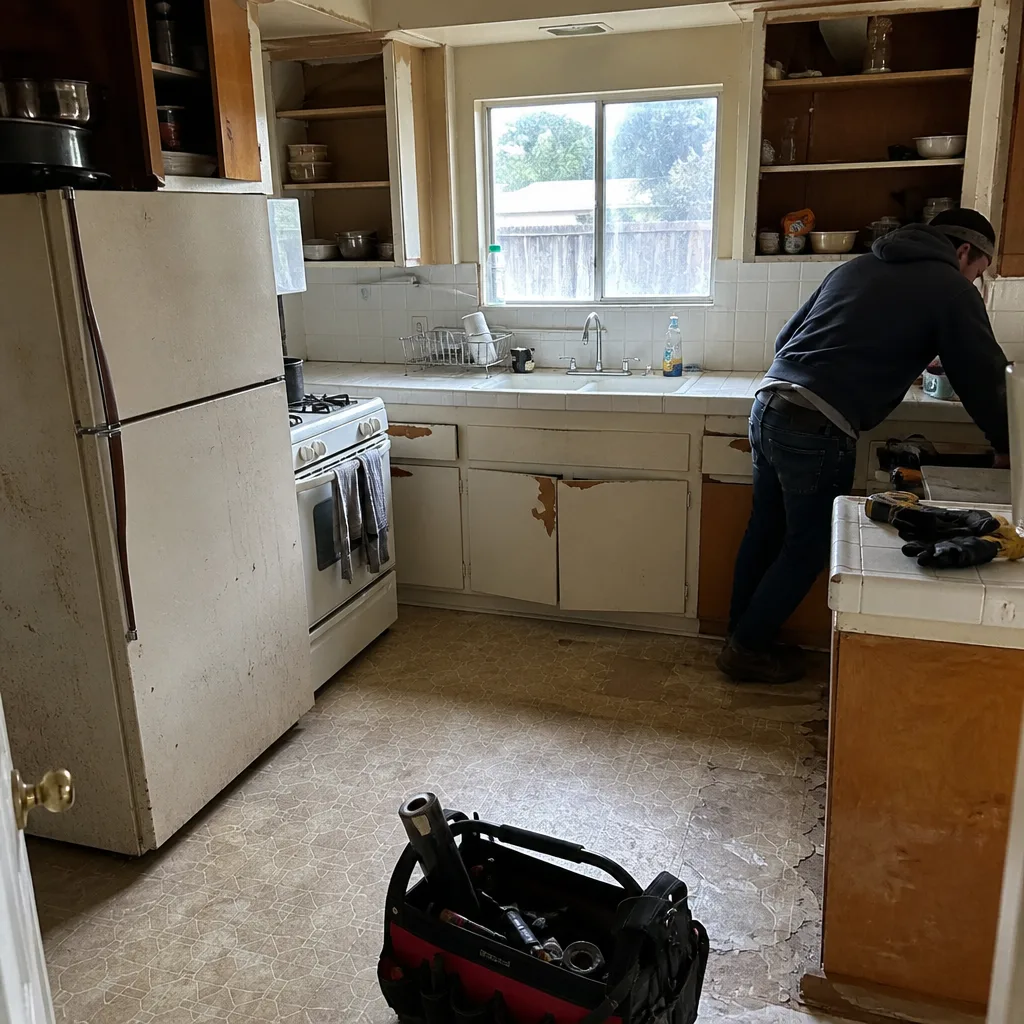 Before
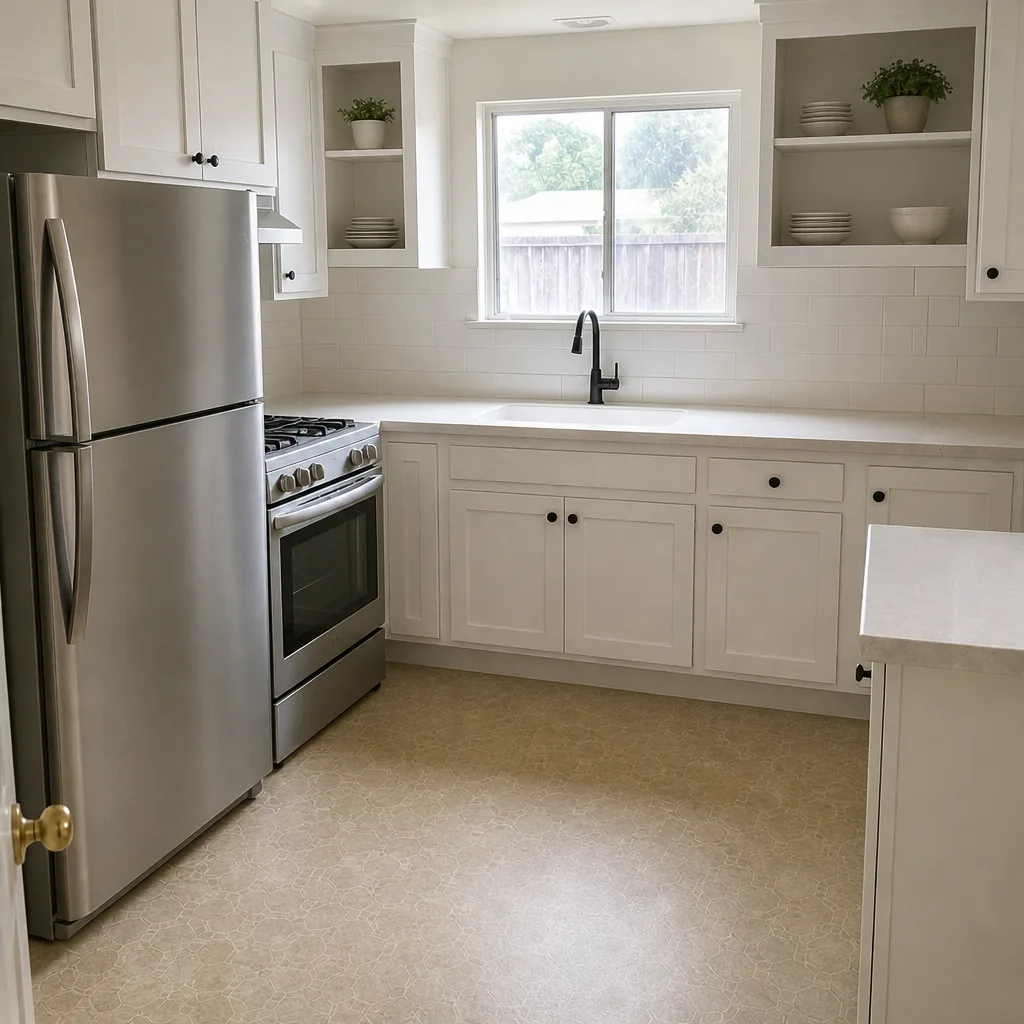 After
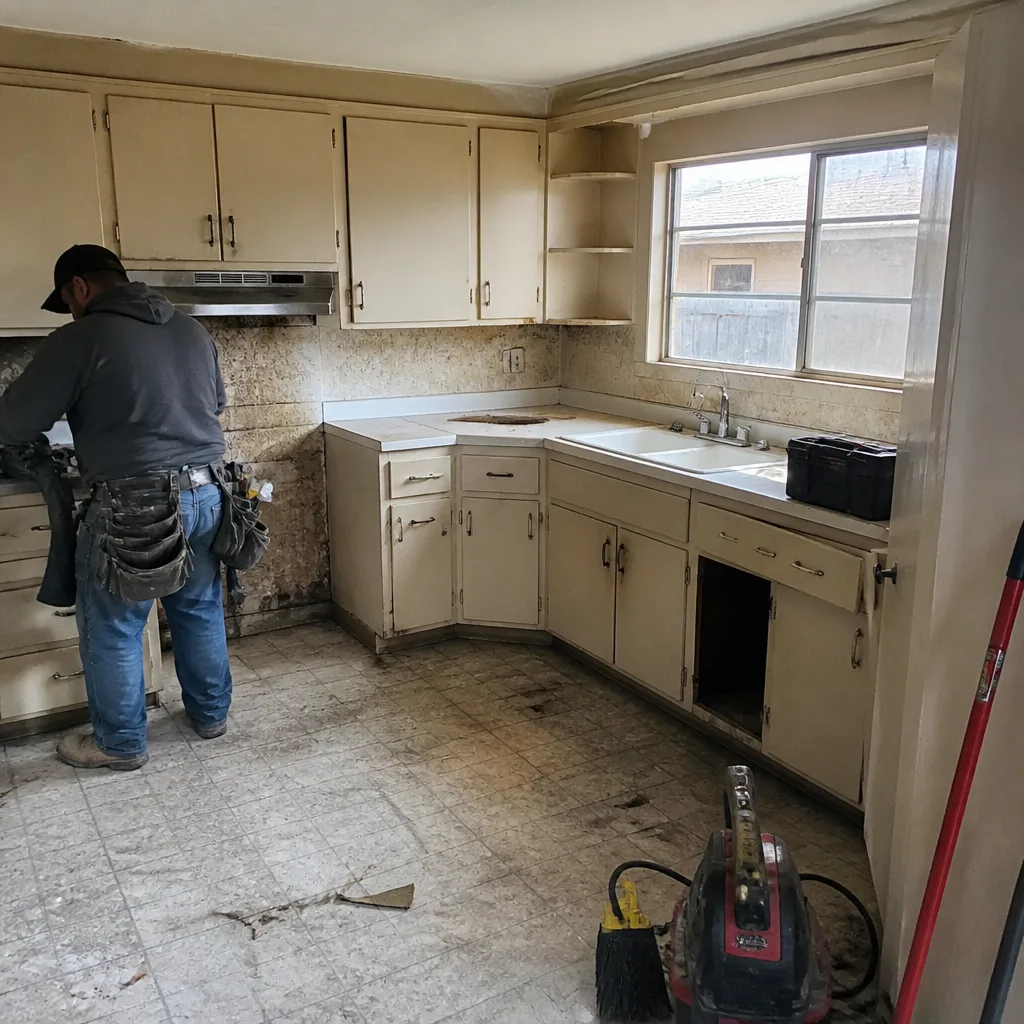 Before
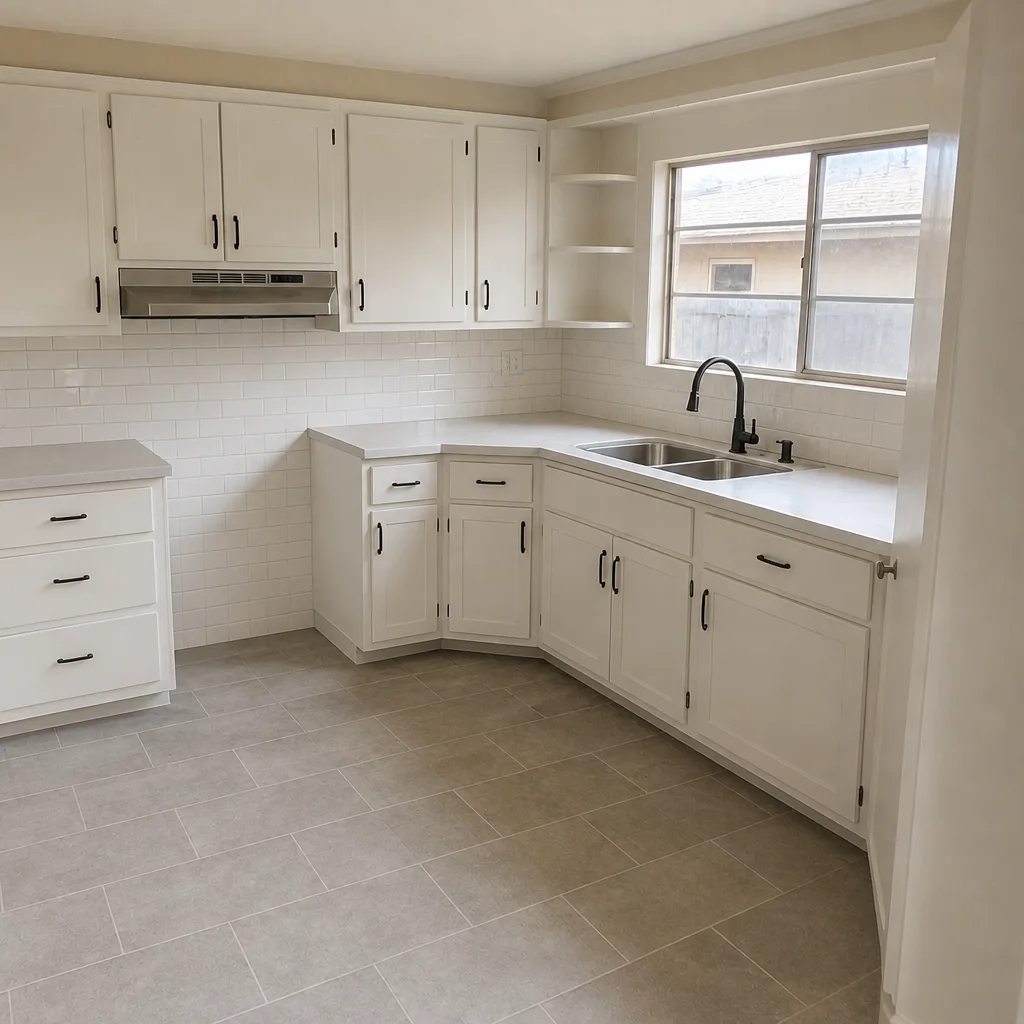 After
When to Call a Professional
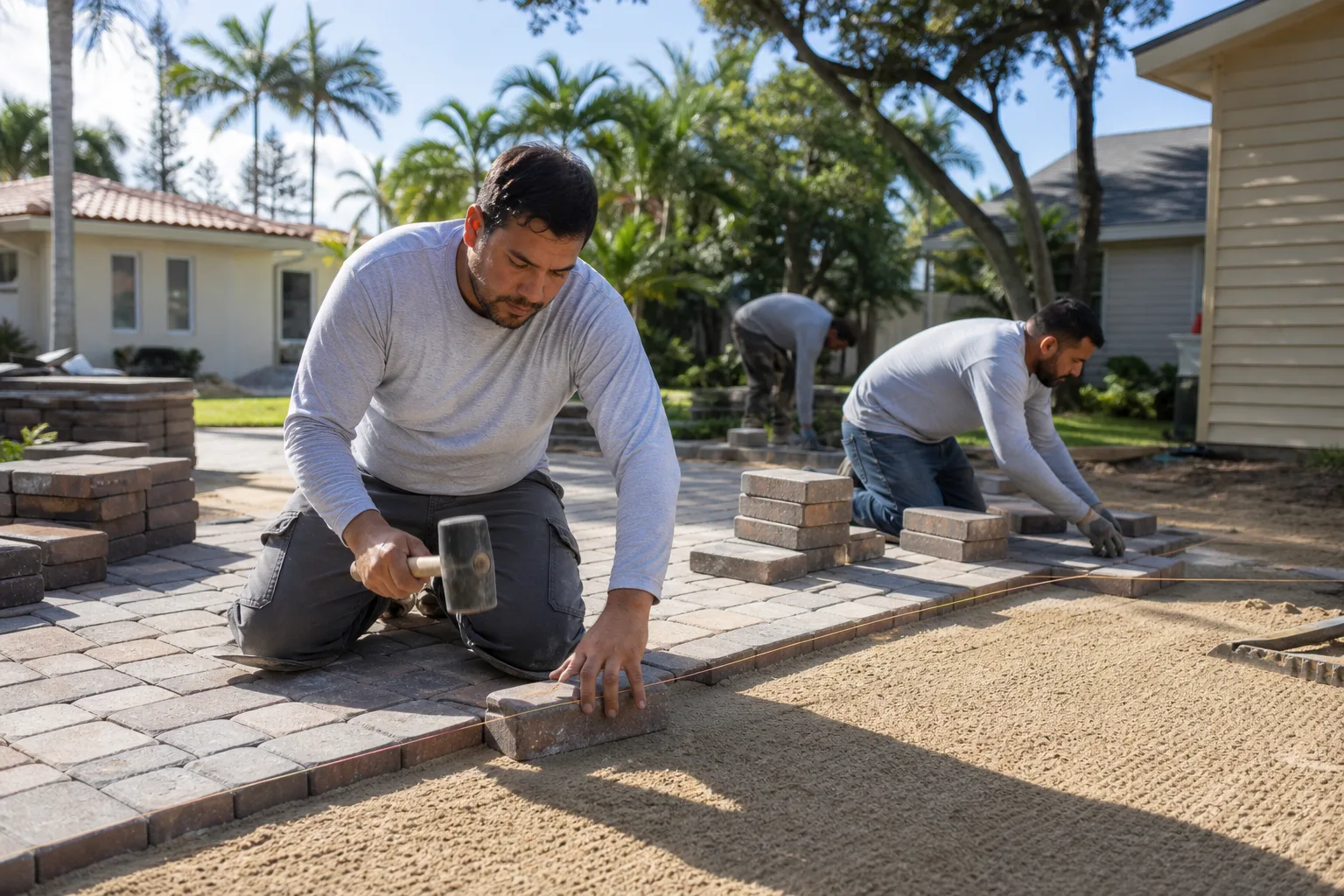
Call a professional when your existing driveway is showing any of the following: rocking or shifting pavers, transverse cracking that returns after repointing, ponding that gets worse each winter, or settling near the garage apron. Those symptoms suggest base failure, not surface wear, and they get more expensive to fix the longer they’re left. Call a professional before signing any bid over about $5,000, too – the free-second-opinion review is the cheapest step you can take, and the cost of a poorly specified base is a rebuild in eight years.
Rowan Construction Group Hayward offers free estimates in Hayward – call (866) 863-1729 to schedule a site visit. We bring the documented photo record, the written price before any work starts, and a line-item bid you can compare against any other number you’ve received.
Frequently Asked Questions
A paver driveway in Hayward typically runs $14 to $30 per square foot installed, with concrete pavers on the low end of that range and natural stone on the high end. Base preparation accounts for the widest part of the variance – the required 8 to 10 inches of Class II base in Expansive Group D clay costs more than a 4-inch base would in a drier climate. Call (866) 863-1729 for a written line-item estimate; there’s no charge and no obligation.
Eight to 10 inches of compacted Class II aggregate base is the correct specification for Hayward’s Expansive Group D clay soil. That’s the number that accounts for seasonal soil movement. Anything less – including the 4-inch base common in drier California climates – is likely to fail within two to four wet winters. If a bid specifies less than 8 inches, ask the contractor what soil classification they assumed.
Often a standard building permit is enough, but a grading permit is required if the project excavates beyond the county’s earthwork thresholds, changes site drainage, or involves certain slope work. Building permit fees for a Hayward residential driveway repave typically run $150 to $400; a grading permit costs more. Ask any contractor to confirm in writing which permit applies to your site.
Belgard, Basalite, and Calstone all manufacture interlocking concrete pavers rated for the vehicular traffic a residential driveway sees, and all three have solid East Bay distribution. Calstone is manufactured locally in the Bay Area, which helps with color and lot matching. The paver brand matters less than the base spec, but on a $15,000 to $30,000 driveway, both deserve scrutiny.
A properly built paver driveway on 8 to 10 inches of Class II base, with rigid edge restraint, polymeric joint sand rated for movement, and correct drainage, should hold its surface and grade for 25 to 30 years with minimal maintenance. A driveway built on 4 inches of base in Hayward’s clay typically starts showing failure signs within two to eight years. The gap is almost entirely base construction.
Not without a signed change order. Rowan Construction Group operates under Clause 1 of the Haven Standard: the price is written before any work starts, and no change proceeds until the change order is signed. That administrative discipline is what has kept our projects within a few percent of the agreed number across thousands of jobs. If a Hayward driveway bid you’re evaluating doesn’t specify a change-order process, ask for one. Call (866) 863-1729 to walk through a bill for free.
The Bottom Line
The paver you choose is roughly the fourth-most-important decision on a Hayward driveway. The base depth comes first – 8 to 10 inches of Class II aggregate, in lifts, on Expansive Group D clay. The compaction method and edge restraint come next. The joint sand is fourth. The paver is fifth. Get the first four right and the surface holds for decades; get them wrong and the surface is a cosmetic mask over a base that’s going to fail within a handful of winters. Use the written bid checklist in this guide on every bid you receive – and if you’d rather not compare alone, Rowan Construction Group Hayward will review any written estimate line by line, for free.
Written by the team at Rowan Construction Group Hayward.
Ready to put a documented plan and a written price behind your driveway project? Call Rowan Construction Group Hayward at (866) 863-1729 to schedule your free estimate, review the full scope of our Driveway & Pavers in Hayward work, browse the Rowan Construction Group Hayward home for our seven trades, and see how we handle adjacent site work through Fence Installation in Hayward and Home Additions & ADU in Hayward when a hardscape project becomes a larger outdoor build.