Last updated November 18, 2026






Free written scope consultation - allowances, timeline, and change-order rules on paper before a single trade is scheduled
Home Additions & ADU Warning Signs Every Homeowner Should Know
Most homeowners start paying attention during framing, when the 2x4s go up and the project finally looks real. By then, the decisions that sink an addition have already been made. The costly problems – a lump-sum contract with no trade breakdown, a plan set missing its Title 24 energy report, a permit that was applied for but never issued – are all visible before the first shovel hits the ground. In Hayward, where lots are tight, lots slope, and the permit counter runs on documentation, the pre-construction phase tells you almost everything. This guide covers what to look for at each stage, from contract signature to final inspection.
Quick Answer
The biggest warning signs on a home addition or ADU project appear before construction starts: contracts with no trade-by-trade breakdown, plan sets missing required documents like Title 24 reports or structural calculations, and permits that were applied for but never actually issued. If a contractor can’t hand you a written price with a written scope, show you a complete plan set, and prove the permit is active in the city’s portal, the project has a problem no amount of good framing will fix.
Styles & brands we work with
- Kitchen remodeling
- Bathroom remodeling
- Home additions & ADU
- Roofing
- Windows & doors
- Driveway & pavers
- Fence
Table of Contents
- Contract Red Flags Before You Sign
- Plan Set Completeness Checklist
- How to Verify a Permit Is Actually Issued
- Mid-Construction Signals That Documentation Will Stop
- Subcontractor License and Insurance Verification
- Hayward-Specific Conditions That Create Problems
- Common Mistakes to Avoid
- Frequently Asked Questions
Contract Red Flags Before You Sign
A set of ADU plans submitted to the city without a Title 24 energy compliance report attached is close to guaranteed to trigger a plan check correction, adding weeks to your timeline. That missing document is visible before you pay a permit fee – if you know to look for it. The same logic applies to the contract itself. For an ADU over $50,000, a lump-sum figure with no trade breakdown is a warning sign, not a convenience. You should be able to see what you’re paying for cabinets, framing, electrical, roofing, and site work separately.
Watch for these specific clause problems:
- “Similar or equivalent materials.” If the contract says this instead of naming a brand and grade – KraftMaid versus an unnamed box cabinet, GAF versus an unspecified shingle – you have no way to hold the contractor to the scope. The price should reference named products.
- No change-order procedure language. A clean contract states that no work proceeds on any change until the change order is signed. If that sentence isn’t in the document, changes will happen verbally and appear on the final invoice.
- No written warranty and no written scope. The quote should be a flat price with a written scope and a written warranty attached. “We’ll take care of you” is not a warranty.
In our experience, a written price and a written scope in the same document is the single clearest indicator of a contractor who expects to finish within a few percent of the agreed number. When you get a quote from another contractor, bring it to us for a free second opinion – we’ll review it line by line at no charge. For Hayward homeowners planning an addition, the same discipline applies, whether the project runs through a prefab builder like Plant Prefab or Dvele and a site-assembly contractor, or sticks to a conventional stick-built plan. Either way, the contract has to name the parts.
Plan Set Completeness Checklist
A complete ADU plan set for a Hayward permit submittal includes more than drawings. Plan check staff will look for the following, and any missing item means a correction cycle:
- Site plan showing the lot, existing structure, proposed ADU footprint, setbacks, and utility connections.
- Floor plan with room dimensions, door and window swings, and the kitchen and bath layout.
- Exterior elevations on all four sides, showing roof pitch, siding, and finish materials.
- Foundation plan with footings, slab detail, and anchor specifications.
- Structural calculations stamped by the responsible engineer – especially on hillside lots common in the Hayward hills.
- Electrical single-line diagram showing panel, circuits, and load calculation.
- Title 24 energy compliance report – the document missing most often, and the one that slows the process the most.
When a contractor says “the city will figure it out” about a missing piece of that list, that phrase is the alarm. Plan check doesn’t negotiate. It returns the package with a correction notice, and the clock restarts. Ask to see the full set before it goes in, and count the seven items yourself. We’ve watched Homeowners in Hayward lose six to eight weeks to a single missing energy report that could have been caught at the kitchen table.
If the scope is an addition rather than a standalone ADU, see what our Home Additions & ADU in Hayward work looks like on paper before the first meeting.
How to Verify a Permit Is Actually Issued
“Applied for” and “issued” are not the same permit status, and the difference is where projects quietly stall. A permit application is a document the city has received. A permit is a document the city has approved and activated. Until the permit is issued, no inspections can be scheduled, and no legal work should begin.
Follow these steps to confirm status:
- Go to the city’s online permit portal. Hayward maintains a searchable permit database where you enter the address or permit number.
- Check the status field. “Issued” or “Active” is what you want. “Applied,” “Submitted,” or “Under Review” means you are still waiting.
- Confirm the permit type and scope. The issued permit should describe the addition or ADU, not a generic remodel.
- Look for the permit card on-site. A valid card should show the permit number, the issue date, and inspection signatures as work progresses.
- Confirm the licensed contractor named on the permit. The name should match the contractor on your contract, not a subcontractor you’ve never met.
Ask for the permit number in writing. A contractor who can produce it in a text message within an hour is a contractor who actually has one. Anyone who deflects that request with “the office will get back to you” is telling you something. This single verification step catches more pre-construction problems than any other.
Mid-Construction Signals That Documentation Will Stop
Even with good paper, mid-project issues happen. What separates a manageable snag from a runaway job is whether the contractor documents the correction and pauses work until the hold-point clears. These four signals mean something is off:
- Framing inspection failed but work continued. A failed framing inspection means the sheathing, nailing, or hold-downs are wrong. Work should stop until it passes. If drywall went up over failed framing, the next inspection reveals it at your expense.
- Concrete poured without the inspection hold-point cleared. Foundation inspections are hold-points – the city must sign off before the pour. A footing poured without a signature is work that may need to be demolished.
- Subcontractors who can’t name the general contractor when asked. Every sub should know who holds the contract. If the plumber doesn’t know which GC they’re working for, the insurance and license chain is broken.
- No photo record of what was covered. A documented photo record on every visit is a standard deliverable, not an upgrade – it’s how you know what was found inside the wall before the drywall closed it.
Each of those signals triggers the same documentation step: ask for the inspection result, the correction notice, and the inspector’s signature – in writing, with a date. Then confirm no work proceeds on that item until it clears. Under Clause 1 of the Haven Standard, no work proceeds on any change until the change order is signed, and the same logic applies to any inspection hold-point.
Subcontractor License and Insurance Verification
A subcontractor’s word about their license and insurance is not enough. Both are publicly verifiable, and both take under five minutes to check.
License. The California State License Board (CSLB) runs a public lookup at cslb.ca.gov. Enter the license number and confirm three things: the license is active, the classification matches the work (a B general building license for structural work, C-10 for electrical, C-36 for plumbing), and there is no disciplinary action on file. Verbal confirmation from the sub is not sufficient because licenses can be suspended without notice, and a suspended license carries a real liability for the homeowner.
Insurance. A valid certificate of insurance should name the general contractor as additional insured, not just list a policy number. That phrase – “the GC is named as additional insured” – is the one that matters, because it means if the sub damages your home or injuries someone on-site, the GC’s insurance responds alongside the sub’s. Ask for the actual certificate, not a screenshot of an email.
We’ve seen more than one Hayward ADU project stall because a framing sub’s workers’ comp had lapsed months before the framing inspection. The homeowner never knew – until the claim arrived. Requesting and checking both documents at the start of the project is the shield.
Hayward-Specific Conditions That Create Problems
Hayward’s conditions create specific failure modes that generic checklists miss. Three matter most:
- Hillside grading and expansive soils. Large portions of the Hayward hills sit on clay-rich soil that swells and shrinks with seasonal moisture. A foundation plan that doesn’t call for engineered piers, proper drainage, and reinforced footings will show cracking within a few years. It should be visible in the structural calculations before you sign.
- Older flat-roof and low-slope construction in the flatlands. Much of the housing stock in Hayward’s central neighborhoods has flat roof sections and mid-century framing details. Additions adjoining these need roof-to-wall flashing details drawn in – a detail that is often dropped from plans that use generic stock drawings.
- Plan check turnaround variability. Hayward’s plan check timelines vary with staff and project complexity, which means a complete, well-documented submittal saves weeks. Missing documents cost the most here.
The same week of documentation that saves you a correction cycle on a hillside lot also holds on a flat-lot addition in the Hayward flats. Details differ, but the discipline is identical. The same care goes into our Driveway & Pavers in Hayward work, where drainage and site grading matter just as much as they do to a foundation. And because additions often push out to the property line, a matching fence detail is worth reviewing early through our Fence Installation in Hayward guide.
Common Mistakes to Avoid
- Signing a lump-sum contract with no trade breakdown. Over $50,000, a single line item with no named materials or trade splits gives you no leverage to demand what you’re paying for. Insist on a written scope naming brands and grades.
- Treating an “applied for” permit as “issued.” Until the permit is active in Hayward’s portal, no inspections can be scheduled. Ask for the number and verify the status yourself.
- Accepting “the city will figure it out” on a missing Title 24 report. That phrase means the plan set is incomplete. Every missing document becomes a correction cycle and a delay measured in weeks.
- Skipping the CSLB lookup because the contractor seemed trustworthy. Trust is good. Verification takes five minutes and prevents an active-license problem from becoming your insurance claim.
- Not naming the GC as additional insured on sub-insurance certificates. A certificate without that phrase leaves you as the party carrying the loss if something goes wrong on-site.
- Letting work continue after a failed inspection. A failed framing inspection that doesn’t stop work becomes a hidden defect. Work resumes only when the inspection passes, in writing.
- Treating a prefab ADU as a turnkey purchase. Even with a manufacturer like Mighty Buildings or Boxabl, the site work, foundation, hookups, and permits still run through a local contractor. Check the local side of the paperwork first.
See the difference
 Before
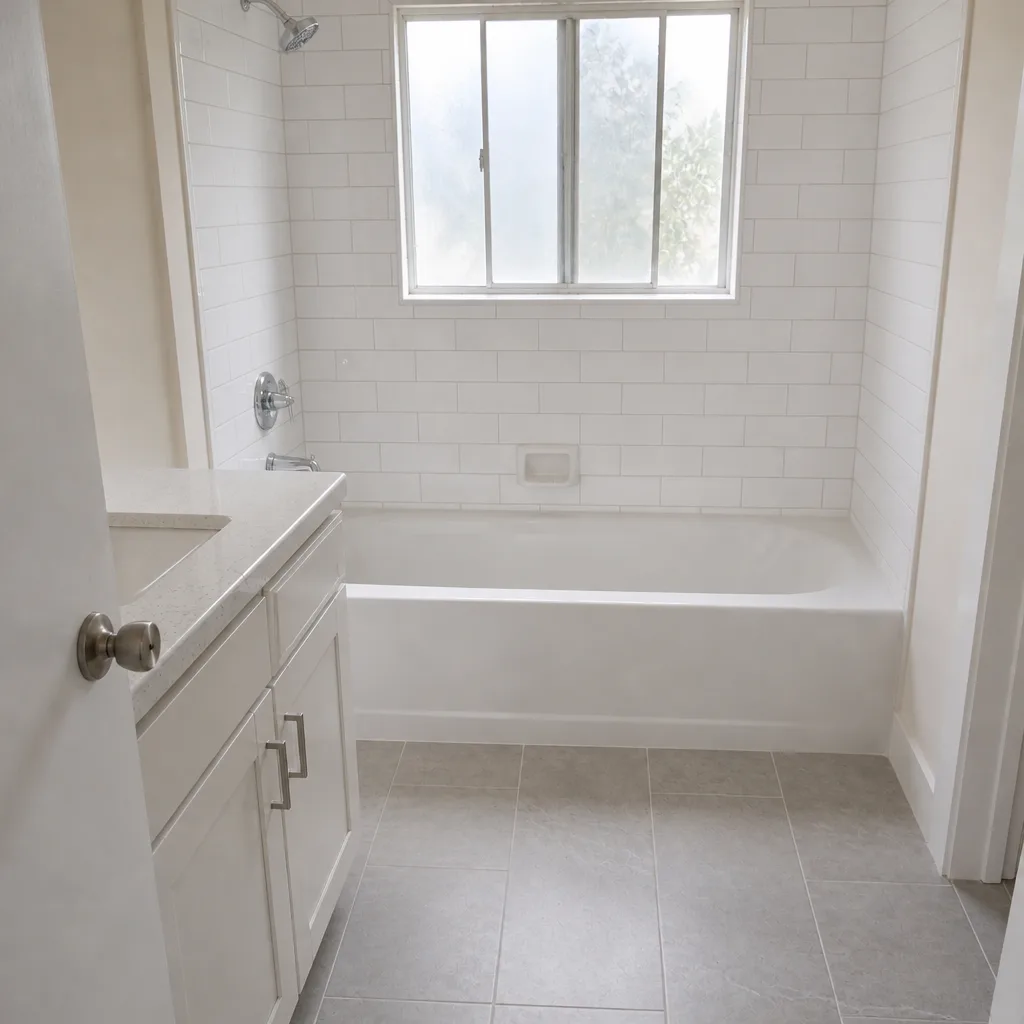 After
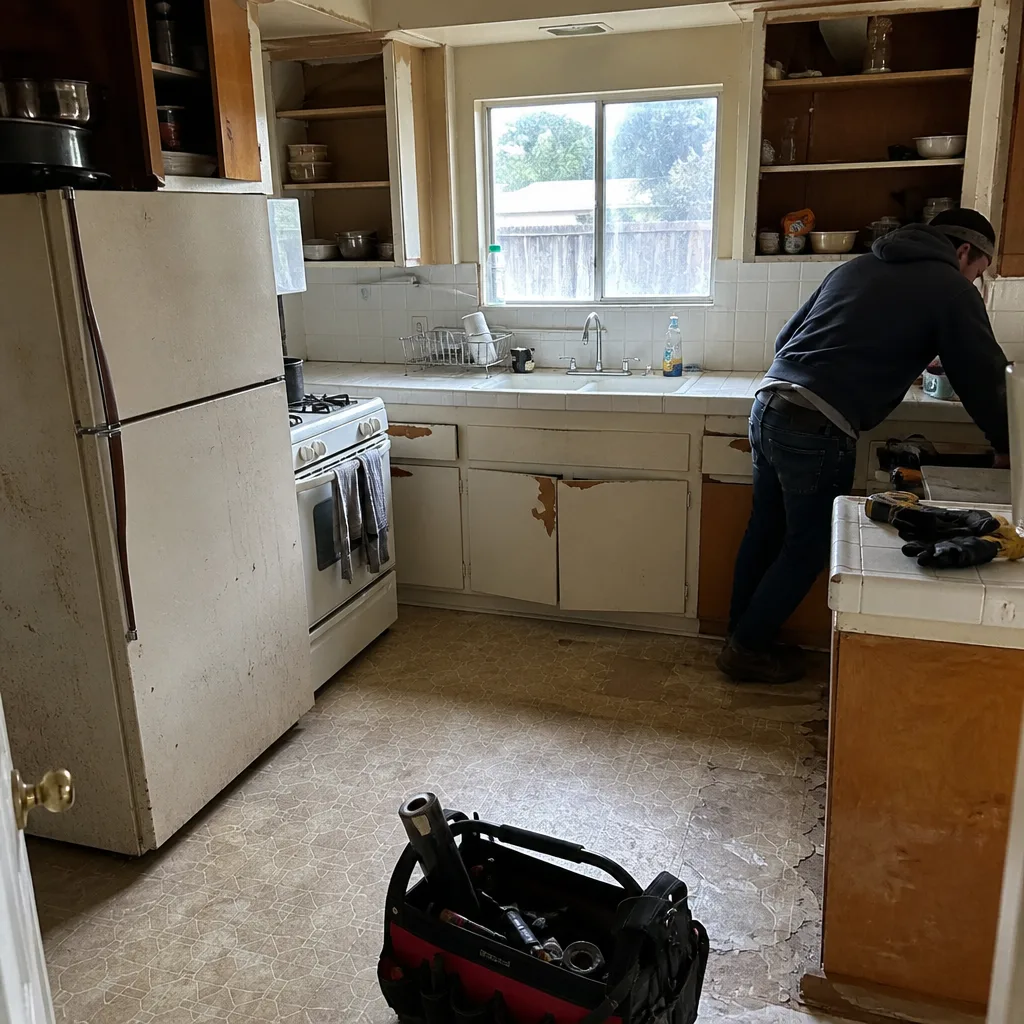 Before
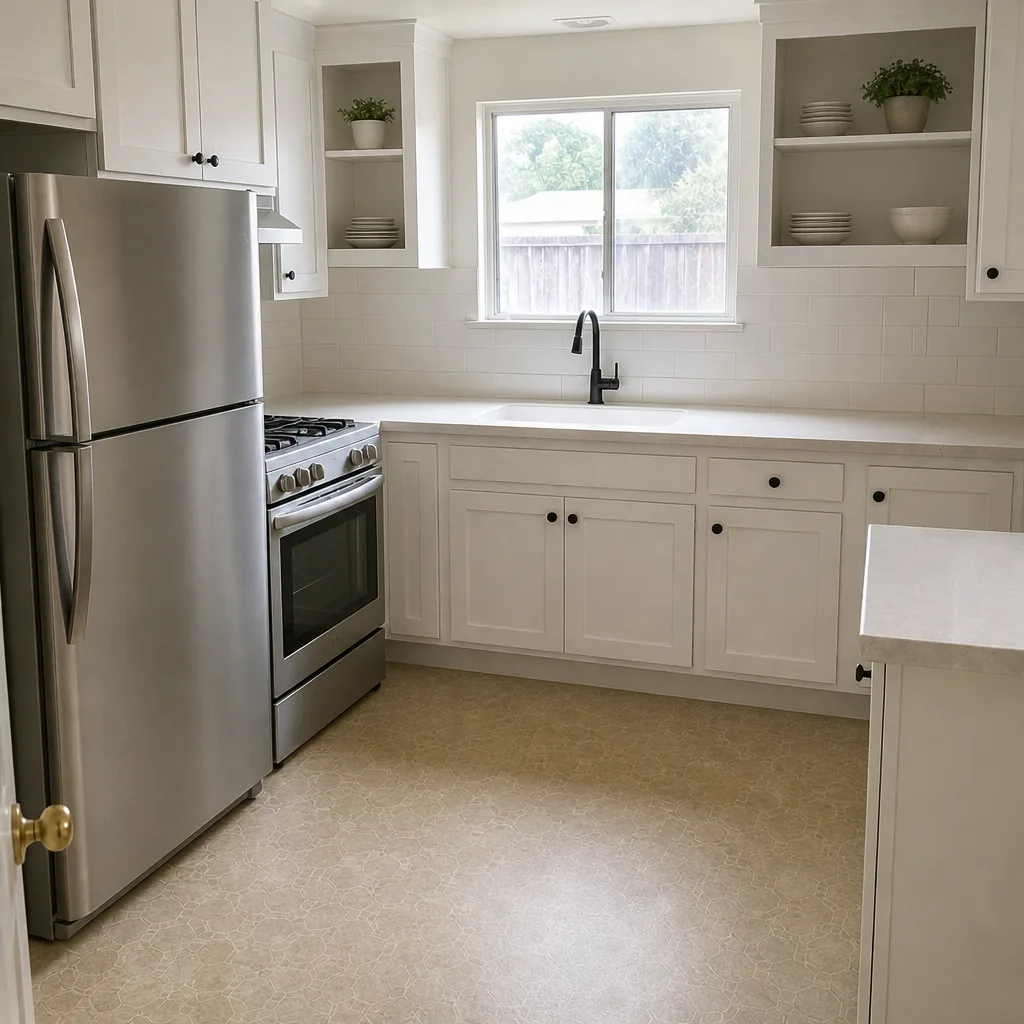 After
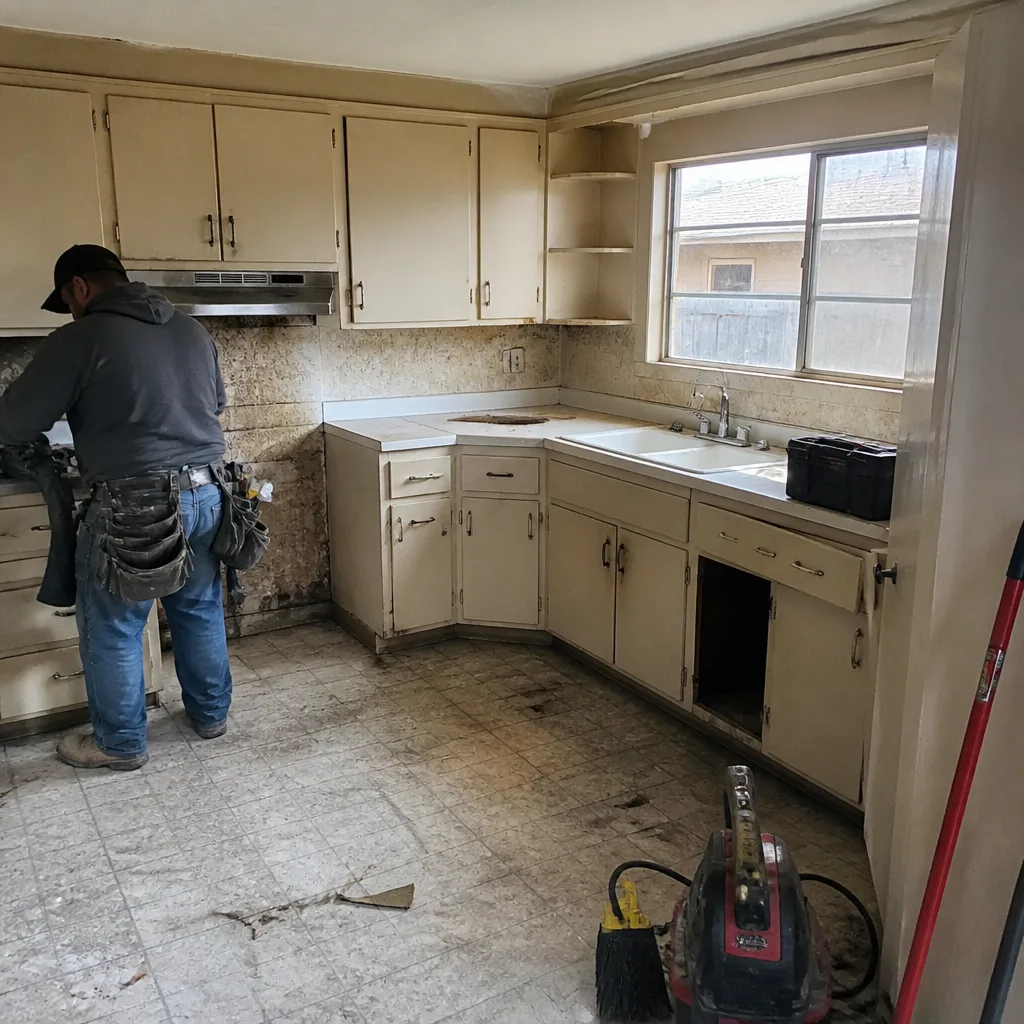 Before
 After
When to Call a Professional

Call us when you’re holding a contract you don’t fully understand, a plan set you can’t verify, or a permit status you can’t confirm – especially if the project involves structural work, foundation engineering, or Title 24 compliance. Those are not the moments to rely on a verbal assurance. They’re the moments where a second set of eyes pays for itself. Rowan Construction Group Hayward builds to a written price with a written scope and a written warranty, backed by the 365-Day Done Right Promise. We offer free estimates across Hayward and will review any competitor’s written estimate line by line at no charge. Call (866) 863-1729 to schedule yours.
Frequently Asked Questions
The most common warning sign is an incomplete plan set, and the document most often missing is the Title 24 energy compliance report. If the plan set going to Hayward plan check doesn’t include all seven required pieces – site plan, floor plan, elevations, foundation plan, structural calculations, electrical single-line, and Title 24 – you’re buying a correction cycle before you’ve paid a permit fee. Ask to see the full set before it’s submitted. If you’re not sure what’s in it, call (866) 863-1729 and we’ll walk through it with you.
Use Hayward’s online permit portal, search by address or permit number, and confirm the status reads “Issued” or “Active” – not “Applied” or “Under Review.” Then ask for the permit card on-site and check that it shows the permit number, the issue date, and inspection signatures as work proceeds. Ask the contractor for the permit number in writing. A contractor who can text it to you the same day is a contractor who has one.
The contract should state plainly that no work proceeds on any change until a written change order is signed by both the homeowner and the contractor. The clause should name who signs, what constitutes a change, and how the change affects price and schedule. That single sentence prevents the most common cost overrun on addition projects, and it’s why our projects finish within a few percent of the agreed number. For a line-by-line look at a contract or estimate you’re holding, call (866) 863-1729 and we’ll review it free of charge.
No. A prefab ADU still requires a local permit, a foundation plan signed by an engineer, utility hookups inspected on-site, and Title 24 energy compliance documentation. The factory supplies the building; the local side supplies the permit, the site work, and the inspections. Because the site side is where the risk concentrates, it’s the side to check first – and the reason to work with a licensed local contractor even when the building arrives pre-built.
It needs to name the general contractor as additional insured, not just list a policy number and an expiration date. That phrase is the one that means the sub’s insurance responds alongside the GC’s if a claim is filed. Ask for the actual certificate before work starts, and confirm the policy is current. Verbally confirming insurance isn’t sufficient, because a lapsed policy creates a gap nobody sees until a claim arrives.
Stop work and request the correction notice in writing, with the inspector’s signature and date. Do not allow drywall or any other covering work until the inspection passes. A failed framing inspection means the structural work does not meet the code, and continuing over it makes the defect permanent and hidden. In Hayward, this is one of the moments where a documented photo record protects you. If you need a second opinion on the work in progress, call (866) 863-1729 for a free estimate review.
The Bottom Line
Most of the warning signs on a home addition or ADU appear in three documents: the contract, the plan set, and the permit record. A written price with a written scope and a written warranty protects you before work starts. A complete plan set with all seven documents, including the Title 24 report, prevents weeks of plan check delay. A verified permit – actually issued, not just applied for – ensures inspections can happen. Add the CSLB check and the certificate of insurance naming the GC as additional insured, and you’ve covered the pre-construction phase. Get those right, and mid-construction problems become manageable. Skip them, and they compound. The Rowan Construction Group Hayward home page lists the trades we handle, and the Home Additions & ADU in Hayward page walks through what a Rowan addition project looks like step by step.
Written by the team at Rowan Construction Group Hayward.