Last updated November 18, 2026
Free written scope consultation - allowances, timeline, and change-order rules on paper before a single trade is scheduled
DIY vs Professional Fence Installation: What’s Safe to Do Yourself
Fence installation is one of the most popular DIY projects in California, and it’s also one of the most common sources of mandatory demolition orders. Not because the work was bad. Because the homeowner didn’t pull a permit, got the setback wrong by six inches, or failed to give the neighbor the 30-day written notice required under Civil Code 841. In Hayward, we’ve watched homeowners win the physical build and lose on the regulatory side, paying to tear down a fence they assembled perfectly. This guide separates those two questions so you know exactly which parts of the job are safe to do yourself and which ones carry risk that has nothing to do with your skill with a level.
Quick Answer
Most of the physical work of building a fence is DIY-safe for a competent homeowner: layout, post hole digging with a rented auger, concrete pour, and panel hanging. The parts that are genuinely risky are regulatory and legal: verifying zoning compliance with Hayward’s Planning Division, confirming height and setback rules, and sending your neighbor written notice under California Civil Code 841. Do the physical work yourself and handle the paperwork correctly, or hand the whole job to a licensed contractor who pulls permits and documents the notice. Getting the build right and the compliance wrong is the one combination that costs you the most.
Styles & brands we work with
- Kitchen remodeling
- Bathroom remodeling
- Home additions & ADU
- Roofing
- Windows & doors
- Driveway & pavers
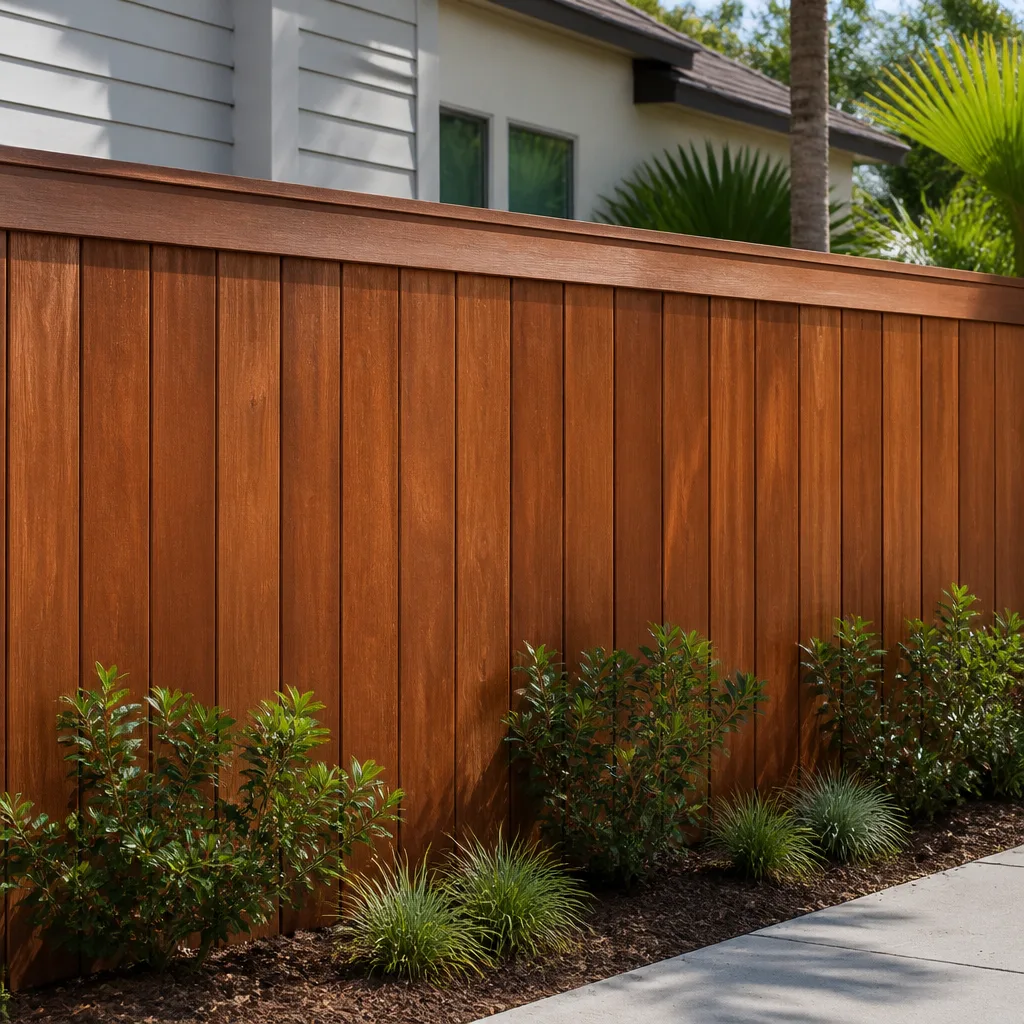
- Fence
Table of Contents
- The Regulatory Risk Most DIY Guides Skip
- Hayward Permit Requirements by Scope
- Physical DIY Feasibility by Task
- What Goes Wrong With DIY Posts in Hayward Clay
- DIY vs Professional Cost Comparison
- Neighbor Notification Under Civil Code 841
- The Honest DIY Verdict by Scope
The Regulatory Risk Most DIY Guides Skip
The question that matters is not whether you can build a fence. It’s whether you can legally build the fence you’re planning, on the line you’re planning to build it on. Those are two different problems with two completely different failure modes. A poorly built fence leans and gets replaced. A non-compliant fence gets demolished on order, sometimes years later, often when you’re trying to sell the house and the buyer’s inspector flags it.
In Hayward, the regulatory side runs through the city’s Planning Division, not just Building. That distinction trips people up. A fence under six feet in a rear or side yard generally doesn’t need a building permit, which is where the “no permit required” advice on most DIY sites comes from. But “no building permit” is not the same as “no rules.” Zoning still governs height, setback from the property line, corner-lot visibility triangles, and front-yard restrictions. A fence that violates any of those is a code violation whether or not a building permit was ever required.
The fix is simple and cheap. Call Hayward’s Planning Division before you buy a single post. Ask two questions: what’s the maximum height allowed in your specific yard location, and what’s the required setback from the property line. Have your address and the intended fence line ready. That call takes about fifteen minutes and it’s the single highest-value step in the whole project. We’ve seen it prevent demolition orders that ran into the thousands of dollars on fences that looked perfectly fine from the street.
For a fuller picture of how we handle the permitting and documentation side on projects across Hayward, our Fence Installation in Hayward page walks through the process line by line.
Hayward Permit Requirements by Scope
Here’s how the rules break down by fence type and location. This is a general guide, not a substitute for the fifteen-minute Planning Division call, because your specific lot and zoning matter and the city has the final word.
- Rear and side yard fence under 6 feet: Generally no building permit required, but zoning compliance for height and setback still applies. Verify with Planning.
- Rear and side yard fence over 6 feet: Typically requires a building permit and a plan check. Budget for the permit fee and the inspection wait.
- Front yard fence: Height limits are tighter in front yards and vary by zoning district. This is the location most likely to fail inspection. Confirm the limit in writing before building.
- Corner lots: Visibility triangles at the corner restrict fence height near the intersection. A fence that’s legal on an interior lot can be a violation on a corner.
- Fence on or near a property line: Setback requirements apply. Being six inches in the wrong direction is enough to trigger a notice.
- Retaining walls under the fence: If your grade change needs a retaining wall over a certain height, that’s a separate structural permit with its own plan check and inspection.
The pattern to notice: the further you get from a simple six-foot rear fence, the more paperwork enters the picture. Front yards, corners, and any fence that retains soil are where DIY projects most often discover they needed a permit after the fact.
Physical DIY Feasibility by Task
Now the part most people actually worry about: can you build it? For a standard wood fence on reasonably level ground, yes, most competent homeowners can. Here’s the honest breakdown of each step.
- Layout and post marking: DIY-safe. Run a string line, mark post positions at consistent spacing, and double-check your line against the property pins. Get the pins located professionally if you can’t find them; that’s cheap insurance against building on the wrong side of the line.
- Post hole digging in Hayward clay: DIY-feasible with the right tool. A rented power auger runs $80 to $120 for a day and handles Hayward’s heavy clay far better than a manual post-hole digger. Hand-digging in dry clay is slow and produces a hole that wanders off plumb at depth. The auger keeps the hole straighter.
- Concrete mixing and pour: DIY-safe. Mix to the bag spec, pour, and check plumb while the concrete is still workable. Set each post with a level and brace it until the concrete cures. This is tedious work with high consequences for getting it wrong on the first post, so slow down on the first two and the rest go quickly.
- Panel hanging: DIY-safe with two people. One person holds, one fastens. Trying to hang panels alone is where most do-it-yourselfers injure their backs or crack a rail.
- Grade measurement and height compliance: The step most DIY errors occur on. You need a level and some careful math to confirm the fence is within the height limit measured from the correct grade reference. Getting this wrong is exactly what turns a finished fence into a demolition order, and it’s why the Planning Division call matters before the physical build.
The tasks that are clearly not DIY-appropriate are any fence that requires a retaining wall, work that needs excavation near a property line with possible utilities, and any build that involves engineered plans. Those are contractor territory. For the wider set of exterior projects around a Hayward home, our Driveway & Pavers in Hayward page shows how larger site work gets documented.
What Goes Wrong With DIY Posts in Hayward Clay
Hayward’s soil is heavy clay, and clay does two things to fence posts that nobody warns you about. First, it holds water. Second, it expands and contracts seasonally as that water moves in and out, and that movement pushes against anything buried in it. A post set in concrete in clay without drainage at the base will heave, tilt, and eventually fail, regardless of how plumb it was on the day you set it.
The failure usually shows up a year or two later as a fence that’s leaning in one direction, and by then the fix is pulling posts, not patching panels. In our experience working across Hayward, this is the most common long-term defect on owner-built fences, and it has nothing to do with how carefully the panels were hung. The post was doomed from the pour.
The mitigation is drainage at the base of each hole: a few inches of gravel aggregate beneath the concrete so water has somewhere to go instead of pooling against the post. A rented power auger also produces a straighter hole than hand digging, because clay walls shear cleanly rather than crumbling, but a clean hole doesn’t fix drainage. You still need the aggregate layer, and you still want to set the post deep enough for the local frost and moisture conditions the city expects.
If your yard drains poorly to begin with, or you’re building on a slope, this is where a professional install earns its keep. We’ve walked plenty of Hayward yards where the right answer was a drainage correction before the fence ever went up.
DIY vs Professional Cost Comparison
Here are honest numbers for a 100-linear-foot wood fence, which is a typical backyard run. These are material and labor figures, not including permits or any site correction.
- DIY wood fence materials (posts, rails, pickets, hardware, concrete): $900 to $1,400
- DIY tool rental (power auger, one day): $80 to $120
- Professional installation, same 100-foot scope: $2,800 to $4,200
- The gap: $1,400 to $2,800
That gap is the entire value question, and it is not a skill question. The materials are the same either way. What the professional carries into the job is the Planning Division verification, the permit if one is required, the proper post depth and drainage spec for clay, the documented photo record of what was found and what was done, and a written warranty if something fails. If you’re confident on every one of those fronts, the DIY route saves real money. If you’re not, the gap is the price of not learning about a heave or a setback violation two years from now.
We quote fence work as a flat written price with a written scope before anything starts, so you can compare your DIY material estimate against a professional number side by side. That number is a number you can screenshot and take to the bank. It also pairs naturally with larger exterior work, which is where a flat quote across trades gets useful; our Home Additions & ADU in Hayward page shows the same written-price discipline on bigger scopes.
Neighbor Notification Under Civil Code 841
Even on a fully DIY project, the California Civil Code 841 written notice matters, and it costs almost nothing to do right. Civil Code 841 governs fences on or near a shared property line and requires you to give your neighbor written notice before building. The notice gives them a window to respond, typically 30 days, and a documented notice protects you if a dispute arises later. Fence disputes between neighbors in California carry real legal weight, and the homeowner with a certified mail receipt is in a far better position than the one who had a conversation over the back fence.
The step itself is simple. Send the written notice by certified mail, keep the green receipt and a copy of the letter, and photograph the letter before it goes in the envelope. That’s an $8 step that prevents the most common fence legal dispute in the state.
- Write a short letter identifying your address, the boundary fence location, and the intended height and material.
- Describe the shared-line nature of the fence and your intent to build or replace.
- Give the neighbor the required response window.
- Send it certified mail with return receipt requested.
- Keep the letter copy, receipt, and a photo in one folder, digital or paper.
Do this whether you build the fence yourself or hire someone. A professional installation includes documentation of the notice; a DIY build needs you to handle it, and it’s the easiest part of the whole job.
The Honest DIY Verdict by Scope
Here’s our straight read on which scopes belong in your hands and which belong with a contractor.
- Straightforward six-foot rear fence on level ground with clear property pins: DIY-appropriate if you do the Planning call and send the certified notice. Save the labor gap.
- Front yard fence, corner lot, or anything over six feet: Pull the permit and plan check. The compliance risk outweighs what you save in labor, and the failure mode is demolition, not a lean.
- Sloped yard, poor drainage, or clay with known expansive soil: This is where drainage correction often precedes the fence. Get it right with a professional install.
- Any fence on or against a retaining wall: Structural permit territory. Not a DIY job.
- Shared property line with a difficult neighbor history: Documentation wins disputes. A professional install with a documented photo record and proper notice is cheaper than litigation.
If you decide to build it yourself, you’ll find real value in the wider set of exterior benchmarks we hold ourselves to; start at the Rowan Construction Group Hayward home page to see the written-price and documentation standard across every trade.
Common Mistakes to Avoid
- Skipping the Planning Division call. Fifteen minutes prevents demolition orders. The permit question and the zoning question are different, and only Planning answers the second one.
- Forgetting the certified Civil Code 841 notice. A verbal heads-up to the neighbor is not notice. Certified mail with a kept receipt is the protection that matters.
- Hand-digging post holes in dry Hayward clay. The hole wanders off plumb at depth and the post inherits the lean. A rented auger keeps it straight.
- Skipping the gravel base in each hole. Concrete poured straight into clay traps water against the post. Season after season, the post heaves.
- Measuring height from the wrong grade reference. This is the single most common DIY height violation, and it’s a compliance failure even on a beautiful fence.
- Building off the property pins without locating them. Six inches on the wrong side of the line is enough to trigger a dispute and a removal order.
- Building a front-yard fence to a rear-yard height limit. Front yards carry tighter limits, and the inspector measures the one you built.
See the difference
 Before
 After
 Before
 After
 Before
 After
When to Call a Professional
Call a licensed contractor when your fence needs a building permit, when it sits in a front yard or on a corner lot, when your yard is sloped or drains poorly, when a retaining wall is involved, or when the property line is disputed. Those are the scenarios where the compliance and documentation side of the job is worth more than the labor savings. A professional install carries the Planning verification, the permit, the proper clay-soil post spec, the documented photo record, and the written warranty in one package, and the math usually favors it once you price out what a demolition order costs. Rowan Construction Group Hayward offers free estimates in Hayward, including a free second opinion on any written estimate you already have; call (866) 863-1729 to schedule one.
Frequently Asked Questions
A fence under six feet in a rear or side yard generally doesn’t require a building permit but still needs zoning compliance verified with Hayward’s Planning Division. Fences over six feet, front-yard fences, and fences on corner lots typically do require a permit and plan check. Call Planning with your address before you buy materials.
Yes. Homeowners can build fences on their own property, provided they meet height and setback rules and give the neighbor written notice under Civil Code 841 before building on a shared line. The building itself isn’t the legal risk; the compliance and notice steps are. Call (866) 863-1729 if you’d like a professional read on your specific lot.
For 100 linear feet of wood fence, DIY materials run about $900 to $1,400 including a one-day power auger rental of $80 to $120, while professional installation of the same scope runs $2,800 to $4,200. The gap is $1,400 to $2,800, and that gap buys permits, proper clay-soil post depth, documentation, and a warranty. Call (866) 863-1729 for a flat written quote on your exact run.
Clay holds water and expands and contracts as that water moves, pushing against buried posts seasonally. A post set in concrete without a few inches of gravel aggregate at the base has nowhere for water to drain, so it tilts and eventually fails one or two seasons in. The fix is drainage at the base and a properly deep set, which is the step most DIY builds skip.
Yes. Civil Code 841 notice is required regardless of who builds the fence, and it should be sent by certified mail with the receipt kept. The notice gives your neighbor a response window and protects you if a boundary dispute arises later. That eight-dollar step is the single best legal protection on a fence project.
Building to the correct height but from the wrong grade reference, which fails compliance even on a well-built fence. The second most common is skipping the Planning Division verification entirely, then discovering a setback or corner-lot visibility issue after the fence is up. Call (866) 863-1729 for a free second opinion on your plan before you build.
The Bottom Line
The physical build of a fence is mostly within reach of a careful homeowner, and the material savings are real. The regulatory and legal side is where DIY projects fail, and those failures cost far more than the labor you saved. Verify zoning compliance with Hayward’s Planning Division, confirm height and setback in writing, dig post holes deep with a proper drainage base for Hayward clay, and send the Civil Code 841 notice by certified mail before you begin. Handle those four steps correctly and build it yourself if you want. Get any one of them wrong and the cheapest path is a licensed contractor who pulls the permit, documents the record, and stands behind the work with a written warranty.
Call (866) 863-1729 for a free estimate on your Hayward fence project. We’ll review your lot, confirm what your fence needs in the way of permits and notice, and hand you a flat written price with a written scope before anything starts. If you already have a competitor’s quote, bring it in for a free line-by-line second opinion.
Written by the team at Rowan Construction Group Hayward.