Last updated November 18, 2026


Free written scope consultation - allowances, timeline, and change-order rules on paper before a single trade is scheduled
Fence Installation Maintenance Schedule: What to Do and When
The most common wood fence maintenance mistake in Hayward is sealing a fence that hasn’t fully dried after winter. Applying a water-repellent over damp wood traps moisture against the grain and accelerates the internal rot the sealer was supposed to prevent. The correct window is May through early June, after the last significant rain and before summer drying sets in. What follows is the maintenance calendar we’ve built from watching Bay Area fences fail, season by season, with the species, products, and fastener details that actually extend service life.
Quick Answer
A wood fence in the Bay Area needs four scheduled maintenance windows a year: storm-damage inspection after each significant rain (December through February), cleaning and sealing in May through early June once the wood has dried, hardware tightening in August, and a pre-rain drainage check at the post bases in October. That routine costs roughly $60 a year in materials and prevents the $8,000 – $14,000 full replacement that skipped maintenance produces within 10 to 12 years.
Styles & brands we work with
- Kitchen remodeling
- Bathroom remodeling
- Home additions & ADU
- Roofing
- Windows & doors
- Driveway & pavers
- Fence
Table of Contents
- Why Hayward’s Moisture Cycling Drives Fence Failure
- The Annual Wood Fence Maintenance Calendar for the Bay Area
- December through February: Storm Damage Inspection
- May through Early June: Cleaning and Sealing Window
- Choosing Sealer and Stain by Wood Species
- August: Hardware Inspection and Fastener Replacement
- October: Post Base Inspection and Drainage Check
- When Maintenance Becomes a Repair Trigger
- Common Mistakes to Avoid
- When to Call a Professional
- Frequently Asked Questions
Why Hayward’s Moisture Cycling Drives Fence Failure
Hayward sits in a band of the East Bay where relative humidity swings from roughly 15% in late summer to 70% in the winter rainy season. Wood moves with that swing. Every wet winter, fence boards absorb moisture and swell in width. Every dry summer, they shrink back. The movement is small per season, but it never fully reverses, and the cumulative effect shows up first at the two weakest points on any wood fence: the post base, where soil holds moisture against the wood, and the fastener hole, where a screw has been working in and out of the grain for years.
We’ve seen what this looks like across Hayward neighborhoods close to the water, from the older stock in the Hayward Hills to the newer builds near Chabot College and along Foothill Boulevard. The pattern is consistent. A fence looks fine at year seven and is leaning at year eleven. The difference between those two outcomes is almost never the quality of the installation. It’s whether anyone probed the post base in October and whether anyone replaced the fasteners before the wood around them had a chance to rot.
The economics are stark. A full fence replacement in Hayward runs between $8,000 and $14,000 depending on linear footage, species, and gate count. A year of maintenance – a gallon of sealer, a box of stainless screws, one Saturday afternoon – runs about $60. That’s the whole argument for a maintenance schedule. The repair you prevent is two orders of magnitude more expensive than the maintenance you perform. If you’re at the point where the fence needs replacing rather than maintaining, our fence installation in Hayward page explains what a new build involves.
The Annual Wood Fence Maintenance Calendar for the Bay Area
This is the schedule we recommend to every Hayward homeowner we talk to. It follows the local climate rather than a generic national guide, because the specific sequence of wet and dry matters more than any particular product.
- December through February – storm inspection. Walk the fence line after each significant rain. Look for leaning posts, popped fasteners, split rails, and standing water at the base.
- May through early June – clean and seal. Once the wood has fully dried (a moisture meter should read under 15%), clean the surface and apply a penetrating oil-based stain or water-repellent preservative.
- August – hardware inspection. Tighten every screw and bolt. Replace any fastener that’s showing rust, corrosion, or a hole slightly larger than the shank.
- October – drainage and post base check. Clear soil and mulch from the bottom 4 inches of each post. Probe for softness. Check that water drains away from the fence line before the rains arrive.
That’s the whole year in four passes. Each one takes a couple of hours on a typical residential fence line, and together they add years to the service life. The rest of this guide breaks down each window in detail.
December through February: Storm Damage Inspection
The Bay Area’s rainy season loads a wood fence in ways that aren’t visible in dry weather. Saturated soil loosens the grip around each post, and wind catches a wet fence like a sail. The combination is what produces the leaning posts and split rails that homeowners discover in March and assume happened overnight. They didn’t. The failure was building through the winter, and a walk after each significant rain catches it early.
Here’s what to check on each walk:
- Push on each post at shoulder height. Any post that moves more than a quarter inch needs investigation before the next storm.
- Look for popped or backed-out fasteners, especially near the top rail where wind load concentrates.
- Check for horizontal splits along the rail where the board has swelled and the fastener has pushed through the grain.
- Note any standing water at the base of the fence line. Drainage that fails in December will only get worse.
Address small findings immediately. A post brace installed in January is a minor repair. A post that has fully rotted and given way by March is a section replacement, and the difference in cost is substantial. This is also the window to catch storm damage before it becomes an insurance question rather than a maintenance item. For Hayward properties, the winter inspection is the highest-value pass on the whole calendar.
May through Early June: Cleaning and Sealing Window
Sealing a fence at the wrong time of year does more harm than good. Wood needs to be fully dry before any water-repellent product goes on, and in Hayward that means waiting until the last significant rain has passed and giving the wood two to three weeks of dry weather to reach a moisture content under 15%. That window usually opens in May and closes by early June, before summer drying starts the boards shrinking again.
The sequence for a proper cleaning and sealing pass:
- Test the wood with a moisture meter on several boards and both sides of the fence. If any reading is above 15%, wait a week and retest.
- Clean the surface with a wood-safe cleaner, not a pressure washer at high pressure. A pressure washer at close range fuzzes the grain and opens the wood to faster moisture absorption.
- Let the wood dry for 48 to 72 hours after cleaning.
- Apply the product per the label, in the direction of the grain, on a dry day with no rain forecast for 48 hours.
If you seal a damp fence, you’ve effectively bottled the winter moisture inside the wood. That’s the mechanism behind the accelerated rot we described at the top. The correct window is narrow, and it’s worth waiting a week longer than applying a day too soon. Cleaning and sealing is one of the line items in any honest fence maintenance program, and it’s the one that most directly extends the years between full replacements.
Choosing Sealer and Stain by Wood Species
Not every product suits every wood, and the wrong pairing fails predictably. Cedar and redwood are open-grain species that need to breathe. Film-forming sealers – the thick, glossy products that sit on top of the wood like paint – peel on open-grain wood within about two years in a Bay Area climate, and peeling takes the surface fiber with it. What those species want is a penetrating oil-based product. We recommend Armstrong Clark or Defy Extreme for cedar and redwood fences, both of which soak into the grain rather than sitting on it. They need reapplication every two to three years, but they fail by fading rather than flaking.
Pressure-treated pine is a different case. In California, most treated lumber is ACQ-treated (alkaline copper quat), a water-based treatment process that leaves the wood alkaline and, in some batches, more prone to surface checks. Pressure-treated pine needs a water-repellent preservative rated specifically for ACQ-treated lumber. Product labels state this, and applying a product not rated for ACQ wood can react with the treatment and discolor the fence. If you’re unsure which of the two you’re standing in front of, look at the species grade stamp on a rail or test with a moisture meter; cedar and redwood hold a much higher moisture reading in dry weather than treated pine does.
The species question matters at installation as much as at maintenance. A fence built for a decade of clean maintenance starts with the right species for the exposure. Our team at Rowan Construction Group Hayward walks through species selection at the estimate stage so the maintenance schedule and the wood are matched from day one.
August: Hardware Inspection and Fastener Replacement
Standard zinc-plated screws in a coastal Bay Area environment fail in seven to ten years. The salt-laden marine air moving inland across the East Bay accelerates the corrosion cycle, and once a screw has lost its zinc coating, the rusting fastener starts to stain the wood and the hole around it enlarges. The failure isn’t dramatic. The screw holds, then one August it doesn’t, and the rail it was securing pulls away from the post.
The August inspection is the moment to catch this before it becomes a rail replacement. Check every screw and bolt on the fence line, and look specifically at the three-to-four-year mark for the first signs of rust bloom. That’s the moment to upgrade.
- Standard zinc-plated screws: 7 to 10 years in Bay Area coastal conditions.
- 316 stainless steel upgrade at time of replacement: 20+ years.
- Cost difference: roughly $0.08 to $0.15 more per screw.
Swapping to 316 stainless at the first replacement cycle eliminates galvanic staining on the wood (the black streaks you see running down fences built with lower-grade fasteners) and effectively settles the fastener question for the life of the fence. The extra eight to fifteen cents per screw adds up to a small dollar amount on a residential fence line and eliminates the single most common source of structural failure after post rot. Every August, replace any fastener showing rust, and treat the first replacement as the trigger to switch the whole line to stainless.
October: Post Base Inspection and Drainage Check
Post rot is the number one reason wood fences fail in Hayward, and the failure happens from the bottom up. The soil holds moisture against the wood with no drying airflow, so the rot starts at the post base and moves upward. The October inspection catches it before winter loads the structure, and catching rot at the surface adds three to five years of service life compared to discovering it after a lean begins.
Here’s the inspection method we use:
- Clear soil and mulch away from the bottom 4 inches of each post. This exposes the zone where rot starts.
- Probe the exposed wood with a screwdriver at the base and about 6 inches up. The screwdriver should meet firm resistance. Any spot where it sinks in easily is soft wood, and soft wood is rot.
- Check that the ground slopes away from the fence line for the first foot on the outside. Pooling water at the base is what creates the moisture condition rot needs.
- Look for any dark staining or white mycelium (the thread-like fungal growth that signals active rot) on the post surface.
If the post base is sound, backfill with gravel rather than soil for the first few inches to improve drainage. If it’s soft, mark the post for a repair before the rains start. A single post replacement in October is a manageable line item. A fence section failure in January, dragging the gate and railing with it, is a much larger repair. This inspection is what separates a fence that lasts fifteen years from one that starts leaning at ten.
When Maintenance Becomes a Repair Trigger
There’s a point where maintenance stops being enough and a contractor evaluation is warranted. We recommend a professional assessment if either of these conditions is true:
- More than 20% of post bases show soft probing. If a fifth of the posts are rotted at the base, the fence is failing structurally, and piecemeal replacement stops working.
- More than three rails have split at the fastener holes. That’s a sign the fasteners have been working in the grain long enough to open the rails, and the whole line needs repackaging or replacement.
Don’t defer that evaluation past next winter. The Bay Area’s rain load puts real force on a fence, and a structure already compromised by rot or split rails is more likely to fail in a storm. If the fence is beyond maintenance and onto replacement, our driveway and pavers in Hayward guide is a useful reference for the exterior work that often happens alongside a fence replacement.
Common Mistakes to Avoid
- Sealing before the wood has dried. The most common mistake in Hayward, and the most expensive. Trapped moisture accelerates rot and the sealer peels or fails within two seasons.
- Using a film-forming sealer on cedar or redwood. Those species need to breathe. Film sealers peel within two years on open-grain wood, taking surface fiber with them. Use a penetrating oil-based stain like Armstrong Clark or Defy Extreme.
- Pressure-washing at high pressure. It fuzzes the grain and opens the wood to faster absorption. Use a wood-safe cleaner and a low-pressure rinse instead.
- Skipping the August hardware check. Rusting screws are easy to miss until the rail pulls away. Check and replace annually, and switch to 316 stainless at the first replacement.
- Burying the post base in mulch. It looks clean but holds moisture against the wood. Clear the bottom 4 inches every year and backfill with gravel, not mulch or soil.
- Ignoring the drainage check. A fence line with water pooling at the base will rot no matter how often you seal it. Fix the grade, not just the wood.
- Waiting until the fence leans to inspect. Post rot is found with a screwdriver in October, not with a reminder that the fence is failing in March. The probe takes five minutes per post.
When to Call a Professional
Maintenance is something most homeowners can do themselves, and we’d rather you do it than skip it. Call a professional when the calendar turns into repairs. Specifically: when more than 20% of your post bases probe soft, when more than three rails have split at the fasteners, when a gate has shifted and no longer latches cleanly, or when the fence has begun to lean across a run rather than at a single point. Those aren’t maintenance findings; they’re structural decisions about whether to repair or replace, and they’ll almost certainly require permits and inspections if the replacement is substantial. Rowan Construction Group Hayward offers free estimates in Hayward, with a written line-item price before any work starts and no change order signed until you’ve reviewed it. Call (866) 863-1729 to schedule yours. If you’re considering a larger exterior project alongside the fence, our home additions and ADU in Hayward page covers the work that sometimes pairs with redoing a property line.
Frequently Asked Questions
Every two to three years with a penetrating oil-based product, in the May through early June window once the wood has fully dried. Cedar and redwood need reapplication more often than pressure-treated pine, and the sealer should always be tested against a moisture meter reading under 15% before applying. Call (866) 863-1729 for a free estimate if the fence is due for a larger repair.
Late May or early June, after the last significant rain and before summer drying starts the boards shrinking. The exact week shifts year to year, but the rule is simple: the wood must be fully dry, and there must be 48 hours of dry weather forecast after application. Sealing in March or April, while the wood is still holding winter moisture, does more harm than good.
Yes, at the first fastener replacement. Standard zinc-plated screws fail in seven to ten years in coastal Bay Area conditions, while 316 stainless steel lasts 20 years or more. The cost difference is about $0.08 to $0.15 per screw, which is a minor line item against the cost of replacing a rail that pulled loose. Call (866) 863-1729 if you’d rather have the hardware upgrade done as part of a repair estimate.
Clear the soil and mulch from the bottom 4 inches of each post and probe with a screwdriver. The screwdriver should meet firm resistance. Any spot where it sinks in easily is soft wood, and soft wood is rot. Do this in October, before the rains load the structure, and mark any post with a soft probe for repair. If more than 20% of the posts probe soft, have a contractor evaluate the whole fence.
Materials for a full year of DIY maintenance run about $60 for a typical residential fence line, covering sealer, cleaner, and a box of stainless fasteners at the replacement cycle. The professional repair you avoid by maintaining costs $8,000 to $14,000 for a full fence replacement in this market. Call (866) 863-1729 for a free estimate if you’re weighing repair against replacement.
Only at low pressure, with a wood-safe cleaner. High-pressure washing fuzzes the grain and opens the wood to faster moisture absorption, which is the opposite of what you want before sealing. Let the wood dry 48 to 72 hours after cleaning, then apply the penetrating oil-based product in the direction of the grain. If the fence has already been damaged by pressure-washing, have it assessed before applying anything. Call (866) 863-1729 to schedule a free evaluation.
The Bottom Line
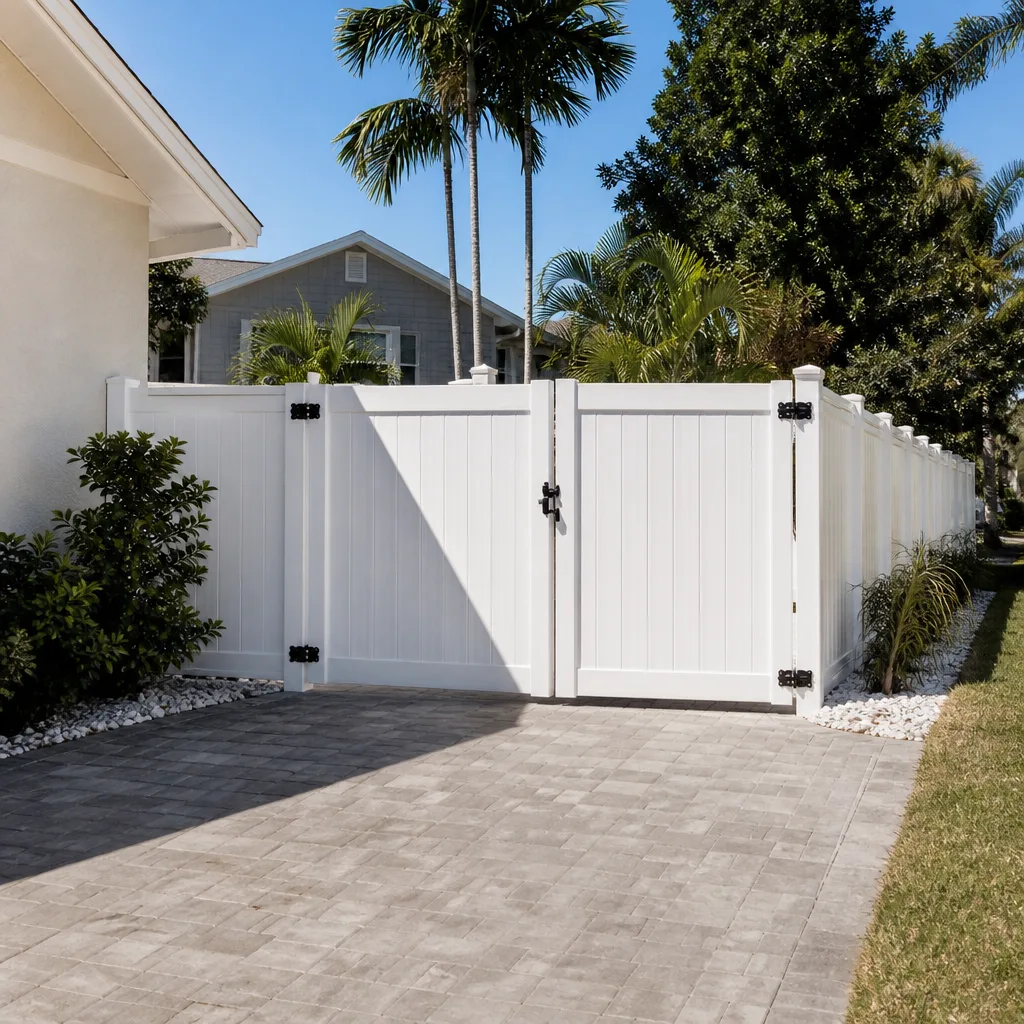
A wood fence in the Bay Area survives on four scheduled passes a year, not on the quality of the build alone. Storm inspection in December through February, cleaning and sealing in May through early June once the wood has dried, hardware tightening in August, and post base probing with a drainage check in October. Match the product to the species – penetrating oil-based for cedar and redwood, ACQ-rated preservative for treated pine – and upgrade to 316 stainless fasteners at the first replacement cycle. That routine costs about $60 a year and prevents an $8,000 to $14,000 replacement at year ten. The math is the whole argument.
If your fence is past the maintenance stage and into repairs – posts probing soft, rails splitting, gates that no longer latch – we’d rather look at it now than after it fails. Our fence installation in Hayward page covers the repair and replacement side, and our Rowan Construction Group Hayward home page is where a free estimate booking begins. Call (866) 863-1729 to schedule yours. We’ll send a written line-item price before any work starts, and under Clause 1 of the Haven Standard, no change proceeds until the change order is signed.
Written by the team at Rowan Construction Group Hayward.
See the difference
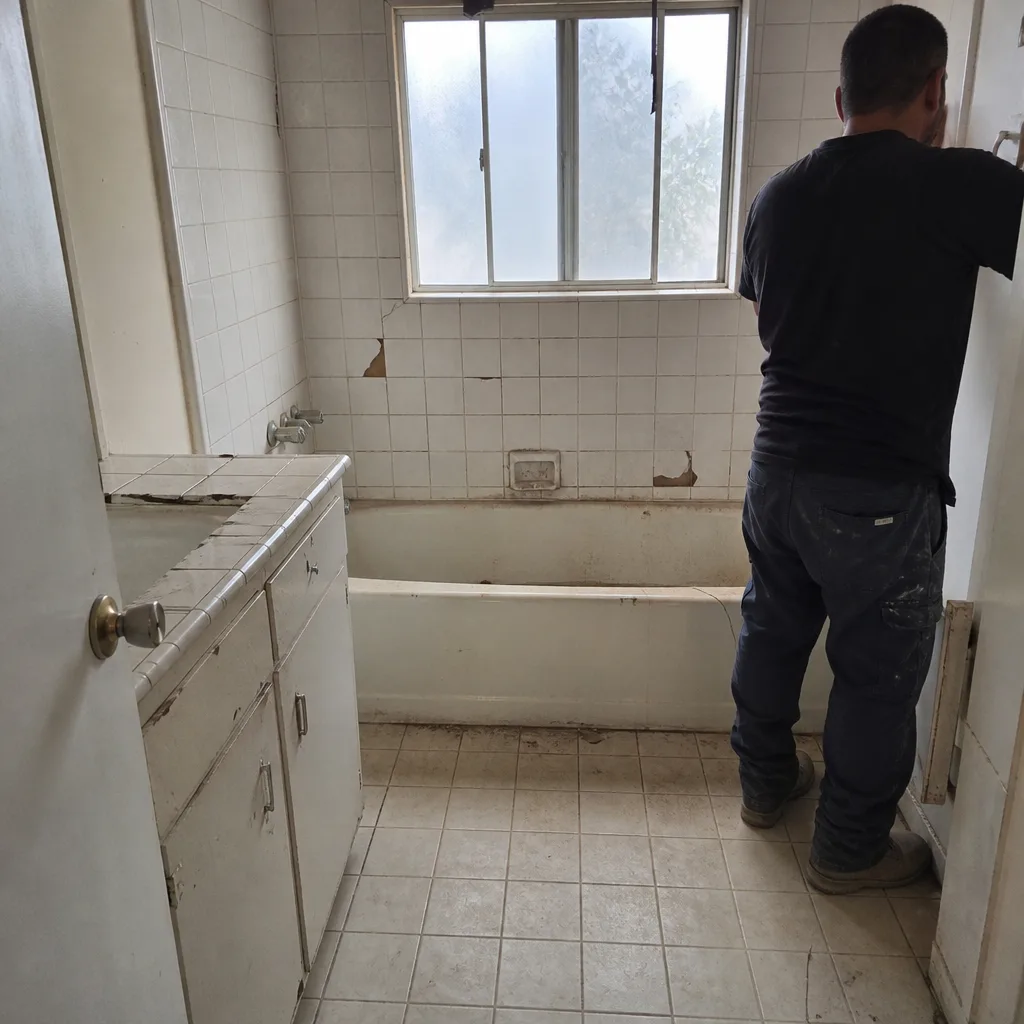 Before
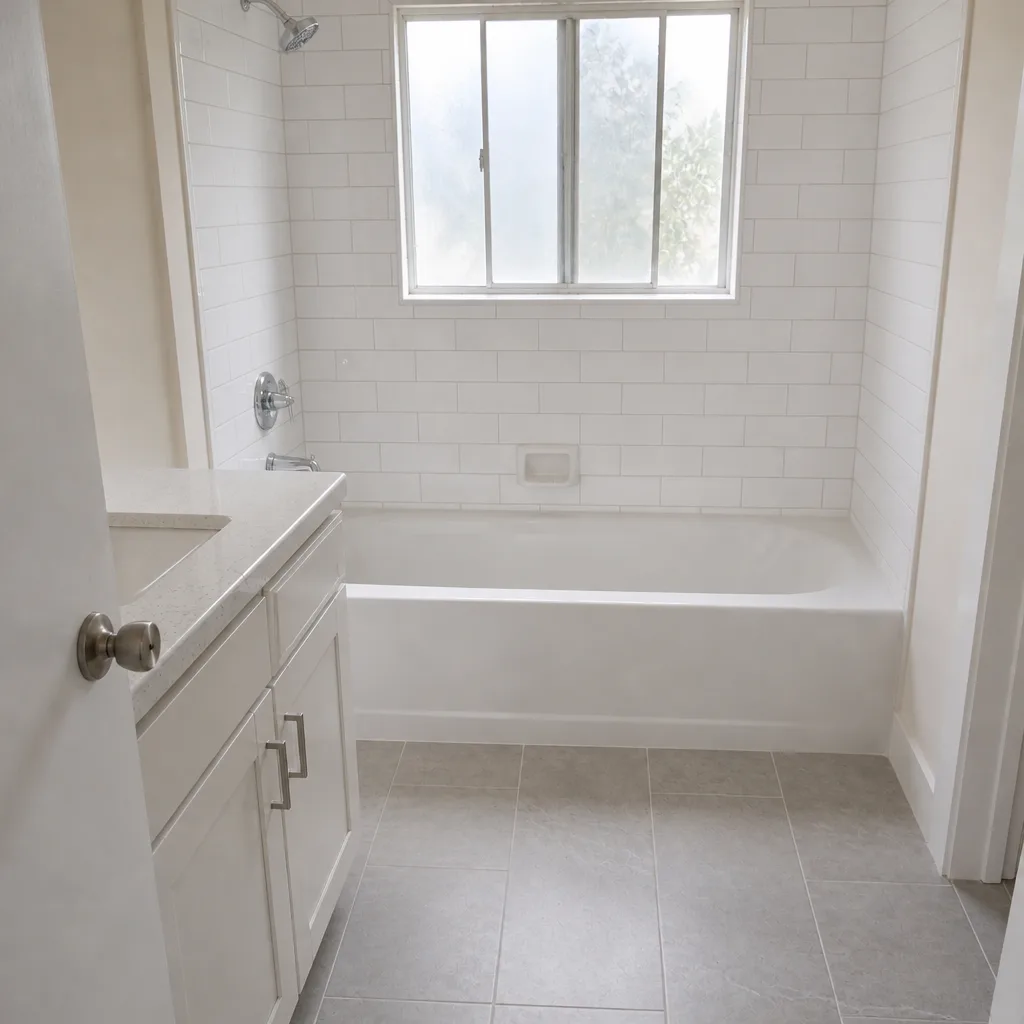 After
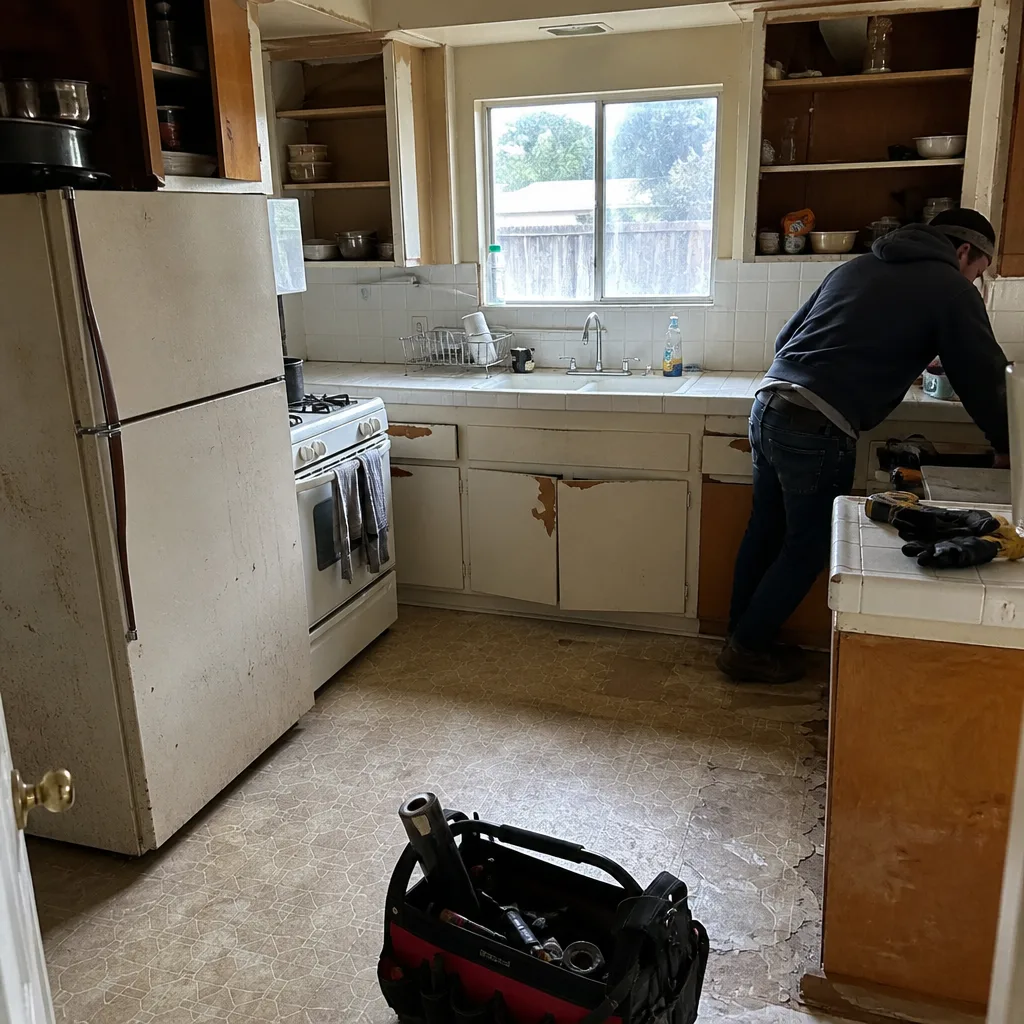 Before
 After
 Before
 After