Last updated November 18, 2026


Free written scope consultation - allowances, timeline, and change-order rules on paper before a single trade is scheduled
Fence Installation Warning Signs Every Homeowner Should Know
A fence quote missing two line items – the permit fee and the 811 utility mark-out notation – predicts a problem job more reliably than any review site rating. That sounds like an odd claim until you’ve watched what happens when a crew digs blind into a gas line, or when a homeowner gets a citation from Hayward’s code enforcement because nobody pulled the fence permit. We’ve spent years reviewing competitor estimates line by line for our Free Second Opinion offer, and the same handful of signals show up again and again in the bids that go sideways. This guide teaches you to read those signals before money changes hands, from the bid document to the day the crew shows up to the month after the gate starts dragging.
Quick Answer
The most reliable warning signs of a bad fence installation are: a single lump-sum price with no itemized materials and labor, no permit fee or 811 utility mark-out mentioned in the quote, a crew that starts digging before confirming property pins and string-line layout, post holes set with loose bagged concrete instead of a specified mix, and reluctance to put mid-job changes in writing. Any one of these is a caution flag; two or more together mean the quote is cheaper for a reason you won’t discover until the fence starts leaning.
Styles & brands we work with
- Kitchen remodeling
- Bathroom remodeling
- Home additions & ADU
- Roofing
- Windows & doors
- Driveway & pavers
- Fence
Table of Contents
- Bid Red Flags: What a Fence Quote Reveals Before You Sign
- Day-One On-Site Signals Most Homeowners Miss
- Post-Installation Inspection: How to Check Work with a Standard Level
- Documentation Red Flags and California License Verification
- Material Substitution: How to Tell Cedar From a Cheaper Grade
- Hayward-Specific Conditions That Test a Fence
- Common Mistakes to Avoid
- When to Call a Professional
Bid Red Flags: What a Fence Quote Reveals Before You Sign
A fence estimate is a small document that tells you almost everything about how the company runs a job. A written price before any work starts is the baseline Rowan has held under Clause 1 of the Haven Standard since 2007, and reviewing a few dozen contractor bids teaches you what separates an honest number from a marketing number. Here’s what to sort through.
The first check is line-itemization. A trustworthy bid breaks the fence into at least these categories:
- Materials by component: posts, rails, pickets or panels, gate hardware, fasteners, concrete. A bid that says “fence: $8,400” and nothing else is hiding something, usually a material downgrade decided after the check clears.
- Labor separated from materials: when the two are lumped, you can’t tell whether you’re paying market rate for labor or paying retail-plus for lumber.
- Post depth and footing specification: a real bid names the depth (36 inches is common in Hayward for a 6-foot fence; deeper for gates) and states the concrete type, often a specific bag count per hole. “Concrete included” without a count or mix is a signal that the footing will be shallow.
- Permit fee line: Hayward requires a permit for most fences over a certain height, and a legitimate bid includes the fee or explicitly names who pulls the permit. A bid with no permit language means either the contractor is skipping the permit or you’re about to be surprised by a fee and a delay.
- 811 utility mark-out notation: California law requires calling 811 before excavation. A bid that doesn’t mention a utility mark-out is a contractor who plans to start digging without one, which puts you, your neighbors, and the crew at risk.
The comparison test is simple: ask every contractor for the same line-item structure, then compare item to item. The cheapest number on a lump-sum bid is often the most expensive fence by year three. If you’re comparing quotes and want a second set of eyes, our Fence Installation in Hayward page spells out exactly what a full-scope quote should contain.
Day-One On-Site Signals Most Homeowners Miss
The bid tells you whether the company thinks clearly. The first morning tells you whether the crew works carefully. Both matter, and the second one is easier to read if you know what to watch for. We hear from Hayward homeowners every spring whose fence failed two summers after installation, and in almost every case the day-one pattern was the same.
Here’s a numbered checklist for the first morning of work:
- Mark-out before digging. The crew should confirm 811 has cleared the area – utility flags or paint should be visible. If nobody called 811 and there is no mark-out, that’s a stop-the-job signal, not a minor oversight. Gas, water, and telecom lines run under a surprising number of Hayward lots.
- Property pins located and confirmed. A professional crew finds the survey monuments (often iron pins or brass caps in the corners) or asks you for a recent survey. Starting without confirming pins is how fences end up on the neighbor’s side of the property line, and that argument is far more expensive than moving a post.
- String-line layout run before any holes are dug. A string line pulled taut from corner to corner gives the fence its alignment. Crews who skip it and eyeball placements end up with visible waviness in a long run and difficulty hanging a gate square.
- Holes spaced evenly, depth checked with the auger marks. Post depth should be visibly consistent – and the crew should be checking it, not eyeballing it. On a Hayward fence, 36 inches is the typical baseline; gate posts need more.
- Concrete mixed to spec, not dumped dry. If you see a crew pour dry bagged concrete into a hole with a post and add water from a hose at the top, the mix at the bottom of the footing may never fully hydrate. A proper footing is mixed and poured at a consistent slurry.
- Dig safe cleanup. Soil piles, auger spoil, and packaging should be managed as the job progresses. A tidy site on day one tends to stay tidy; a chaotic one usually leaves you with a landscaping bill.
None of these require specialty knowledge to observe. They require you to be present briefly at the start of the day – even 20 minutes is enough to see whether the crew is running a documented process or improvising.
Post-Installation Inspection: How to Check Work with a Standard Level
A fence can look perfect from the kitchen window and still be failing at the footing. The post is where money is really spent, so the post is what you check. A standard 2-foot level and 10 minutes per run get you a reliable read.
Post plumb test:
- Place the level vertically against the face of a post at eye height.
- Note the bubble position. A plumb post reads center; a slight lean that’s cosmetic may show one bubble-width off. A post leaning more than that on a new install is a footing problem, not a settling issue.
- Check the same post 90 degrees around. A post that’s plumb one way and off the other was set without plumbing both axes.
- Check the fourth post and the last post in a run. Middle-post issues often hide where the crew paid less attention.
Gate swing test: open the gate to 45 degrees and let it go. A properly installed gate on a level, well-footed post stays put or swings gently with gravity, not because of misalignment. A gate that swings on its own, drags at the bottom, or clicks against the latch indicates the post has settled unevenly – often because the concrete footing cured differently on each side or was not deep enough. Gate latches that need a hard slam within the first year are a warning sign the post has already shifted, well before it visibly leans.
Other checks worth doing after installation:
- Rails: sight down a long run. A straight line means the posts are aligned and rails are spaced consistently.
- Pickets/panels: consistent spacing, no gaps that vary more than a finger-width.
- Hardware: gate hinges should be tight, screws seated, fasteners uniform. A mix of drywall screws and deck screws is a sign of a crew raiding a truck, not a specification.
- Concrete: the top of each footing should be crowned above grade, not flush or recessed, so water drains away from the post base. A recessed footing holds water against the wood and will rot the post from the bottom up.
When you’re evaluating multiple bids, you’ll hear a range of prices that depends on scope, material, and footing specification. Asking for the same level of detail across all of them is how you make the comparison meaningful – our Driveway & Pavers in Hayward page follows the same line-item logic, because the discipline is the same on any hardscape or fencing project.
Documentation Red Flags and California License Verification
The way a contractor handles paperwork mid-job is the clearest predictor of how a dispute will go. The most expensive fence mistake is not a leaning post; it’s a verbal agreement you can’t prove six months later.
Red flags to recognize during a job:
- Verbal-only change additions. If the crew discovers a rotten gate post or a section of fence that needs replacement and the foreman says “we’ll take care of that, no problem,” but no written change order is produced, the price you eventually pay is a matter of memory. Under the Haven Standard at Rowan, no work proceeds on a change until the change order is signed – that’s the discipline that keeps projects within a few percent of the agreed price.
- Resistance to writing down changes. A professional who has quoted honestly has no reason to fear putting a change in writing. A contractor who resists is either avoiding a real conversation about cost or has no process.
- No written warranty. Every fence should come with a written workmanship warranty, not a verbal promise. A one-year warranty on the install is the common baseline; anything shorter on a fence that cost thousands should be questioned.
- Payment schedule not in writing. Deposits, progress payments, and final payment terms should all be in the signed contract. A contractor who takes a large deposit upfront without a written scope and schedule is a risk.
The California license verification check is quick and free. Go to CSLB.ca.gov and search by license number. You’ll see three things that matter: whether the license is active (not expired, suspended, or revoked), the classification (a C-13 Fencing license is the correct classification for fence work in California; a general B license can also perform it, but a handyman or unlicensed operator can’t legally take the job over $500), and the complaint/disciplinary history. If the license number on the quote doesn’t show an active status on CSLB, that’s a hard stop. No exceptions.
Our own crews are background-checked and uniformed, and every visit includes a documented photo record as standard – not an upgrade – so the customer has evidence of what was found and what was done, not a promise. The same expectation should apply to any contractor you hire.
Material Substitution: How to Tell Cedar From a Cheaper Grade
The most expensive fence mistakes hide in the material. When a bid specifies Western red cedar or clear grade redwood and the delivered lumber is a lower grade of the same species, most homeowners don’t spot it for a year. Here’s what to examine.
- Grain pattern. Cedar has a loose, straight grain with visible growth rings; the wood looks lighter and more porous than pine. Lower-grade cedar (often labeled “STK” or “tight knot”) is still cedar; the substitution risk is cedar being swapped for cedar-adjacent species like cedar-toned cypress or pine.
- Weight. Cedar is notably lighter than most pine and much lighter than wet pressure-treated lumber. When a bundle of “cedar” pickets feels unusually heavy, ask to see the invoice.
- End-cut color. Fresh cedar has a reddish or honey tone at the end cut; redwood has a variable color from pale to deep red depending on grade. Pine end-cuts are pale yellow and won’t deepen in color the way redwood does. If the delivered material doesn’t match what was specified, the end cut is the tell.
- Grade marking. Look for a grade stamp on the lumber or packaging. A quote saying “clear cedar” should deliver lumber with matching grade marks.
- Photo record at delivery. A contractor who documents the delivery in photos (as we do on every visit) gives you a paper trail if the material isn’t what was specified.
Belgard and Techo-Bloc materials are used for our paver projects, and the substitution risk there is just as real – pavers from a lower-grade line have different color consistency and thickness. Our Rowan Construction Group Hayward home page describes our sourcing across fifty-plus vetted brands, and that depth matters precisely because honest material numbers require specified brands.
Hayward-Specific Conditions That Test a Fence
Fencing in Hayward lives in a specific environment. The city sits in the East Bay’s rain shadow, so it gets less rain than San Francisco or Oakland, but the summer fog and the dry-season swing from wet to bone-dry puts more stress on a wood fence than either extreme alone. The flip side is the soil: much of Hayward is clay-heavy, which drains poorly in winter and shrinks and cracks in summer. A fence that works in, say, San Diego doesn’t work here without proper footing and drainage.
What this means for footing and installation in Hayward:
- Post footings need to go deeper than the frost line – but also below the active clay layer. A shallow footing in clay moves with the seasonal swell, and you’ll see it as a leaning gate within two seasons.
- Drainage at the base matters more than in drier inland markets. Footings should crown above grade; a recessed footing holds water and rots the post base before you see any visible lean.
- Summer UV is hard on stained wood. A fence installed in spring needs a re-stain window that accounts for the dry months, and a contractor who doesn’t tell you that is one who hasn’t installed many fences here.
- Hillside neighborhoods around the Hayward Hills have grade and slope conditions that call for retaining elements or stepped panels; a flat-panel quote on a sloped run is a sign the contractor hasn’t walked the site carefully.
In our experience, spring is when footing problems from the prior fall install become visible – posts that looked plumb in October lean by March. The fact that we check footings first on any fence call is not a sales pitch; it’s the step that catches the failure mode we see most often in Hayward.
Common Mistakes to Avoid
- Accepting a single-number quote without itemization. A lump-sum bid hides material grade and labor rates. You can’t evaluate a price you can’t see the components of.
- Skipping the 811 call because the contractor says they’ve done it. Verify the mark-out before the first hole is dug. A utility strike can injure a worker, cost you thousands, and shut down the job.
- Not confirming property pins before installation. Fences built on the wrong lot create legal problems that dwarf the cost of the fence. If the pins can’t be found, a survey is worth it.
- Accepting “we’ll handle the permit” without a permit number. In Hayward, you want the permit pulled in your name or a documented pull on the contractor’s active license. A fence citation after the fact is a fine plus a re-do.
- Paying a large deposit before the written scope and schedule are signed. The contract is the protection. No signed document, no deposit.
- Approving mid-job changes verbally. Any scope addition – a rotten post, an extra gate, a panel color change – should be on a signed change order. The signature protects both sides.
- Ignoring the plumb and gate swing before final payment. The final payment is your leverage. Check plumb, gate swing, and footing crowns before you pay the balance.
When to Call a Professional
Some fence problems are within reach of a careful homeowner and a level. Others are not. Call a professional when a post has visibly leaned more than a bubble-width on a level; when a gate drags, clicks, or needs a hard slam; when you’re installing new fence without confirmed property pins; or when your fence borders a utility easement and you don’t know where the lines run. Those situations carry structural, legal, or safety consequences that no owner should take on without help. For property line issues or utility conflicts, call the utility first or a licensed contractor who can pull the permit and document the mark-out.
If you’re at the stage of comparing bids, Rowan Construction Group Hayward offers free estimates in Hayward – call (866) 863-1729. We’ll review any competitor’s written estimate line by line at no charge, and provide a flat written price with a written scope and a documented photo record on every visit. Our technicians have up to 19 years of experience, and we carry the 365-Day Done Right Promise on every job.
See the difference
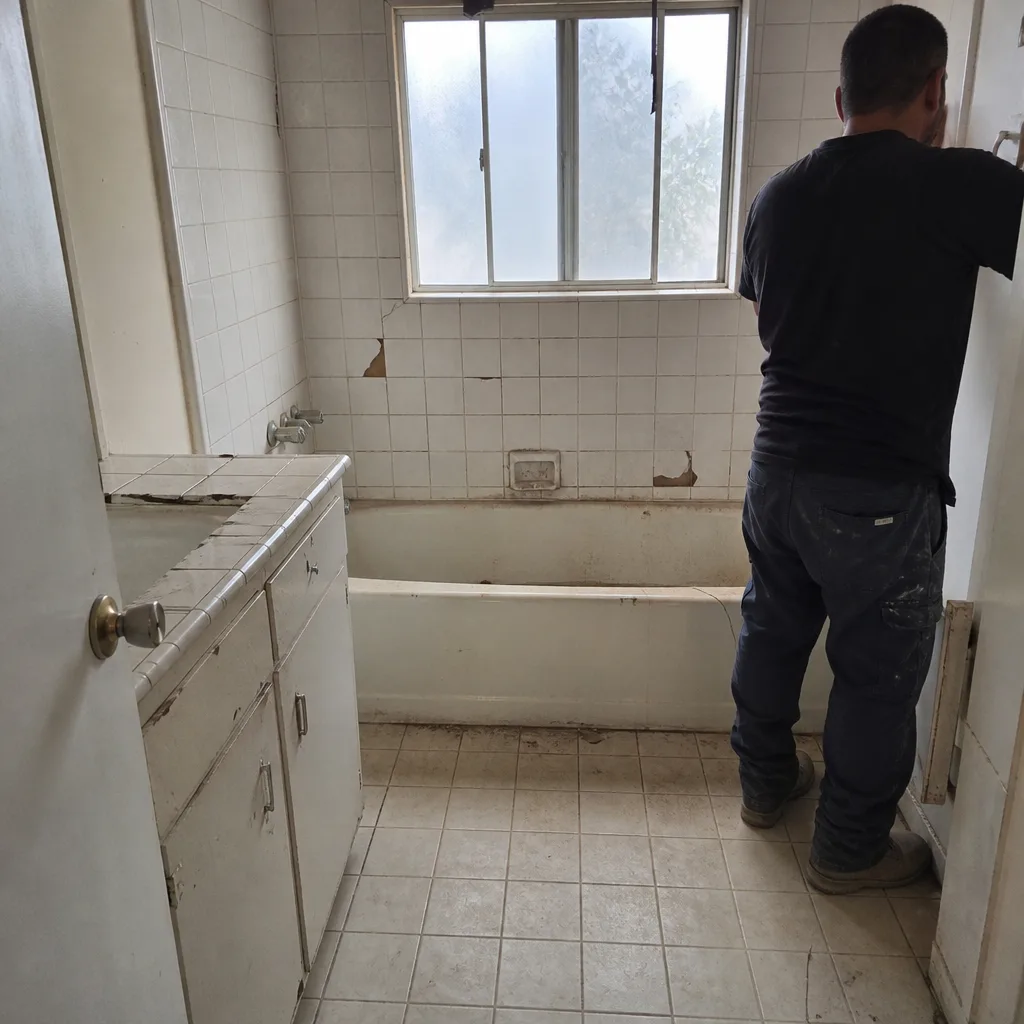 Before
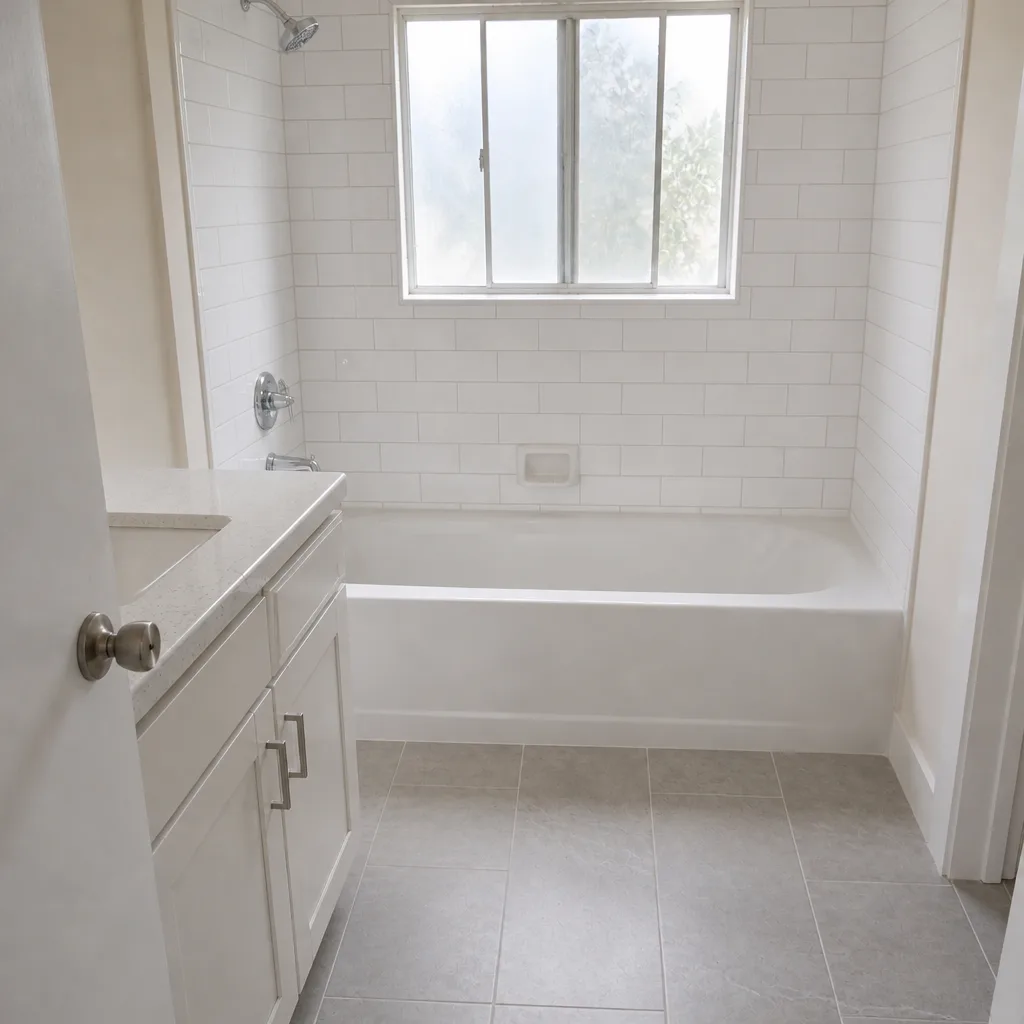 After
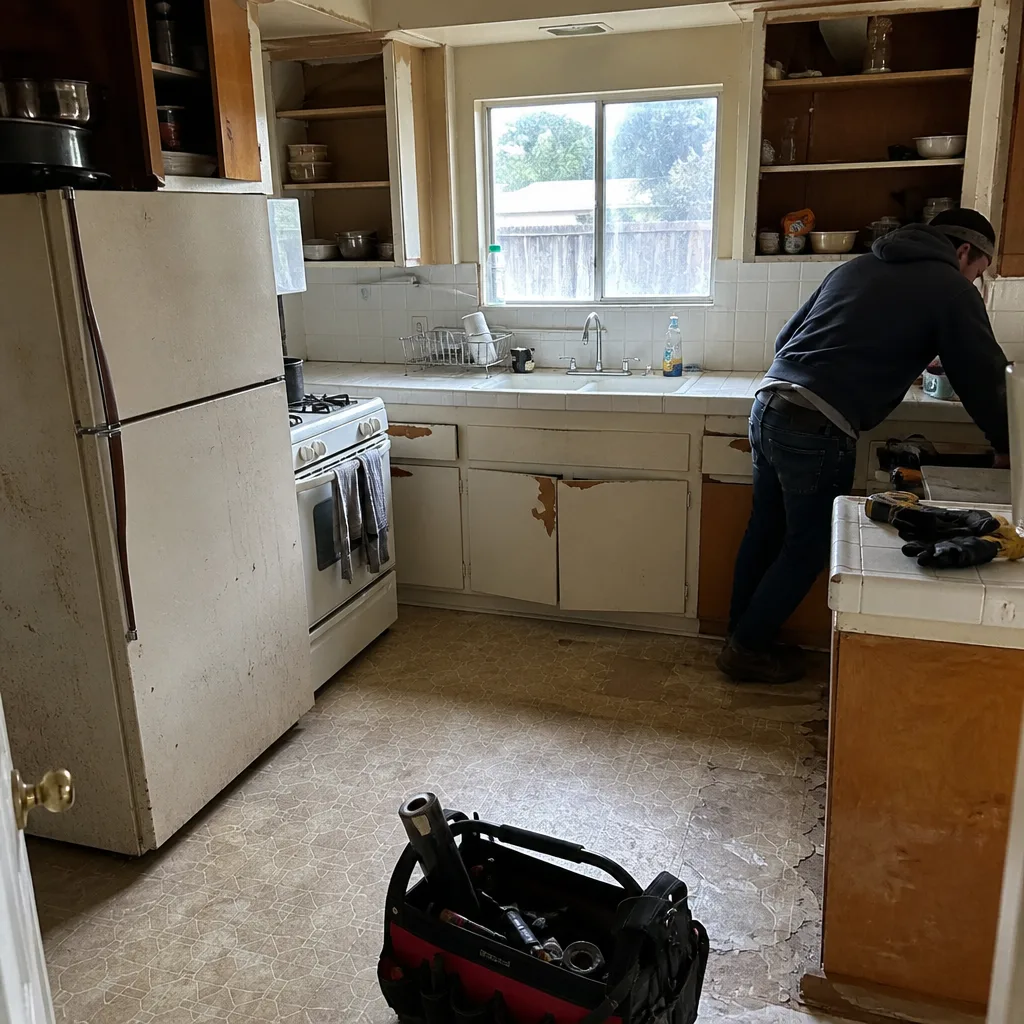 Before
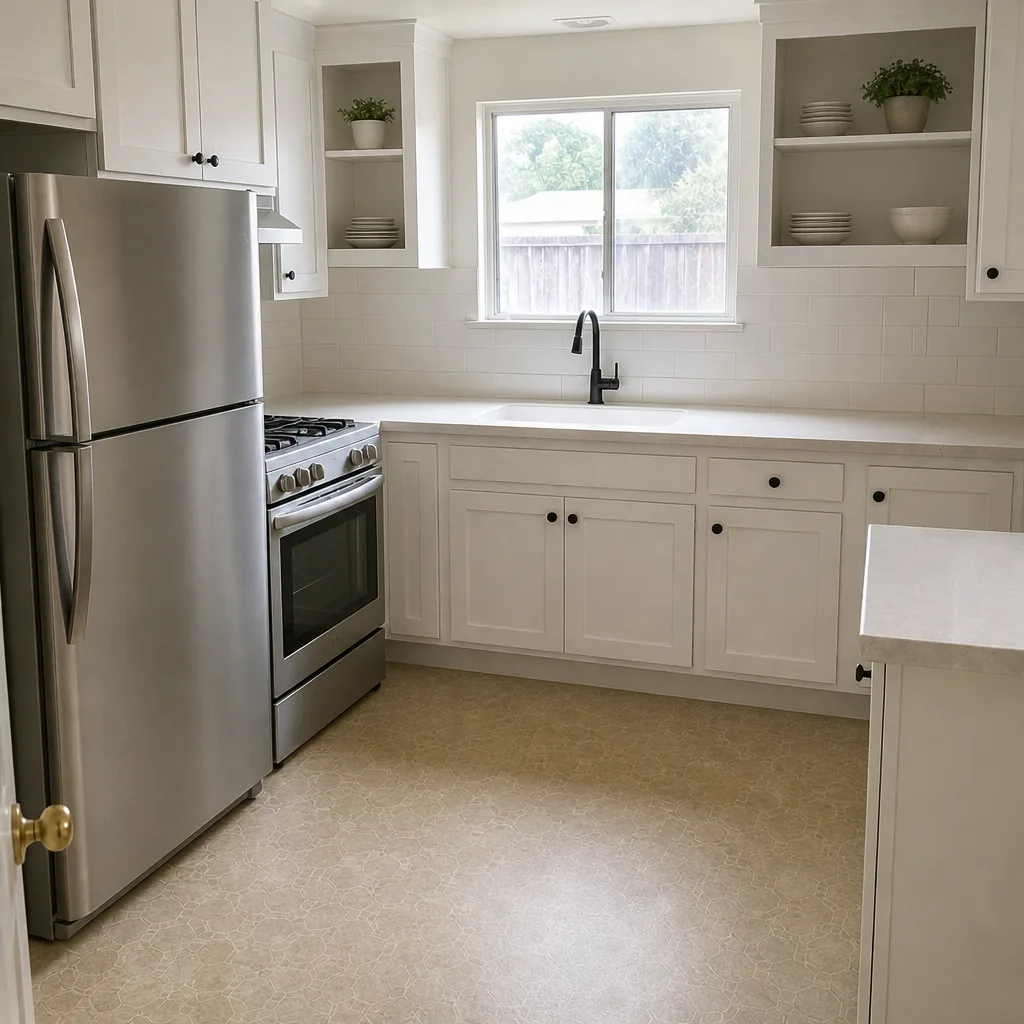 After
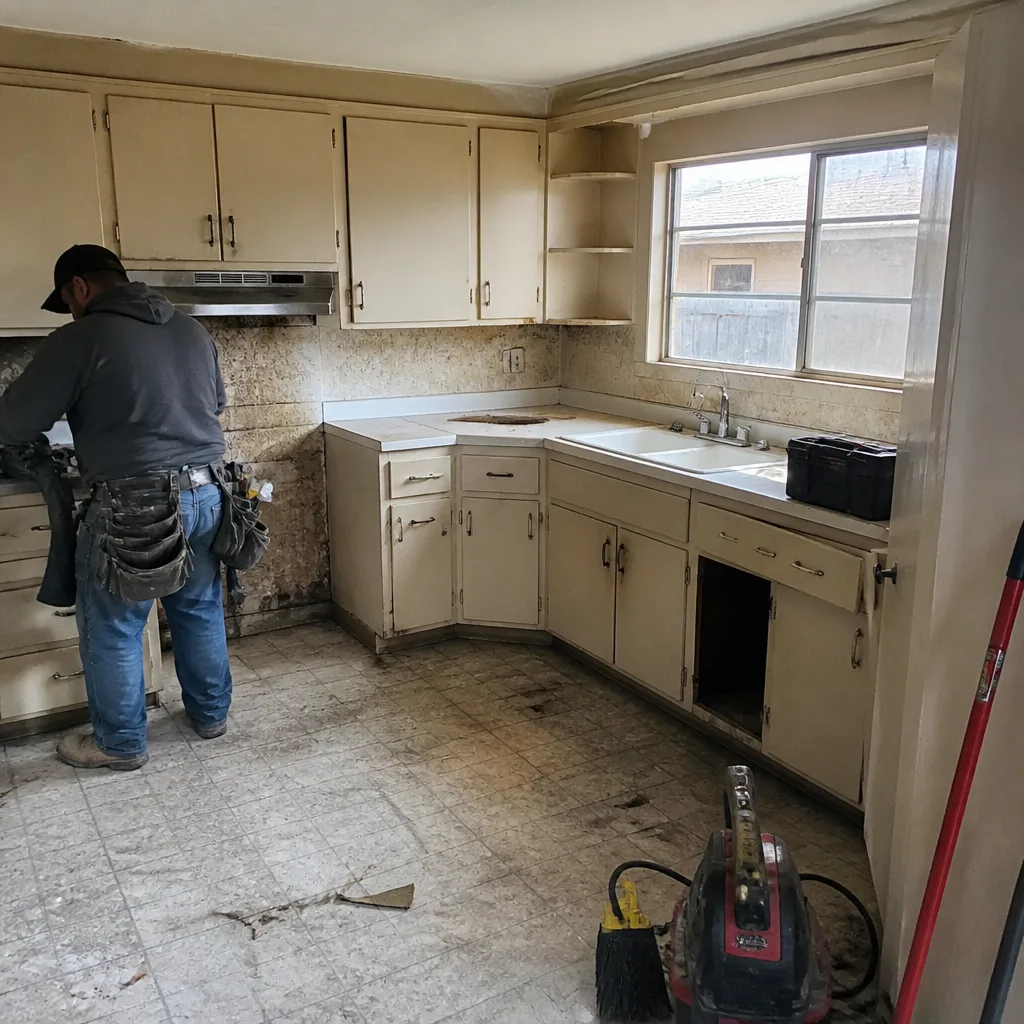 Before
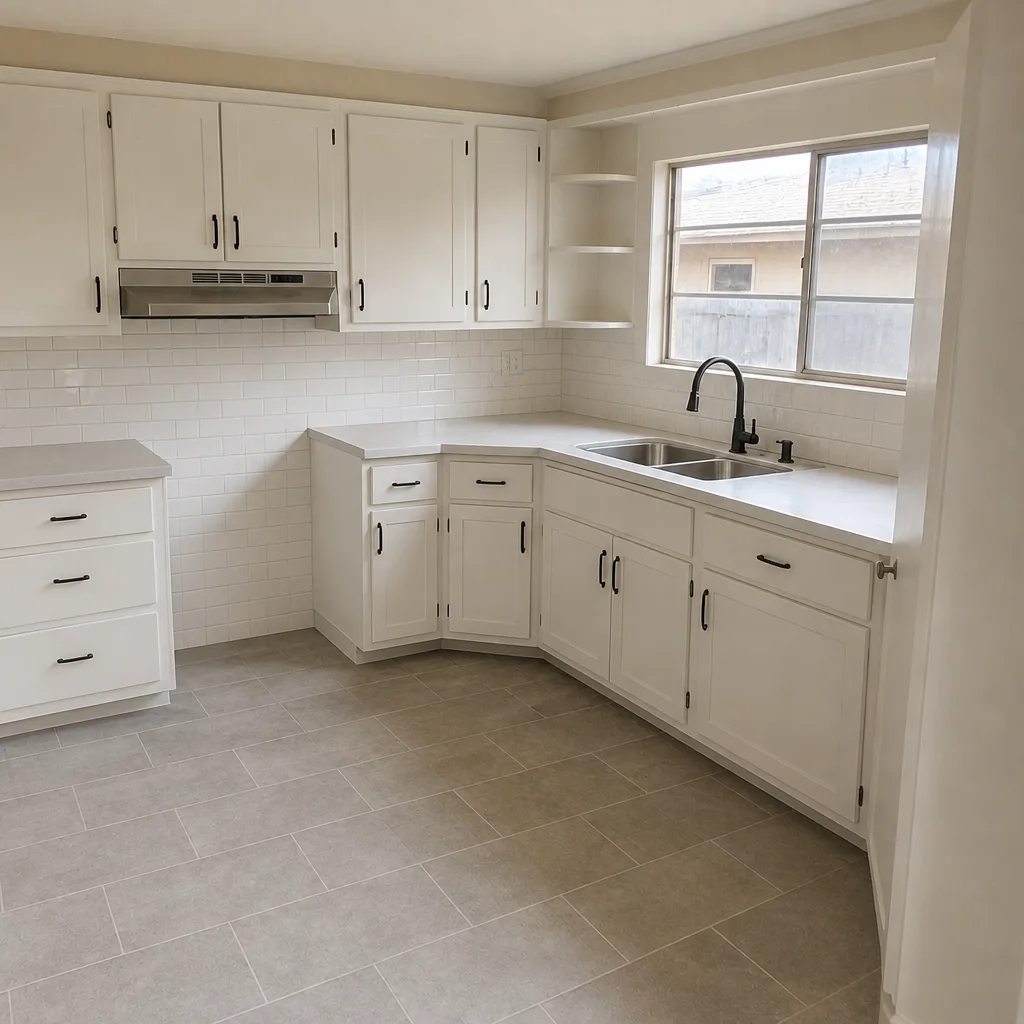 After
Frequently Asked Questions
The first warning sign is a quote that doesn’t separate materials from labor, and doesn’t mention a permit fee or an 811 utility mark-out. A fence quote that lumps everything into one number and says nothing about the permit or the utility call is a quote from a contractor who either plans to skip those steps or plans to surprise you with them later. Ask for a line-itemized quote and walk away from any contractor who won’t provide one.
Visit CSLB.ca.gov and search the license number on the quote. You’ll see the license status (active, expired, or suspended), the classification (C-13 is fencing; a general B license is also valid), and any complaint or disciplinary history. If the number doesn’t show an active status, don’t sign. Checking takes about two minutes and is the single most important step before any deposit.
Yes, and it’s the most common failure we see. A post set with dry bagged concrete instead of a properly mixed footing, or set too shallow for Hayward’s clay soil, will move with the seasons. The movement shows up first as a gate that drags or a latch that slips, then as a visible lean within two to three years. A correctly set footing on 36-inch depth with consistent concrete mix is what prevents that failure.
Check the end cuts first. Cedar end-cuts are reddish-honey; pine is pale yellow and won’t deepen in color. Weigh a picket: cedar is lighter than wet pressure-treated lumber. Look for grade stamps matching the quote specification. If the delivered material doesn’t match, ask to see the invoice from the lumber supplier. A contractor who documents delivery in photos gives you a record to compare against.
A permit gets the installation inspected to local code – typically for height, setback from property lines, and footing requirements. In Hayward, an unpermitted fence can trigger a citation and, in some cases, a requirement to remove and rebuild. The permit also creates a public record that the work was done to code, which matters if you ever sell the home. A contractor who resists pulling a permit is a contractor who hasn’t thought about your liability.
It depends on the scope and your soil. A short decorative run on a flat lot is within reach of a careful homeowner; anything structural – more than a few posts, a gate, a fence bordering a utility easement, or any installation on Hayward’s clay-heavy soil – needs a professional. The footing failure and utility-strike risks are real and expensive. Call (866) 863-1729 for a free estimate if you’re unsure whether your project warrants a contractor.
The Bottom Line
Fence failures rarely announce themselves at installation. They show up years later as a leaning post, a gate that drags, or a wood replacement bill. The signals that predict that failure, though, are visible before you sign: a quote that skips the permit fee and the 811 utility mark-out, a crew that starts digging without confirming property pins, footings set with dry bagged concrete, and a contractor who resists putting a change in writing. Those signals together are a reliable warning, and knowing them lets you make a documented decision rather than an emotional one. If you want a second set of eyes on a competitor’s estimate or a line-item number of your own, call Rowan Construction Group Hayward at (866) 863-1729 – free estimates, written scopes, and a photo record on every visit. If your project grows into a larger outdoor build, our Home Additions & ADU in Hayward page covers how we approach structure and scope on bigger work.
Written by the team at Rowan Construction Group Hayward.