
Last updated November 18, 2026








Free written scope consultation - allowances, timeline, and change-order rules on paper before a single trade is scheduled
Construction Warning Signs: A Hayward Homeowner’s Reference Guide
A bid with no allowance line items isn’t thorough. It’s a setup. An allowance is the placeholder number a bidder puts in for materials not yet chosen; omit it, and every upgrade, every unforeseen condition, and every code-required addition arrives later as a change order. That’s how a $45,000 contract becomes a $62,000 invoice. This guide is about the warning signs that live in the paperwork, not the ones that live in a contractor’s personality. You’ll learn to read an underspecified bid, spot a time-and-materials clause hiding inside a fixed-price contract, cross-reference a claimed project history against Hayward permit records, and understand what a lien waiver really protects.
Quick Answer
The most reliable construction warning signs in Hayward show up in documents, not conversations: bids missing allowance lines, permit and inspection details, or a written scope; contracts with an unsigned change-order process or a buried time-and-materials clause; claimed project history that doesn’t match Alameda County permit records; and unconditional lien waivers offered only after your check clears. A contractor who puts a flat written price and a written scope in front of you before work starts is showing you the discipline that prevents most disputes.
Styles & brands we work with
- Kitchen remodeling
- Bathroom remodeling
- Home additions & ADU
- Roofing
- Windows & doors
- Driveway & pavers
- Fence
Table of Contents
- How to Spot an Underspecified Bid
- Time and Materials vs. Fixed Price: What the Clause Actually Means
- Cross-Referencing Claimed Project History Against Hayward Permit Records
- Lien Waivers: The Language That Protects You and the Language That Doesn’t
- On-Site Warning Signs During Active Construction
- Hayward-Specific Red Flags: Climate, Codes, and Neighborhood Conditions
- Change Orders: The Document That Decides Your Final Invoice
- How to Read a Rowan Quote (and Any Other Quote) Line by Line
How to Spot an Underspecified Bid
An underspecified bid looks cleaner than a good one. It’s short, the total is a round number, and there are no messy line items to argue about. That cleanliness is the warning. In Hayward, a legitimate kitchen or bathroom proposal should carry specific lines for demolition and haul-off, rough plumbing and electrical, substrate repair, waterproofing membrane, tile or countertop material, fixture allowances by brand tier, finish carpentry, and permit fees. When those lines are missing, the cost hasn’t disappeared. It has been deferred into change orders.
Here’s what we look for when a homeowner brings us a competitor’s estimate for a free second opinion. Under Clause 1 of the Haven Standard, the price is written before anyone starts, so the review is line by line:
- Allowance lines with dollar figures attached. A bid that names Cambria or Caesarstone countertops without an allowance number is pricing a material it hasn’t committed to. Ask what tier the allowance covers.
- Permit responsibility stated explicitly. Who pulls the permit, who pays the fee, and who schedules inspections should each appear as a line or a clause.
- Substrate and repair contingency described. In older Hayward housing stock, opening a wall frequently reveals rot or outdated wiring. A bid that assumes perfect conditions is either inexperienced or planning to bill you later.
- Haul-off and disposal quantified. “Cleanup included” is not the same as a stated number of dumpster pulls.
- A written scope and a written warranty. A flat price attached to a vague scope is a promise without edges.
If the bid you’re holding has fewer than eight line items for a full kitchen, it isn’t a bid. It’s an estimate of a bid. For a sense of what a fully specified project looks like in practice, see our page on Rowan Construction Group Hayward home and the written-price standard every trade follows.
Time and Materials vs. Fixed Price: What the Clause Actually Means
Fixed-price means the number on the contract is the number you pay, absent a signed change order. Time and materials (T&M) means you pay for hours worked plus materials at cost, usually with a markup on both. T&M isn’t inherently dishonest, but it shifts risk to you: if the crew is slow or a supplier back-orders a Schluter shower system for three weeks, the clock keeps running and so does your invoice.
The dangerous version is a T&M clause buried inside a contract that advertises a fixed price. Look for language like “additional work billed at our standard hourly rate,” “materials plus applicable markup,” or “labor rates subject to adjustment.” Any of those turns your fixed price into an opening bid. The warning sign isn’t the presence of a rate card; it’s a rate card with no defined trigger for when it applies and no signed change-order requirement before the meter starts.
What a fixed-price contract should contain, in plain terms:
- A flat total and a written scope that matches it.
- A named process for changes: no work proceeds on a change until the change order is signed.
- A stated warranty period and what it covers.
- Payment schedule tied to milestones, not to a deposit percentage invented on the spot.
Rowan has operated under that discipline since 2007 across 4,000-plus projects, which is why projects finish within a few percent of the agreed cost rather than drifting toward a T&M invoice. If a Hayward contractor won’t commit to a flat number, ask why. The answer is usually the real warning sign.
Cross-Referencing Claimed Project History Against Hayward Permit Records
Any contractor can name-drop streets. The public record is less forgiving. Hayward building permits are issued through the city’s building division and searchable by address, and Alameda County maintains its own records for unincorporated parcels nearby. A contractor who claims to have built an addition on a specific block should have a permit on file for that address with their name attached as contractor of record. When it isn’t there, the project either wasn’t permitted or wasn’t theirs.
Run this check before you sign:
- Ask for two or three recently completed addresses in Hayward, ideally within the last 24 months.
- Search the city’s permit portal for each address. Confirm the permit exists and that the scope matches what you were told was built.
- Note whether inspections were requested at rough stage and final. A permit pulled but never inspected is a red flag.
- Check that the contractor named on the permit matches the company bidding your job. Subcontracted crews are normal; an unnamed permit holder is not.
- Ask for the project’s final inspection sign-off. A contractor who can’t produce one for a “completed” job is telling you something.
This matters most on additions and ADUs, where an unpermitted structure can complicate resale, insurance, and future permits. If you’re weighing an addition, our Home Additions & ADU in Hayward page covers how permit scope and written pricing connect. The same principle applies to exterior work: a driveway or paver project that skipped permits may still fail drainage and setback review later, which is worth checking against our Driveway & Pavers in Hayward guide.
Lien Waivers: The Language That Protects You and the Language That Doesn’t
A lien waiver is the document that confirms a contractor or supplier has been paid and gives up the right to file a mechanics lien against your property. The protection it offers depends entirely on its wording and timing. A conditional waiver says the waiver takes effect only when payment actually clears. An unconditional waiver says the right is given up regardless, which is why a careful homeowner never signs one before the check has cleared.
The warning sign is a contractor who offers an unconditional waiver but only hands it over after your check is deposited, or who offers a “final” waiver that covers only the general contractor and not the subs and suppliers. Material suppliers can lien your property even if you paid the general contractor in full, so a waiver that doesn’t name the suppliers and subcontractors on your job is worth less than it looks.
What to insist on:
- A conditional waiver exchanged at each payment milestone, effective when funds clear.
- A final unconditional waiver after the last payment, signed by the general contractor and every sub and supplier of record.
- A waiver that references your property address and the specific project, not a generic form.
- Written acknowledgment that no further work will be billed after the final waiver.
If the paperwork on your job is already tangled, that’s a situation worth untangling with documentation in hand. A written photo record of what was completed helps establish what was actually paid for.
On-Site Warning Signs During Active Construction
Once work starts, the documentation tells you whether the job is being built legally and to code. Two signs matter more than any others. The first is work without a posted permit. In Hayward, permitted jobs require the permit card posted visibly at the site. No card means either the job wasn’t permitted or the crew isn’t following the process, and both put the liability on you: unpermitted work can void insurance coverage, complicate a future sale, and force you to tear out finished work to get it inspected.
The second is no inspection requested at the rough stage. Framing, rough plumbing, rough electrical, and waterproofing must be inspected before walls close up. If the drywall goes on without a rough inspection on the record, the only way to prove the work was done correctly is to open it back up. That’s a cost that lands on the homeowner.
Other on-site signals worth tracking:
- No daily cleanup and no photo documentation of what was found behind walls.
- Subcontractors arriving without the general contractor knowing their scope.
- Materials delivered that don’t match the written scope (a Grohe valve body spec’d, an off-brand substitute installed).
- A crew that can’t produce the signed change order for work already in progress.
Every Rowan visit includes a documented photo record as a standard deliverable, not an upgrade, because the record is what answers these questions after the fact. The same discipline applies across trades, including fence work where post depth and footing inspection can be the difference between a fence that lasts fifteen years and one that leans in three. Our Fence Installation in Hayward page walks through that sequence.
Hayward-Specific Red Flags: Climate, Codes, and Neighborhood Conditions
Hayward is a specific place, and local conditions create local warning signs. The city sits between the bay and the East Bay hills, so moisture behaves differently block to block. Homes in the flats near the bay see more persistent damp and fog-driven moisture on north-facing walls, which makes waterproofing membrane specs and roof underlayment non-negotiable line items. A bid that doesn’t mention the membrane system on a bathroom is a bid written for a drier climate.
Homes in the hills above Hayward, particularly around Fairview and the streets climbing toward Cull Canyon, face slope drainage and seismic considerations that show up in engineering and permit details. A contractor who quotes a retaining wall or addition without referencing soils or drainage is skipping the part that matters most. And in Hayward’s older neighborhoods, where a lot of the housing predates modern wiring and plumbing standards, a bid that assumes existing systems are code-compliant is a bid that will convert into changes once walls open.
Contractor red flags specific to Hayward that we watch for:
- Bids that quote the same waterproofing, roofing, or drainage system for a bay-side flat as for a hill property without describing the difference.
- No mention of Hayward permit fees or inspection scheduling, since those costs and timelines vary with scope.
- A claimed portfolio of Hayward projects with no permit records to match, especially additions that would have required plan review.
- Pressure to start before permits are issued. Legitimate work waits for the permit, and the price is written before anyone picks up a tool.
Change Orders: The Document That Decides Your Final Invoice
A change order is a written amendment that documents a change in scope, price, or timeline. In a well-run job, it’s the single document that prevents the drift from a $45,000 contract to a $62,000 invoice. The rule is simple: no work proceeds on a change until the change order is signed. When a contractor starts a “small extra” and promises to “sort it out at the end,” that’s the moment the contract becomes a conversation, and conversations don’t hold up in a dispute.
What a change order should show:
- The specific scope change, described in plain language.
- The dollar amount added or subtracted, stated as a flat number.
- The effect on the timeline, if any.
- A signature line for the homeowner and the contractor, dated.
- A reference to the original contract and the line item being modified.
This is the administrative discipline that keeps projects within a few percent of the agreed price. It’s also the reason we recommend homeowners keep every signed change order in one folder alongside the original contract, the permit card photo log, and the lien waivers. When the job is done, that folder is the record of what was agreed and what was delivered.
How to Read a Rowan Quote (and Any Other Quote) Line by Line
We’ll show our work, because the standard should be visible. A Rowan quote arrives as a flat written price with a written scope and a written warranty, and no line reads “call for a quote.” Here’s how we walk a homeowner through it, and how you should walk through anyone’s:
- Start at the total and the scope together. Read the scope sentence by sentence and confirm each item appears as a line. If it’s in the scope and not in the price, ask.
- Check the brand and spec lines. A request for Toto fixtures or a Schluter shower system should be named, not generalized. Brand tiers determine the real cost.
- Confirm the license number is printed on the page. Every crew member should be background-checked and uniformed, and the number should be there for you to verify.
- Find the change-order clause. It should state that no work proceeds on a change until the change order is signed.
- Find the warranty. Rowan’s is the 365-Day Done Right Promise: if it isn’t done right, we make it right. The terms are printed, not asterisked.
- Ask about the photo record. It should be included on every visit, not sold as an upgrade.
Under the Haven Standard, all of that is standing practice, not a premium tier. If a competing quote is missing those elements, bring it in. The Free Second Opinion on any written estimate means we’ll review it line by line at no charge, and you’ll leave with a clearer read on the number than you had before.
Common Mistakes to Avoid
- Signing a bid with no allowance lines. It’s not thorough, it’s a setup. Every material choice and unforeseen condition becomes a change order down the line.
- Accepting a fixed price with a hidden T&M clause. The rate card is fine; the missing trigger for when it applies is not. Ask what starts the meter and require a signed change order first.
- Trusting a claimed Hayward project history without checking permits. Permit records in the city’s building division are public. Search the address before you sign.
- Signing an unconditional lien waiver before the check clears. A conditional waiver is the one that protects you. A final waiver should name the subs and suppliers, not just the general contractor.
- Letting drywall go up without a rough inspection. Once walls close, the only way to verify framing, plumbing, and waterproofing is to open them again. That cost is yours.
- Starting work before the permit is issued. In Hayward, an unpermitted job can void insurance coverage and stall a future sale. Work waits for the permit card to be posted.
- Letting “we’ll sort it out at the end” stand in for a signed change order. A verbal promise doesn’t survive a dispute. A dated, signed document does.
See the difference
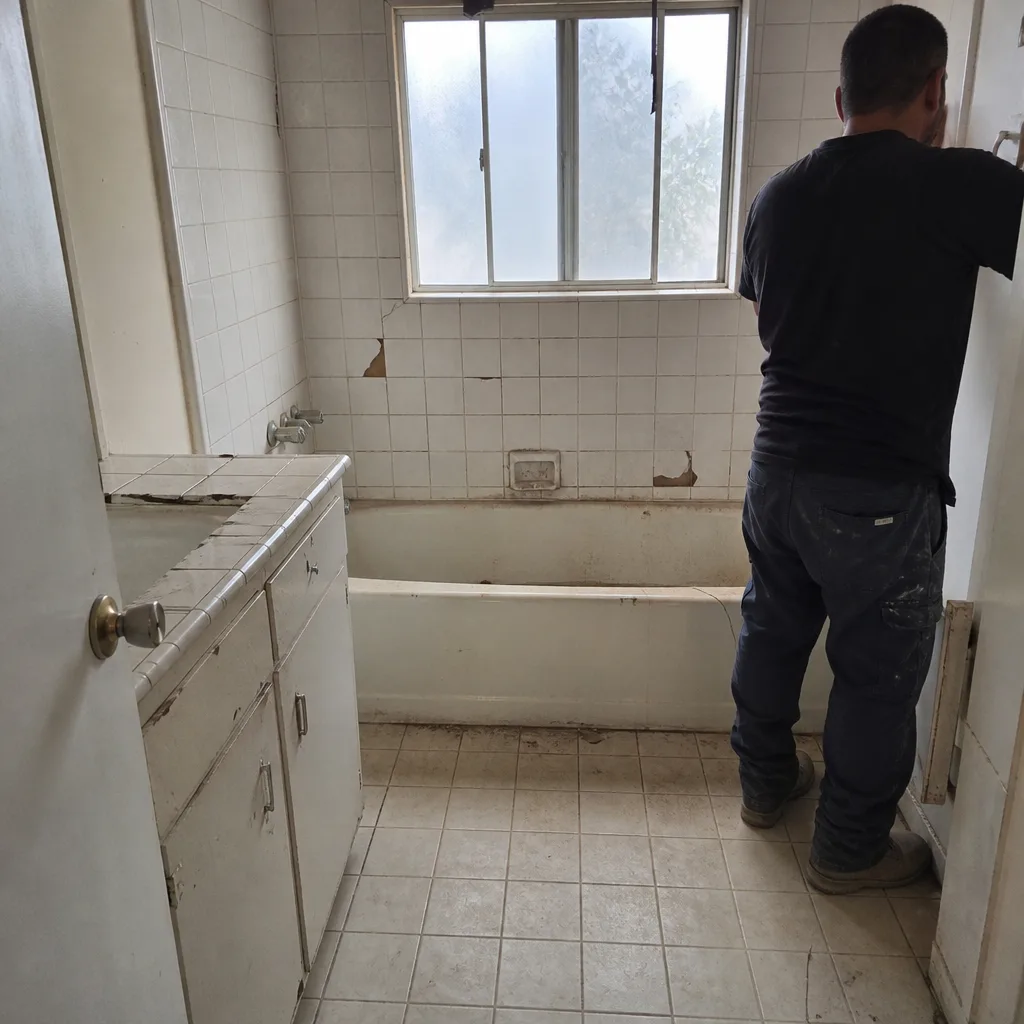 Before
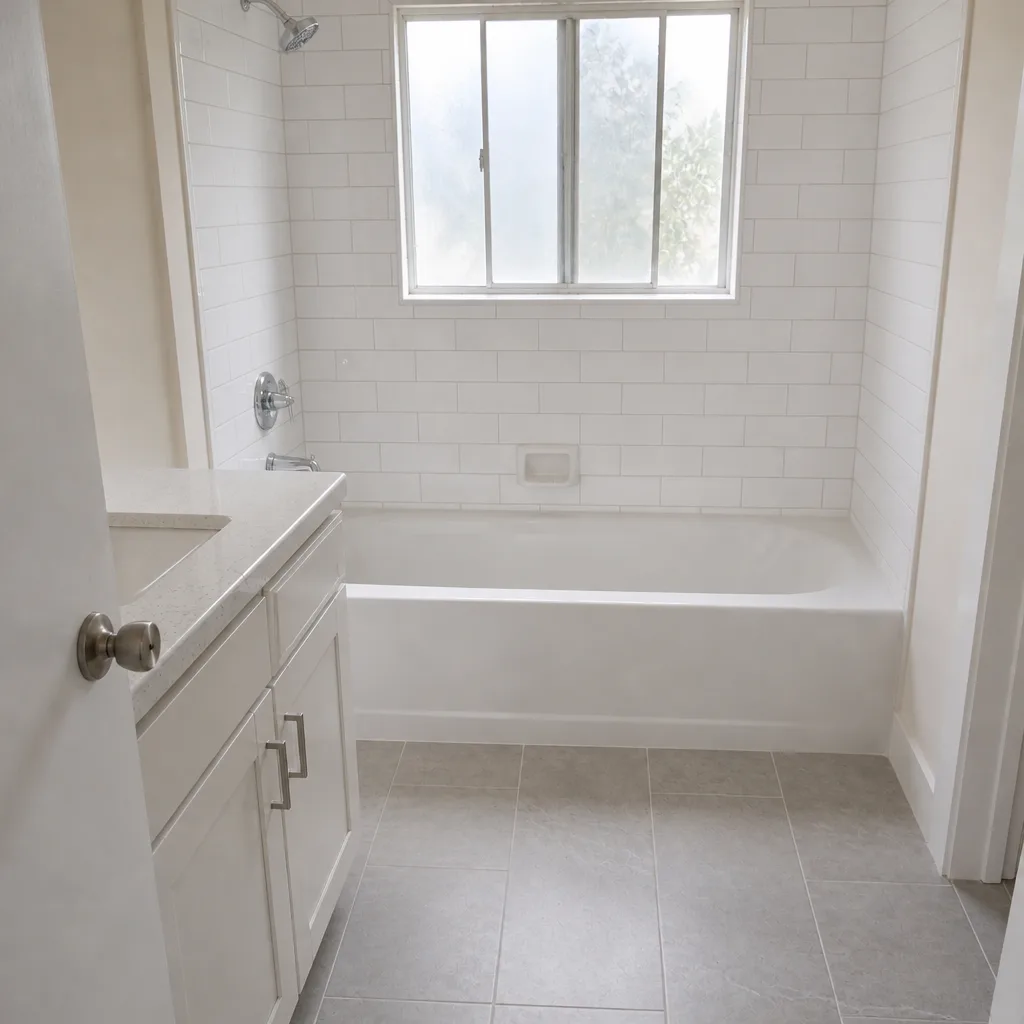 After
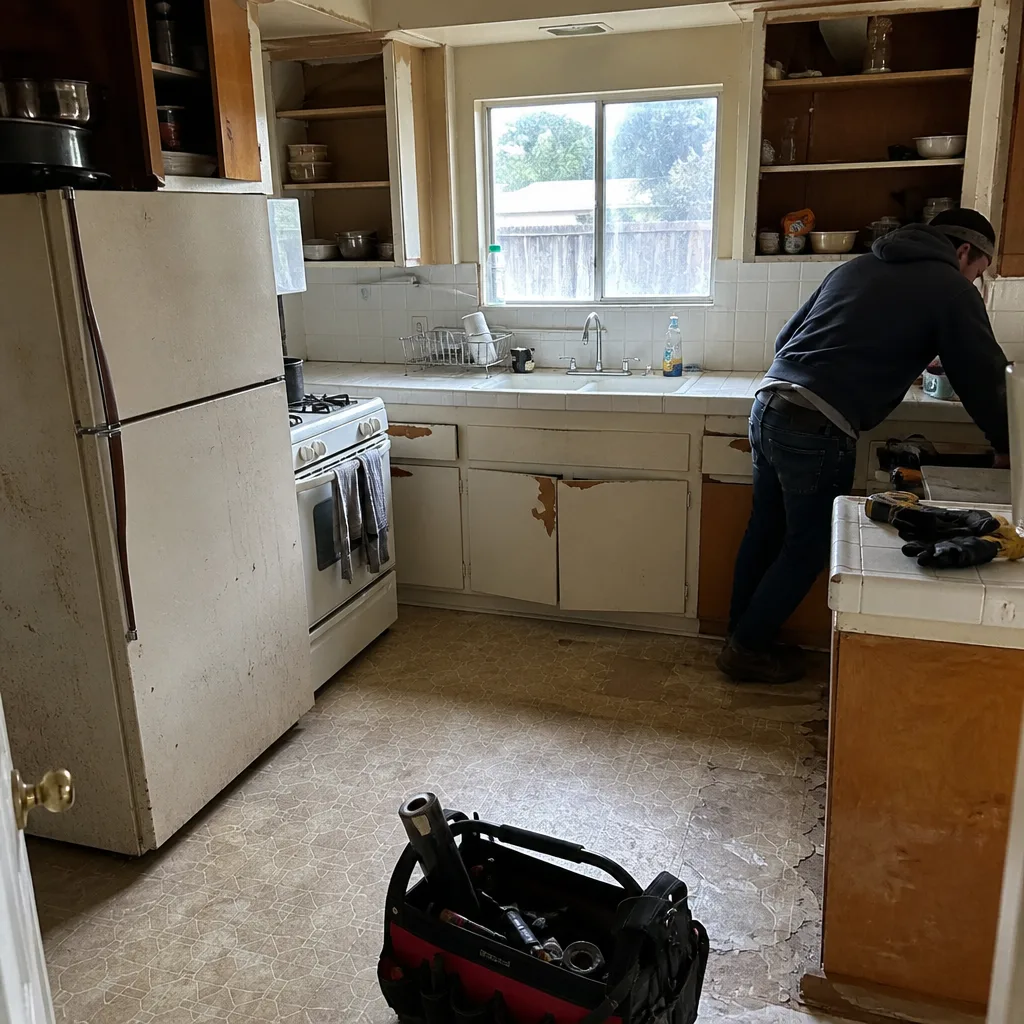 Before
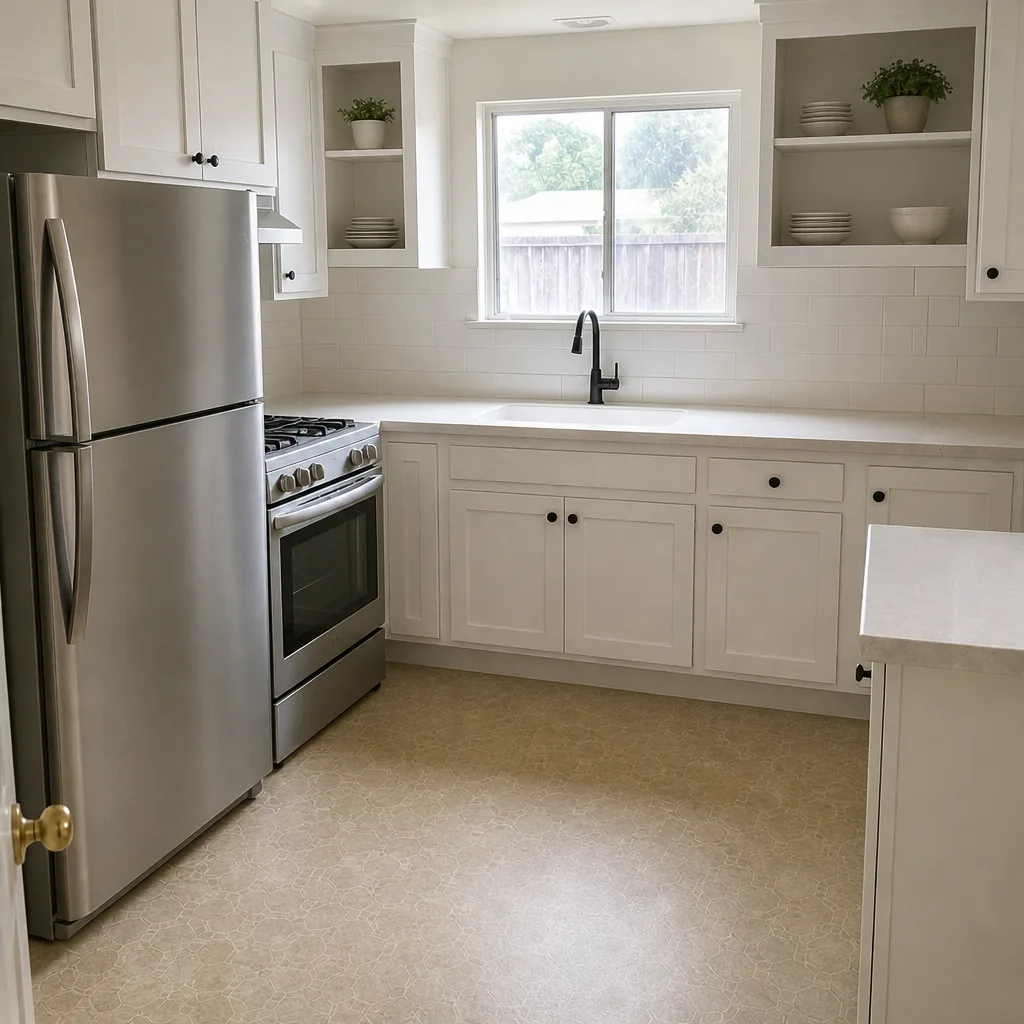 After
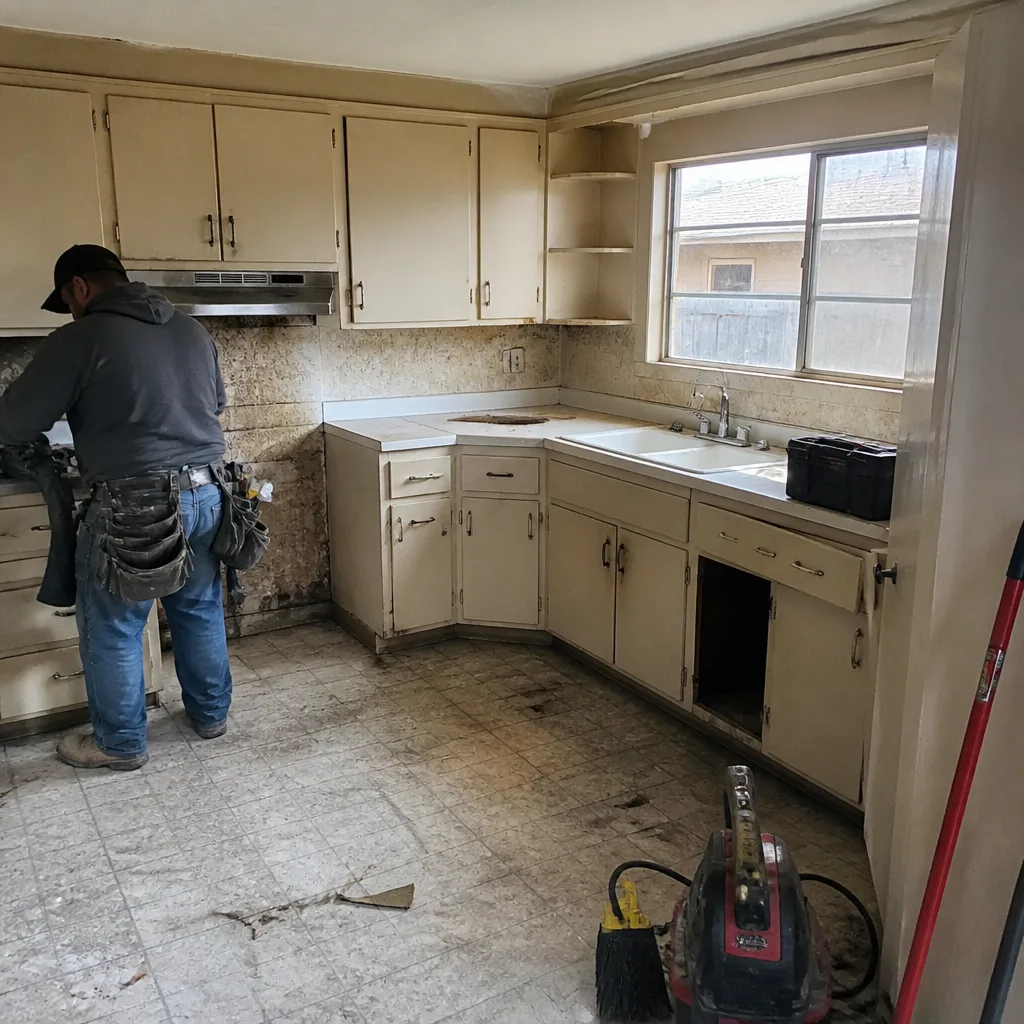 Before
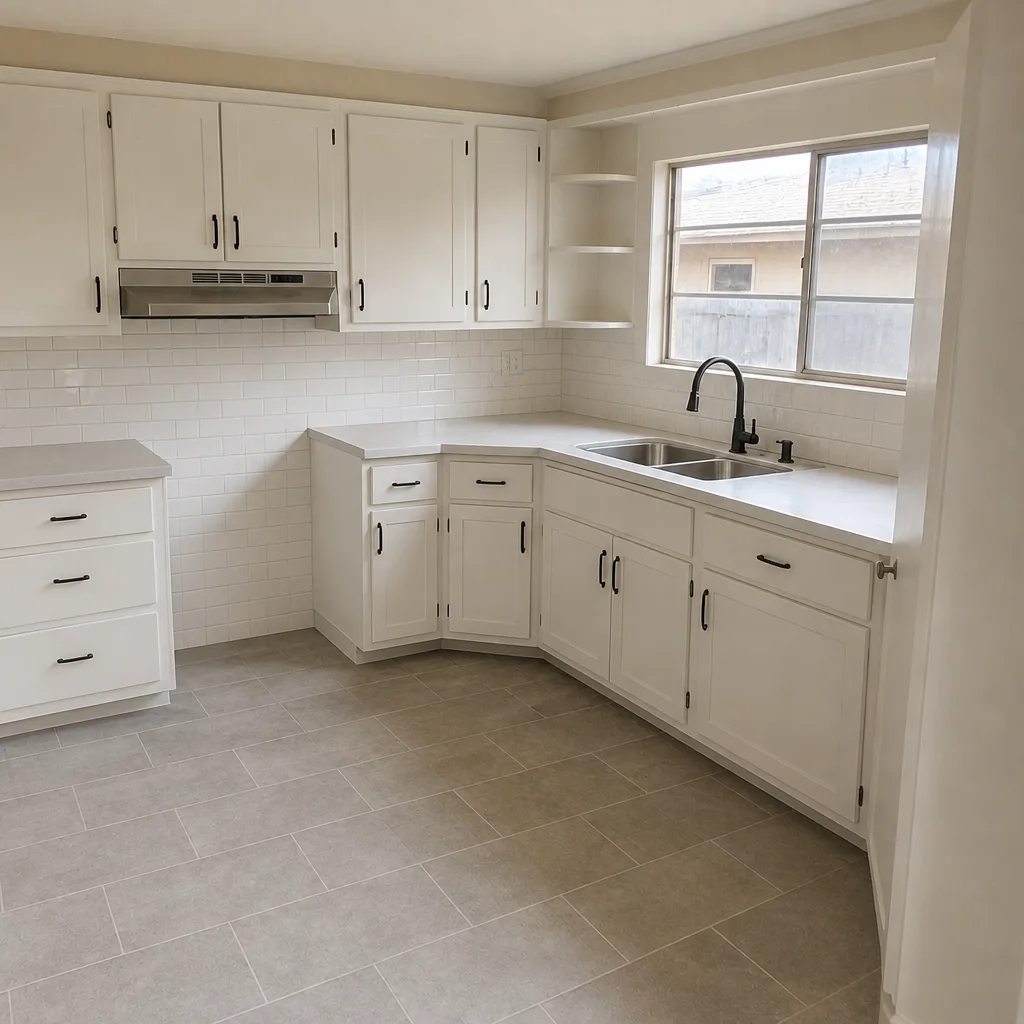 After
When to Call a Professional
Some situations call for a professional rather than a careful homeowner with a folder and a search bar. If you’re holding a bid with fewer than eight line items and the contractor won’t put a written scope behind the number, stop. If permit records don’t match the addresses a contractor gave you, stop. If work on your property is proceeding without a posted permit, without rough inspections, or without signed change orders, stop and get a second read on the paperwork. Windows and doors are another area where spec errors compound: an incorrectly flashed window or a door installed without the right drainage plane leaks for years before anyone notices. Our team of technicians has up to 19 years of experience reading exactly these documents, and Rowan Construction Group Hayward offers free estimates in Hayward. Call (866) 863-1729.
Frequently Asked Questions
Nothing. Rowan offers a Free Second Opinion on any written estimate: bring a competitor’s quote and we’ll review it line by line at no charge, identifying missing allowance lines, buried time-and-materials clauses, and permit scope gaps. Call (866) 863-1729 to schedule yours.
A bid with no allowance line items. It looks thorough because it’s short, but it means every material upgrade, unforeseen condition, and code-required addition will arrive later as a change order, turning an agreed price into a larger invoice. The fix is a flat written price with a written scope and a written warranty before work starts.
Not without a signed change order. Rowan’s discipline is that no work proceeds on a change until the change order is signed, which is why projects finish within a few percent of the agreed cost. If a contractor tells you they’ll “sort it out at the end,” that’s the warning sign, not the sign of flexibility.
Cross-reference the addresses against Hayward building permit records, which are searchable by address through the city. Confirm the permit exists, the scope matches, the contractor is named as contractor of record, and inspections were requested at rough stage and final. A claimed project with no permit is either unpermitted or not theirs.
Yes. Permits are pulled and inspections passed as part of the written scope, and the responsibility is stated explicitly on the quote. Starting work before the permit is issued is one of the most expensive red flags a homeowner can overlook, because unpermitted work can void insurance coverage and stall a future sale.
A lien waiver protects your property from a mechanics lien filed by a contractor who claims they weren’t paid. A conditional waiver, effective when your payment clears, is the version that protects you. An unconditional waiver signed before the check clears, or a final waiver that doesn’t name the subs and suppliers, leaves you exposed. Call (866) 863-1729 for an exact review of your paperwork. Estimates are free.
The Bottom Line
The warning signs that cost Hayward homeowners the most money aren’t the ones that walk in the door asking for cash. They’re in the paperwork: the missing allowance lines, the buried T&M clause, the claimed project with no permit record, the unconditional lien waiver offered after the check, the job that runs without a posted permit or a rough inspection. Read the documents. Cross-reference the permits. Keep every signed change order in one folder. And when a contractor puts a flat written price with a written scope and a written warranty in front of you before work starts, that’s the discipline that keeps your final invoice inside a few percent of the number you agreed to. The 365-Day Done Right Promise is printed on the page, not asterisked.
Get a Free Estimate in Hayward
If you’re holding a bid that doesn’t add up, or you’re about to start a project and want a number written in ink before anyone picks up a tool, call (866) 863-1729. Rowan Construction Group Hayward provides flat written pricing, a written scope, and a written warranty on every trade, from kitchens and baths to roofing, windows, fences, driveways, and additions. Crews are background-checked and uniformed, calls are answered by a live person 24/7, and every visit comes with a documented photo record as standard. Free estimates in Hayward – call (866) 863-1729 to schedule yours.
Written by the team at Rowan Construction Group Hayward.