Last updated November 18, 2026






Free written scope consultation - allowances, timeline, and change-order rules on paper before a single trade is scheduled
Construction Permits, Codes & Inspections in CA: What You Need to Know
California adopts a new edition of the Building Code on a three-year cycle, and most people assume the rules change on January 1. They often don’t. Cities get a window to adopt local amendments after the state edition takes effect, which means the standard your contractor built to in December might not be the one the inspector opens in March. A garage conversion that penciled out last fall can come back with a correction notice in the spring, and the fix is rarely free. We work inside this system every week on Hayward jobs, from the flats near downtown to the hillside lots off Fairview. This guide maps the stack plainly: state code, local amendments, inspection sequencing, the gap between a submitted permit and an issued one, and what unpermitted work really costs you at resale.
Quick Answer
Construction permits in California sit under a stack of overlapping authorities: the state Building Code and Title 24, each city’s local amendments, and the inspection sequence run by the local building division. What most homeowners miss is the amendment layer. Hayward’s amendments to the California Building Code, particularly around seismic bracing and energy compliance, are where a project that looks compliant on paper gets corrected in the field. The safe move is to confirm the current code cycle and Hayward’s amendments before anyone pulls a permit, not after.
Styles & brands we work with
- Kitchen remodeling
- Bathroom remodeling
- Home additions & ADU
- Roofing
- Windows & doors
- Driveway & pavers
- Fence
Table of Contents
- How California’s permit stack actually works
- Where Hayward diverges from the state code
- Which projects always need a permit, and which are exempt
- The inspection sequence for a Hayward remodel
- “Permit in hand” vs. “permit applied”
- What unpermitted work costs at resale
- When to bring in a licensed contractor
How California’s Permit Stack Actually Works
California’s building rules are not one document. They’re a stack, and each layer can contradict the one below it.
- The California Building Code (CBC) sets the statewide baseline for structural, fire, and life-safety requirements.
- Title 24 sits on top of the CBC and governs energy efficiency: insulation values, window glazing, HVAC sizing, and water heating.
- Local amendments are where Hayward, like most Bay Area cities, adds or tightens rules for its own soil, seismic exposure, and climate zone.
- The local building division administers the whole thing, reviews submittals, and runs inspections.
Here’s the part that catches people. When the state publishes a new code edition, cities don’t have to switch the same day. They adopt the state edition and then layer local amendments, and those amendments can land months later. So a project permitted under one edition and inspected under another is a real scenario, not a hypothetical. A contractor who only reads the state code and skips the city’s amendment page is going to hand you a correction notice instead of a final sign-off.
In our experience, the amendment layer is exactly where Hayward jobs get snagged. A structural shear wall that’s fine under the state CBC baseline can need extra anchorage under local seismic provisions. A window package specified to the state’s prescriptive energy path can fail Hayward’s review because the amendment reads a U-factor or a solar heat gain number more strictly. Under Clause 1 of the Haven Standard, the price is written before anyone starts, and that written scope reflects the current Hayward cycle, not last year’s. If you want to see how we apply that on a real scope, the Rowan Construction Group Hayward home page walks through the process.
Where Hayward Diverges from the State Code
Hayward is a seismic city. The Hayward Fault runs through the East Bay hills closest to neighborhoods like Fairview and the streets above Cal State East Bay, which is why local amendments tighten the state baseline in two places homeowners feel most: structural bracing and energy compliance.
Seismic bracing
The state CBC requires anchorage and bracing for structural elements. Hayward’s amendments go further for certain retrofit work and additions, particularly around foundation-to-framing connections in older homes. That matters for the housing stock here. A lot of Hayward houses date from the 1940s through the 1960s, and a permitted addition that ties into a 1950s foundation can trigger a bracing upgrade you didn’t plan for. We’ve seen this repeatedly on additions in neighborhoods where the original foundation lacks the anchorage the amendment assumes.
Title 24 energy compliance
Title 24 sets the energy requirements, but the amendment layer decides which compliance path and which prescriptive values apply to your project. Window and door replacements are the classic example. A replacement window has to meet both the state energy triggers and the amendment’s glazing requirements; products that clear state review don’t automatically clear Hayward’s. This is why we specify products we can document, and it’s why a lineup like Therma-Tru or a Mr-Glass assembly gets selected for the numbers it can produce, not the catalog photo.
The practical takeaway: the state code tells you the floor, and Hayward’s amendments tell you the actual ceiling. Always check both before you write a scope.
Which Projects Always Need a Permit, and Which Are Exempt
There’s a persistent myth that small jobs are automatically exempt. They aren’t. What’s exempt depends on the square footage, the dollar value, and whether the work touches structural, electrical, plumbing, or gas systems. Because ordinance thresholds change, the only number that matters is the one on Hayward’s current fee and permit schedule, and your contractor should be able to pull it and cite it in writing.
The categories that reliably require a permit regardless of the current threshold:
- Any addition to the building footprint, including attached garages and ADUs.
- Structural work: removing or adding a wall, altering framing, or moving a load-bearing element.
- Electrical panel upgrades, new circuits, and anything that touches the service.
- Plumbing and gas line alterations, even small ones.
- New or replaced roofs when the work includes structural repair, and re-roofs that change the sheathing.
- Fences above the city’s height threshold and any fence or retaining wall acting as a structure.
The fence point deserves a closer look. A low privacy fence at the property line is often exempt; a tall privacy fence, or a retaining wall holding back a grade change, usually isn’t. In Hayward, that’s a common issue on hillside lots where the grade changes sharply. We cover the differences between fence types, heights, and materials that trigger review on the Fence Installation in Hayward page. Exempt does not mean unregulated, either. Even exempt work has to meet code; the city just isn’t inspecting it in advance. When in doubt, call the building division and get the answer in writing before the work starts.
The Inspection Sequence for a Hayward Remodel
Inspections are where timeline and budget meet. A typical Hayward residential remodel moves through four major inspection points, in order:
- Rough inspection. Framing, electrical, plumbing, and mechanical are visible and open. The inspector sees the work before walls close in. Missing this by closing walls early is the most expensive scheduling mistake in remodeling.
- Framing inspection. Often combined with the rough inspection on smaller jobs; on an addition or a kitchen remodel with new structure, the inspector checks the framing and connections against the approved plan.
- Insulation and energy compliance inspection. Title 24 documentation gets checked here: insulation values, window specs, and the certificate the contractor is required to post.
- Final inspection. Everything’s finished and the record gets signed off. No final sign-off means the work is technically unpermitted from the city’s standpoint, even if it’s built correctly.
What a failed inspection costs in time and money depends on how far the work has progressed. A rough inspection that fails before walls close might add a week of rework and a reinspection fee, plus the cost of coordinating the trades back for the correction inspection. A final that fails because the wrong window was installed can add weeks and cost real money to resolve, because the fix is a product change, not a schedule change.
The crews doing this work here have up to 19 years of experience, and that matters most at inspection time. The value of experience isn’t charm; it’s knowing what the Hayward inspector wants to see on the rough walk before the drywall goes up.
“Permit in Hand” vs. “Permit Applied”
These two phrases sound close. In a project timeline, they are months apart.
“Permit applied” means the submittal has been filed. “Permit in hand” means the plan has been reviewed, corrections resolved, fees paid, and the card issued. In Hayward, the gap between them runs longer than the state average, especially during the busy spring and summer construction season, and it’s rarely reflected in a contractor’s timetable. Plan review comments come back, someone responds, and the cycle repeats until the reviewer clears the plan.
That gap has real consequences. A kitchen that needs the permit card issued before a crew can legally start is going to sit idle. A written project schedule that treats “permit applied” as “permit in hand” is a schedule built to slip. We build the review window into the written scope at the outset, because the alternative is a contractor who discovers the delay on demo day and asks you to eat the cost. The same sequencing problem shows up on any Home Additions & ADU in Hayward project, where plan review for a larger structure typically has more back-and-forth than a remodel.
The practical advice: ask your contractor for the actual plan review window in writing before you sign anything. A contractor who shrugs at that question has not been through the Hayward review process recently.
What Unpermitted Work Costs at Resale
Unpermitted work is usually invisible until someone looks for the paperwork. Then it gets expensive in a way that shows up twice: at the sale and again when you try to fix it.
Buyers’ inspectors flag the usual suspects: a finished basement or garage with no permit card on file, a bathroom with no vent or a shower that doesn’t match the original fixture schedule, an electrical panel with no inspection sticker. Title companies and buyers’ agents routinely check Hayward’s permit records during escrow. When the record doesn’t match what’s standing in the house, the buyer’s agent asks for proof, the sale stalls, and the negotiation turns on how much the buyer needs to set aside for a retroactive permit and the corrective work it may require.
Retroactive permit applications are the fix. The cost has two parts and the second is always the surprise: the permit fee itself, with plan review and any required corrections, and the cost of building the work out to current code. Under the current edition of the code and Hayward’s amendments, the contractor has to build it right, and that can mean opening walls to inspect what’s behind them, replacing framing, or upgrading the work to current energy and seismic requirements. A second opinion on a written estimate is the cheapest money you’ll spend here. Like other work under the Haven Standard, retroactive permit scopes get a written price before anyone touches a tool, so the number you see is the number you sign.
A word of caution if you’re scheduling retroactive work on an electrical or panel scope: panels and service work are genuinely dangerous, and it’s not a place to cut corners. We won’t do it, and you shouldn’t either.
When to Bring in a Licensed Contractor
A surprising amount of small work in California is legal for a homeowner to pull as an owner-builder. The math on gas lines, electrical panels and service upgrades, and any structural scope is simply against doing it yourself. The code knowledge required is real, the inspection scrutiny is heavy, and the failure modes involve fire and injury. Beyond that, a licensed contractor is worth bringing in when the project crosses into any of these zones: anything touching structural framing or load paths, any scope with plan review and a corrections cycle, anything with a tight timeline where the permit sequence matters, and any scope where the written price needs to be defensible to a lender or a buyer’s agent.
Rowan Construction Group Hayward offers free estimates in Hayward and will review a competitor’s written estimate line by line at no charge, so you can compare scopes apples to apples. Call (866) 863-1729 to schedule your free estimate; calls are answered by a live person. If you’re already planning pavers, driveway work, or hardscape alongside the build, the Driveway & Pavers in Hayward page covers the quantities and materials in plain numbers.
See the difference
 Before
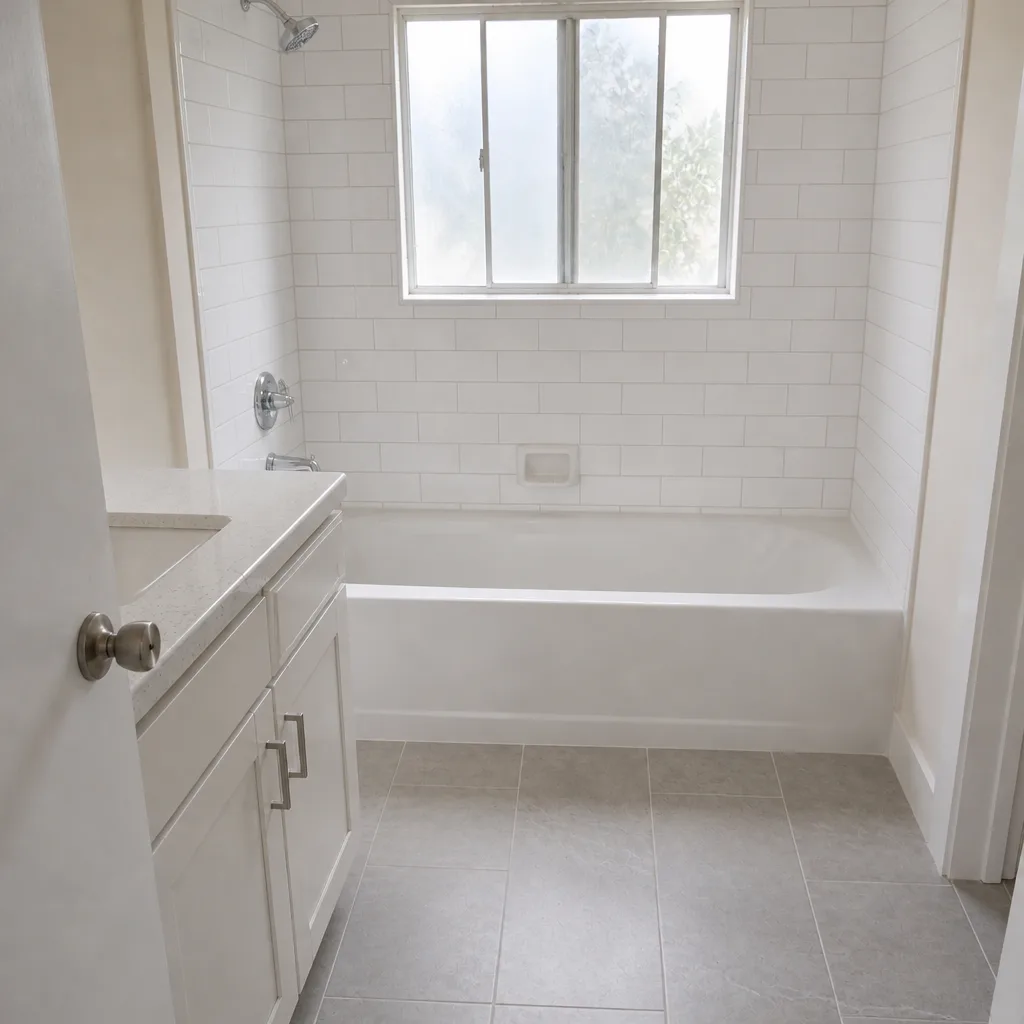 After
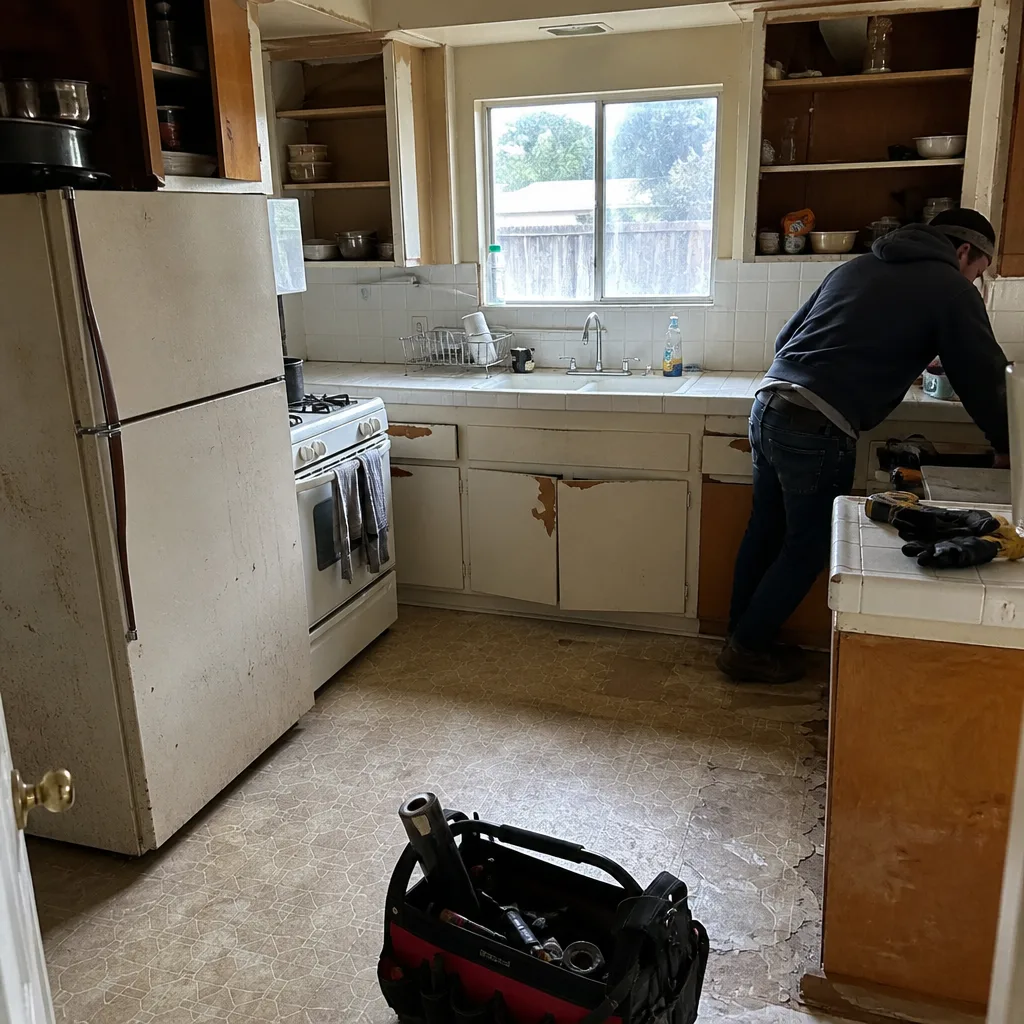 Before
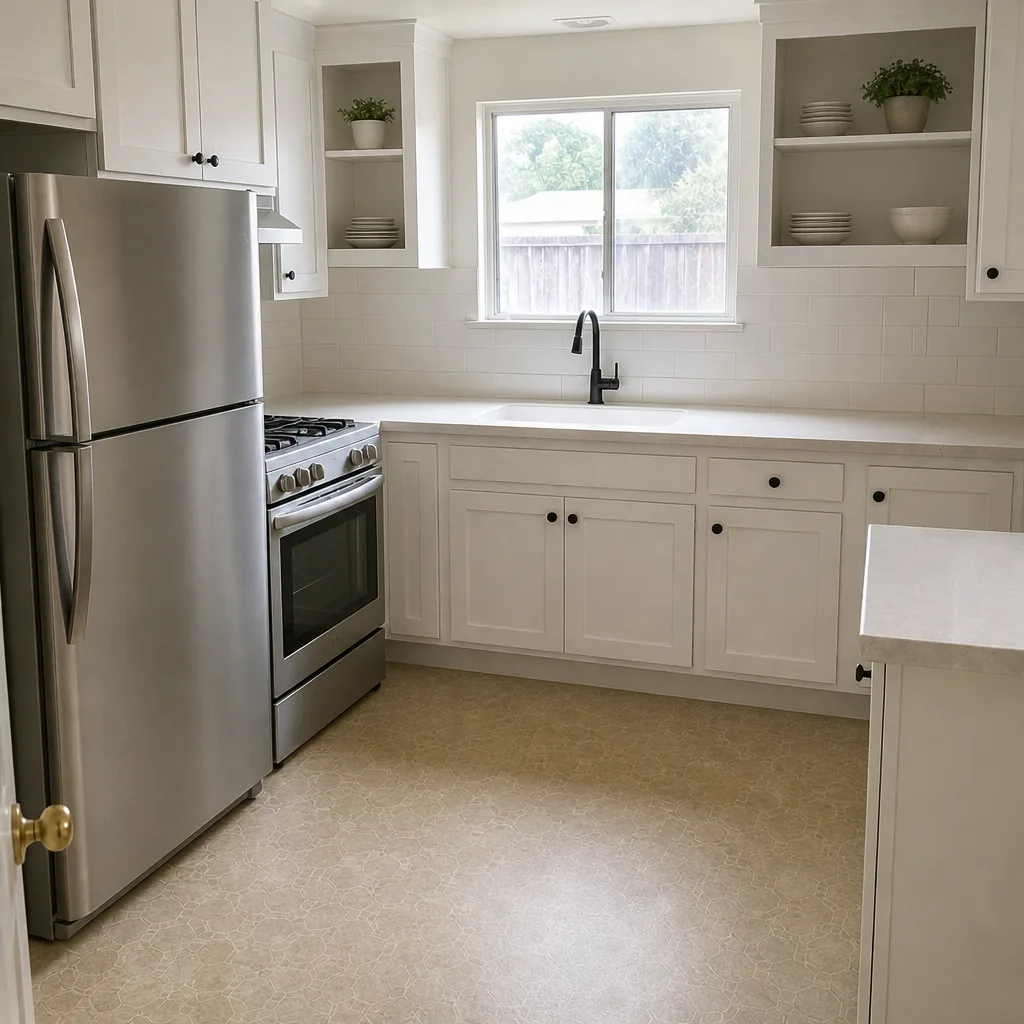 After
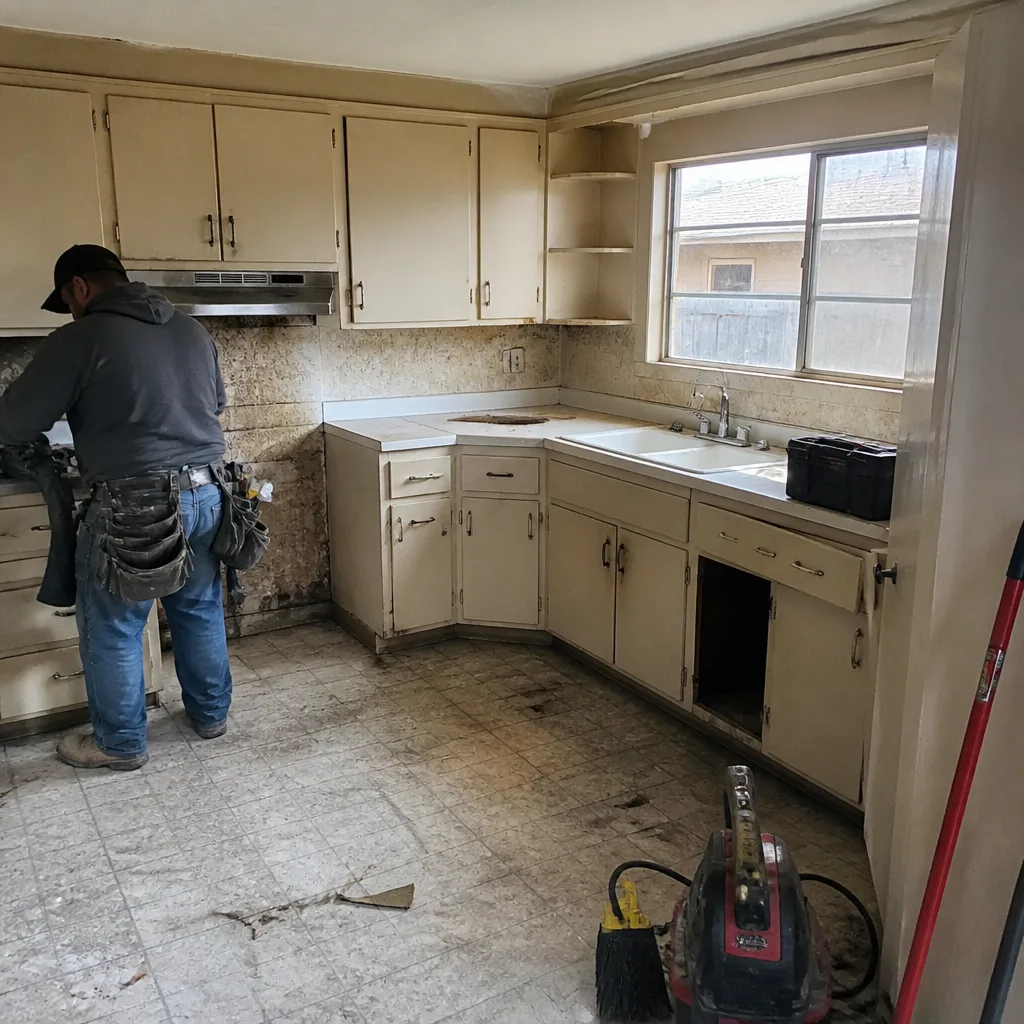 Before
 After
Common Mistakes to Avoid
- Reading the state code and skipping Hayward’s amendments. The amendment layer is where the inspector lives. Checking only the CBC or only the state edition’s cover page means what’s on site may not match what the city will sign.
- Treating an exempt job as unregulated. Hayward’s exemptions are for inspection burden, not code compliance. Exempt work still has to be built right, and that’s the standard a future buyer’s inspector will hold it to.
- Settling for “permit applied” in the schedule. The review window in Hayward runs longer than the state average in peak season. A written schedule that treats a filed permit as an issued one is a schedule that breaks.
- Starting demo before the permit card is issued. Striking the first nail before issuance turns a clean project into a violation. The cost is a stop-work order, corrections, and a stalled inspection sequence.
- Closing the walls before the rough inspection. The rough inspection has to happen while the work is open. Drywall over uninspected framing costs more to fix than to avoid.
- Assuming a replaced window meets Title 24 without checking. Products like Therma-Tru, ViewLux, or Mr-Glass assemblies still need their performance values checked against the amendment layer. The catalog listing is not the compliance path.
- Ignoring unpermitted work until escrow. If the record at the city doesn’t match what’s standing in the house, the buyer’s agent will find it. The fix is cheaper before a deadline.
Frequently Asked Questions
Usually yes. A kitchen remodel that touches plumbing, electrical, or structural framing requires a permit in Hayward, and most remodels touch at least one of those, even if it’s only relocating a circuit or a drain. The clean answer depends on your exact scope, and the number to check is Hayward’s current ordinance threshold. Call (866) 863-1729 for a scope review; estimates are free.
The Hayward review window runs longer than the state average, especially during the busy construction season, and it varies by scope. A remodel can move through plan review faster than an addition or ADU that needs more back-and-forth. We tell customers the review window in writing at the outset, before anyone signs. Call (866) 863-1729 for a scheduling conversation.
A failed inspection means rework and a reinspection. The cost depends on how far the work has gone: a rough failure before walls close might cost a week and a fee, while a final failure caused by the wrong window can add weeks and real money. The best defense is having the crew walk the rough inspection mentally before drywall goes up. Call (866) 863-1729 for an estimate on the work in front of you.
It depends on the height and whether the fence acts as a structure. Low privacy fences at the property line are often exempt from the inspection process, while taller fences and any retaining wall holding back a grade change usually need review. Hillside lots are the common case. Call (866) 863-1729 for a free estimate that includes a documentation check.
You can sell it, but the buyer’s agent will likely find the missing permit record during escrow, and the sale will turn on a price hold or a retroactive permit. Retroactive permits mean building the work out to current code, which can mean opening walls. The cheapest time to fix it is before you list. Call (866) 863-1729 to scope a retroactive permit before you sell.
The contractor generally pulls the permit for the work and carries it through the inspection sequence, because the person pulling the permit is responsible for the work being inspected. It’s worth confirming in writing who’s responsible for each submittal, each correction, and the final inspection sign-off. A written scope answers that. Call (866) 863-1729 for an estimate that names the responsibility plainly.
The Bottom Line

California’s permit system is a stack, and the layer homeowners miss is the local amendments, which is exactly where Hayward diverges from the state baseline. Whether it’s seismic bracing on a 1950s foundation, a Title 24 glazing value, or an ordinance threshold that decides whether a permit is needed at all, the answer is local. Confirm the current cycle. Confirm the amendment. Confirm the review window in writing, because “permit applied” and “permit in hand” are not the same thing. And if you’re looking at unpermitted work, deal with it before escrow, not during it. A written price and a documented record of every visit is what takes the surprise out of the process.
If you’d like a written estimate that reflects the current Hayward code cycle, or a free second opinion on a written estimate you already have, call Rowan Construction Group Hayward at (866) 863-1729. Estimates are free, and the price is in writing before anyone picks up a tool. For an overview of the trades we cover across the Hayward area, start at the Rowan Construction Group Hayward home page.
Written by the team at Rowan Construction Group Hayward.