Last updated November 18, 2026
Free written scope consultation - allowances, timeline, and change-order rules on paper before a single trade is scheduled
The Complete Home Additions & ADU Guide for Hayward Homeowners
Most statewide ADU guides will tell you a detached unit is “by-right” and leave it there. That advice costs Hayward homeowners money. Hayward’s rules around owner-occupancy, utility hookups, and fire sprinklers diverge from Oakland and Fremont in ways that shift a project budget by tens of thousands of dollars, and the approval path that works in Fremont can stall in Hayward. This guide covers what Hayward actually requires, what each ADU type costs in line items, how the seven trades break down, what lenders need, and how the planning calendar really runs. If you are planning an addition or ADU in Hayward, start here.
Quick Answer
In Hayward, an ADU can range from roughly $85,000 for a small junior unit to $350,000-plus for a detached two-bedroom, and the biggest cost variables are utility connection fees, fire sprinkler requirements, and site-specific setbacks – not the shell of the building itself. State law gives you broad rights to build one, but Hayward’s local ordinance controls owner-occupancy, connection charges, and how a detached unit must be separated from the primary house. A written scope and flat price before any work begins is the only reliable way to compare proposals.
Styles & brands we work with
- Kitchen remodeling
- Bathroom remodeling
- Home additions & ADU
- Roofing
- Windows & doors
- Driveway & pavers
- Fence
Table of Contents
- Hayward Zoning Rules for ADUs and Additions
- What Does an ADU Cost in Hayward?
- The Seven-Trade Breakdown of a Full ADU
- Financing an ADU in Hayward and Alameda County
- Timeline: Plan Check, Permits, and Inspections
- Common Mistakes to Avoid
- Frequently Asked Questions
Hayward Zoning Rules for ADUs and Additions
Hayward aligned its ADU ordinance with California’s 2020 state law, but the local version is stricter than the state minimum in a few places. The state allows a detached ADU of up to 1,200 square feet on most single-family lots. Hayward permits that size, but the city caps total lot coverage and enforces rear and side setbacks on detached units that are more restrictive than what Oakland allows. If your lot is under about 5,000 square feet in a neighborhood like Harder-Tennyson or the older blocks near South Hayward BART, those setbacks can shrink the footprint you can realistically build.
Here is how the three main ADU types stack up against Hayward’s rules:
- Detached ADU. Up to 1,200 square feet on most single-family lots. Hayward enforces its own rear and side setbacks plus lot coverage limits. A separate utility trench is usually required, which triggers the connection fees below.
- Attached ADU. Built onto the existing house, sharing a wall or roofline. Subject to the same residential setbacks as the primary dwelling. Often the least expensive per square foot because it shares foundation, utility runs, and roof framing.
- Garage conversion. The most straightforward path in Hayward. Because the structure already exists, the city treats it as an interior remodel in most cases, and existing nonconforming setbacks are typically grandfathered. You still need a full permit set, and a converted garage cannot count toward required parking.
Junior ADUs (JADUs) – a unit of up to 500 square feet carved out of the existing house, often with a small kitchenette – are allowed under state law and Hayward recognizes them. A JADU typically requires owner-occupancy of the primary residence, so confirm the current occupancy rule with the city before you design around it. That single clause has killed more than one Hayward project at plan check.
Two other local factors matter. First, Hayward sits in a fire hazard severity zone in the hills above the city, where the fire department applies additional access and construction requirements that flatland lots do not face. Second, Hayward’s climate – mild, with very little frost and moderate summer heat – means you can skip some cold-climate construction you would need in the Sierra, but you still need proper attic ventilation and Title 24 energy compliance for a conditioned ADU.
What Does an ADU Cost in Hayward?
Cost ranges in Hayward for 2024 are wider than most online estimates suggest, because the soft costs – permits and utility fees – run higher here than in many Bay Area cities. Here is a realistic line-item breakdown by ADU type:
| Line item | Junior ADU | Garage conversion | Detached ADU (1BR) |
|---|---|---|---|
| Design & engineering | $4,000 – $8,000 | $6,000 – $12,000 | $10,000 – $20,000 |
| Hayward planning & building permit fees | $2,500 – $6,000 | $4,000 – $9,000 | $8,000 – $16,000 |
| EBMUD & PG&E connection fees | $1,500 – $4,000 | $2,000 – $6,000 | $8,000 – $22,000 |
| Fire sprinklers (if triggered) | Rarely | Sometimes | $6,000 – $14,000 |
| Shell, trades & finishes (contractor) | $60,000 – $110,000 | $75,000 – $140,000 | $130,000 – $230,000 |
| Typical all-in range | $85,000 – $130,000 | $95,000 – $165,000 | $175,000 – $330,000 |
Two fees in that table separate Hayward from neighboring cities. EBMUD charges a water capacity connection fee for any new dwelling unit, and PG&E has its own separate service connection charges. A detached ADU usually requires a new sewer lateral or a private septic upgrade – in Hayward, that means a new sewer line to the main and a metered water line, which can run $8,000 to $22,000 depending on trench length and whether the sewer main sits below the street grade. That single line item is why detached units cost so much more than their square footage implies.
Fire sprinklers are the other local variable. Hayward’s fire code triggers sprinkler requirements on ADUs above certain size thresholds and on lots with limited fire access – common in the hills. A sprinkler system can add $6,000 to $14,000, and it needs its own set of plans and inspections. Statewide guides rarely mention this.
In our experience, the contractor shell-and-trades number is where most written quotes differ by 15-30%, which is why we insist on a written line-item price before work starts. Free second opinions on a competitor’s estimate are available because comparing line items side by side is the fastest way to see what is real.
The Seven-Trade Breakdown of a Full ADU
Every ADU is built by seven trades in sequence. Knowing what each trade contributes to the total budget helps you sanity-check a proposal before you sign it.
- Foundation and site work (about 10-15% of construction cost). Excavation, footings, slab or raised foundation, and drainage. On hillside lots above Hayward, this trade costs more because of slope drainage and retaining.
- Framing and sheathing (about 20-25%). Walls, roof, subfloor, and rough openings. Requires a licensed carpenter or framing crew under California law.
- Electrical (about 8-12%). Panel upgrade, circuits, and fixtures. A new service panel is common when the existing house panel is near capacity. Licensed electrician required.
- Plumbing (about 8-12%). Supply, drain, water heater, and fixtures. Licensed plumber required. Connection fees sit outside this line and are paid to EBMUD and PG&E.
- HVAC (about 6-10%). Ductwork or a ductless system, plus Title 24 ventilation. Licensed contractor for refrigerant lines.
- Insulation and drywall (about 10-12%). Insulation, drywall hang and finish, and texture. Title 24 energy compliance is checked here.
- Finish work (about 20-25%). Cabinets, countertops, flooring, tile, paint, and trim. This is where the brand choices affect the number – and where a written scope keeps a finish allowance from turning into a change order.
The trades that require a licensed subcontractor in California are framing, electrical, plumbing, HVAC, and roofing. Finish carpentry, drywall, painting, and tile can be handled by a general contractor with employees. That is a legal distinction, and any written scope should name who is responsible for each trade. Under Hayward permitting, the general contractor pulls the permit and the licensed subs are listed on it. Our crews are background-checked and uniformed, and we document each stage with a photo record as standard, so you have evidence of what was built before the walls close.
Financing an ADU in Hayward and Alameda County
Financing is where Alameda County offers more than many Bay Area counties. A few structures are worth knowing:
- Alameda County ADU financing programs. The county has offered low-interest loan products specifically for ADU construction, and some are income-qualified. Eligibility rules change, so confirm current availability through the county housing office before you count on it.
- Home equity lines and cash-out refinances. The most common path for Hayward homeowners with equity. The key is that the lender needs the ADU to appraise as an accessory – which requires a certificate of occupancy once it is built.
- Construction loans. Short-term, higher-rate financing drawn in stages. Lenders typically want a permitted plan set and a licensed general contractor before they approve.
An ADU appraisal is not the same as a standard addition appraisal. Appraisers generally value an ADU on its contributory value to the property, not on dollar-for-dollar cost, and rental income is treated differently by different lenders. Some underwriters will count projected ADU rent toward income only if there is a market rent analysis and the unit is legally permitted; others will not count it at all until the certificate of occupancy exists. Ask your lender which underwriting approach they use before you budget. In Hayward, where a permitted ADU can add meaningful rental value near the BART corridor, that distinction can change your loan amount by a wide margin. Call us for a written quote you can take to your lender.
Timeline: Plan Check, Permits, and Inspections
Hayward’s plan check and inspection calendar drives the schedule. Here is the sequence in practice:
- Pre-application review (1-2 weeks). Confirm zoning, setbacks, lot coverage, and fire-zone requirements with Hayward Planning before you finalize the design. This step saves weeks later.
- Design and engineering (3-6 weeks). Architectural plans, structural engineering, Title 24 energy report, and site plan. Can run at the same time as the pre-application review if you are organized.
- Plan check (6-12 weeks). Hayward building and planning review the set. Detached ADUs with new utility connections tend to take the longer end.
- Permit issuance and utility applications (2-4 weeks). Pay fees, apply to EBMUD and PG&E for connections. This can overlap with framing if the utility work is scheduled carefully, but trenching requires its own inspections.
Which approvals run concurrently and which are sequential matters: design, pre-application, and utility applications can run in parallel. Plan check, permit issuance, and inspections cannot. Hayward inspection scheduling runs on a standard booking window, and framing, electrical rough, plumbing rough, insulation, and final each need their own inspection before the next trade proceeds. We build the schedule so inspections are booked the moment the previous trade signs off. Expect a garage conversion to run 3-5 months from permit to final and a detached ADU to run 6-10 months.
Common Mistakes to Avoid
- Designing before checking Hayward zoning. A beautiful plan for a detached unit on a small lot in South Hayward can fail on setback or coverage. Confirm the buildable envelope first, then design.
- Guessing at EBMUD and PG&E fees. These vary by connection type and distance to the main. Get written fee schedules before you budget, not after.
- Assuming no sprinklers. Hillside lots in Hayward often trigger sprinkler and fire-access requirements that add real cost. Check the fire hazard severity zone up front.
- Forgetting the certificate of occupancy. Lenders, insurers, and renters all need it. An unpermitted ADU is a liability, and Hayward does not allow a converted garage to count as parking.
- Treating the JADU owner-occupancy rule as optional. A junior ADU normally requires you to live in the primary residence. Confirm the current rule with Hayward before you design a rental strategy around it.
- Signing a proposal with allowances instead of a flat price. Finish allowances become change orders. A written scope with a flat price is the only number you can compare.
- Skipping the fire sprinkler plan set. If sprinklers are triggered, they need their own plans and inspections. Discovering that mid-build costs weeks.
See the difference
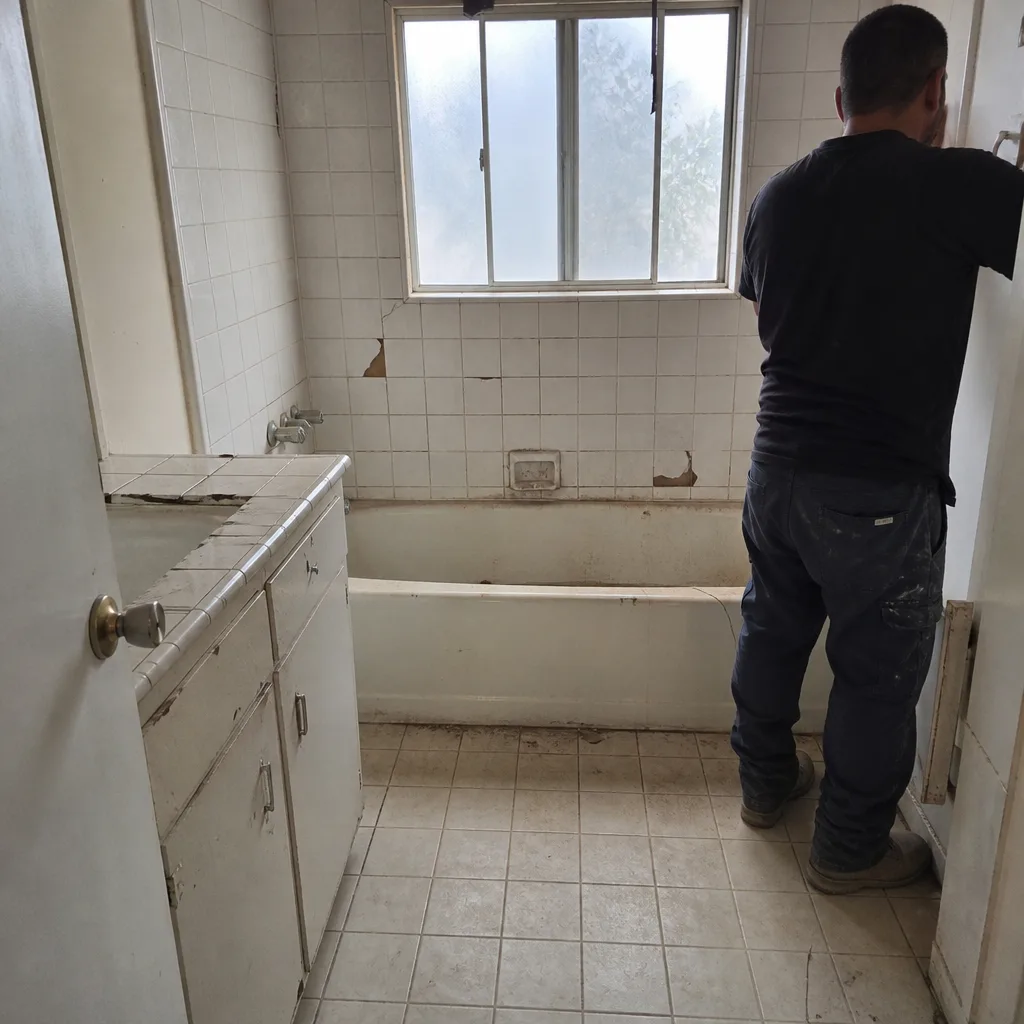 Before
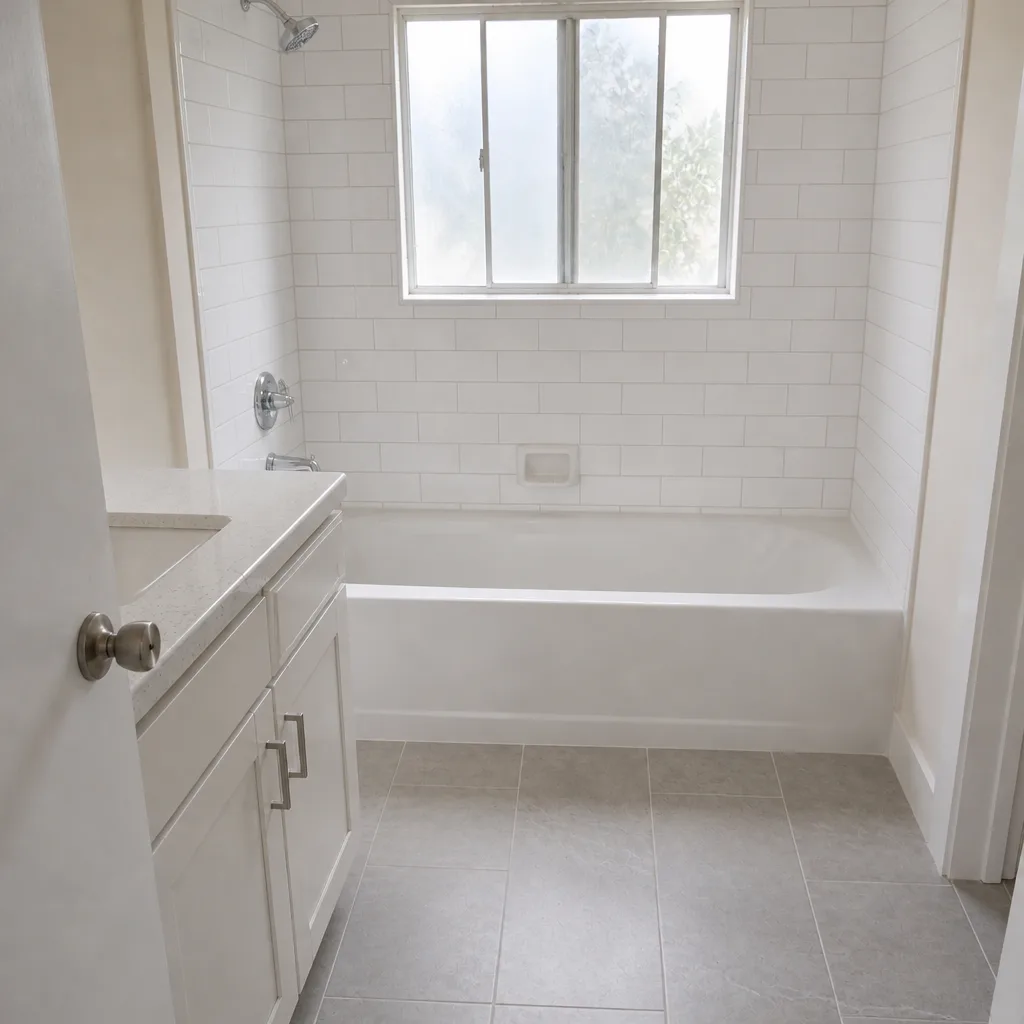 After
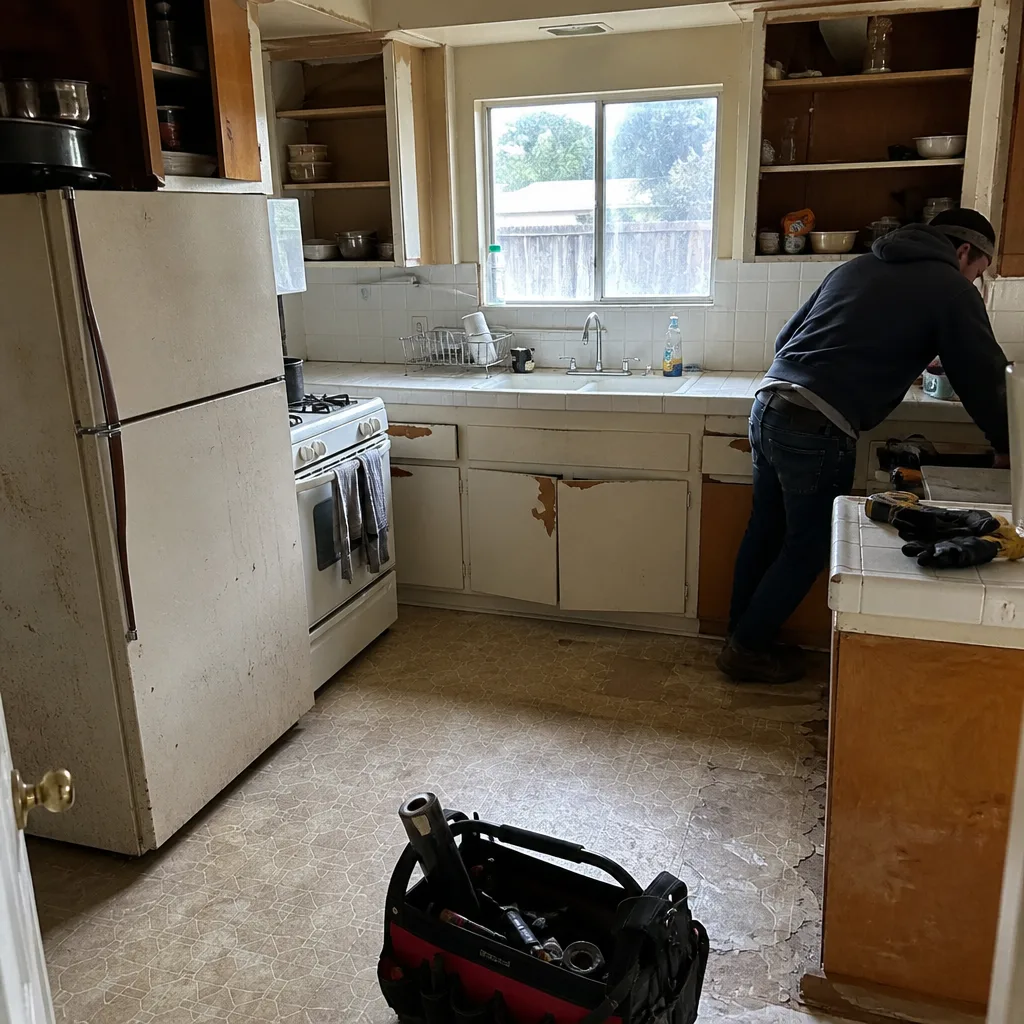 Before
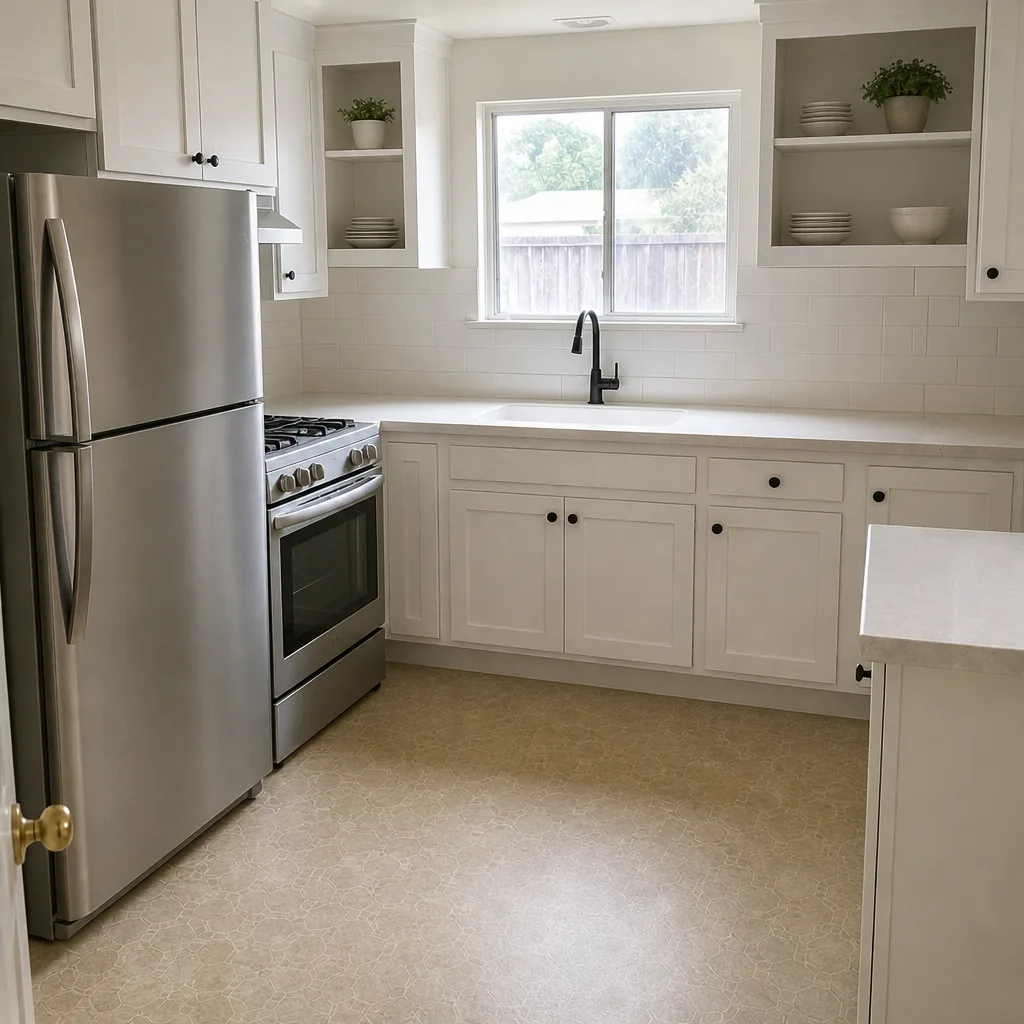 After
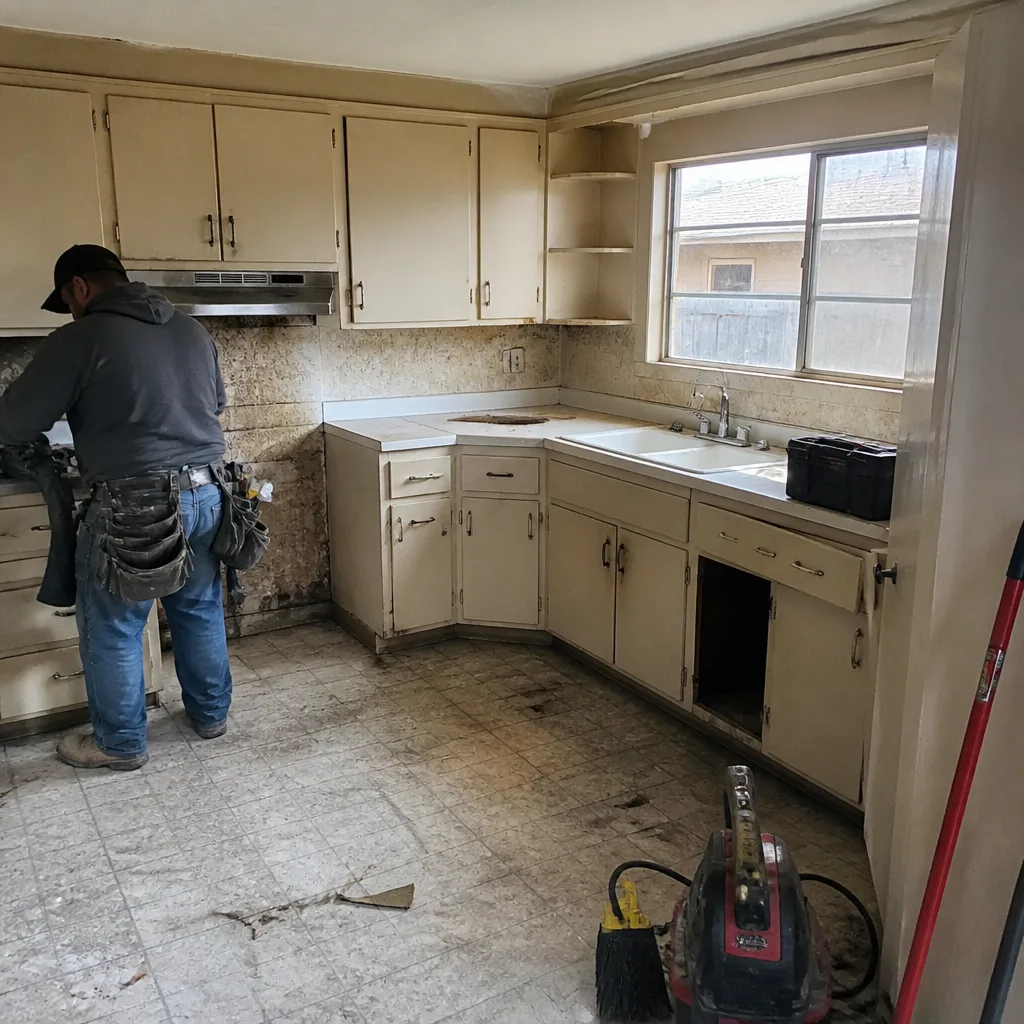 Before
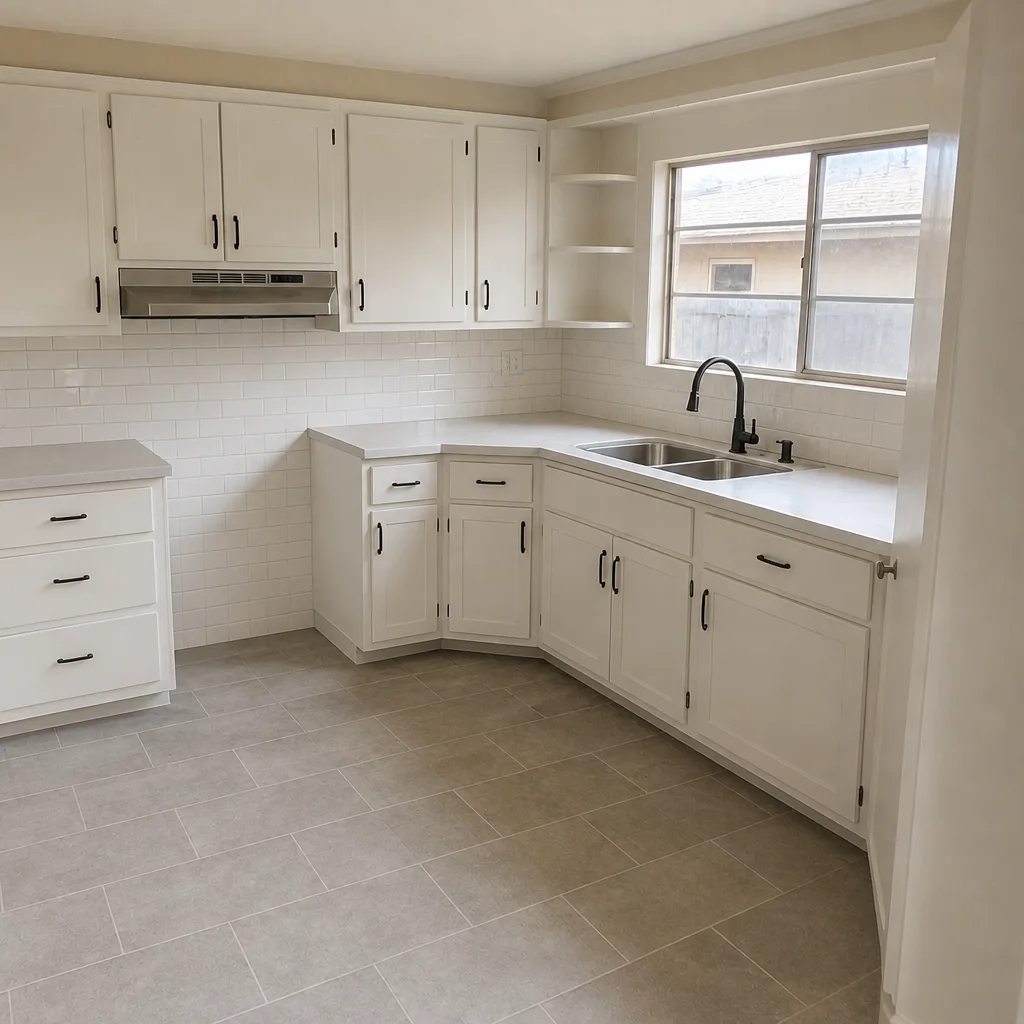 After
When to Call a Professional
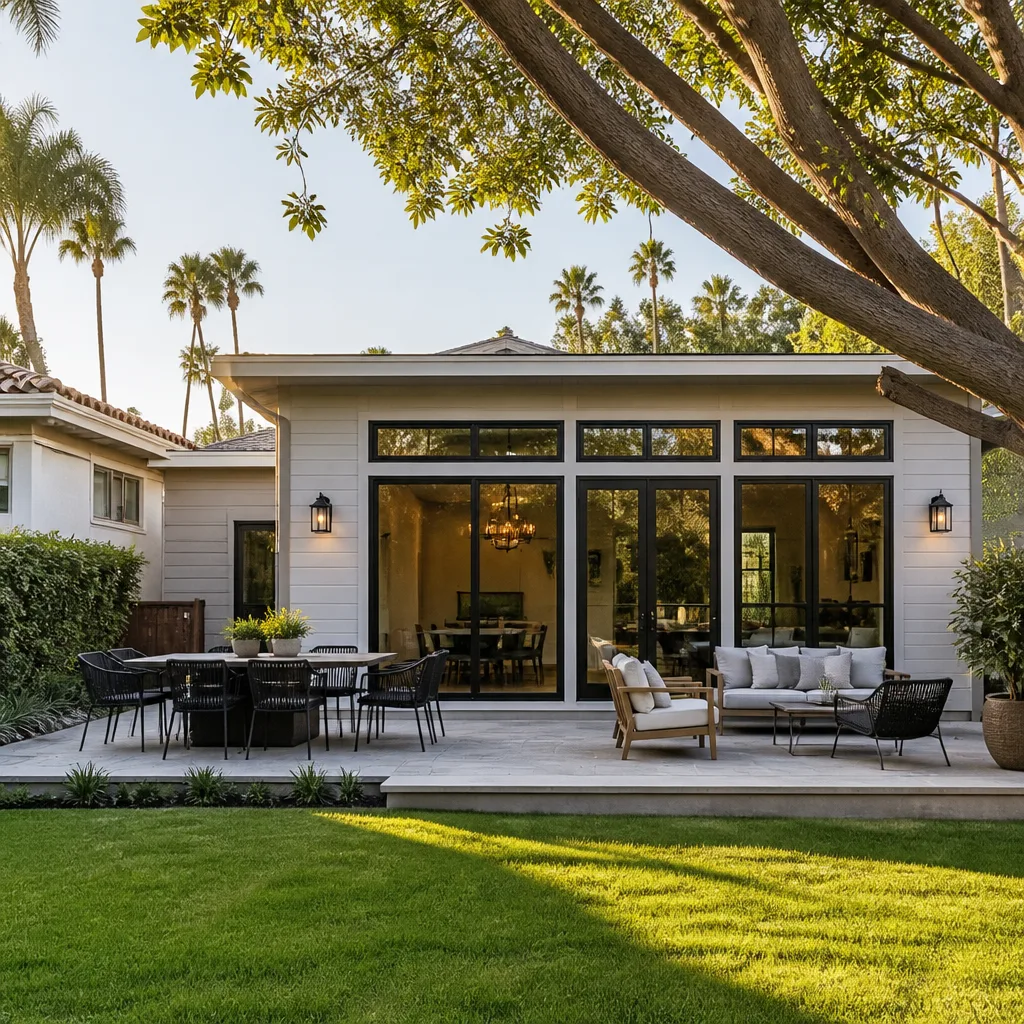
Call a licensed contractor and design team when your project involves a new foundation, a new electrical service or panel, a new sewer or water connection, or a fire-sprinkler system. Those are areas where an error is expensive to correct and where California law requires licensed subcontractors. Call when you are ready to convert a garage and need the permit set and inspections managed end to end. Call when you are extending the primary house with a home addition rather than a standalone unit. Even for a JADU, call to confirm the owner-occupancy rule and get the permit set right the first time. Rowan Construction Group Hayward offers free estimates in Hayward – call (866) 863-1729.
Frequently Asked Questions
In most cases yes, on a single-family lot, up to about 1,200 square feet, subject to Hayward’s rear and side setbacks and lot coverage limits. Small lots in Harder-Tennyson or near South Hayward BART can be constrained by those local rules even though the state allows the size. Confirm the buildable envelope with the city before you design. Call (866) 863-1729 for a free estimate and a written scope.
Roughly $85,000 – $130,000 for a junior ADU, $95,000 – $165,000 for a garage conversion, and $175,000 – $330,000 for a detached one-bedroom, in 2024 dollars. The biggest variables are EBMUD and PG&E connection fees and fire sprinklers. Call (866) 863-1729 for a line-item quote – estimates are free.
Sometimes, depending on size and whether the lot is in a fire hazard severity zone – which hillside lots above Hayward often are. Sprinklers can add $6,000 – $14,000 and need their own plan set. Have your contractor check the fire zone before design. Call (866) 863-1729 for an exact assessment.
Plan check typically runs 6 – 12 weeks after design, and a detached ADU usually takes 6 – 10 months from permit to final inspection, while a garage conversion runs 3 – 5 months. Design, pre-application, and utility applications can run concurrently; plan check and inspections cannot. Call us to schedule your free estimate.
Alameda County has offered low-interest ADU loan programs, some income-qualified, and home equity and construction loans are the other common paths. Lenders need the unit permitted with a certificate of occupancy before it counts fully in underwriting. Confirm current program rules, then call (866) 863-1729 for a written quote to take to your lender.
Not without a signed change order. Our written price is flat, with a written scope and written warranty, and no change proceeds until the change order is signed – that is the discipline that keeps projects within a few percent of the agreed cost. Call (866) 863-1729 for a free estimate.
The Bottom Line
Hayward’s ADU rules are not the same as Oakland’s or Fremont’s, and the cost table above shows why that matters: utility connection fees, fire-sprinkler triggers, and local setbacks can swing a detached ADU budget by tens of thousands of dollars. Get the buildable envelope confirmed, get written EBMUD and PG&E fee schedules, and get a flat price with a written scope before you sign anything. The seven-trade breakdown and the plan-check timeline tell you what to expect at each stage. Our technicians have up to 19 years of experience, and our free second opinion on a competitor’s estimate lets you compare line items side by side at no charge.
Contact Us
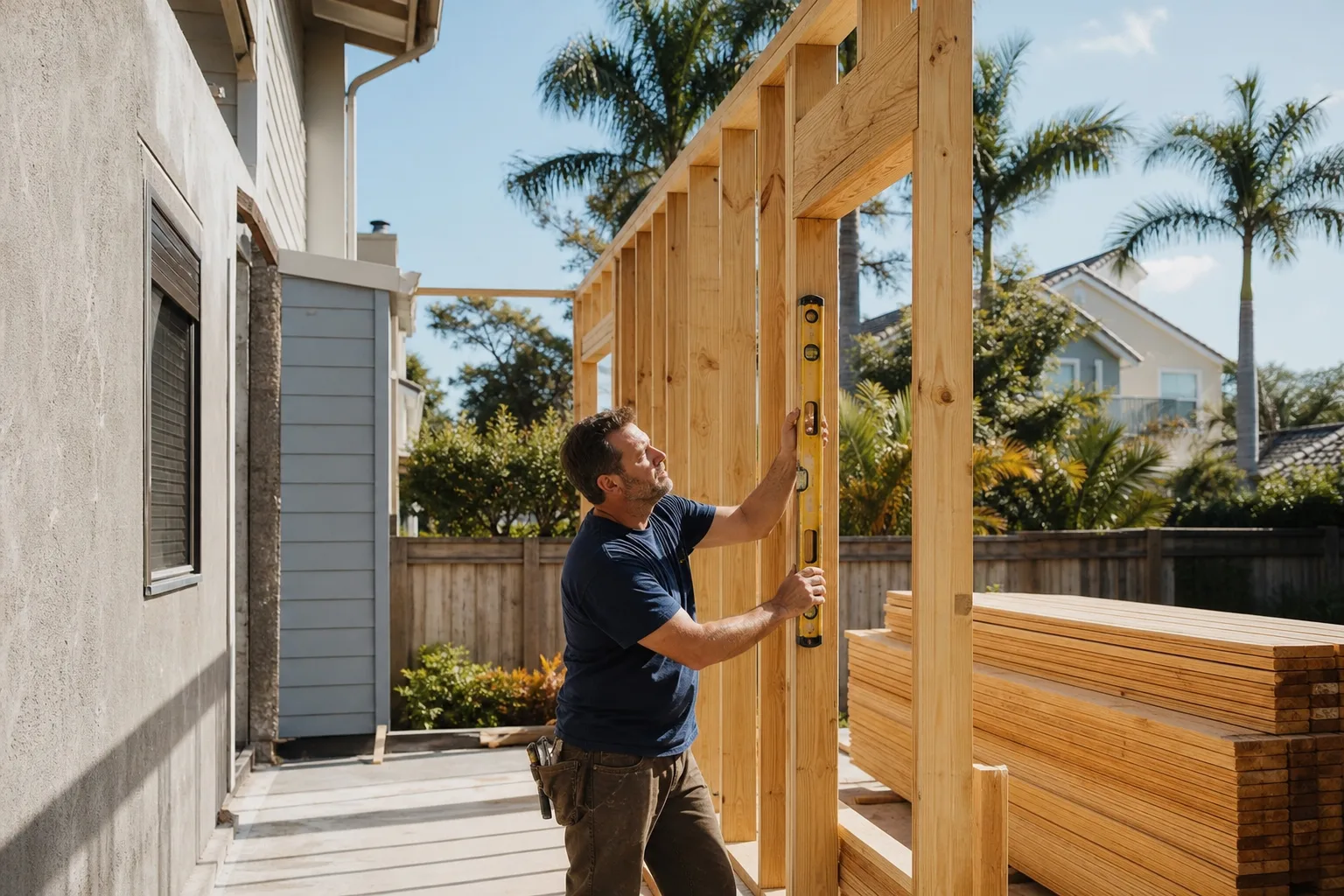
Whether you are planning a garage conversion, a detached ADU, or an addition that extends the primary house, the fastest way to move forward is a free estimate with a written, line-item price you can compare. We also handle the driveway and site work that supports a new unit – see our Driveway & Pavers in Hayward page – and the fencing that separates the lots, covered in Fence Installation in Hayward. For the full service behind this guide, visit Home Additions & ADU in Hayward, and to see everything we build, start at the Rowan Construction Group Hayward home. Call (866) 863-1729 to schedule your free estimate.
Written by the team at Rowan Construction Group Hayward.