Last updated November 18, 2026


Free written scope consultation - allowances, timeline, and change-order rules on paper before a single trade is scheduled
Construction Emergency Preparedness Guide for Hayward Homes
USGS puts the odds of a magnitude 6.7 or greater earthquake on the Hayward Fault in the next 30 years at roughly 33 percent. That’s not a scare number, it’s a planning number. The fault runs directly beneath Hayward, through neighborhoods, under schools, along the base of the hills. And here’s the part most emergency guides skip: the construction decisions a homeowner makes in the first 72 hours after a seismic event – whether to shore, whether to re-enter, what to photograph and in what order – often determine whether an insurance claim gets paid or denied. This guide covers both the seismic case and the East Bay fire case, with the technical specificity Hayward homes actually need.
Quick Answer
Construction emergency preparedness for a Hayward home means three things done before an event and three things done after: before, you document your home’s condition, know your shutoff locations, and understand your structural weak points; after, you assess from the exterior before re-entry, photograph everything in a fixed order before touching anything, and verify any contractor through the CSLB before signing. Hayward’s specific risks are Hayward Fault ground shaking and wildland-urban interface fire along the hills, and the two demand different preparations.
Styles & brands we work with
- Kitchen remodeling
- Bathroom remodeling
- Home additions & ADU
- Roofing
- Windows & doors
- Driveway & pavers
- Fence
Table of Contents
- Post-Earthquake Structural Assessment Before Re-Entry
- Documentation Protocol for Insurance Claims
- What Red Tags and Yellow Tags Mean in Hayward
- Fire-Season Construction in Hayward’s WUI
- Vetting a Contractor After a Disaster
- Pre-Season Prep for Hayward Homes
- Common Mistakes to Avoid
How Do You Assess a Hayward Home After an Earthquake, Before Re-Entry?
You assess from the outside first, and you don’t go in until you’ve answered four questions. This is the protocol we walk Hayward homeowners through after any shaking event strong enough to knock things off shelves.
Start at the street and look at the whole house. Is the roofline straight? A sagging ridge or a chimney that’s leaning means the framing has shifted. Walk the perimeter and check the foundation line where it meets the siding – a continuous horizontal crack in the stucco at the sill plate is a red flag in older Hayward homes, particularly the 1920s-1950s stock near downtown and the tracts built before the 1976 Uniform Building Code adopted modern shear requirements.
- Look for racking. Are the window and door frames still square? Doors that won’t latch and windows that bind are the cheapest early indicator that a wall has twisted out of plumb.
- Check for soft story. If your Hayward home has a garage or open carport under living space, the ground floor is the weak link. Look for cracked posts, separation at the beam-to-post connection, and any visible tilt.
- Smell for gas. If you smell mercaptan, leave the property and call PG&E from a neighbor’s phone. Don’t flip a light switch, don’t use a garage door opener.
- Look at the chimney. Unreinforced masonry chimneys are the most common source of post-quake injury and the most likely to fail in a Hayward event. If it’s cracked through, separated from the house, or leaning, treat the fireplace as condemned until inspected.
If the exterior reads clean, enter slowly with a flashlight and a phone set to video. Any door that’s jammed shut is information – don’t force it. We’ve seen homes in Hayward where the only visible exterior damage was a hairline stucco crack, and the interior revealed a shifted cripple wall under the floor. That’s a professional assessment, not a homeowner one.
What Should You Photograph After Construction Damage, and in What Order?
Photograph the whole, then the parts, then the context, then the evidence – in that order, before you move anything. Adjusters and carriers process claims in the order the record was made, and a sequence that’s out of order reads as coached.
Here’s the protocol we hand Hayward clients the day they call:
- Wide shots of every room from the doorway, one photo per wall. Don’t zoom. You want the ceiling, the floor, and the two adjacent walls in every frame.
- Medium shots of the damage – the crack, the water stain, the separated window frame – with a dollar bill or tape measure in the frame for scale. Adjusters estimate from known objects.
- Close-ups of the failure itself. For a cracked foundation, shoot the crack at the sill plate, at mid-height, and where it terminates. The length and orientation tell an engineer whether it’s a settling crack or a shear crack, and that distinction changes the claim.
- Date-stamped context shots of the exterior at each corner, the roof from the ground, and the property line if it involves a fence or a shared wall.
- Video walk-through narrating what you see, not what you think caused it. Say “crack in the stucco at the sill plate, roughly three feet long” – don’t say “earthquake damage.”
Then stop. Don’t repair. Don’t pull the drywall to “see what’s behind it.” Don’t let a handyman patch the crack before the adjuster visits – that erases the evidence and, in many policies, voids the coverage for that specific defect. Cover broken windows with plywood to secure the property and keep the receipts for the materials. Those receipts are reimbursable under most carriers’ loss-of-use provisions, and the plywood itself is evidence that you mitigated.
If you need to secure the property from further damage – a real scenario in Hayward after a shake when the next rain system is two days out – a tarp on the roof and boards on the windows are standard mitigation. Structural repair is not. Get the assessor’s photographs first. If the adjuster asks for a second opinion on any written estimate, we’ll review it line by line at no charge – that’s a standing offer, and we’ll tell you if the carrier’s number is already fair.
What Do “Red Tag” and “Yellow Tag” Placards Mean in Hayward?
A red tag means the building is unsafe to occupy and the city has restricted entry. A yellow tag means the building is damaged but may be occupied with restrictions, and those restrictions are printed on the placard itself. Both are posted by the Hayward building official after an inspection, and both carry specific rights for the homeowner that most people don’t know to exercise.
Under California’s post-disaster building evaluation process, which Hayward follows through its building division:
- Red tag (UNSAFE): The structure is seriously damaged or an imminent hazard. You may not re-enter for occupancy except to retrieve essential items and valuables, and that retrieval is usually escorted and time-limited. The building department has the authority to order repair or demolition, and demolition orders are appealable. If your Hayward home gets a red tag, ask the inspector in writing for the specific deficiency that triggered it – the citation is your roadmap for the repair scope and the basis for any appeal.
- Yellow tag (RESTRICTED USE): The building is damaged but not imminently hazardous. Entry is permitted, but specific areas may be off-limits – often the garage, the fireplace, or an upper floor. The restrictions are printed on the placard. Photograph the placard the day it’s posted; if it’s later removed or amended, your photograph is your record for the insurance claim.
- Green tag (INSPECTED): The building was inspected and is considered lawfully usable. Not all jurisdictions post green tags, and Hayward may not post one – check with the building division for the day’s status. Absence of a tag is not the same as a green tag.
The homeowner right that’s most often missed: you can hire your own licensed structural engineer to produce a contrary evaluation. A red tag from a rapid post-event assessment – often conducted by a volunteer or an inspector who’s seen 40 buildings that day – can be challenged with a full engineering report. We’ve seen Hayward homes knocked down to yellow-tag status on a properly documented engineer’s letter, which preserved occupancy and, in some cases, the policy. That’s a case-by-case call and worth the few hundred dollars the report costs.
What Fire-Season Construction Steps Matter in Hayward’s WUI Neighborhoods?
Hayward’s fire risk isn’t the same as Napa’s or Paradise’s, but the hills above the city – the neighborhoods climbing toward Garin and the ridgeline above Fairview – sit in the wildland-urban interface, and the ember problem is the one that burns houses. Embers travel up to a mile ahead of a fire front and enter a home through attic vents, dryer vents, and the gap under a garage door.
The construction-side measures that actually reduce risk on a Hayward home:
- Ember-resistant attic vents. The 1/8-inch to 1/16-inch mesh vent is the requirement under Chapter 7A of the California Building Code for new construction in fire hazard severity zones. Retrofitting existing vents to the 1/8-inch mesh standard is a lower-cost upgrade that closes the most common ember entry point. Brand choice matters less than the mesh rating – 1/8 inch blocks most embers.
- Class A roofing. Every asphalt shingle we install – GAF or Owens Corning – carries a Class A fire rating, which is the top class under ASTM E108. What matters for Hayward homes is the underlayment and the roof-to-wall intersection: an ember that gets under the shingle at the fascia has a straight shot into the attic. A Class A assembly with a proper drip edge and a noncombustible flashing detail at the wall is what actually performs.
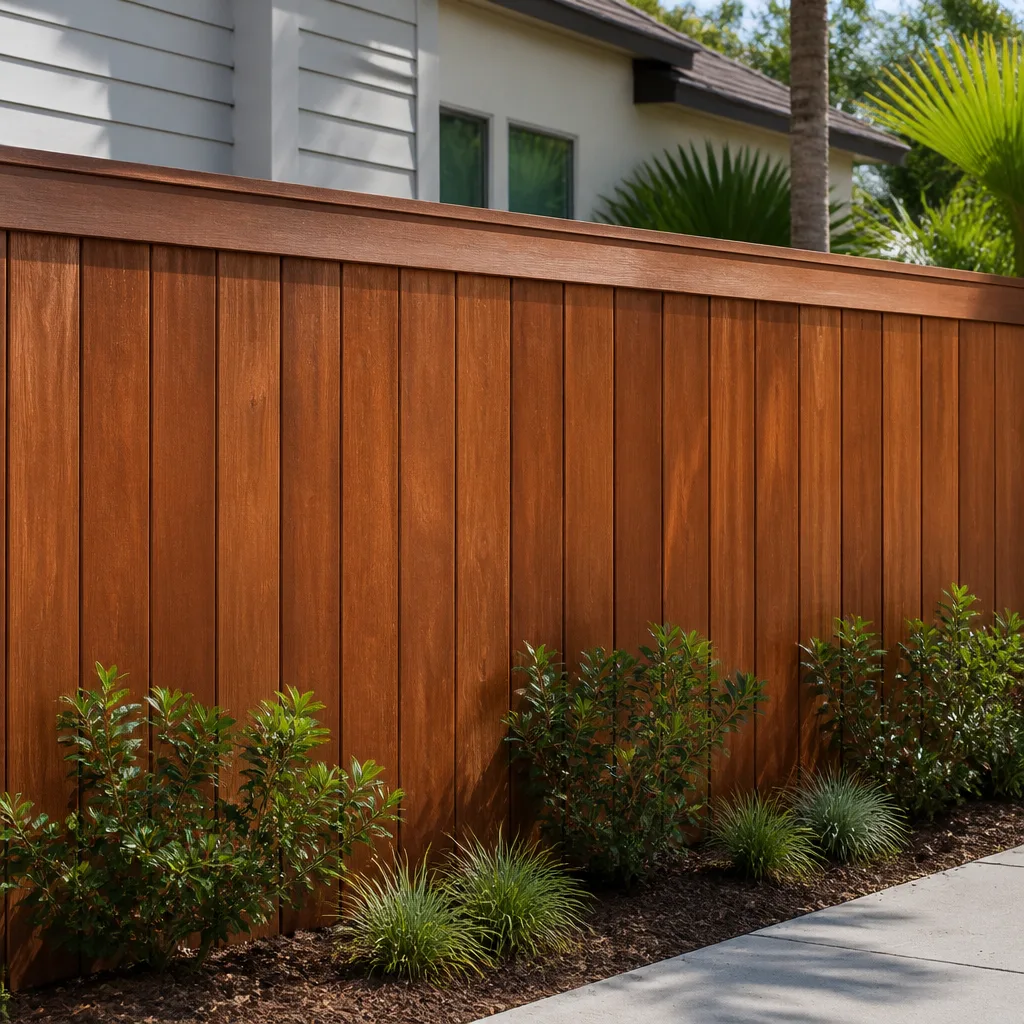
- Defensible space. Cal Fire’s Zone 0 (0-5 feet) and Zone 1 (5-30 feet) rules apply to properties in the state responsibility areas and, increasingly, to local ordinances in the Hayward hills. The construction-side compliance: noncombustible fencing within 5 feet of the structure, gutter guards to prevent leaf accumulation, and Class A rated decking on any attached structure. A wood fence meeting a wood-sided house is a fuse – that’s where a fence replacement becomes a fire-hardening measure, and a vinyl product like Bufftech or a metal system does the job.
- Window glazing. Dual-pane tempered glass is the current Chapter 7A standard for WUI glazing because tempered glass resists radiant heat failure longer than annealed glass. If your Hayward home still has single-pane windows on the downhill face, that’s the highest-value retrofit on the list.
For homeowners thinking through the full exterior – roof, windows, and defensible-space fencing as one scope – the Rowan Construction Group Hayward home page walks through how we sequence those trades so the written price comes before any work starts, and the fence installation in Hayward page details the noncombustible options that meet both the fire-hardening goal and the standard property-line requirements.
How Do You Spot a Legitimate Contractors After a Hayward Disaster?
You run the CSLB check before you sign anything, and you run it in the first week. Disaster-chasing contractors – unlicensed, out-of-state, or licensed but working outside their classification – follow seismic events the way weather chasers follow storms, and Hayward has seen them after every significant shake. The check takes seven minutes and it’s free.
Do these, in this order:
- Search the license number on the CSLB website (cslb.ca.gov). Verify three things: the license status is “Active,” the classification matches the work (B for general building, C-39 for roofing, C-13 for fencing, and so on), and the business name matches the contract exactly.
- Verify the bond and workers’ comp. The CSLB record shows the bond amount and the workers’ compensation status. A contractor who’s “between bonds” is a contractor who can’t pay a judgment.
- Ask for the license number on the written contract. It’s a legal requirement in California, and a legitimate contractor will have it on the letterhead. A contractor who “has to get it to you later” is a contractor to walk away from.
- Check the address. A Hayward contractor with a Hayward or nearby-East-Bay address on the CSLB record is verifiable. A contractor whose license lists a PO box in another county and who’s “working the neighborhood” is a red flag – not automatic disqualification, but a flag.
- Refuse to pay more than 10 percent down. California’s Contractors State License Law caps the down payment on a home improvement contract at 10 percent of the contract price (or $1,000, whichever is less) before work begins. Anyone who wants 50 percent up front for a post-quake repair is breaking the law, and the ask is the tell.
We write the price before anyone starts, and under Clause 1 of the Haven Standard that price is flat, with a written scope and a written warranty, and it does not move until a change order is signed. That’s not a selling point for a disaster scenario – it’s the baseline you should demand from any contractor, disaster or not. Every crew member is background-checked and uniformed, and a live person answers the phone around the clock, which matters more than it sounds when you’re making a decision at 10 PM after an inspection you didn’t expect.
What Should a Hayward Homeowner Do Before an Event, Not After?
Four things, done on a Saturday morning, cost under $200 and cut your post-event repair scope by more than you’d think:
- Photograph the whole house, room by room, and email the photos to yourself. Date-stamped, cloud-stored, and retrievable from any device. This is the “before” record – the adjuster compares it to your “after” photos, and pre-existing cracks that appear in both are excluded from the claim. Without the “before” set, the entire crack reads as new damage, and the carrier’s version of the story wins.
- Walk the property with a licensed structural engineer once. Not a home inspector, an engineer. They’ll identify the cripple-wall and soft-story weak points in your specific Hayward home and give you a written memo you can hand to the building inspector post-event. A few hundred dollars, and it makes the red-tag appeal possible instead of theoretical.
- Label your shutoffs. Gas meter, water main, and the electrical panel main breaker. Photograph each one with a note. You shouldn’t practice shutting them off unless you’ve been shown how, but knowing where they are in a dark house is a prep step that costs nothing.
- Get the seismic retrofit on the calendar if the house is pre-1980. Cripple-wall bracing and foundation bolting are the two retrofits that make the biggest difference in a Hayward Fault event, and both are far cheaper than the repair they prevent. If you’re considering an addition – a common scope on older Hayward homes – the home additions and ADU in Hayward page details how the structural work gets sequenced with the new construction.
Common Mistakes to Avoid
- Repairing before the adjuster visits. Patching a crack or replacing a broken window frame before the carrier photographs it erases the claim. Secure the property with plywood and tarps, keep the receipts, and leave the damage itself visible.
- Confusing a yellow tag for a green tag. The restrictions are real, and violating them – often by using the garage or the fireplace after a yellow tag – can void the claim and expose you to liability if someone is injured.
- Hiring the first licensed-looking contractor at the door. Run the CSLB check every time, no exceptions. The five minutes you spend is the difference between a documented repair and a $40,000 lien on your property.
- Skipping the “before” photo set. Without a dated pre-event record, every crack and every water stain gets argued as pre-existing, and the carrier’s adjuster wins because they have a file and you have a memory.
- Putting a wood fence against a wood-sided house in the Hayward hills. In a WUI-adjacent neighborhood, that’s a fire fuse straight to the structure. Use a noncombustible product within 5 feet of the wall.
- Letting a contractor pull the permit in their name without a written contract that names the property. You want the permit to show the address and the licensed contractor, not a subcontractor’s LLC. Pull it, verify it, keep the number.
- Ignoring the chimney. Post-quake chimney failures are the most common construction-related injury source in California, and Hayward’s older housing stock has plenty of unreinforced masonry. If it’s cracked through, don’t use the fireplace until an inspector has seen it.
See the difference
 Before
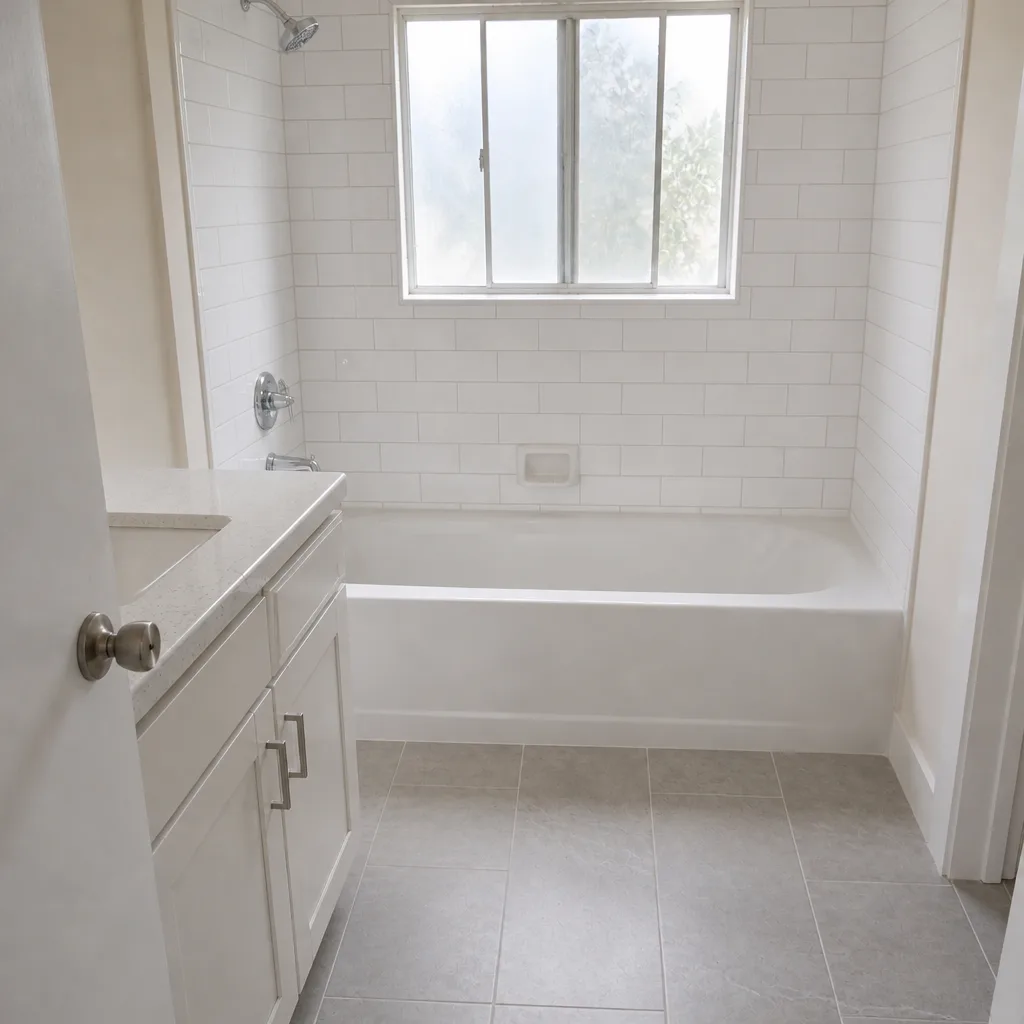 After
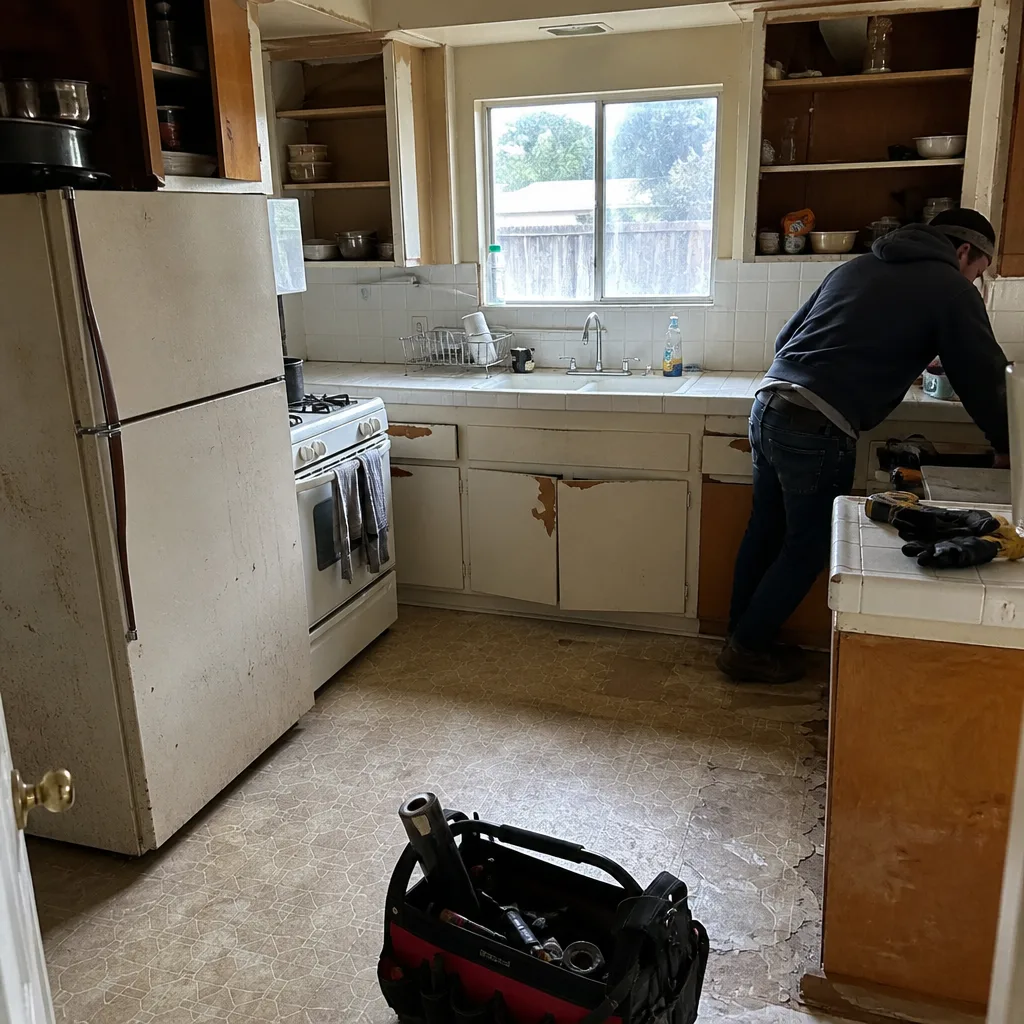 Before
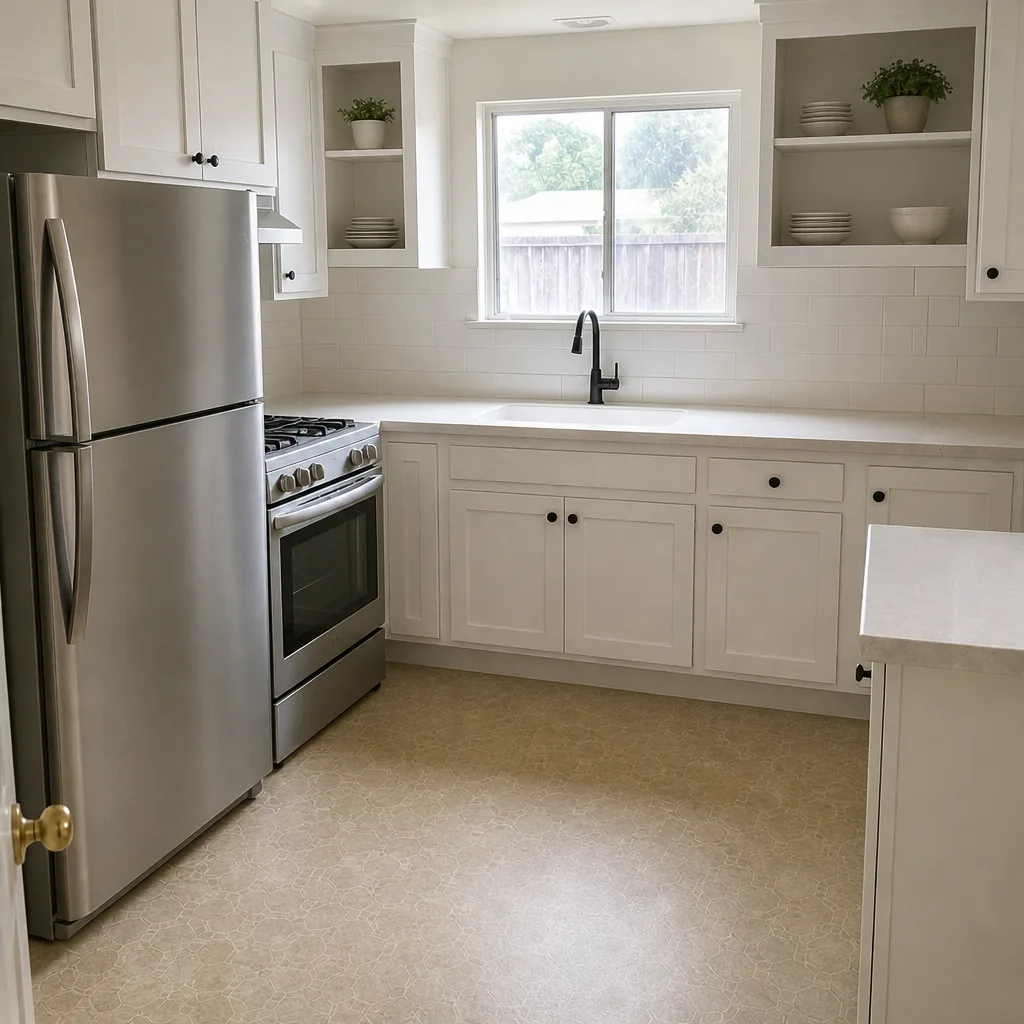 After
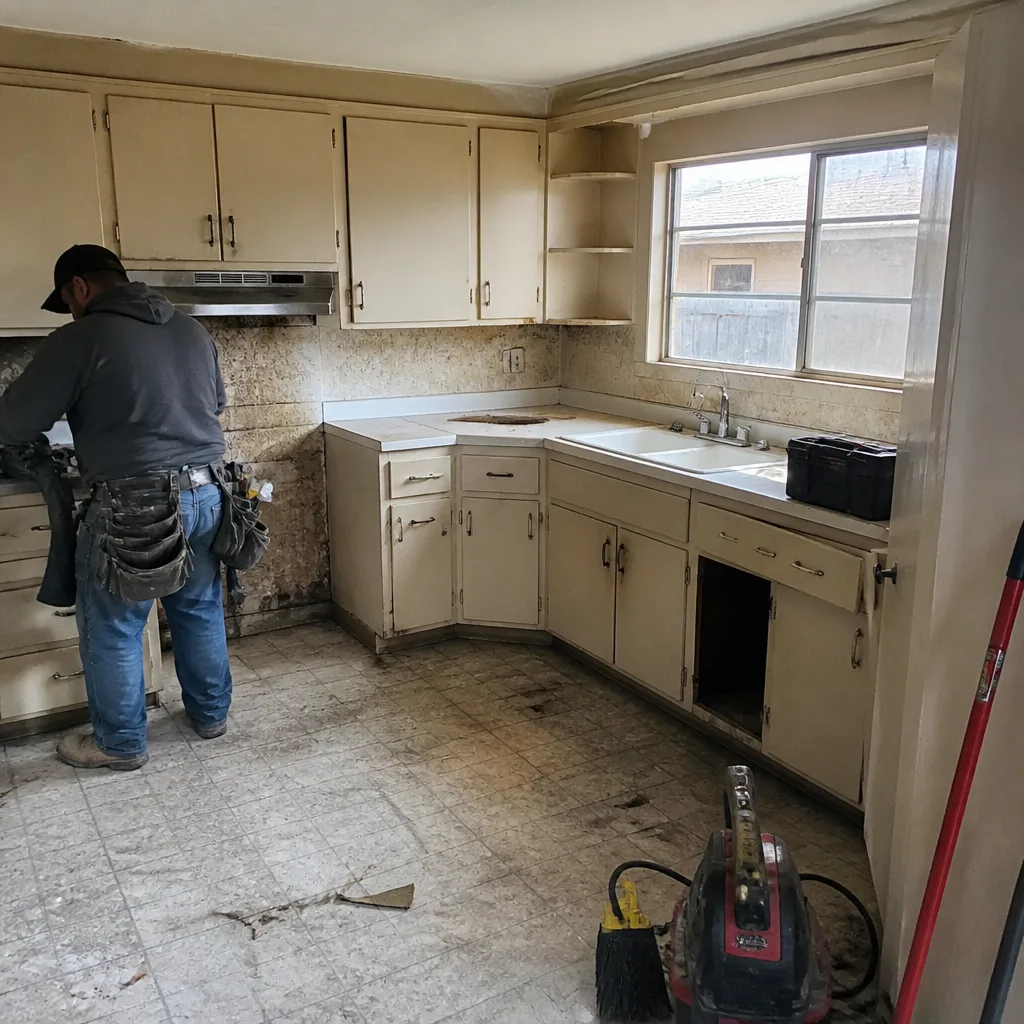 Before
 After
When to Call a Professional
Call a licensed contractor the moment any of these appear: a crack in the foundation or the stucco at the sill plate wider than a hairline, a door or window that won’t close after a shake, any visible separation at a beam-to-post connection, a chimney that’s leaning or cracked through, roof damage that’s letting water in, or a placard that restricts occupancy. None of these are homeowner-repair categories. Each one involves structural load or life safety, and each one wants a documented inspection before anything is touched. If the roof is the issue, don’t climb it – height work on a damaged structure is how people get hurt. If the electrical panel or wiring is involved, don’t touch it; a damaged panel is a shock and fire hazard, and the repair belongs to a licensed electrician. Rowan Construction Group Hayward offers free estimates in Hayward – call (866) 863-1729 to schedule an inspection and a written price before any work starts.
Frequently Asked Questions
Most Hayward post-event repairs fall into three ranges: cripple-wall bracing and foundation bolting typically runs $4,000-$9,000 for a single-family home; stucco and framing repair for a localized shear crack usually runs $2,500-$7,500 depending on whether the crack is cosmetic or structural; and a full chimney rebuild after a failure runs $8,000-$15,000 for a masonry chimney. A yellow-tag repair scope that involves multiple systems can push higher, and the assessor’s report drives the final number. Call (866) 863-1729 for an exact written quote on your specific scope – estimates are free.
It shouldn’t. Under the Haven Standard, the price is written before any work starts, and no change proceeds without a signed change order. If a contractor opens a wall and finds something the original scope couldn’t have seen – damaged framing hidden behind drywall, a failed foundation section under the slab – that’s a legitimate change, and it gets priced and signed before the work resumes. What’s not legitimate is a price that creeps up without a signature. That’s the discipline that keeps projects within a few percent of the agreed cost.
Yes, and the permit matters more than usual after an event. The Hayward building division tracks permits issued post-disaster, and an unpermitted structural repair can cloud a future sale, complicate the insurance settlement, and fail the next inspection. We pull the permit in the property’s name with the licensed contractor on the record, and the permit and inspection record is part of the paperwork you receive. That’s not an upgrade; it’s the baseline.
A localized crack repair usually takes a few days to a week. A cripple-wall retrofit on a 1,200-1,500 square foot Hayward home typically runs one to two weeks from permit issuance, and the permit itself can take one to three weeks depending on the building division’s workload after a widespread event. A full chimney rebuild is usually two to three weeks. The written scope includes the schedule, so you know what you’re getting before anything starts.
A yellow tag means the home is damaged but can be occupied with specific restrictions printed on the placard – often restricted from the garage, the fireplace, or an upper floor. A green tag means the building was inspected and is lawfully usable with no restrictions. If Hayward doesn’t post a green tag in a given event, the absence of a tag is not a substitute for one, and you should check with the building division directly. Photography of whichever placard is posted, the day it’s posted, is your record for the insurance claim.
Yes, and we will review any written estimate line by line at no charge – bring the competitor’s quote and we’ll tell you whether the scope is complete, whether the price is fair for Hayward, and whether the line items are things the job actually needs. That’s a free service, and it’s the fastest way to know if the number you’ve been given is honest. Call (866) 863-1729 to schedule the review before you sign.
The Bottom Line
Hayward’s two construction emergencies are seismic and fire, and the preparation differs: seismic prep is documentation and structural retrofit, fire prep is ember resistance and defensible space. The common thread in both is that the homeowner who documented their home before the event wins the claim after it, and the homeowner who ran the CSLB check before signing avoids the disaster-chaser’s lien. Neither of those is a heroic measure. They’re a Saturday morning and a seven-minute check. For the driveway, deck, or fence scope that ties into the same property-hardening work, see the driveway and pavers in Hayward page for the permeability and grading details that matter in the hills. We put the price in writing before anyone starts – on every trade, on every job.
If you’re prepping a Hayward home before the next event, ready to repair after the last one, or reviewing an estimate you’re not sure about, call Rowan Construction Group Hayward at (866) 863-1729 for a free estimate. We’ll walk the property, put the price in writing, and hand you a documented photo record on every visit.
Written by the team at Rowan Construction Group Hayward.