Last updated November 18, 2026
Free written scope consultation - allowances, timeline, and change-order rules on paper before a single trade is scheduled
Construction Cost Breakdown: The Hayward Homeowner’s Reference for 2026
A kitchen remodel priced at $80,000 in San Francisco typically runs $62,000 – $68,000 for the same scope in Hayward. Same trade. Often the same subcontractors. What changes is the labor market, the permit fee schedule, and the overhead a local crew carries. Most Bay Area cost guides flatten that gap by publishing a regional average that fits neither city, and that average is the worst possible number to build a budget on. This guide replaces it. Below you’ll find trade-by-trade costs in 2026 dollars, how Hayward permit fees actually get calculated, which materials are stable and which still carry surcharges, and how to read the allowance lines in a bid without guessing.
Quick Answer
In Hayward, most 2026 residential projects land 15 – 25% below San Francisco pricing on labor alone. A mid-grade kitchen remodel runs about $62,000 – $68,000, a bathroom remodel $22,000 – $38,000, and a full roof replacement on a 1,500-square-foot home $14,000 – $22,000. Permits in Hayward are valuation-based and add a real line to your budget, not a rounding error. The number that matters most is the written scope behind each figure, not the headline price.
Styles & brands we work with
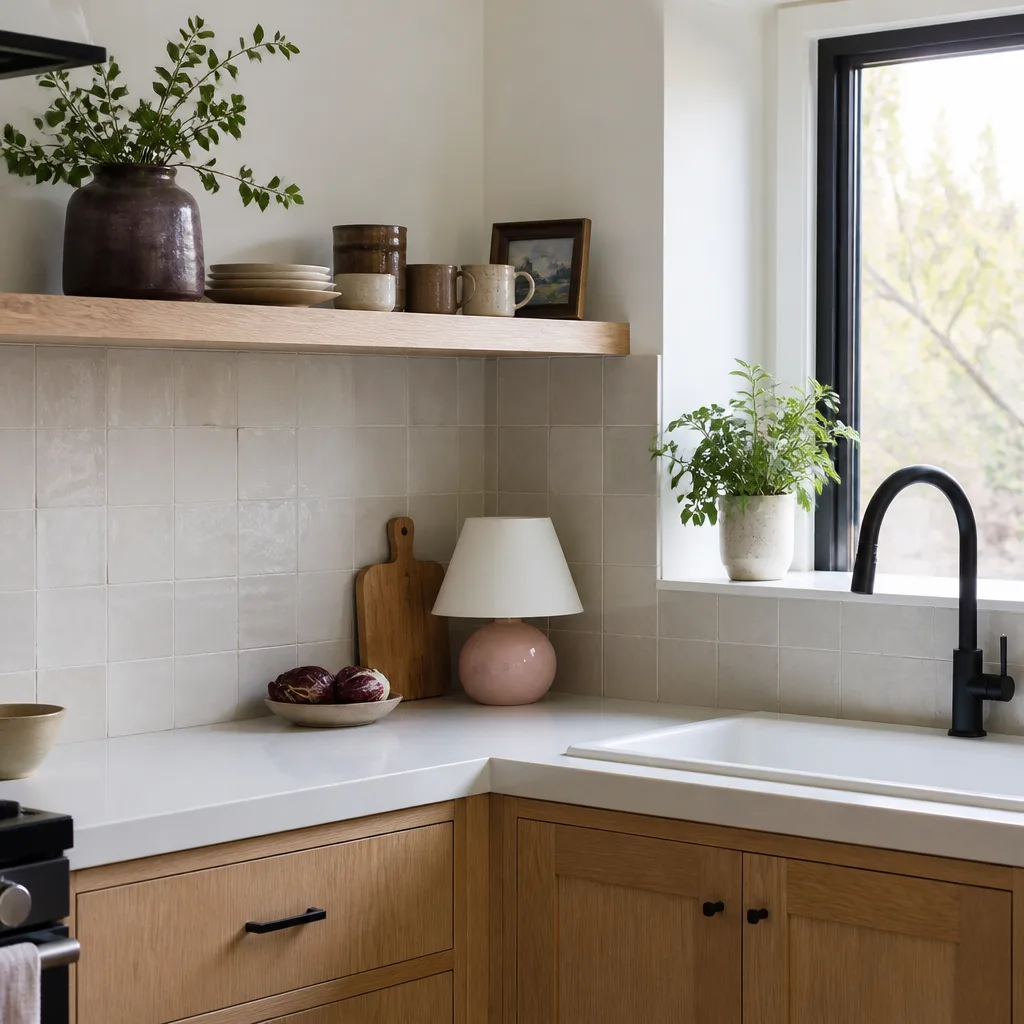
- Kitchen remodeling
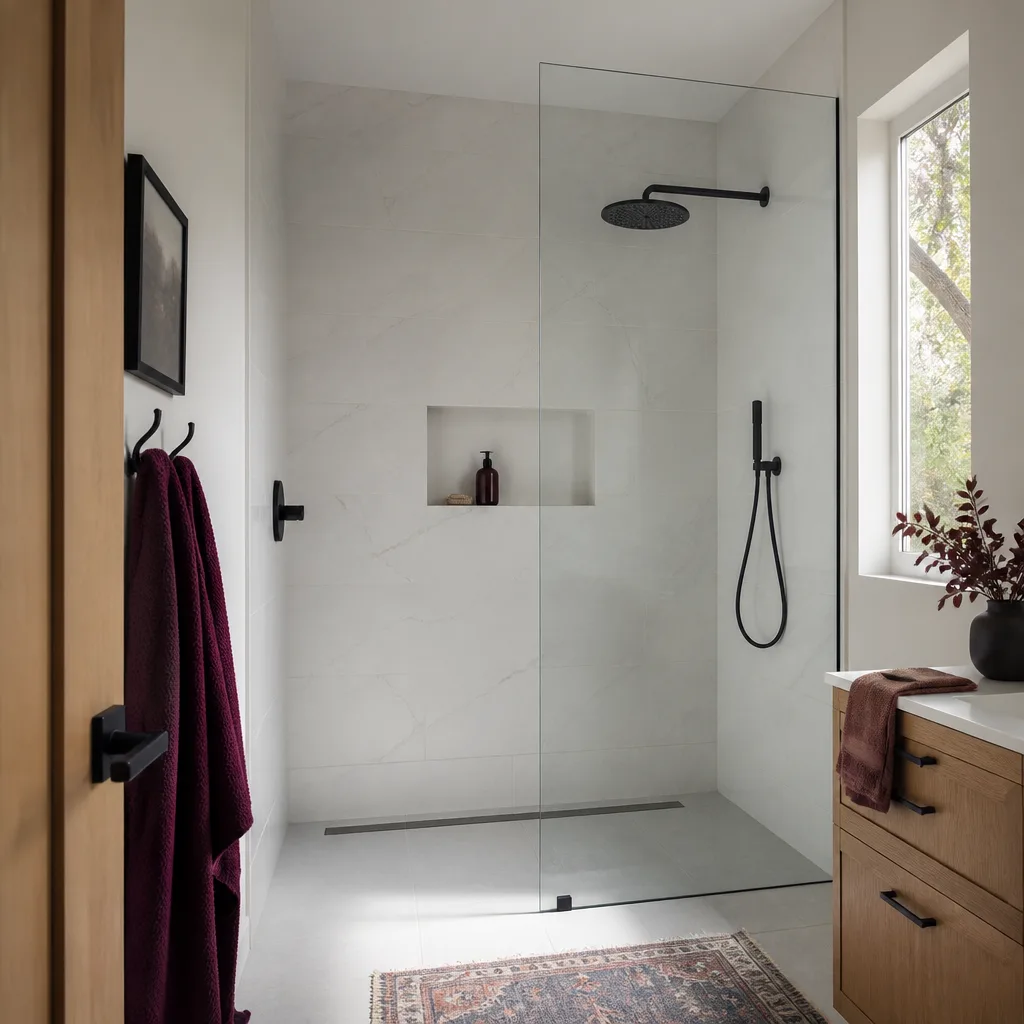
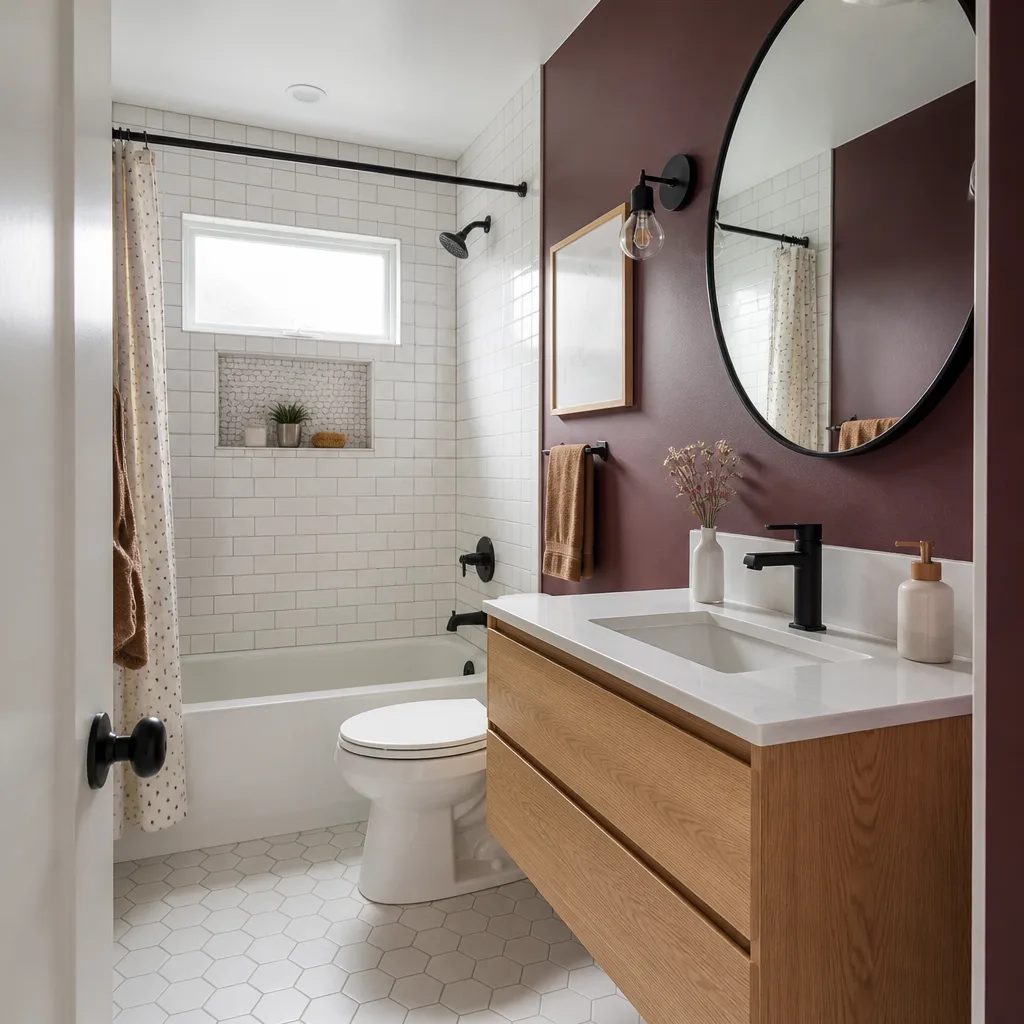
- Bathroom remodeling
- Home additions & ADU
- Roofing
- Windows & doors
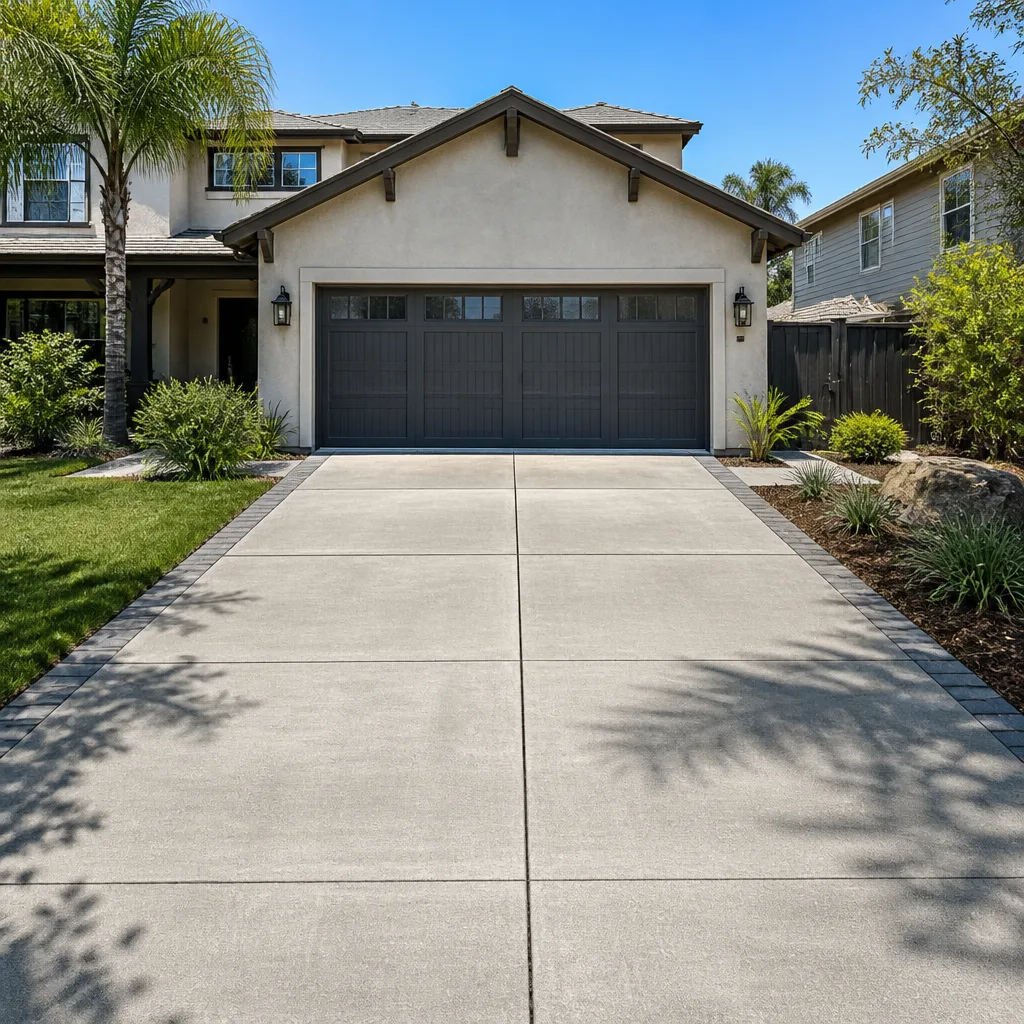
- Driveway & pavers
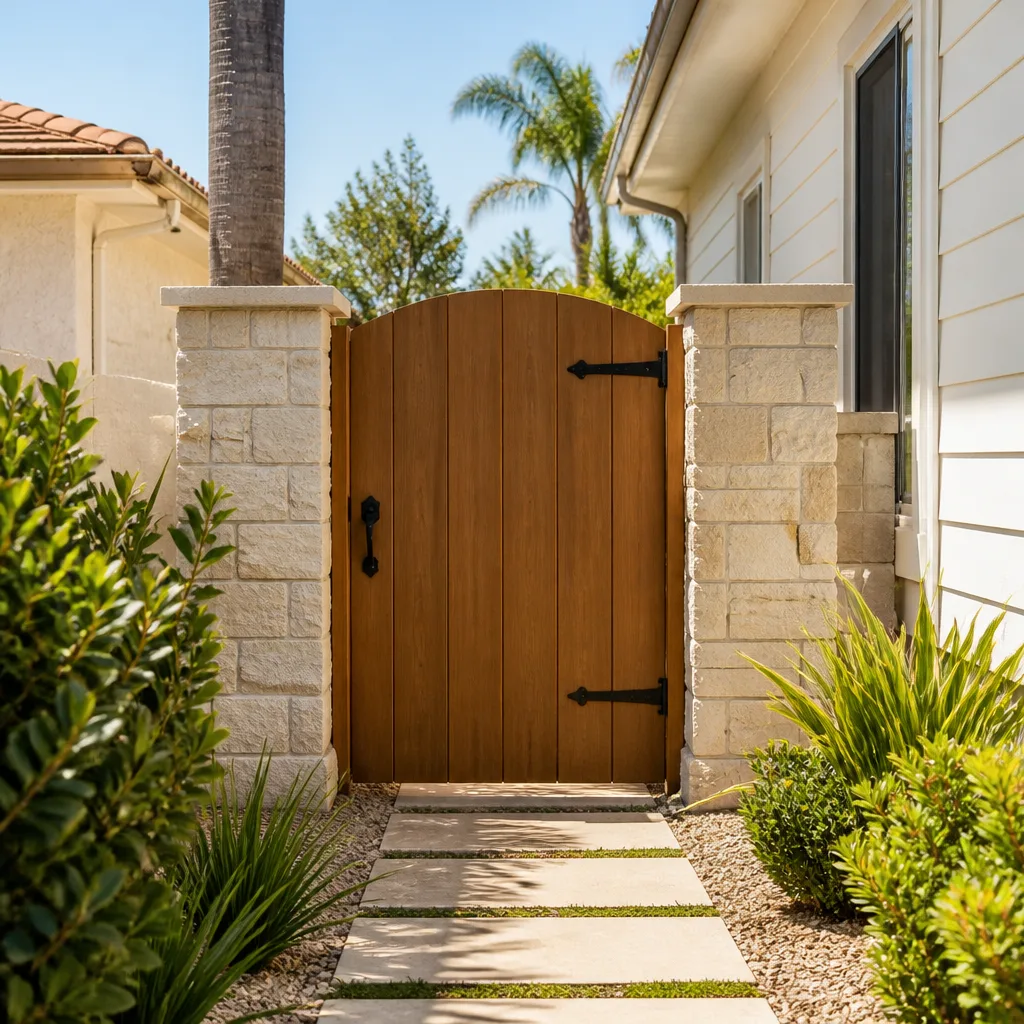
- Fence
Table of Contents
- Trade-by-Trade Cost Breakdown for Hayward in 2026
- How Hayward Permit Fees Are Calculated
- Material Cost Volatility: What’s Stable and What Isn’t
- Contractor Overhead and Profit: What’s a Fair Margin
- How to Read Allowance Items in a Hayward Bid
- Kitchen and Bathroom Costs, Itemized
- Exterior Projects: Roofing, Fencing, and Pavers
- How to Compare Two Bids Fairly
Trade-by-Trade Cost Breakdown for Hayward in 2026
These ranges reflect Hayward labor rates and East Bay material pricing as of early 2026. They cover standard residential work on homes built between 1940 and 2010, which describes most of Hayward’s housing stock. Older homes in the Hayward hills or the flatlands near downtown often carry hidden conditions (knob-and-tube remnants, undersized framing, galvanized plumbing) that push costs toward the high end.
- Concrete (slabs, walkways, driveways): $9 – $16 per square foot installed, including base prep and finish. Decorative and stamped work runs higher.
- Framing: $12 – $22 per square foot of floor area for new framing; repairs and alterations priced hourly at $95 – $135 per hour.
- Roofing: $7.50 – $14 per square foot for asphalt shingle replacement, including tear-off and disposal. See our breakdown of Roofing in Hayward for material-specific pricing.
- Electrical: $95 – $145 per hour for licensed work. A full panel upgrade runs $2,800 – $5,500 depending on service size and whether the meter needs relocation.
- Plumbing: $100 – $150 per hour. Repiping a 1,500-square-foot home in copper or PEX runs $4,500 – $9,000.
- HVAC: A full split-system replacement runs $8,500 – $15,000 installed, with ductwork adding $3,000 – $6,000.
- Finish work (drywall, paint, trim, tile): $3 – $8 per square foot, varying widely with material selection.
Every range above is labor plus standard materials. It does not include design, permits, or site-specific conditions. We quote these trades as a written flat price before anyone picks up a tool, so the conversion from range to real number happens on paper, not on a handshake.
How Hayward Permit Fees Are Calculated
Hayward uses a valuation-based permit fee schedule for most construction work, which means the fee scales with the declared value of the project rather than sitting at a flat rate. That structure catches homeowners by surprise because it means a $70,000 kitchen remodel carries a larger permit fee than a $25,000 one, even when the physical work is similar in scope. A flat-fee permit would not care about valuation. Hayward’s schedule does.
Here’s how to think about it in practice:
- Determine the declared valuation. This is the contractor’s stated cost of the work, not the homeowner’s total project budget. Design fees, appliances, and furnishings typically sit outside it.
- Apply the building permit fee. Most Hayward residential projects run in the range of 1.5% to 3% of declared valuation, depending on project type and scope.
- Add trade permits separately. Electrical, plumbing, and mechanical permits are separate line items on most Hayward projects and add several hundred dollars each.
- Budget for inspection re-visits. Failing an inspection means a re-inspection fee, and that fee lands on the homeowner if the contractor didn’t build the correction into the scope.
On a typical $60,000 Hayward remodel, plan for $1,200 – $2,400 in total permit and inspection costs. On an ADU or addition, the number climbs fast because valuation climbs fast. Our team pulls permits and passes inspections on every project, so the fee line is in the written quote before work starts. For a sense of how permit costs scale on larger builds, see our guide to Home Additions & ADU in Hayward.
Material Cost Volatility: What’s Stable and What Isn’t
Not every material cost behaves the same in 2026. Some categories have settled into stable pricing, others still carry supply-chain surcharges tied to import timing or commodity markets. Knowing which is which helps you read a bid and spot where the contractor has built in inflation protection versus where they’re quoting stale numbers.
- Stable pricing: dimensional lumber, plywood and OSB sheathing, standard drywall, interior paint, and basic ceramic tile have all held steady through late 2025 into 2026.
- Mild volatility: asphalt shingles, concrete ready-mix, and plumbing fixtures. Shingle pricing moves with petroleum costs and manufacturing capacity. IKO and Atlas shingles have been more predictable than some imports; Tamko and Boral products have shown more variation. Ask which manufacturer your bid is based on.
- Higher volatility: copper wire and pipe, certain imported tile, and specialty glazing. Copper markets swing with global demand, and window glass pricing tracks energy costs and freight.
- Surcharge-prone: imported cabinetry, custom stone counters, and anything with a lead time over 12 weeks. On a Hayward project, a Cambria or Caesarstone counter sourced through a distributor usually carries a stable quote; a custom slab from overseas may not.
The takeaway for a Hayward homeowner: when a bid includes imported finish materials, ask whether the price is locked or subject to a surcharge. A written price that holds is worth more than a lower price that floats.
Contractor Overhead and Profit: What’s a Fair Margin
Homeowners frequently assume a contractor’s markup is somewhere around 10%, and that any number above 15% is gouging. That assumption costs Hayward homeowners real money because it pushes them toward the lowest bid, which is often the bid built on the thinnest margin and the least contingency. A contractor operating on a 5% margin has no room to absorb a surprise, and surprises are how projects go wrong.
A reasonable overhead and profit range on a $50,000 Hayward residential project is 20% to 35% of hard costs. That covers general liability insurance, workers’ comp, licensing, vehicle costs, tools, supervision time, administrative overhead, and a modest profit. On $50,000, that’s $10,000 – $17,500. It sounds high but it’s what’s required to stay in business and, more importantly, to stay solvent when something unexpected happens mid-project.
What matters more than the percentage is the discipline around changes. On a project with a fixed overhead line, changes have to go through a documented change order before any work proceeds. That’s the discipline that keeps a project within a few percent of the agreed number. A contractor who absorbs changes silently either built in extra contingency you didn’t see, or is about to hand you a surprise invoice. Ask how they handle changes before you sign.
How to Read Allowance Items in a Hayward Bid
An allowance is a placeholder number in a bid for a material the homeowner hasn’t selected yet. It’s a fair way to quote a project before selections are made, but it’s also where budgets quietly break. A $2,000 tile allowance on a Hayward bathroom remodel can easily become $4,500 once the homeowner sees what $2,000 actually buys at the tile showroom.
Here’s how to convert allowance items into real projected costs:
- Identify every allowance in the bid. Ask the contractor to highlight them in the written quote. Allowances typically appear on tile, flooring, fixtures, cabinetry, countertops, appliances, and lighting.
- Visit the showroom at the allowance. Before signing, walk the showroom and price a representative material at the allowance number. Most homeowners discover the allowance covers the entry tier, not the mid tier they assumed.
- Estimate the realistic upgrade. Multiply the difference between entry-tier and target material by the square footage or unit count. A typical Hayward kitchen allowance gap runs $3,000 – $8,000 on cabinets and $1,500 – $4,000 on counters.
- Convert the allowance to a fixed number where possible. Once you’ve selected the material, ask the contractor to replace the allowance with a fixed line-item price. A written fixed price is worth more than an allowance every time.
- Build a contingency on top. Even with fixed pricing, reserve 5% – 10% of the total project cost for conditions the scope can’t foresee. On a $50,000 Hayward project, that’s $2,500 – $5,000.
Reading allowances accurately is the single biggest lever a homeowner has to keep their project on budget before the first tool comes out of the container.
Kitchen and Bathroom Costs, Itemized
Kitchens and bathrooms consume the largest share of Hayward remodel budgets, and the cost breakdown within each is fairly consistent from project to project. Here’s what a mid-grade kitchen remodel in Hayward actually costs in 2026, itemized.
- Design and planning: $1,500 – $4,000
- Demolition and disposal: $1,200 – $2,800
- Cabinetry: $8,000 – $22,000 (KraftMaid and Wellborn are the tier most Hayward homeowners land on)
- Countertops: $3,500 – $8,000 (Cambria and Caesarstone quartz are common selections)
- Plumbing rough and finish: $2,500 – $5,500 (Kohler and Toto fixtures are standard at mid-grade)
- Electrical rough and finish: $1,800 – $4,000
- Drywall, paint, and trim: $1,500 – $3,500
- Flooring: $2,000 – $5,000
- Permits: $1,000 – $2,000
Total for a mid-grade Hayward kitchen: roughly $62,000 – $68,000, with scope at the high end pushing toward $85,000. Bathrooms follow a simpler structure: a mid-grade full bath runs $22,000 – $38,000, with tile, fixtures, and waterproofing the three lines that move the most. Our team walks through these line items with you in the written quote and holds the price once changes are locked and signed. Detailed scope for both trades is on our Bathroom Remodeling in Hayward page.
Exterior Projects: Roofing, Fencing, and Pavers
Exterior projects in Hayward carry two cost factors homeowners don’t always plan for: the marine-influenced spring weather (which affects roofing schedule and material drying times) and the soil movement common on the hillside lots east of Mission Boulevard. Both push costs toward the high end of the range when they appear in the scope.
Roofing
A full tear-off and asphalt shingle replacement on a 1,500-square-foot Hayward home runs $14,000 – $22,000 in 2026, including underlayment and disposal. GAF and Owens Corning shingles are the standard mid-grade selections; IKO and Atlas are common alternatives with comparable warranty terms. Two-story roofs and those with complex hip-and-valley geometry push toward $22,000 – $28,000 because of the safety and labor involved.
Fencing
A typical Hayward property spans 150 – 250 linear feet of fence. At $28 – $65 per linear foot installed, that’s $4,200 – $16,250 depending on material and site accessibility. Wood privacy fencing sits at the low end; ornamental steel and composite at the high end. Full detail is on our Fence Installation in Hayward page.
Driveways and Pavers
A concrete driveway on a 500-square-foot Hayward lot runs $4,500 – $8,000 installed. Interlocking pavers run 40% – 70% higher but last longer and repair more cleanly. Belgard and Techo-Bloc pavers are the two brand lines most Hayward projects select from. Permeable paver installations add 10% – 20% to base cost but are worth discussing on properties with drainage issues. More on our Driveway & Pavers in Hayward page.
How to Compare Two Bids Fairly
Comparing a $58,000 bid to a $72,000 bid is meaningless until you’ve read what’s inside each. Most of the difference between bids lives in three places: what’s excluded, what’s allowance, and what’s written versus oral. Here’s how to run the comparison.
- Lay both bids side by side, line by line. Match every line item to the other bid. Anything present in one and absent in the other is a red flag, not a discount.
- Check for exclusions in writing. Permits, dump fees, painting, patching, and post-construction cleaning are the four most common exclusions. A bid that excludes all four is not the same project as one that includes them.
- Compare allowances at equal material quality. A $2,000 tile allowance and a $5,000 tile allowance on the same bathroom aren’t the same bid. Multiply the difference by the area and add it to the total.
- Verify the change-order language. A written commitment that no work proceeds without a signed change order is worth having. Bids that don’t mention change orders at all are bids where changes get absorbed silently, or billed later.
- Ask for the written warranty. A 365-day warranty is a real commitment; “we stand behind our work” is not. If it’s not printed, it isn’t there.
- Request a free second opinion. If you’ve received a written bid from another contractor and want it reviewed line by line, we’ll do that at no charge. It’s a standing offer.
Comparing bids correctly is the step most Hayward homeowners skip, and it’s the step where six figures of value can quietly shift. Start from our Rowan Construction Group Hayward home page for the full picture of how we quote and document projects.
Common Mistakes to Avoid
- Budgeting from a regional Bay Area average. Regional averages flatten the 15% – 25% difference between San Francisco and Hayward labor rates. A homeowner budgeting from a regional number either over-reserves or under-reserves, both of which are costly.
- Accepting a low bid without reading exclusions. A bid $10,000 lower than the next is often $10,000 lower because it excludes permits, disposal, or finish work. Read the exclusions before you compare totals.
- Treating allowance items as final costs. An allowance is a placeholder. Visit the showroom at the allowance number before you sign anything, or you’ll discover the gap after demo.
- Skipping the change-order discipline. Making verbal changes during construction is the most common way Hayward projects blow past budget. Every change should be written and signed before any work proceeds.
- Assuming Hayward permit fees are flat. They’re valuation-based in most cases, so a larger project pays more. Building the fee line into the initial budget avoids the surprise that arrives when the permit application goes in.
- Choosing on price alone and skipping the second opinion. Bringing a written bid to a second contractor for a line-by-line review costs nothing and regularly surfaces missing scope or overpriced allowances.
- Ignoring soil and spring weather in the scope. Hayward hillside lots move, and the marine spring affects roofing and concrete scheduling. Bids that don’t address site-specific conditions tend to discover them the expensive way.
See the difference
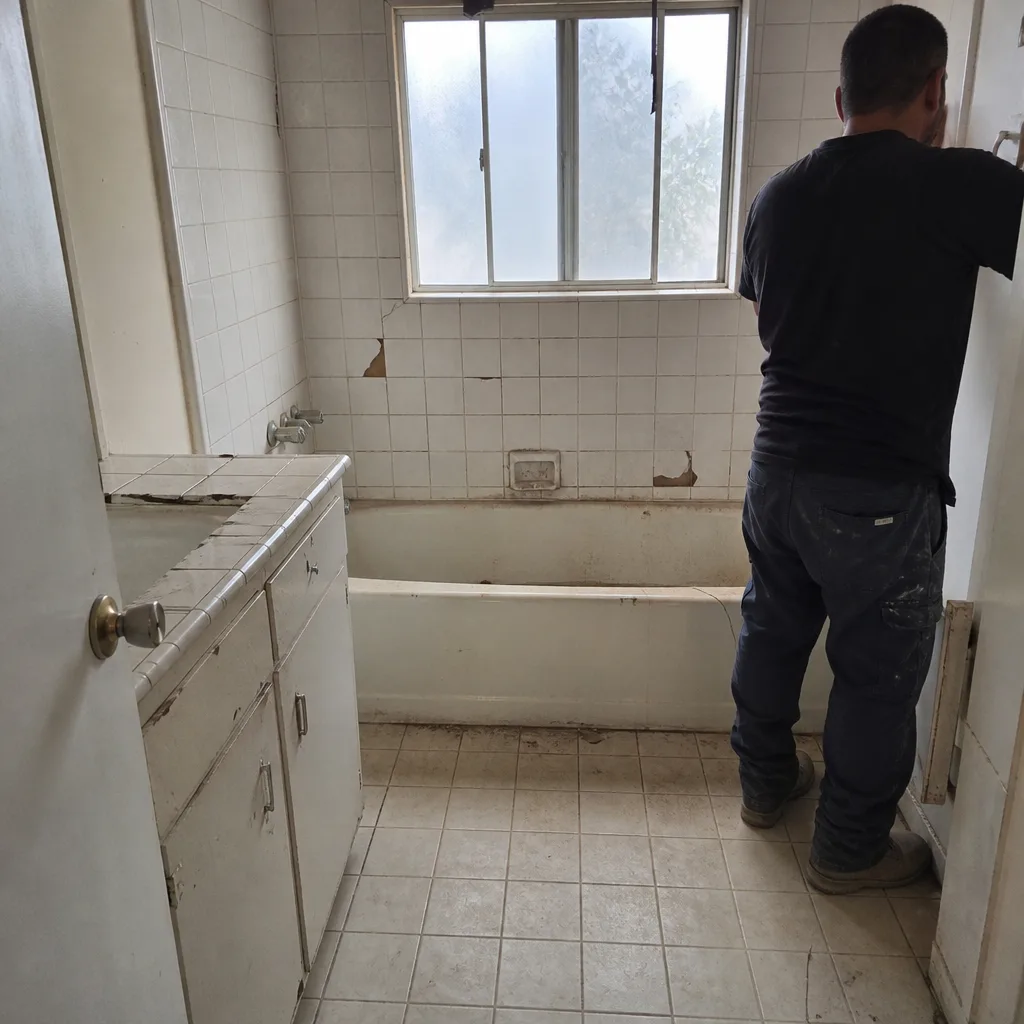 Before
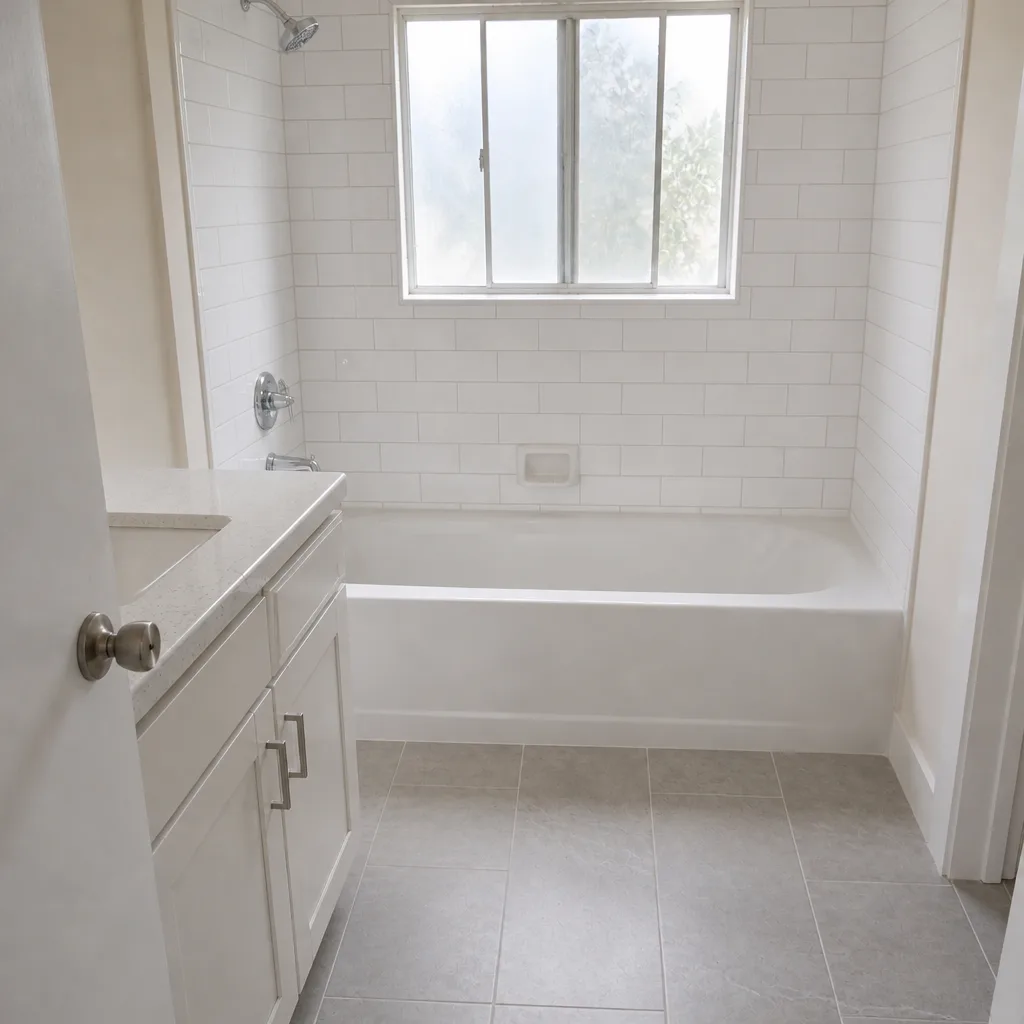 After
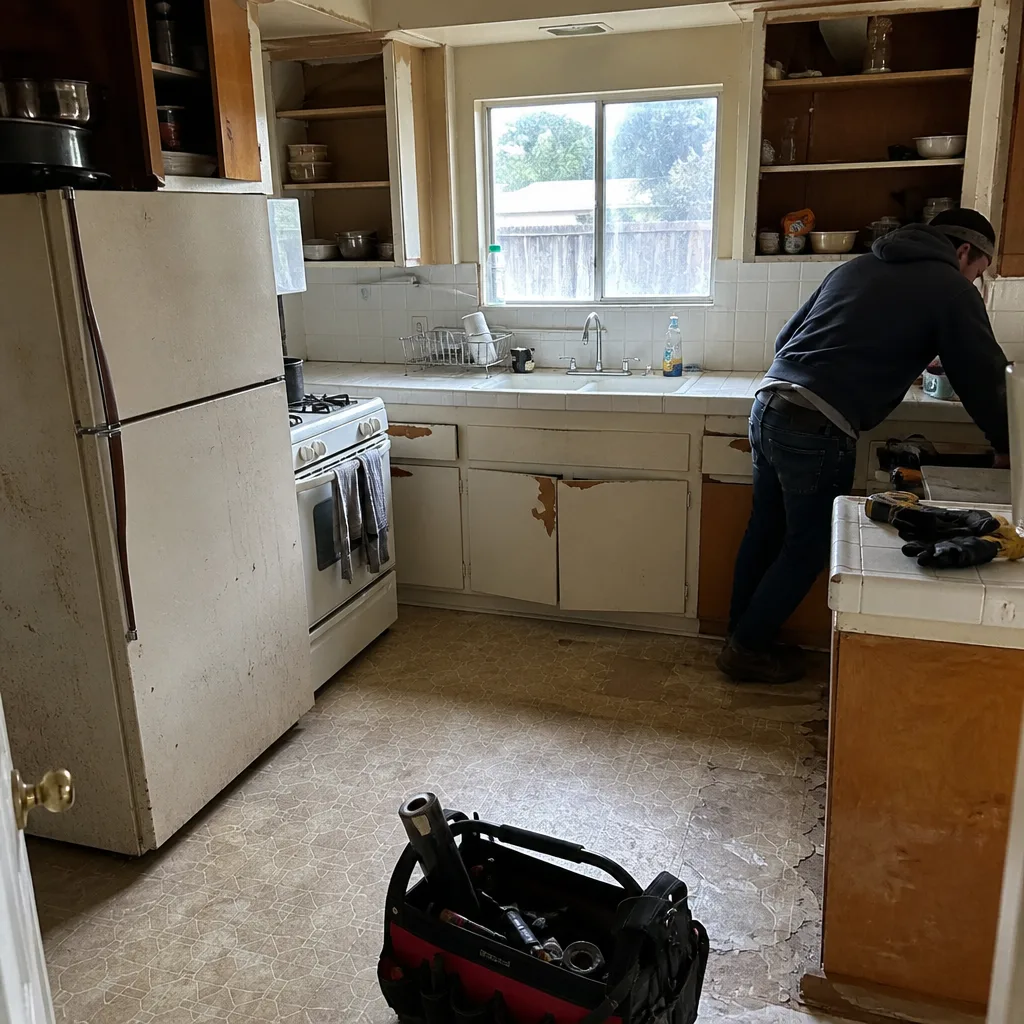 Before
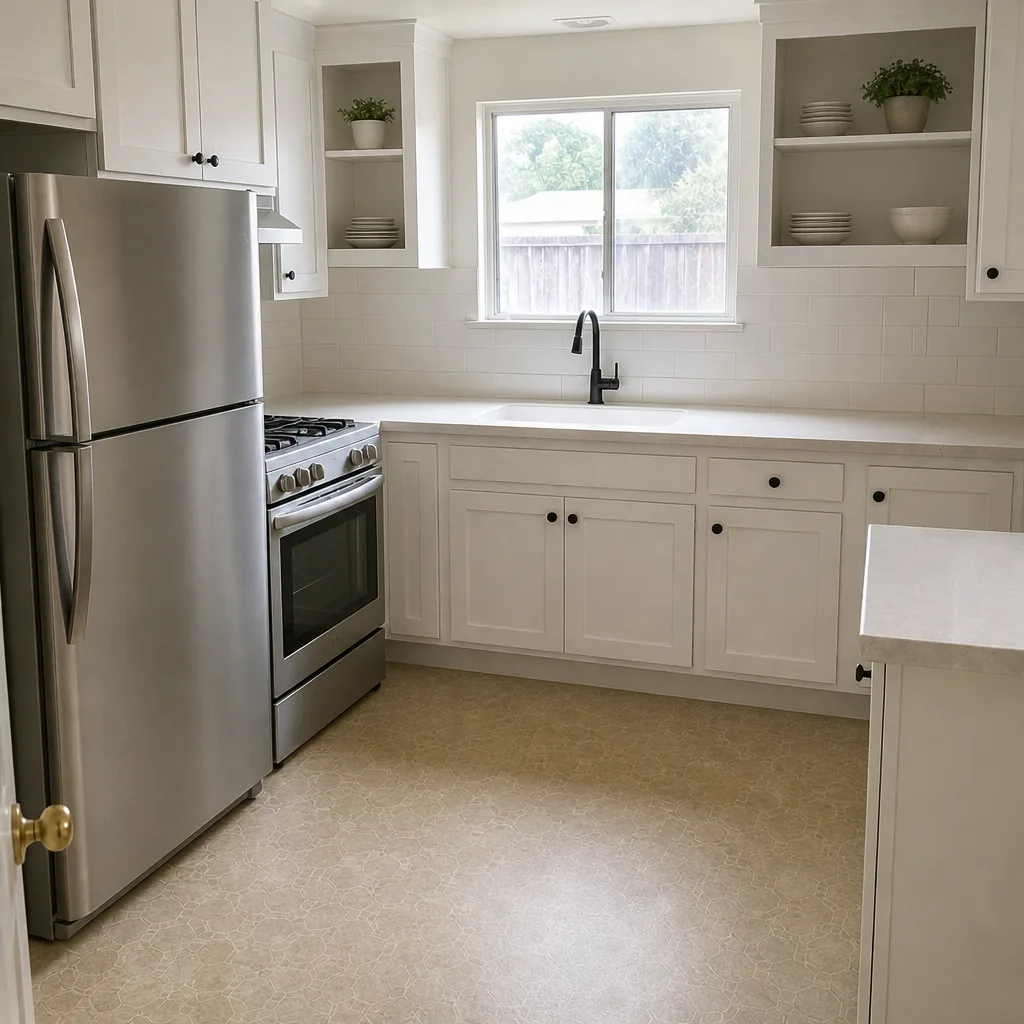 After
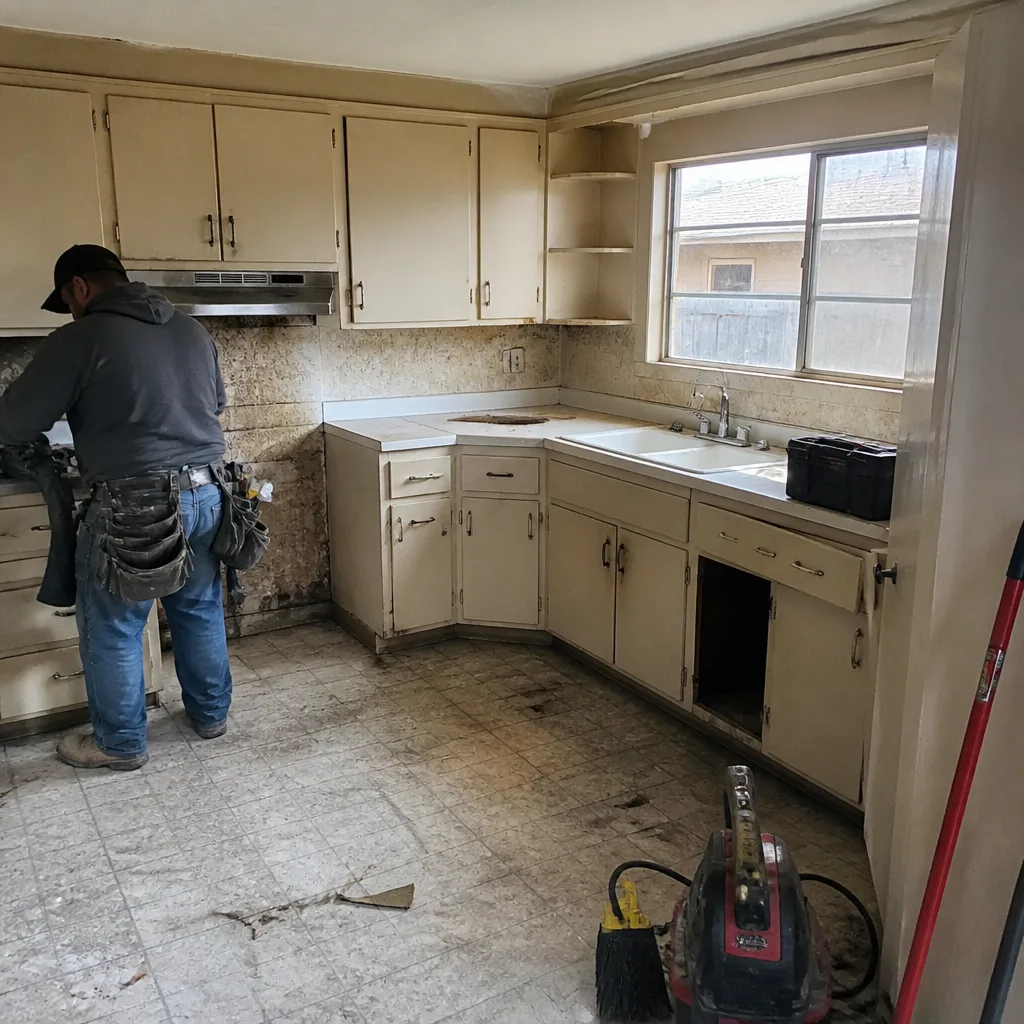 Before
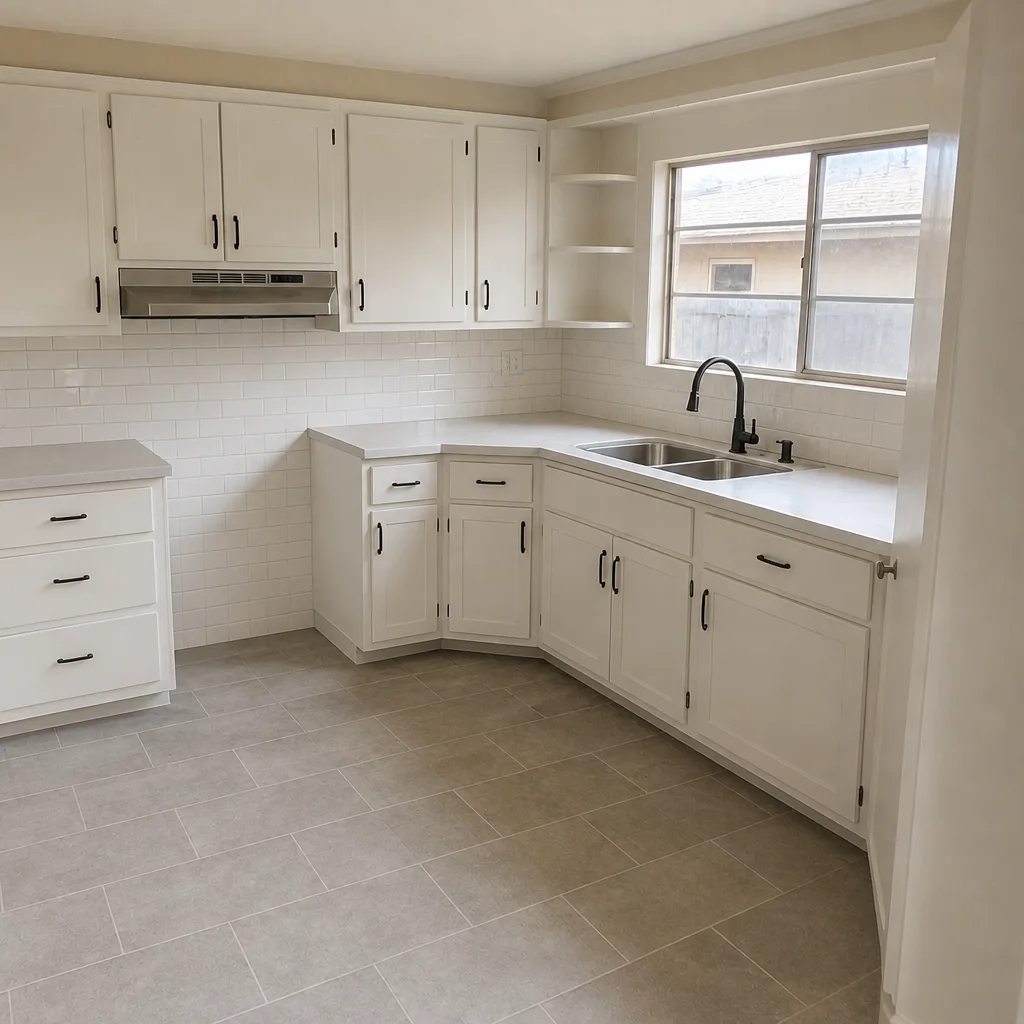 After
When to Call a Professional
Some work belongs in a homeowner’s hands. Many of the biggest cost items in Hayward don’t. Roofing above one story, electrical panel upgrades, gas line work, anything involving high-tension garage-door springs, and any structural change that involves removing or altering load-bearing framing all require a licensed trade. Pulling a permit without licensed work on record creates problems at resale that outweigh any savings. Concrete work that involves a new driveway apron or property line change is another category that looks simpler than it is. When the scope touches any of these, get the written quote before proceeding. Rowan Construction Group Hayward offers free estimates in Hayward and a free second-opinion review on any written estimate you’ve already received. Call (866) 863-1729 to schedule.
Frequently Asked Questions
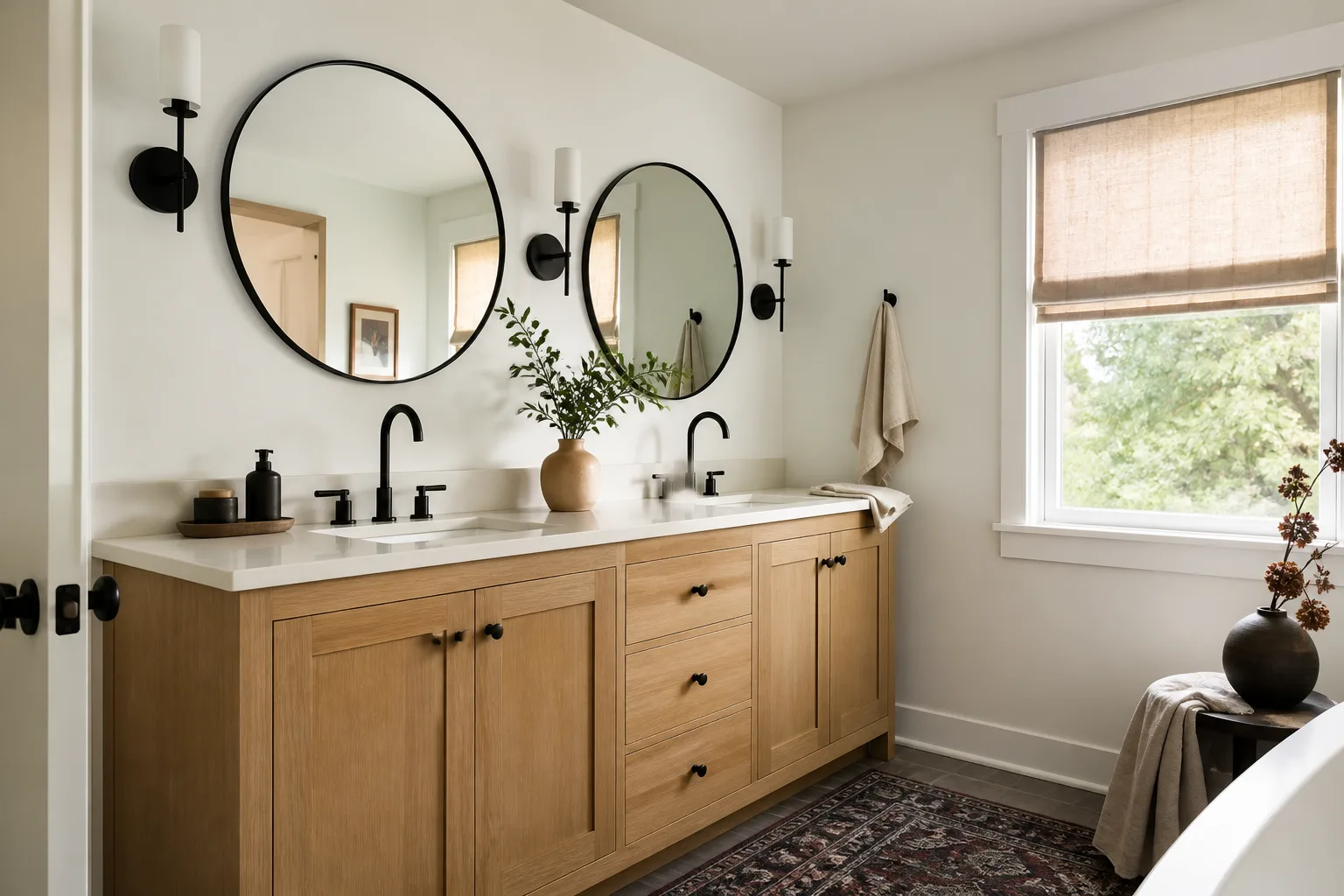
A mid-grade kitchen remodel in Hayward runs $62,000 – $68,000 in 2026, with scope at the higher end pushing toward $85,000. The biggest cost variables are cabinetry (KraftMaid and Wellborn sit at the standard mid-tier) and countertops. Call (866) 863-1729 for a written quote – estimates are free.
Most Hayward contractors include permit fees in the written quote, but some don’t. Always ask explicitly. Hayward’s fees are valuation-based for most work, so the permit line on a $60,000 remodel typically runs $1,200 – $2,400 once trade permits and inspections are added in. Make sure your bid states what’s included.
Hayward labor rates and overhead run 15% – 25% below San Francisco on most residential trades, even though many of the same subcontractors work in both markets. The gap comes from commercial rent, cost of living baselines, and the local permit fee schedule. Same trade, same standards, different resting rate.
A full tear-off and asphalt shingle replacement on a 1,500-square-foot Hayward home costs $14,000 – $22,000 in 2026, including underlayment and disposal. Two-story roofs and complex geometry push toward $22,000 – $28,000. Call (866) 863-1729 for a written quote based on your roof’s actual dimensions.
A fair contractor overhead and profit on a $50,000 Hayward project is 20% – 35% of hard costs, or $10,000 – $17,500. That covers insurance, licensing, supervision, tools, and a modest margin. Bids far below that range usually mean the contractor has cut contingency, which is where projects go wrong. Ask the contractor how they handle changes before you sign.
The written price should hold unless the scope changes. On our projects, no work proceeds on a change until the change order is signed, which is the discipline that keeps projects within a few percent of the agreed price. If a bid includes open-ended allowances or vague exclusions, expect movement. Call (866) 863-1729 to review the scope you’ve been quoted.
The Bottom Line
Hayward construction costs in 2026 sit meaningfully below San Francisco, and the gap is real. Kitchen remodels run $62,000 – $68,000 at mid-grade. Roofing runs $14,000 – $22,000 on a standard home. Permits are valuation-based and add a real line to your budget. Materials split between stable categories and surcharge-prone ones, and allowances are where budgets quietly break. Read every bid line by line, convert allowances to fixed prices where you can, and hold a change-order discipline once work starts. The number that matters isn’t the lowest bid. It’s the written price that holds.
Contact
Rowan Construction Group Hayward writes the price before anyone picks up a tool. Every project gets a flat written quote with a written scope and a written warranty, backed by a 365-day guarantee. Crews are background-checked and uniformed, and every visit includes a documented photo record as standard. Call (866) 863-1729 to schedule a free estimate in Hayward, or bring a written bid you’ve already received and we’ll review it line by line at no charge.
Written by the team at Rowan Construction Group Hayward.