Last updated November 18, 2026


Free written scope consultation - allowances, timeline, and change-order rules on paper before a single trade is scheduled
The Complete Guide to Construction in Hayward
Hayward sits directly on the Hayward Fault, which geologists at the USGS rate as one of the most hazardous urban faults in the United States. You’d expect that fact to lead every local construction guide. It usually shows up in the last paragraph, if at all. We’re putting it first, because it changes what your foundation looks like, how your permits get reviewed, and what a “normal” price actually means in this city. This guide covers the ground generic advice skips: Hayward’s fault-zone disclosure rules, its permit review timeline, the clay soil under half the neighborhoods, and 2025-2026 cost ranges you can screenshot and compare.
Quick Answer
Construction in Hayward is shaped by three things most guides ignore: the Hayward Fault Zone disclosure and foundation requirements, a Building Division review timeline measured in weeks rather than days, and expansive Bay Area clay soil that drives drainage and foundation specs. Budget roughly $25,000-$85,000 for a kitchen remodel, $380-$650 per square foot for a home addition, and $32,000-$65,000 for a standard roof replacement. Every project requires a written scope and a permit pulled through the city before work starts.
Styles & brands we work with
- Kitchen remodeling
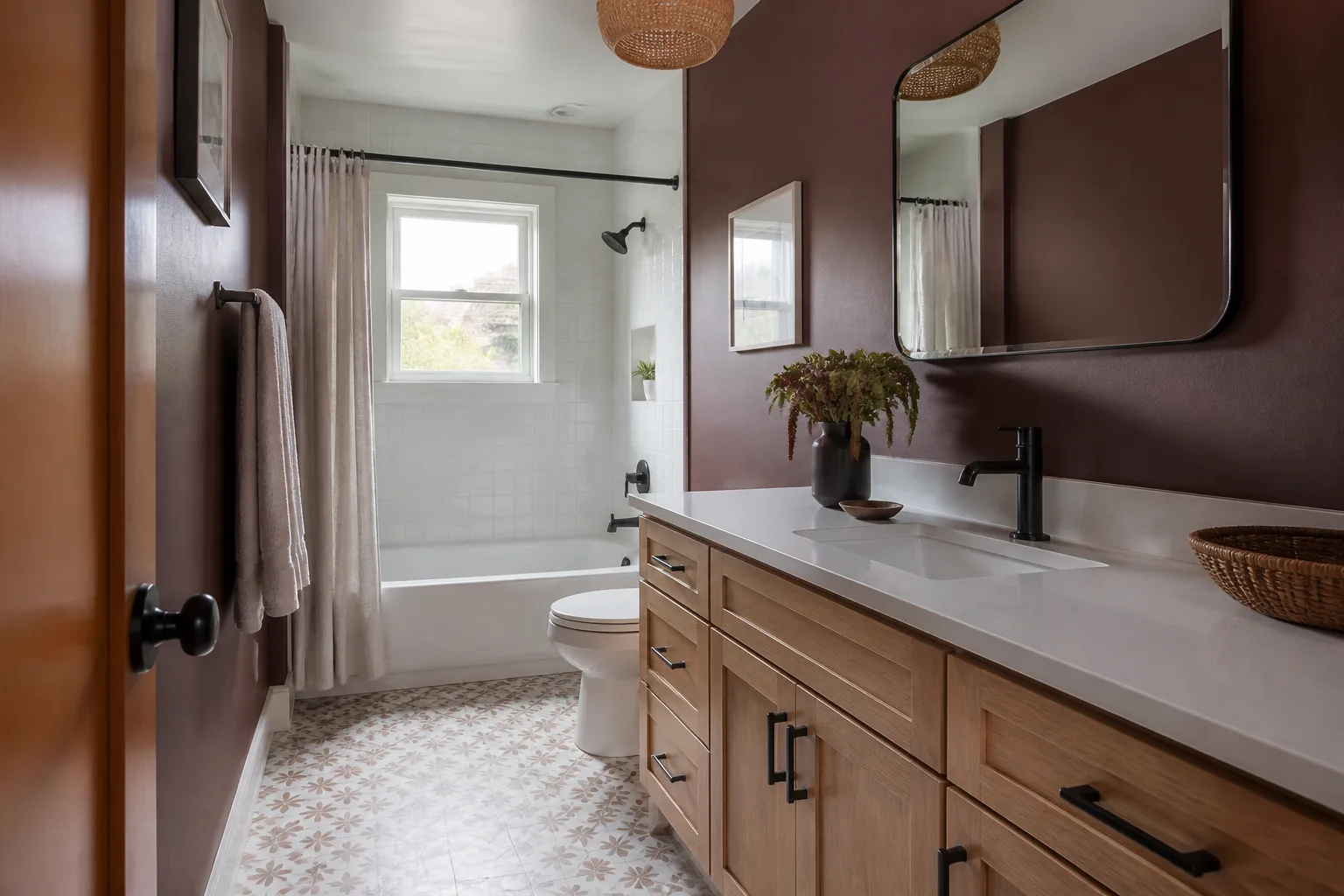
- Bathroom remodeling
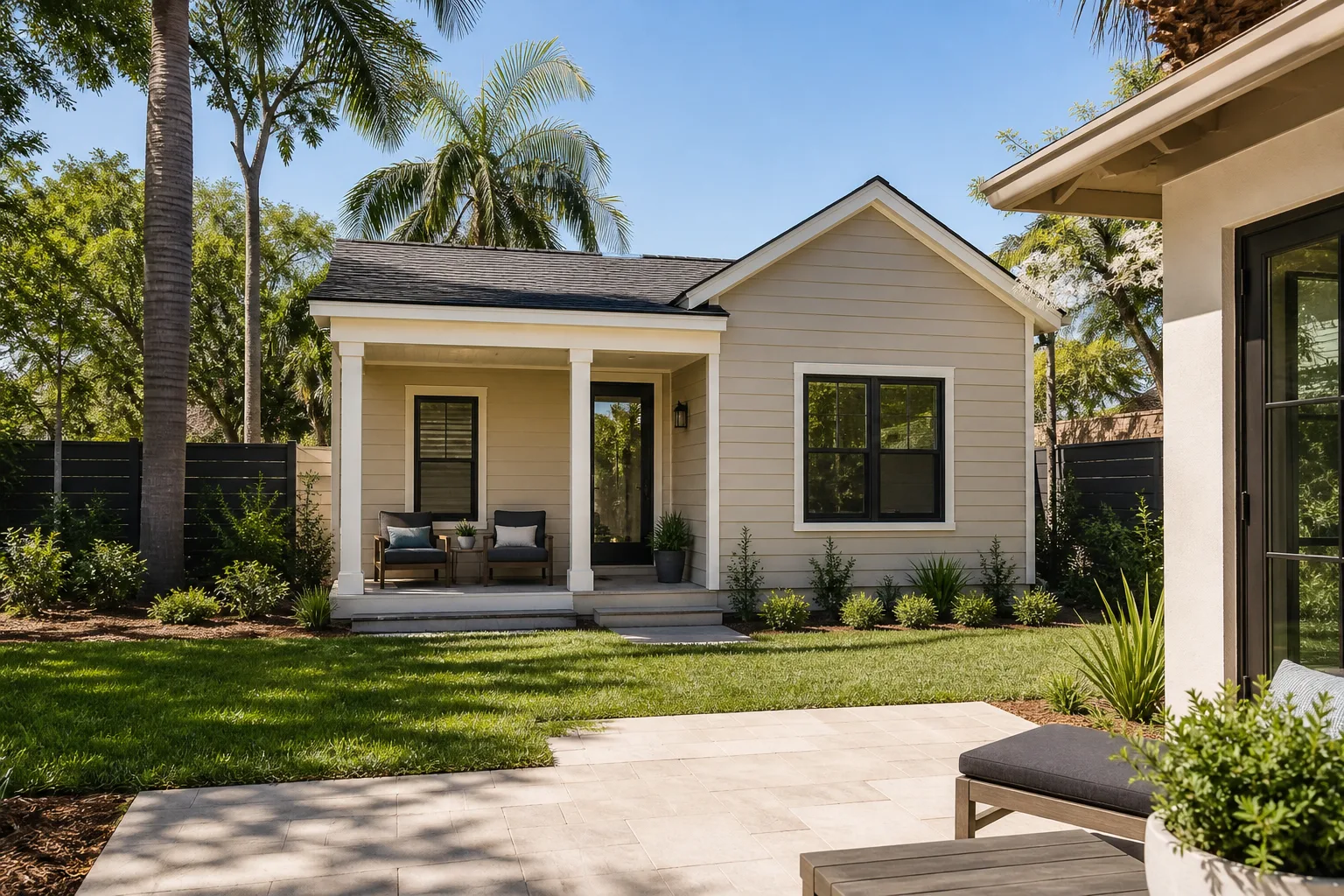
- Home additions & ADU
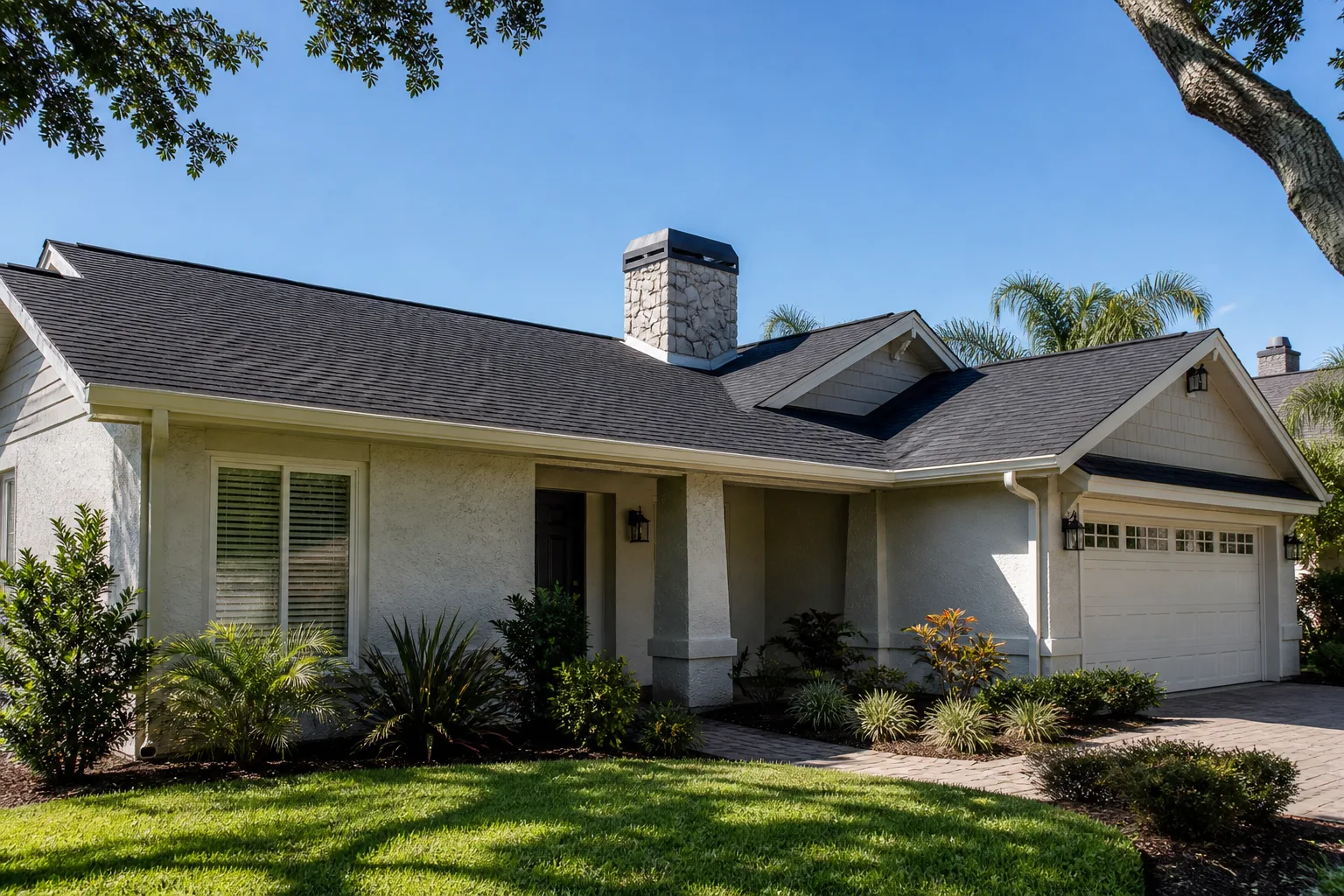
- Roofing
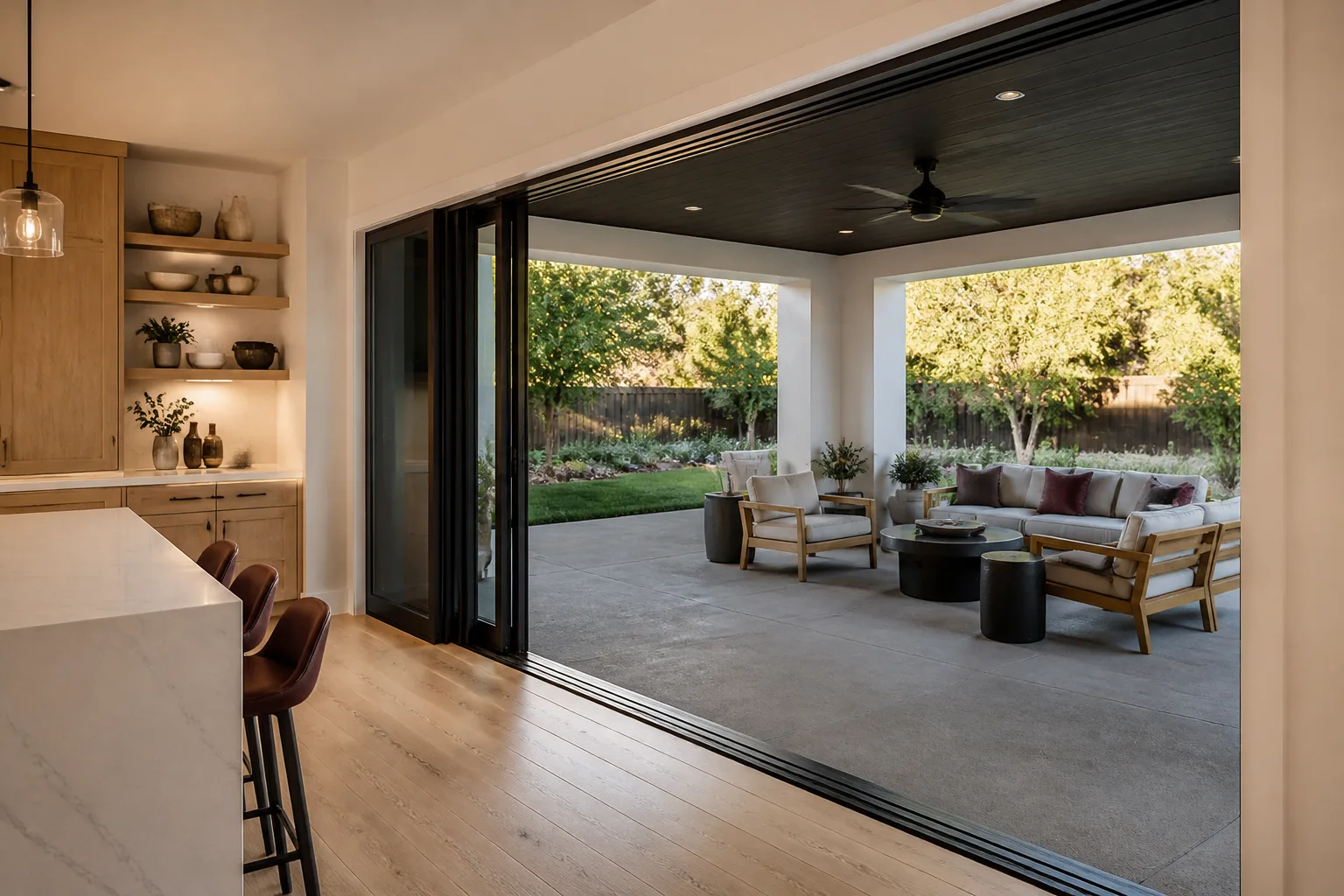
- Windows & doors
- Driveway & pavers
- Fence
Table of Contents
- How Does the Hayward Fault Zone Affect Permits and Foundations?
- What’s Hayward’s Permit Review Timeline, and Why Does It Matter?
- How Do Hayward’s Clay Soils Change Foundation and Drainage Specs?
- What Do Common Projects Cost in Hayward in 2025-2026?
- Which Trades Need Hayward-Specific Licensed Subcontractors?
- What Does the Construction Process Look Like, Step by Step?
- What Changes Block to Block Across Hayward?
How Does the Hayward Fault Zone Affect Permits and Foundations?
California’s Alquist-Priolo Earthquake Fault Zoning Act maps the Hayward Fault through the city, and the Hayward Fault Zone Disclosure requirement asks sellers and builders to acknowledge the fault’s location in real estate and construction documents. For a homeowner, this translates into concrete foundation specifications rather than abstract risk.
New construction and major remodels within the mapped zone typically need a geotechnical report before the Building Division will issue a foundation permit. That report, done by a licensed geotechnical engineer, costs $2,500-$6,500 in current Bay Area dollars and takes two to four weeks to produce. It tells the structural engineer what soil layers sit under the footprint and what lateral and vertical loading the foundation has to resist.
In practical terms, that often means:
- Continuous footings with deeper embedment than inland code minimums
- Anchor bolt spacing tightened and hold-down hardware specified by the engineer
- Cripple wall bracing for homes with raised floors
- Slab reinforcement at a higher schedule than a non-zoned build would need
In our experience, the geotech report is the step homeowners underestimate most. Skip it and the plan check stops. Get it early and the rest of the permit clock runs clean. If you’re planning an addition or an ADU, read our guide to Home Additions & ADU in Hayward before you draw anything, because the fault zone question gets asked at the first intake meeting.
What’s Hayward’s Permit Review Timeline, and Why Does It Matter?
Hayward’s Building Division reviews most residential remodels in four to eight weeks from a complete submittal. Additions and new construction run longer, often ten to sixteen weeks, and any plan check correction adds another two to four weeks per cycle. Compare that to a smaller neighboring jurisdiction that can turn a simple kitchen permit in two to three weeks and you can see why scheduling a Hayward project is a different exercise.
Why does it matter to your wallet? Because timeline is money. A crew you’ve booked has to be rescheduled if the permit isn’t in hand, and remobilization costs land in your change order if the scope drifts while the plan sits in review. The contractors who protect your budget are the ones who submit a complete set the first time.
Here’s the sequence that works:
- Confirm zoning and any design review requirement before you draw
- Commission the geotechnical report if the site is in the fault zone
- Submit a complete plan set: architectural, structural, energy compliance, and site plan
- Respond to plan check corrections in the same cycle they’re issued
- Schedule inspections only after the permit card is posted on site
Hayward also requires separate trade permits for electrical, plumbing, and mechanical work even when they’re part of a larger remodel. We’ve watched projects lose three weeks because the framing permit cleared before the electrical submittal did. If you already have a written estimate from another contractor, we’ll review it line by line at no charge and point out where the permit line is missing or short.
How Do Hayward’s Clay Soils Change Foundation and Drainage Specs?
Much of Hayward sits on bay-side clay and alluvium that expands when wet and shrinks when dry. That seasonal movement, sometimes called expansive soil behavior, pushes and pulls a foundation in ways sandy or rocky inland California soil doesn’t. A foundation that works in the Central Valley will do poorly on a Hayward hillside lot without adjustment.
What changes when you build on this soil:
- Footing depth: engineered to sit below the active clay layer, usually deeper than code minimum
- Drainage: grading that sheds water away from the foundation at a specified slope, plus footing drains on uphill lots
- Moisture control: vapor barriers under slabs and proper subgrade preparation
- Site work: hardscape drainage routed away from the house, especially in the flat neighborhoods near the bay
The drainage piece deserves its own mention. Water is the enemy of clay soil, and a driveway or patio poured without a slope plan is the most common way homeowners introduce it. That’s why we specify a base depth and slope during Driveway & Pavers in Hayward work rather than pouring concrete by eye. When we quote, we name the paver brand (Tremron and Techo-Bloc are on our list) and state the base thickness so the drainage decision is documented before the first wheelbarrow shows up.
What Do Common Projects Cost in Hayward in 2025-2026?
These are the ranges we see for standard scope work in Hayward, in 2025-2026 dollars. Your number moves with material grade, how much structural work is involved, and whether the fault-zone geotech report is required.
| Project | Typical Range | Notes |
|---|---|---|
| Kitchen remodel | $25,000 – $85,000 | Mid-range with new cabinets, counters, and fixtures |
| Bathroom remodel | $12,000 – $38,000 | Full gut and re-tile at the high end |
| Roof replacement | $32,000 – $65,000 | Depends on pitch, layer count, and material |
| Window and door replacement | $8,000 – $28,000 | Whole-house window count at the high end |
| Fence installation | $45 – $95 per linear foot | Material and height drive the range |
| Driveway and pavers | $18,000 – $45,000 | Includes base prep and drainage |
| Home addition | $380 – $650 per sq ft | ADU conversions can run lower |
| Geotechnical report (fault zone) | $2,500 – $6,500 | Often required before a foundation permit |
For a full breakdown of how a written quote is built across all seven trades, start at the Rowan Construction Group Hayward home. Every number we put in front of a homeowner is a flat written price with a written scope, not a “call for a quote” placeholder. And if a change truly becomes necessary mid-project, no work proceeds until the change order is signed, which is the discipline that keeps projects within a few percent of the agreed cost.
Which Trades Need Hayward-Specific Licensed Subcontractors?
Hayward’s Building Division issues permits by trade. Your general contractor can pull the structural, framing, and finish permits. Electrical, plumbing, and mechanical work requires a licensed contractor holding the specific trade classification, and HVAC work needs a C-20 mechanical license. Concrete and roofing can sit with the general contractor or a specialty licensee, but the work must meet local inspection standards either way.
What to check before anyone swings a hammer:
- The contractor’s license is current and active with the California State License Board
- The license classification matches the work being done
- The permit will be pulled in the contractor’s name, not left to you as the homeowner
- Inspection results are logged with the city, not just shared verbally
The trades that most often get skipped on a Hayward job are the ones that go behind the wall: electrical rough-in, plumbing rough-in, and shear wall nailing. Any of those done to a lower standard turns into a correction at inspection and a delay measured in weeks. A licensed contractor in each trade is not a formality in this city; it is the mechanism by which inspections pass on the first visit. Our technicians have up to 19 years of experience across the trades, and every crew member is background-checked and uniformed before arriving at your door.
What Does the Construction Process Look Like, Step by Step?
Every project we run follows the same sequence, whether it’s a single bathroom or a two-story addition. The order matters because it determines whether the price holds and whether inspections clear on the first pass.
- Walkthrough and measurement. We document the existing condition – substrate, layer counts, and any prior unpermitted work.
- Written scope and flat price. You receive a written scope and a written price before any work begins.
- Geotechnical and engineering review, if required. For fault-zone or load-bearing work, this runs in parallel with permit prep.
- Permit submission and plan check. Complete plan set goes to Hayward’s Building Division, and we track corrections as they come back.
- Pre-construction meeting. Schedule, inspection milestones, and material selections are confirmed in writing.
- Construction with a documented photo record. Every visit includes photographic documentation as a standard deliverable, showing what was found and what was done.
- Final inspection and close-out. Signed inspection card, written warranty, and the full photo record turned over to you.
We follow a 365-Day Done Right Promise on the work: if it isn’t done right, we make it right. That guarantee is written on every quote, not hidden in fine print.
What Changes Block to Block Across Hayward?
Hayward is not a single building environment. Drive twenty minutes and the soil, the grade, and the permit complexity all shift.
The hillside neighborhoods near the east side face steeper grades and often need retaining wall engineering alongside any addition. The flat bay-side blocks sit on expansive clay and deal with seasonal drainage, so footing drains and site grading get more attention. The established mid-century neighborhoods near downtown have older homes where the first walkthrough tends to find unpermitted past work, which has to be corrected or documented before a new permit clears.
Each setting changes the price. A hillside driveway needs a different base spec than a flat-lot driveway, and a fence on a slope needs more post depth than one on level ground. We name those adjustments in the written quote so the number you see at the start is the number you see at the end. For a look at the fence side of that equation, see Fence Installation in Hayward.
Common Mistakes to Avoid
- Ignoring the fault zone until permit time. Homeowners who commission the geotech report early save weeks. Those who wait find out about it during plan check, which restarts the clock.
- Assuming permit timelines match a neighboring city. Hayward’s review runs four to sixteen weeks depending on scope. Booking a crew for a date before the permit clears is the most common scheduling failure we see.
- Pouring a driveway or patio without a slope plan. Expansive clay plus standing water equals foundation movement. Base depth and drainage should be in the written scope, not decided on the day of the pour.
- Letting trade permits slide. Electrical, plumbing, and mechanical permits are separate in Hayward. Missing one stalls final inspection.
- Skipping a background-checked crew requirement. Anyone coming onto your property should be verified before arrival. Ask for it in writing.
- Accepting a verbal quote. A price is only a price when it’s written with a written scope. Verbal estimates invite change orders later.
- Not documenting the existing condition. Unpermitted past work needs a photo record to support the next permit. Get documentation on the first visit.
See the difference
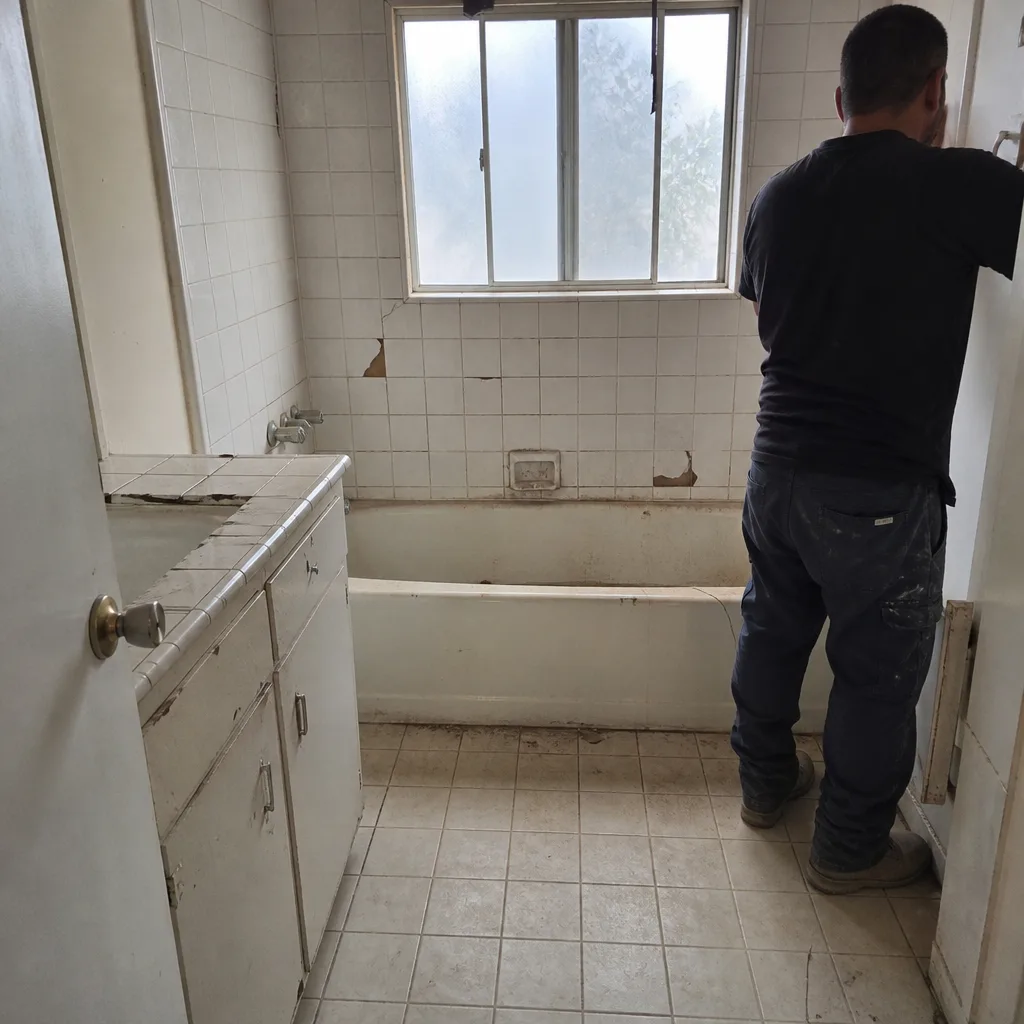 Before
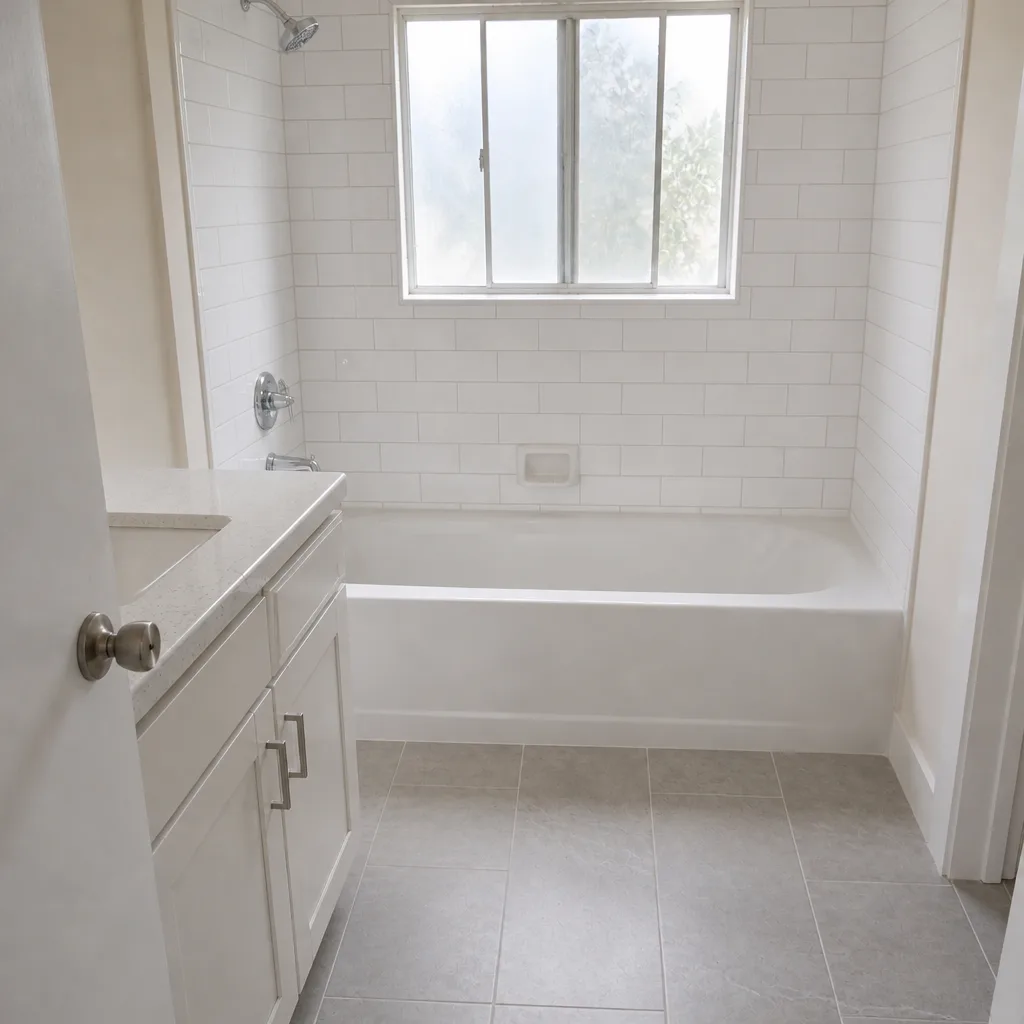 After
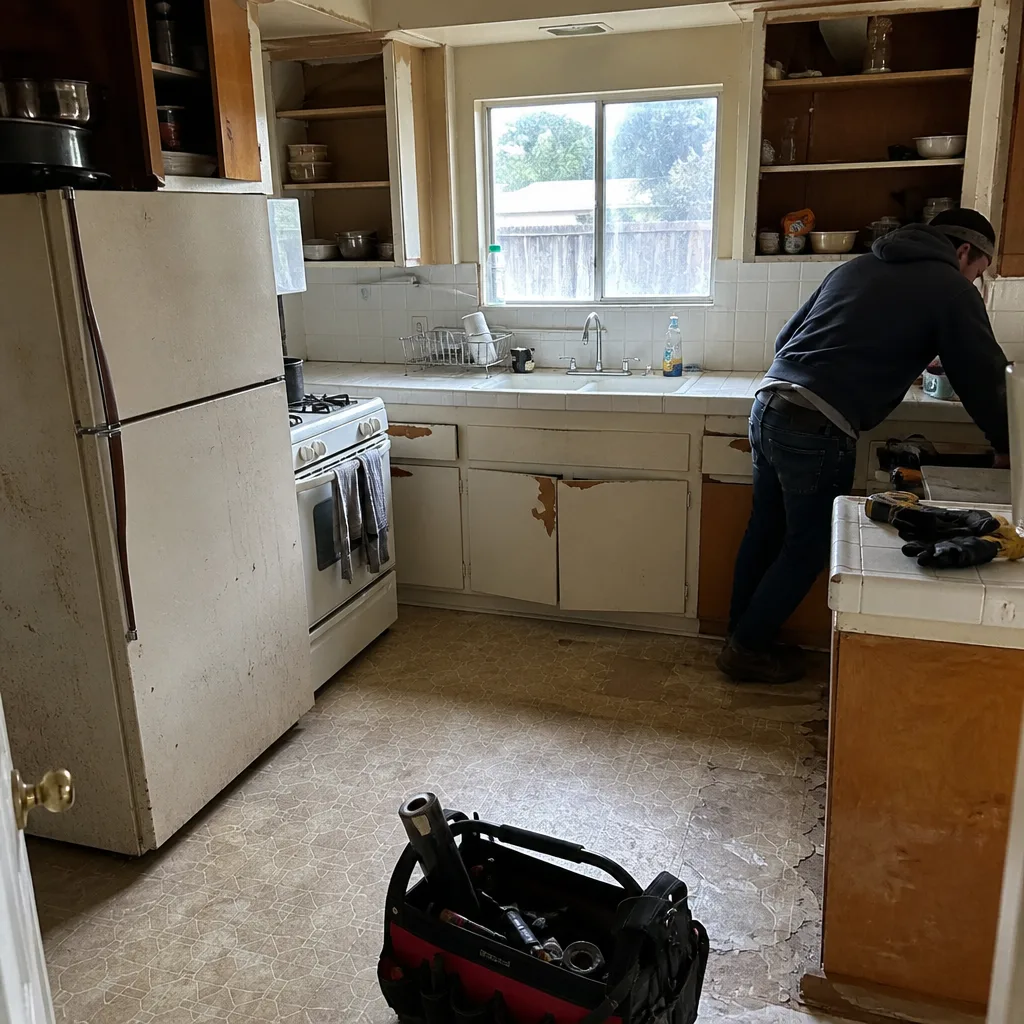 Before
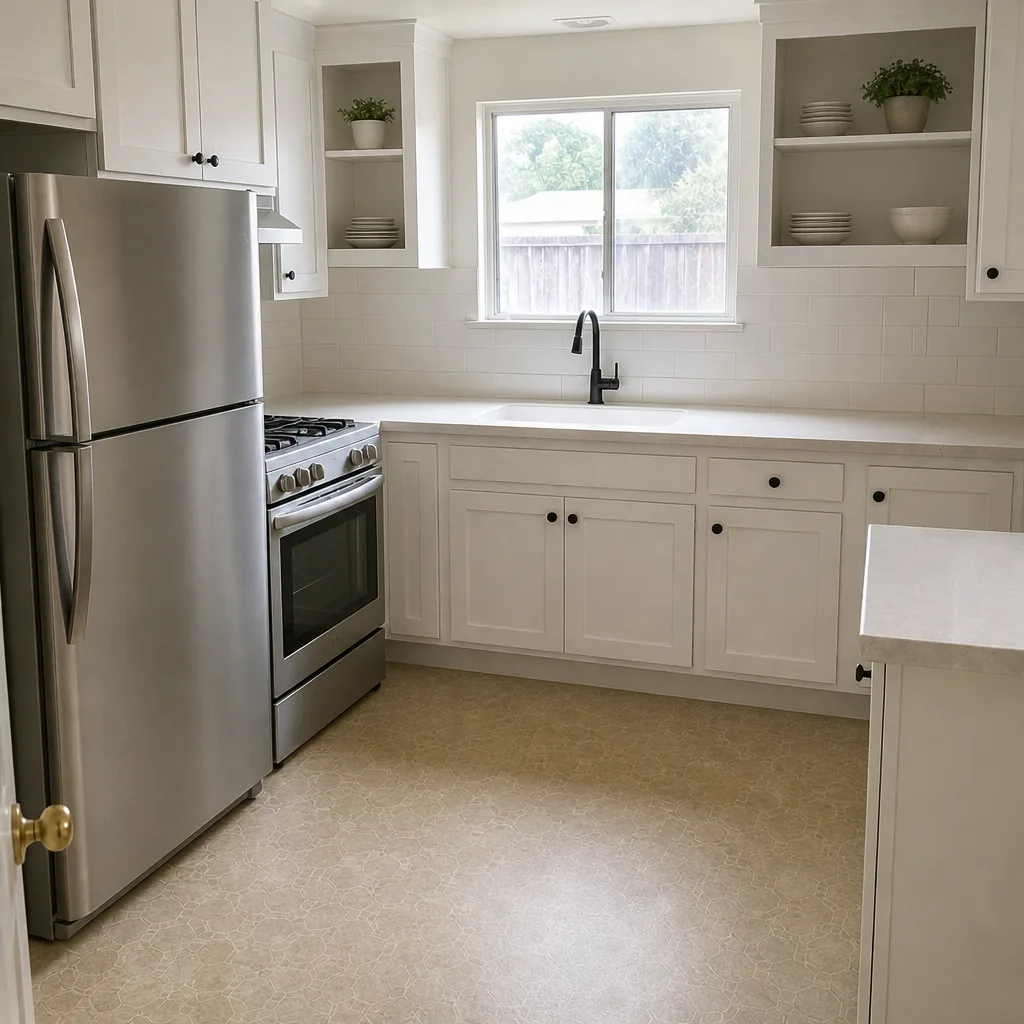 After
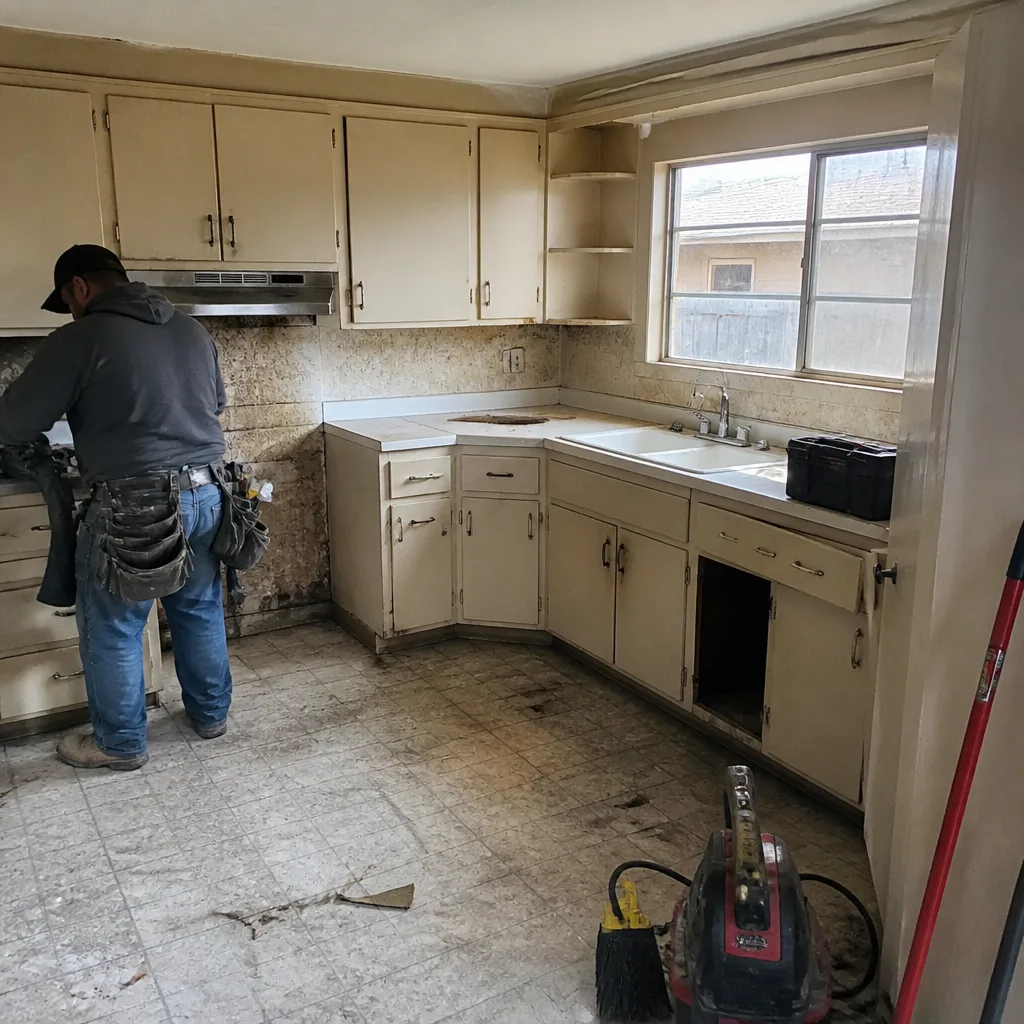 Before
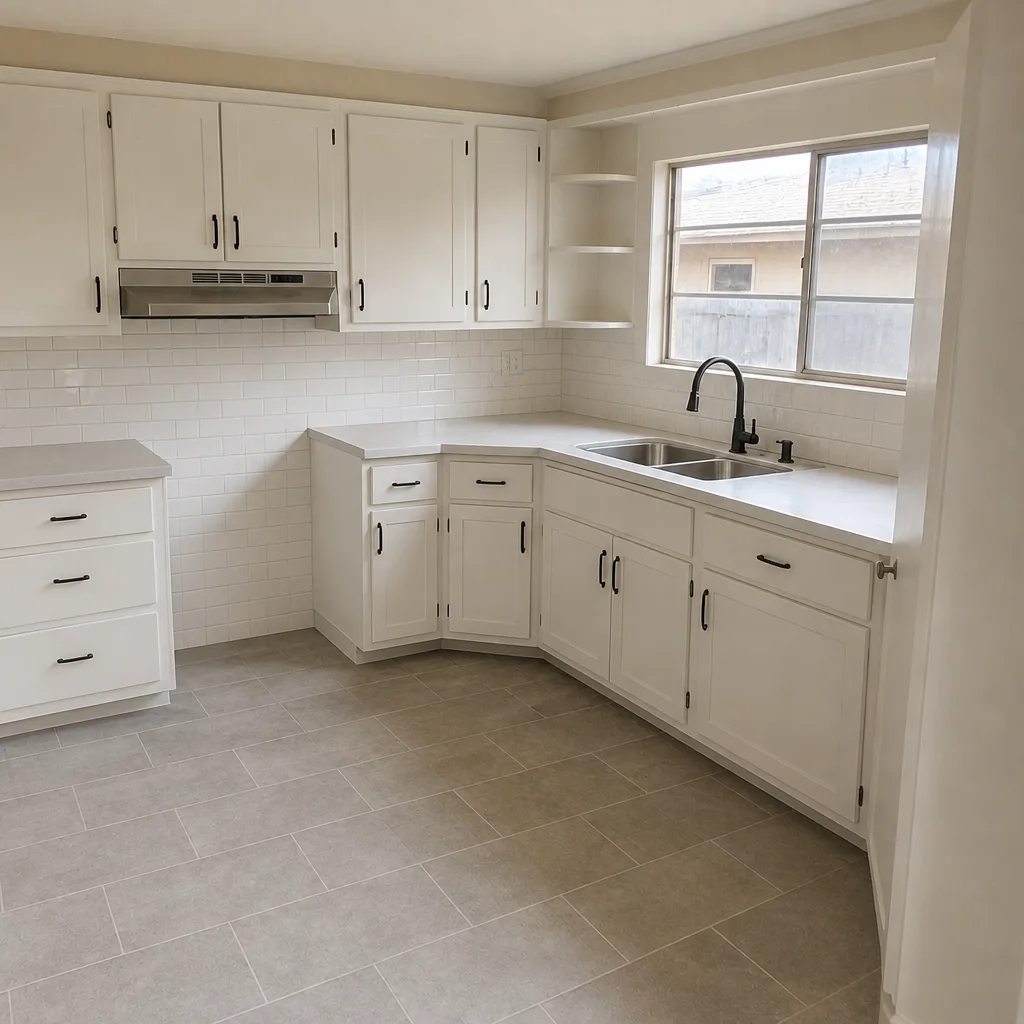 After
When to Call a Professional
Call a professional when the work touches structural framing, load-bearing walls, electrical panel work, gas lines, or anything in the fault zone that requires an engineered foundation. Those are the categories where a mistake is measured in tens of thousands of dollars or in safety, and where Hayward’s inspection standards actually protect you. Also call before you buy or sell a home with suspected unpermitted work, since a documented condition report prevents surprises at closing. Rowan Construction Group Hayward offers free estimates in Hayward, with a written scope and a flat price in hand before any work starts. Call (866) 863-1729 to schedule yours.
Frequently Asked Questions
Most Hayward projects land in these ranges: kitchen remodels $25,000-$85,000, bathroom remodels $12,000-$38,000, roof replacements $32,000-$65,000, and home additions $380-$650 per square foot. Fault-zone geotechnical reports add $2,500-$6,500 when required. Call (866) 863-1729 for an exact written quote – estimates are free.
Yes. Hayward’s Building Division requires permits for structural changes, electrical, plumbing, mechanical work, and most remodels, with each trade permitted separately. Fence and driveway work may or may not need a permit depending on height and scope, so check with the city before you start. Your contractor should pull the permit in their name.
Most residential remodels clear plan check in four to eight weeks from a complete submittal, while additions and new construction run ten to sixteen weeks, plus two to four weeks per correction cycle. A complete first submittal is the single biggest time saver. Bring us a competitor’s quote and we’ll review the permit line at no charge.
If your property sits in the mapped Hayward Fault Zone, new construction and major remodels typically require a geotechnical report and engineered foundation specifications. That report costs $2,500-$6,500 and takes two to four weeks. Budget for it early – it’s a permit prerequisite, not an optional add-on.
No, if the scope is written correctly. A written price with a documented scope is the whole point, and no change proceeds until a signed change order is in place. When that discipline holds, projects finish within a few percent of the agreed cost. Call (866) 863-1729 to see what your number looks like in writing.
Yes. We submit the plan set, respond to plan check corrections, and schedule inspections through Hayward’s Building Division, including the separate trade permits for electrical, plumbing, and mechanical. Every visit includes a documented photo record, and we deliver the signed inspection card at close-out.
The Bottom Line
Construction in Hayward asks more of a homeowner than construction in a generic suburb. The Hayward Fault Zone changes foundation specs and requires a geotechnical report on new work. The Building Division’s review timeline runs four to sixteen weeks, which reshapes your schedule before a single tool comes out. The expansive clay under the flat neighborhoods makes drainage part of the foundation, not a landscaping afterthought. Price ranges in 2025-2026 dollars give you something to compare against, and a written scope with a flat price keeps the number honest. If you want that number in writing, call Rowan Construction Group Hayward at (866) 863-1729 to schedule your free estimate.
Written by the team at Rowan Construction Group Hayward.