Free written scope consultation - allowances, timeline, and change-order rules on paper before a single trade is scheduled
Styles & brands we work with
- Kitchen remodeling
- Bathroom remodeling
- Home additions & ADU
- Roofing
- Windows & doors
- Driveway & pavers
- Fence
See the difference
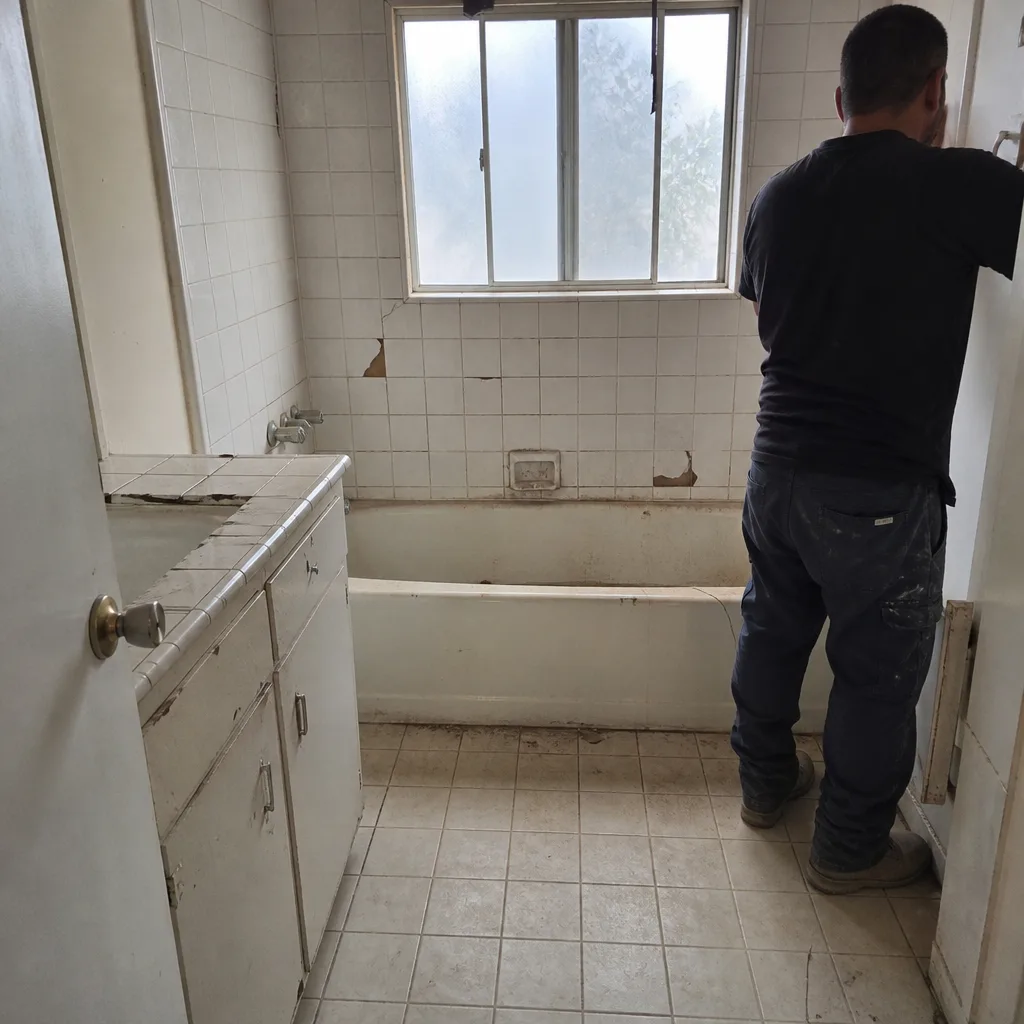 Before
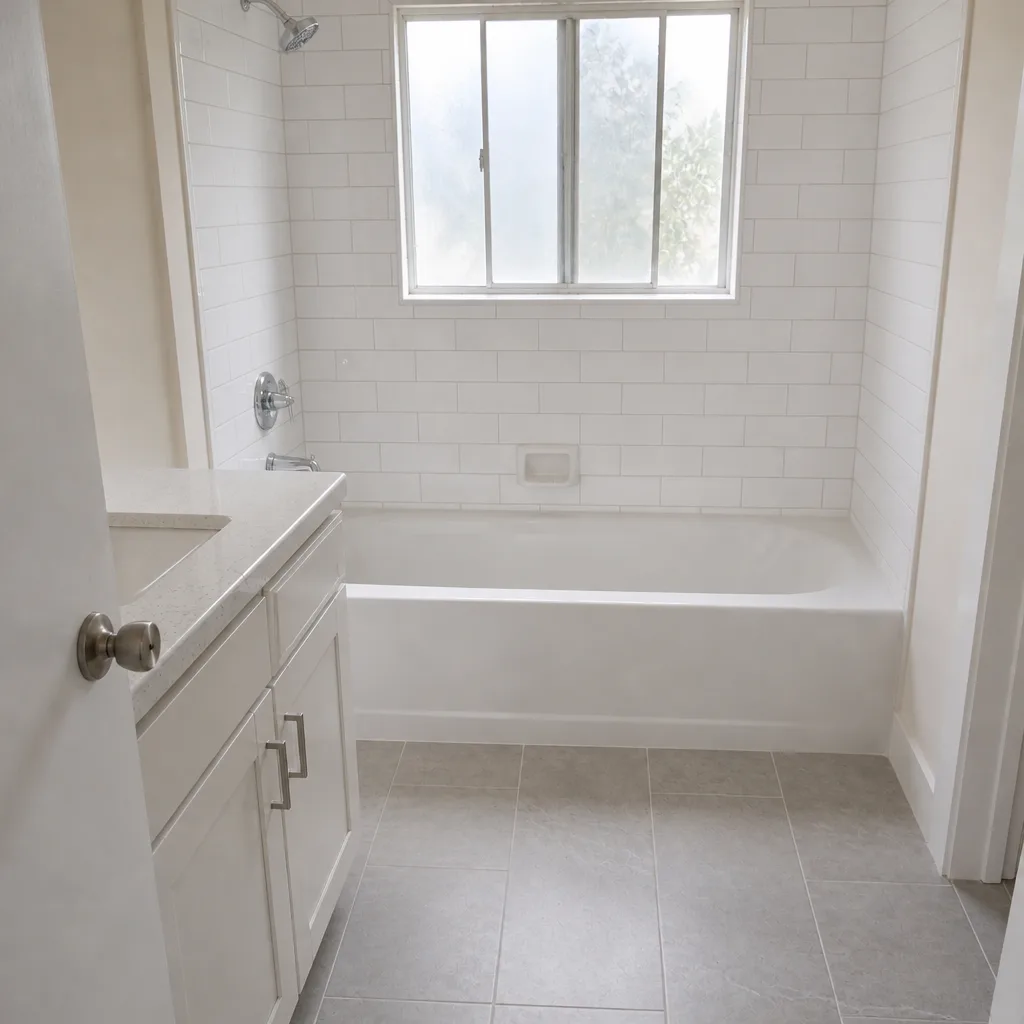 After
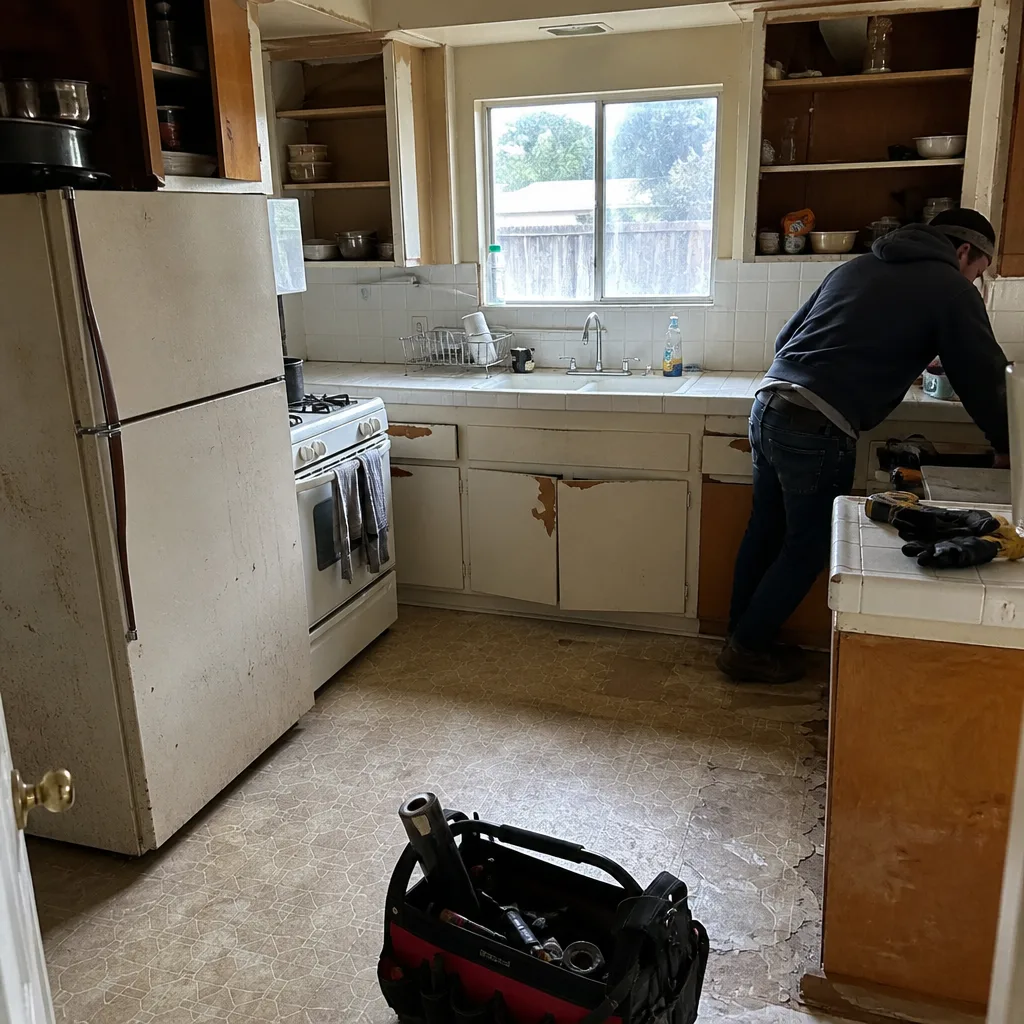 Before
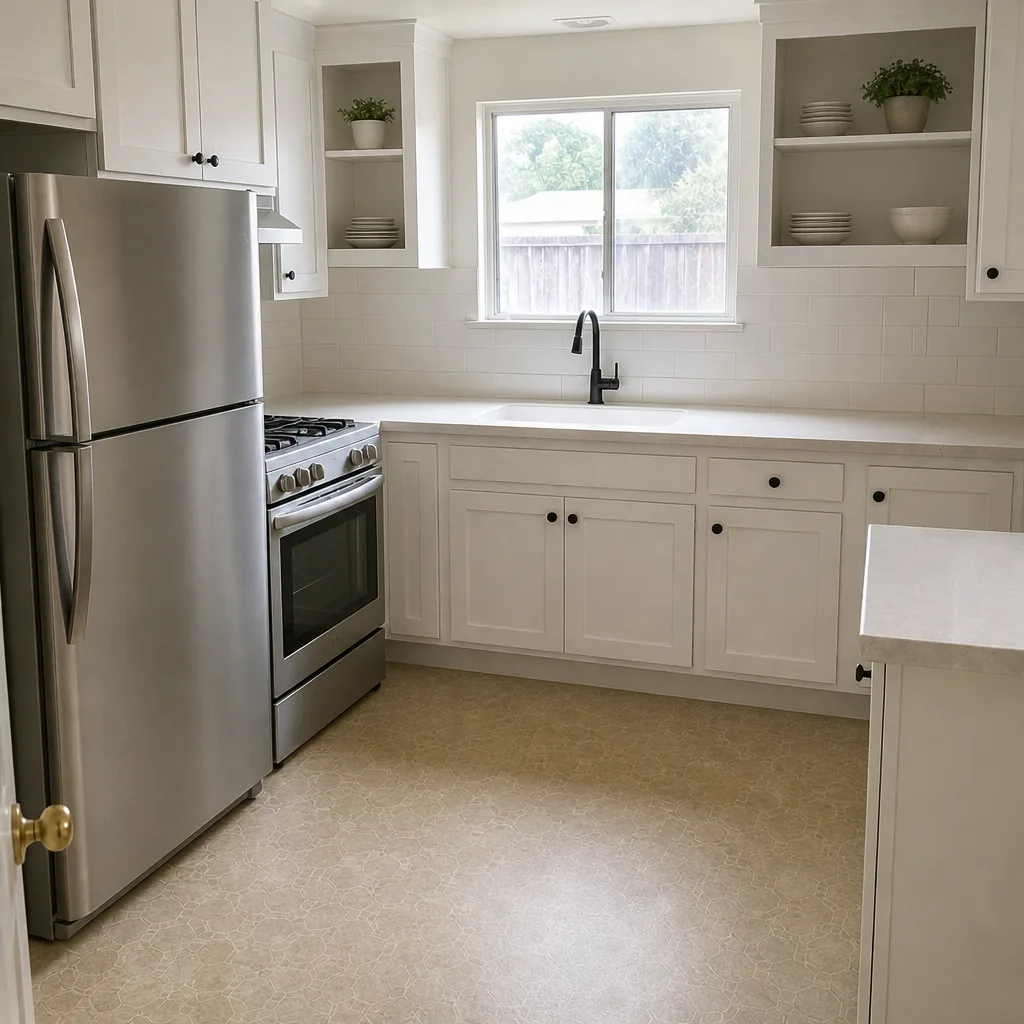 After
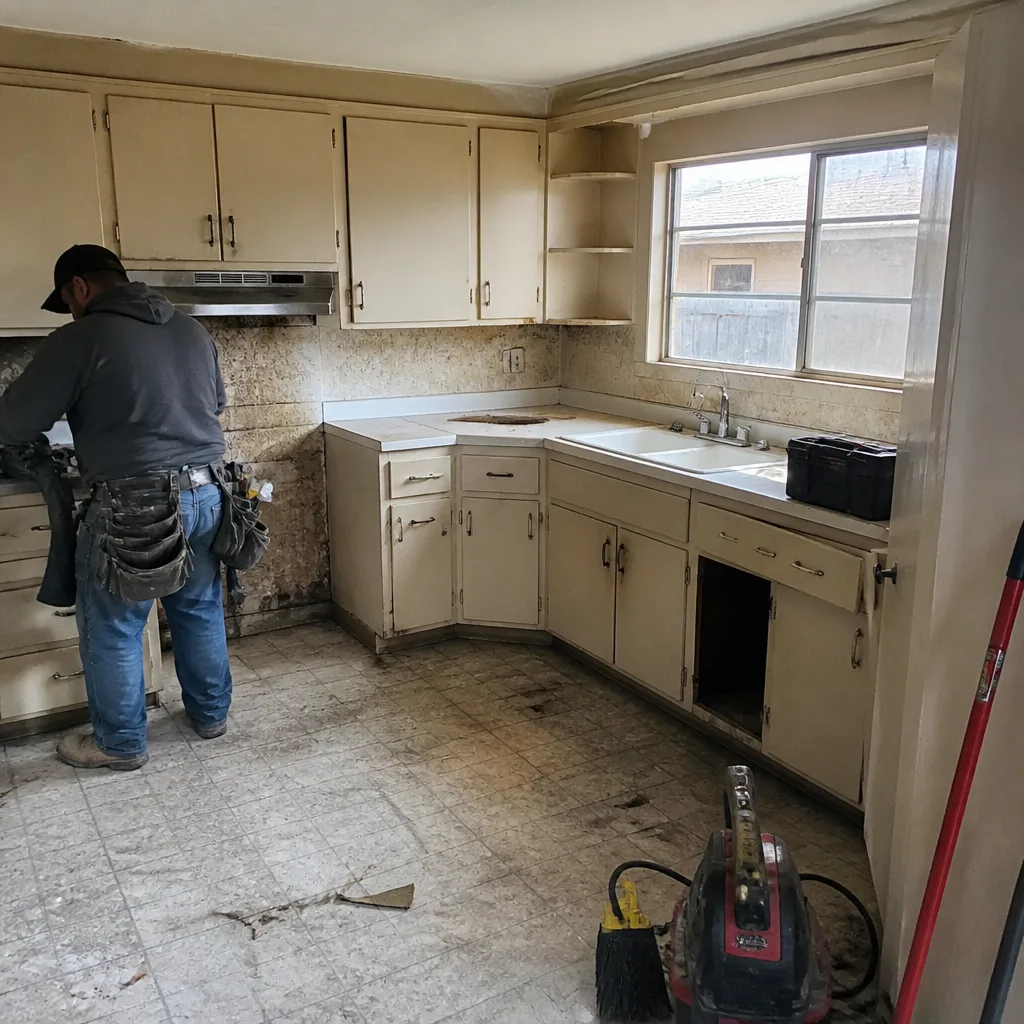 Before
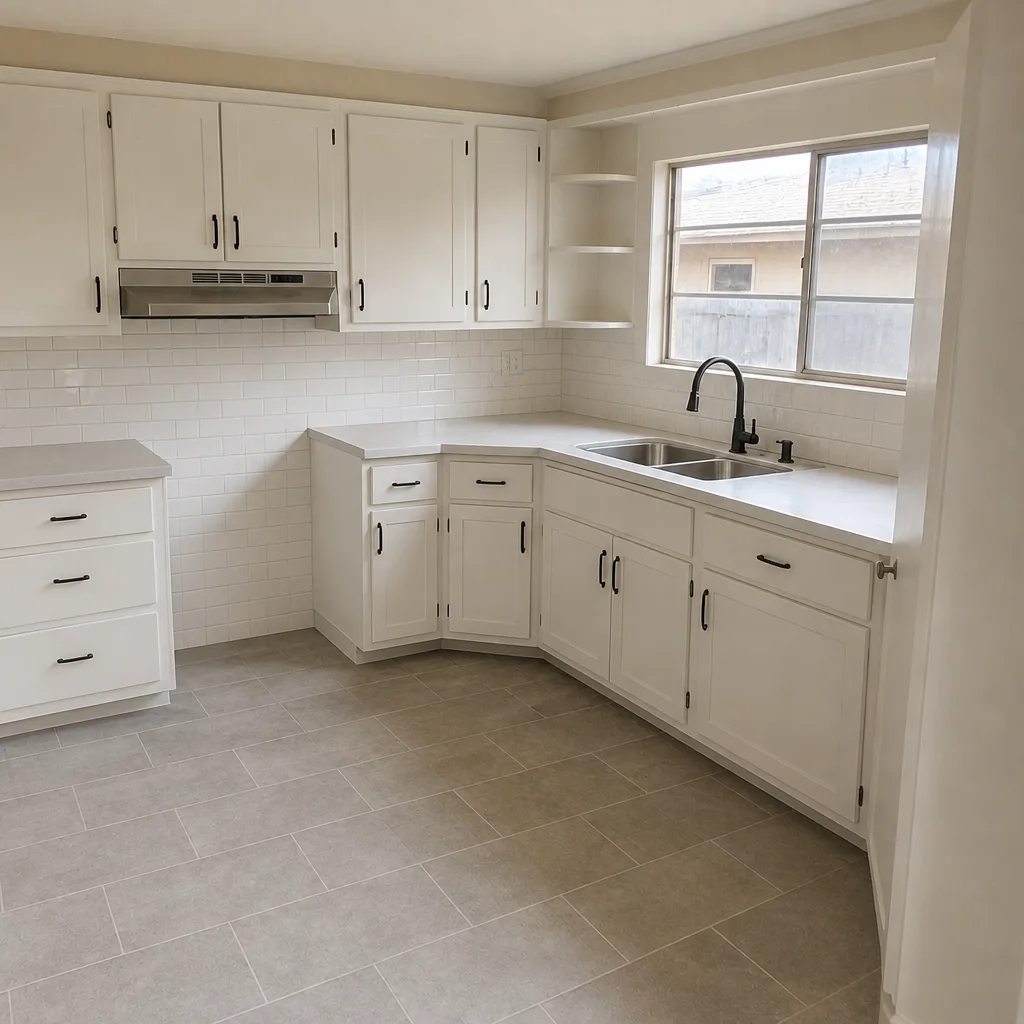 After
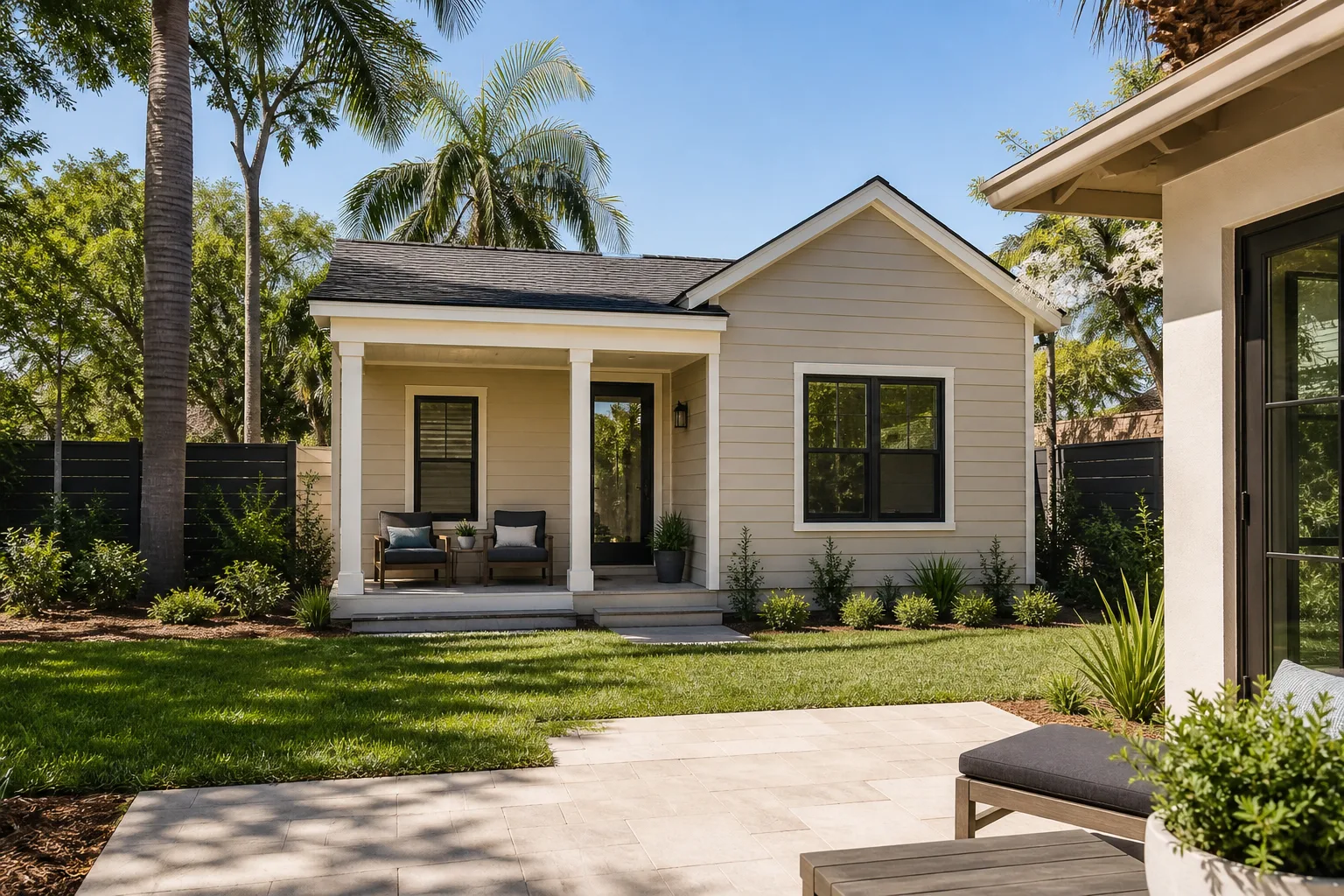
Home Addition vs ADU in Hayward, CA: Which One Actually Fits Your Lot?
Choose a detached ADU if the goal is more living space fast, because on most Hayward lots it can move through the city’s ministerial approval path within 60 days. Choose an attached home addition only when you need the new square footage to flow directly into the existing house, or when a detached structure won’t fit the parcel. Same city, same homeowner budget range of $45,000 to $130,000 for an addition, but two very different permit timelines. Call (866) 863-1729 and we’ll price both paths in writing before you commit to either.
Here’s what makes Hayward different from a generic comparison. A hillside lot in the Hayward Hills changes the math. Cut or fill over 50 cubic yards triggers a grading permit, and an attached addition pushing toward the slope routinely crosses it. A detached ADU sitting on an existing flat pad, like a former garage slab, may skip grading entirely. That single engineering fact can flip the faster option from “attached” to “detached” even when you want the space for family, not rent.
Key Takeaways
- Grading permit threshold in Hayward is a cut or fill exceeding 50 cubic yards.
- State law requires the city to act on a qualifying ministerial ADU within 60 days.
- An addition merges into your home’s assessment under Prop 13; an ADU is a separate unit that can earn rent.
- Fault-zone geotechnical work can apply to both; the ADU path just removes the city’s discretion to add design-review conditions.
What the two paths actually cost in Hayward, and what’s different about the number?
Construction is only part of the sticker. On a sloped parcel, the attached addition carries pre-construction costs the ADU avoids: a grading permit, a slope-drainage study, and a geotechnical report, a sequence that often runs 6 to 10 weeks before a shovel moves. That’s the paperwork most comparison pages leave out, and it’s the reason an ADU can finish sooner even though its build range is higher.
| Line item | Attached home addition | Detached ADU |
|---|---|---|
| Construction range | $45,000-$130,000 | $90,000-$220,000 |
| Typical footprint | 400-800 sq ft | 400-1,000 sq ft |
| Grading permit (over 50 cu yd cut/fill) | Often triggered on slope | Avoided if sited on existing flat pad |
| Approval path | Discretionary; design review possible | Ministerial; city acts within 60 days |
| Rental income potential | None (merges with home) | Yes, separate unit |
| Property tax treatment | Assessed with main home (Prop 13) | Separate unit assessment |
Both paths sit inside the Hayward Fault’s reach, one of the most studied faults in the country, so a geotechnical investigation can be required whether the new space is attached or detached. That cost doesn’t disappear on the ADU side. What does disappear is the city’s ability to layer discretionary conditions onto the project, because a qualifying ministerial ADU is reviewed against a fixed checklist rather than open-ended design review. If you want a tighter read on the numbers for your specific lot, we lay out the full build range on our Home Additions & ADU in Hayward page.
How do you decide between an addition and an ADU on your parcel?
Start with the slope, not the floor plan. If your lot is flat, a former garage slab is available, and you want the new space to earn rent, the ADU is the cleaner call. If your lot climbs, the addition starts racking up engineering before the first wall goes up, and a detached unit on the existing pad often wins on timeline even at a higher construction cost.
Three questions settle it for most Hayward homeowners:
- Where does the flat ground sit on my lot? If there’s an existing pad, an ADU can park on it and skip grading. If the only buildable spot is up the slope, the addition needs engineering.
- Do I need rent, or do I need rooms? A home addition folds into the main house and is assessed with it under California’s Prop 13 framework. An ADU stands as a separate unit that can generate income to offset the mortgage. That financial split changes the whole return calculation.
- Is there a deadline? California’s owner-occupancy exemption for ADUs sunsets in 2026. If you’re building a rental ADU on a property you don’t live in, that window is finite, and it applies more to flatlands investor-owned properties than to owner-occupied homes.
We see this play out across the flatlands tract homes and hillside ranch properties alike. The homes built between the 1950s and 1970s often sit on raised foundations with cripple walls, and that matters for both paths: an attached addition ties into that foundation (sometimes needing bolting and bracing as part of the work), while a detached ADU on its own slab sidesteps the tie-in.
What should you look for in a contractor when the two paths diverge this much?
Ask for the written comparison, not a verbal estimate. The project that starts with a signed, line-itemed scope is the one that finishes near the number you agreed to. That’s the whole discipline behind Rowan Construction Group Hayward’s Haven Standard: Clause 1 is the written price before any work starts, and no change proceeds until a change order is signed. This is how projects land within a few percent of the agreed price instead of drifting.
When we quote both the addition and the ADU on the same parcel, you get a document that lines up permit fees, geotechnical costs, and construction side by side, so the decision comes from numbers rather than a hunch. A few things to confirm before anyone picks up a tool:
- A written scope and price before work begins. Not “call for a quote.” Our numbers reflect real material depth, including brands like Therma-Tru and Barrette for doors and siding-hardware details, which keeps the quote honest rather than padded.
- Documentation on every visit. A photo record of what we found and what we did, included as standard.
- A written warranty. Ours is the 365-Day Done Right Promise: if it isn’t done right, we make it right.
- A background-checked, uniformed crew and a live person answering the phone 24/7.
The Hayward Fault runs right past neighborhoods near the Cal State East Bay campus and along Mission Boulevard, so foundation work and footprint changes here draw fault-zone and geotech scrutiny that surprises builders from outside the area. Our technicians have up to 19 years of experience reading exactly this kind of parcel, and our Home Additions & ADU work is priced to that reality. If you’re still weighing a smaller scope, a garage conversion at $30,000-$80,000 is often the entry point before committing to a full addition or ADU.
Frequently Asked Questions
Yes. A qualifying ADU that meets the state’s criteria goes through Hayward’s ministerial approval, and the city must act within 60 days under state law, while an attached addition that triggers grading or slope-drainage review can spend 6 to 10 weeks in pre-construction alone. The ADU’s speed comes from a fixed checklist the city can’t add discretionary conditions to. Call (866) 863-1729 for an exact quote on your lot, free.
Maybe. Hayward requires a grading permit for any cut or fill exceeding 50 cubic yards, and an addition that pushes the footprint into a slope routinely crosses that threshold, which then pulls in a drainage study and geotechnical report. A detached ADU on an existing flat pad can avoid grading altogether. We’ll tell you which side of the line your parcel falls on before you commit, at no charge.
A home addition is usually cheaper on construction alone, at $45,000-$130,000 versus $90,000-$220,000 for an ADU, but that compares only the build. An ADU is a separate unit that can earn rent, and it’s assessed as its own unit rather than folded into your Prop 13 base, so the ROI can flip depending on your goals. Bring us a competitor’s written estimate and we’ll review it line by line, free.
It makes the timing matter. California’s owner-occupancy exemption for ADUs sunsets in 2026, so if you’re building a rental unit on a property you don’t live in, the window to do that without occupying the primary residence is closing. That’s most relevant to flatlands investor-owned properties in Hayward. Call us for the current written pricing so you can weigh the timeline against the cost.
Ready to price both paths in writing?
If you’d rather have it looked at, Rowan Construction Group Hayward offers a no-pressure assessment in Hayward, and it comes with a written comparison of an addition versus an ADU for your parcel, plus a Free Second Opinion on any estimate you already have. One call gets you the numbers. Reach us at (866) 863-1729 for a free estimate. Nearly every Hayward project here draws fault-zone and geotech questions, so we walk you through those from the first visit. Same-day availability, live person answering, and a photo record when we leave.
Written by the team at Rowan Construction Group Hayward, serving Hayward, CA.