
Free written scope consultation - allowances, timeline, and change-order rules on paper before a single trade is scheduled
Styles & brands we work with
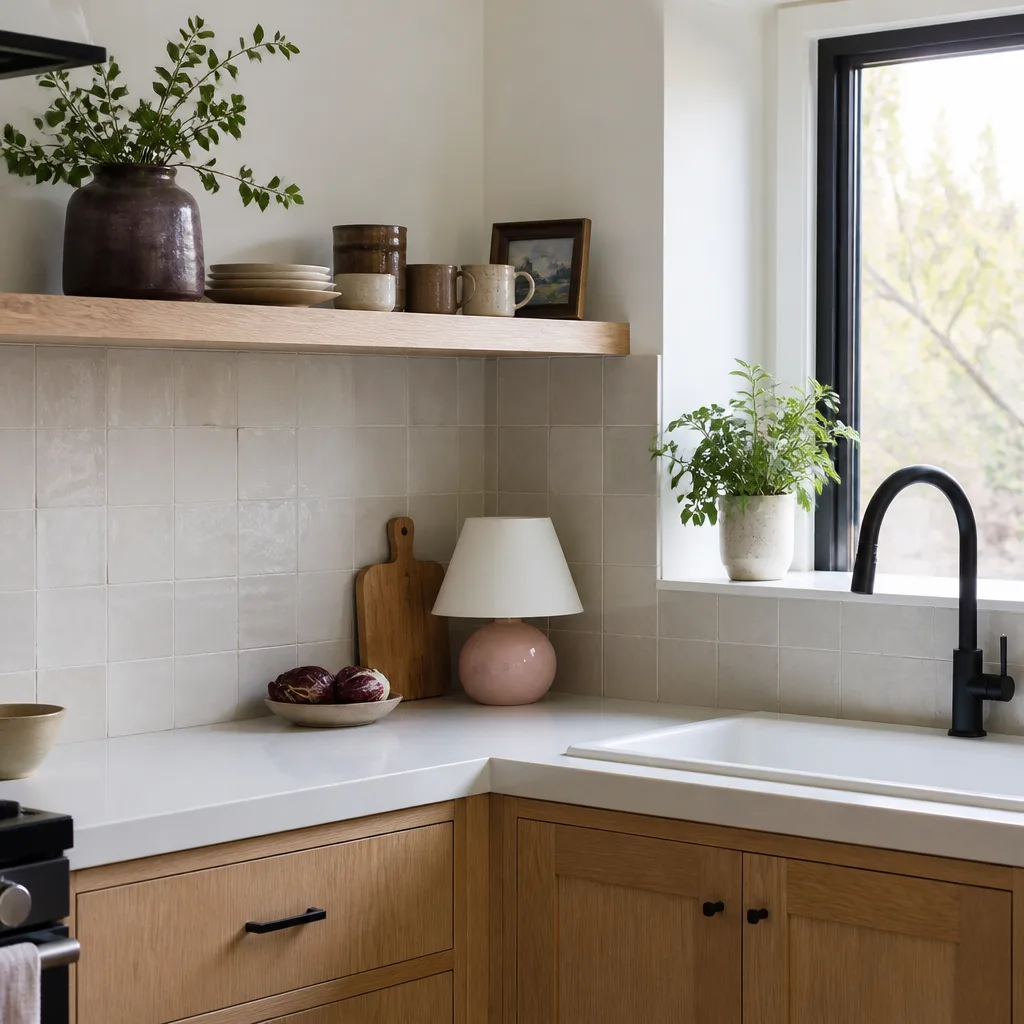
- Kitchen remodeling
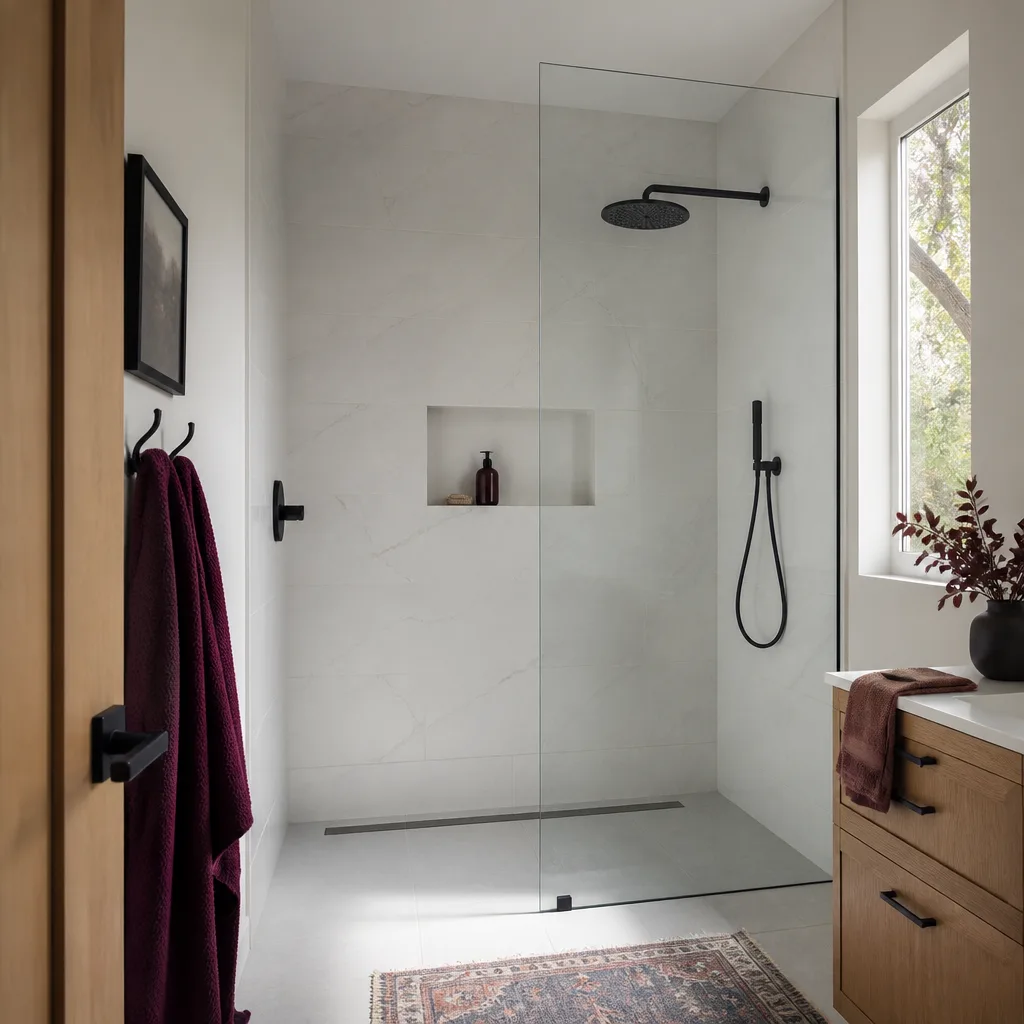
- Bathroom remodeling
- Home additions & ADU
- Roofing
- Windows & doors
- Driveway & pavers
- Fence
See the difference
 Before
 After
 Before
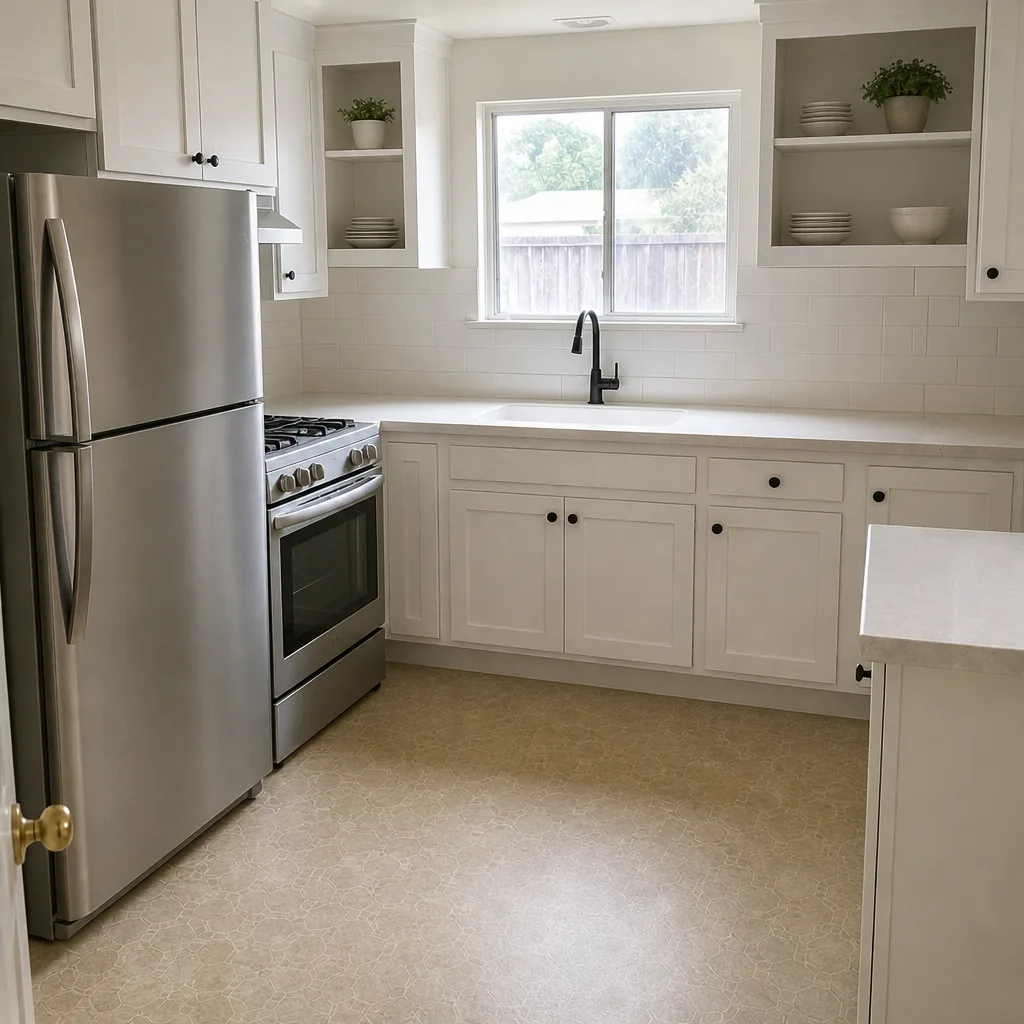 After
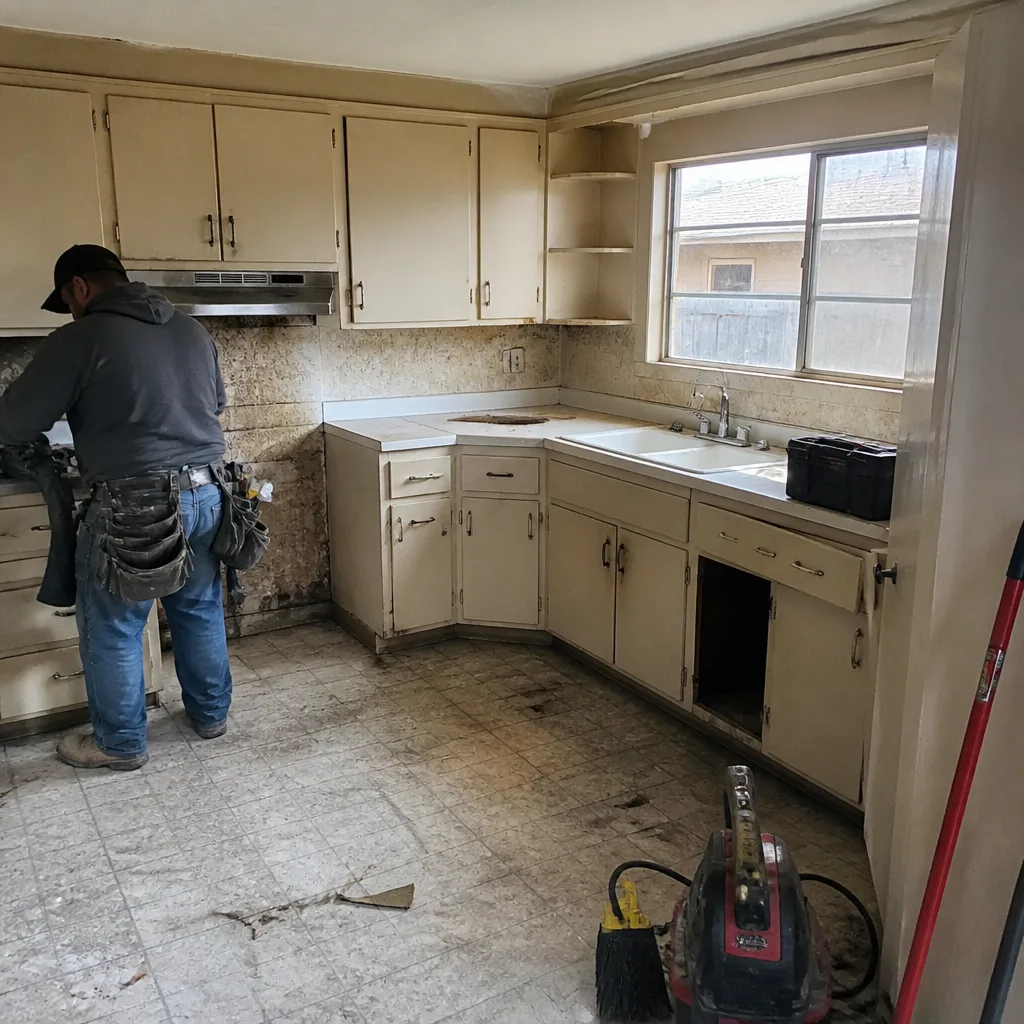 Before
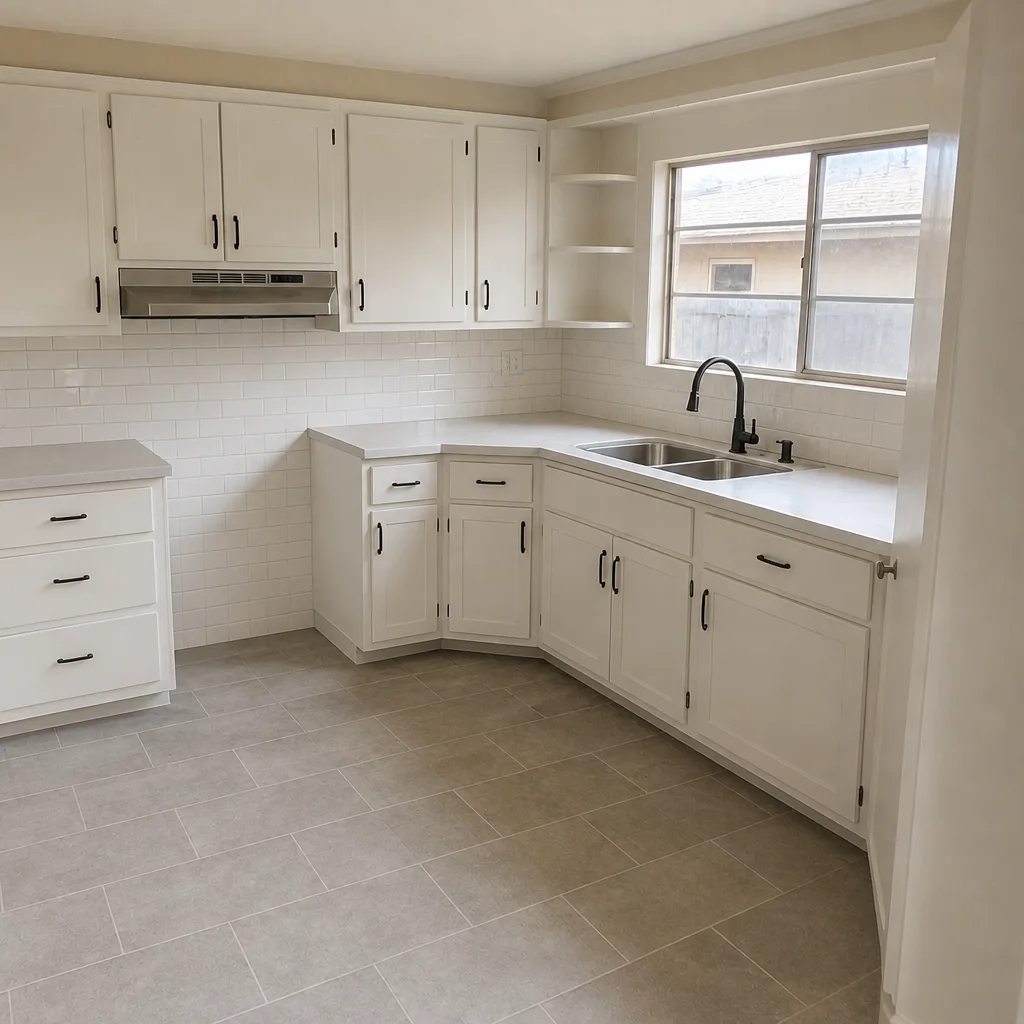 After
What Is the First Step in a Kitchen Remodel in Hayward? Check Your Fault Zone Before Your Mood Board
The first step in a kitchen remodel in Hayward is checking your property address against the Alquist-Priolo Earthquake Fault Zone map, then having a contractor assess the scope before you spend a dollar on design. If your home sits inside a designated fault zone, removing even a partial wall can trigger a geotechnical report requirement that moves your budget by $3,000 to $8,000. That check comes before cabinet styles, before a designer, and before any retailer visit. Call Rowan Construction Group Hayward at (866) 863-1729 if you want that pre-check done properly.
Hayward sits directly on the Hayward Fault, which runs through neighborhoods near the Cal State East Bay campus and along Mission Boulevard. The 1868 earthquake was centered here, and the fault-zone rules that followed shape how remodeling permits work in this city in ways neighbors like Union City or San Leandro don’t feel with the same weight. So the honest answer to “what is the first step in a kitchen remodel” is not a design decision. It’s a property and permit assessment specific to your Hayward address.
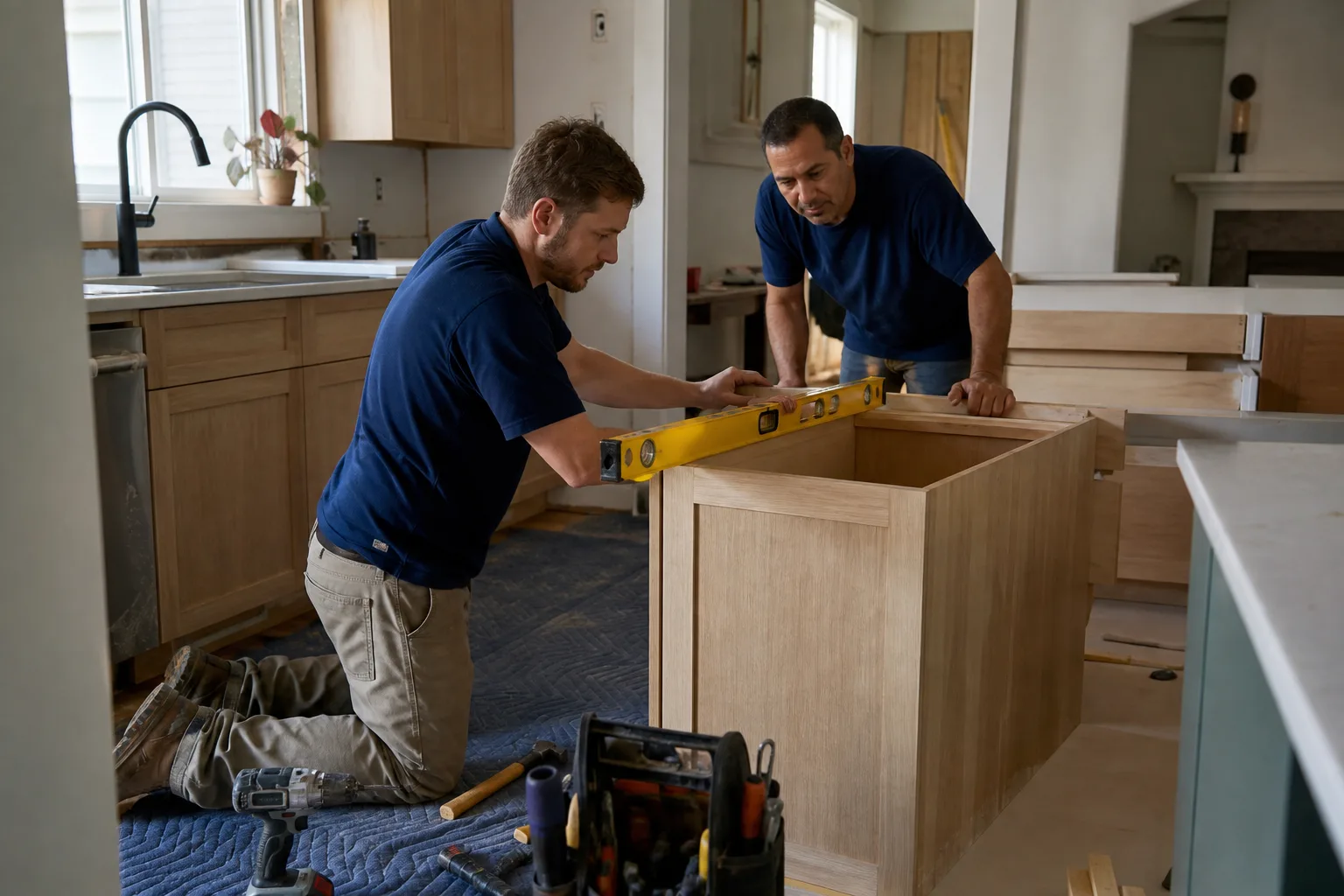
Before the Mood Board: What the Alquist-Priolo Act Actually Means for Your Kitchen
The Alquist-Priolo Earthquake Fault Zoning Act requires a geotechnical investigation before a city will issue a permit for a new or significantly altered “habitable structure” inside a designated fault zone. In plain terms: a geologist or engineer has to study the ground under and around your house before the building department will let certain work proceed.
What that means for a kitchen depends entirely on the scope. Here’s the practical split we walk Hayward homeowners through:
- Does not trigger a geotech report: replacing cabinet boxes, swapping a countertop, new backsplash, appliance upgrades, refacing, and resurfacing. These are finish-level changes to existing structure.
- Often triggers a report inside a fault zone: removing a full or partial load-bearing wall, adding a structural beam, expanding the footprint, or converting a garage space adjacent to the kitchen. Anything that changes how the structure carries load gets scrutinized.
- Sometimes triggers it, sometimes doesn’t: opening a non-load-bearing partition, moving plumbing rough-in across the slab, or a soffit removal that reveals structure. This is where a contractor’s judgment at the permit counter matters, because the call is scope-specific.
That last category is where we earn our keep. A contractor who hasn’t worked a Hayward fault-zone permit before will hand you a layout, you’ll fall in love with it, and then you’ll learn three weeks later that a report is required. Knowing which side of the line your project falls on before design is commissioned is the whole point of a proper first step.
The Written Scope Consultation: What Our First Step Actually Looks Like
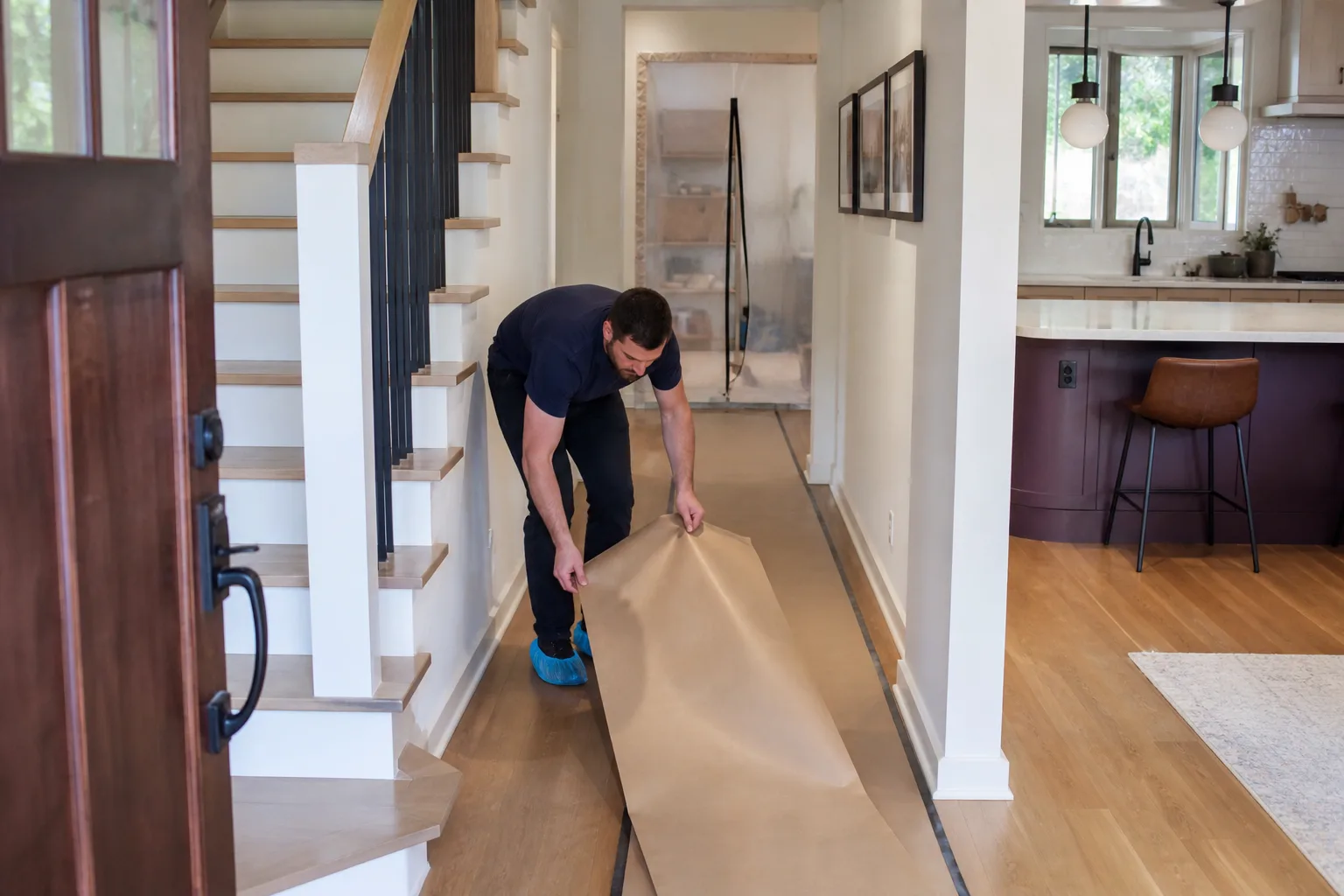
When a Hayward homeowner calls us about a kitchen, we don’t start with a showroom tour. We start with a written scope consultation at the property. That visit produces a document, and the document does three things: it records existing conditions, it identifies which permit class the project falls into (fault-zone geotech required or not), and it delivers a flat written price.
Under Clause 1 of The Haven Standard, the price is written before anyone starts. That discipline applies from the first conversation, not just when a crew shows up. You leave the consultation knowing whether your kitchen is a $14,000 finish-level refresh or a $45,000 structural remodel, before you’ve paid anyone for drawings.
What the photo record captures at the first visit
Every visit includes a documented photo record as standard, not an upgrade. At project start, that baseline record typically captures:
- The cabinet boxes and whether they’re original or already replaced
- Plumbing rough-in location and pipe condition, which matters most in Hayward’s pre-1980 stock
- Electrical panel age and capacity (an old panel is the single most common reason a kitchen scope grows)
- Subfloor condition under the existing flooring, especially in homes with raised foundations and cripple walls
That record is the baseline for the 365-Day Done Right Promise. If something goes wrong in the first year, we’re not arguing about what the kitchen looked like when we started, we’re comparing against a dated file. It protects you, not just us. This is also where the signed change-order discipline begins: the scope document is a written agreement, and nothing in it becomes work until you sign. No verbal agreements, no “we’ll figure it out as we go.”
If you want to see how this plays out across a full project, our Kitchen Remodeling page covers the build phase and material sourcing in detail, including KraftMaid and Wellborn cabinet lines and Cambria and Caesarstone surfaces.
Why You Shouldn’t Start at the Big-Box Store
The most common mistake we see in Hayward is a homeowner visiting a retailer like IKEA or Home Depot to price cabinets before a contractor has looked at the kitchen. This usually backfires for a specific local reason: many of Hayward’s pre-1980 kitchens, especially the 1950s-70s stucco tract homes across the flatlands and the hillside ranch homes in the Hayward Hills, weren’t built to modern standards. Standard 36-inch cabinet heights and standard soffit depths frequently don’t fit. Ceilings are lower, soffits are deeper, and wall runs are shorter than a catalog assumes.
A homeowner who buys cabinets before the assessment risks purchasing a set that won’t fit without significant modification or returning entirely, and the return window closes fast. A contractor assessment before the retailer visit saves that wasted spend. If your heart is set on a specific line, bring us the specs at the consultation and we’ll tell you whether they’ll fit your kitchen before you buy.
What a Hayward Kitchen Remodel Costs, and When the Fault Zone Changes the Number
Here are the honest ranges for this market. These are written so you can screenshot them and compare.
| Scope | Price Range |
|---|---|
| Full kitchen remodel | $14,000 – $45,000 |
| Small kitchen remodel | $9,000 – $20,000 |
| Cabinet installation | $4,000 – $13,000 |
| Countertop installation | $2,000 – $6,500 |
| Kitchen island installation | $3,000 – $10,000 |
| Backsplash installation | $800 – $2,500 |
Now the fault-zone premium. If the project triggers a geotechnical report requirement, add $3,000 to $8,000 to the total. That’s why the first step matters so much: whether your project lands at the low or high end of the $14,000 to $45,000 band is often decided before a single finish is picked, by whether a wall comes out and whether the property sits in a designated zone.
As a rough guide, a finish-level remodel (cabinets, counters, backsplash) in a 1950s Hayward flatlands home usually lands in the $14,000 to $24,000 range. A wall-removal remodel that opens the kitchen to a living area, on a property in a fault zone, more commonly runs $32,000 to $45,000 with the report included. Your address and your wall plan decide which side of that you’re on.
What to Look For in a Contractor Before You Commit
The standard advice, “hire a designer first,” skips the step that costs Hayward homeowners the most money when it’s wrong. Compare contractors on these points before you sign anything:
- A written price before work starts: no “call for a quote,” no ballpark over the phone. A flat written price with a written scope and a written warranty.
- Familiarity with Hayward fault-zone permitting: ask directly whether they’ve pulled kitchen permits in a designated zone and how they identified the permit class. If they can’t answer in specifics, keep looking.
- A documented photo record: included in every visit, not quoted as an add-on.
- Signed change orders: no change proceeds without your signature. That discipline is why projects finish within a few percent of the agreed price instead of drifting.
- Background-checked, uniformed technicians: every crew member verified before they arrive.
- A free second opinion: bring a competitor’s written estimate and we’ll review it line by line at no charge before you decide.
Our technicians have up to 19 years of experience, and we publish a license number on the page rather than asking you to trust a truck.
FAQs
The first step is a fault-zone and permit pre-check on your property address, followed by a written scope consultation before any design work is commissioned. Check the Alquist-Priolo map, then have a contractor document existing conditions, identify the permit class, and deliver a written price. That’s the order that protects your budget. Call (866) 863-1729 for that assessment - estimates are free.
Removing a load-bearing wall or adding a structural beam often does trigger a geotechnical investigation if your property sits inside a designated fault zone, and that report typically adds $3,000 to $8,000. Non-load-bearing partition changes are more case-by-case. Cabinet and countertop swaps don’t trigger it. Call (866) 863-1729 and we’ll tell you which side your project falls on before you commit to a layout.
A full kitchen remodel in Hayward runs $14,000 to $45,000, with small kitchen remodels at $9,000 to $20,000 and cabinet installation at $4,000 to $13,000. Fault-zone geotechnical work is the one add-on that can push a finish-level project into the upper band. Call (866) 863-1729 for an exact written quote - we put the number in writing before any work starts.
No. In Hayward’s pre-1980 kitchens, standard 36-inch cabinet heights and standard soffit depths frequently don’t fit because ceilings are lower and soffits are deeper than current standards. Buying first risks cabinets that won’t fit and a closed return window. Bring the specs to the consultation and we’ll confirm fit before you purchase. Call (866) 863-1729 to schedule.
Start With the Number, Not the Mood Board
If you’d rather have it looked at, Rowan Construction Group Hayward offers a no-pressure assessment in Hayward. We’ll check your address against the fault zone, document what’s already in your kitchen, and hand you a flat written price before you commit to a thing. Call (866) 863-1729 for a free estimate. You can also start at our home page to see the other six trades we handle under The Haven Standard.
Written by the team at Rowan Construction Group Hayward, serving Hayward, CA.