
Last updated November 18, 2026



Free written scope consultation - allowances, timeline, and change-order rules on paper before a single trade is scheduled
How to Hire a Construction Contractor in Hayward: A Step-by-Step Guide
California’s Contractors State License Board publishes license status, bond amount, and complaint history for every licensed contractor in the state. It takes about 90 seconds to look up a Hayward contractor in that database, and most homeowners never do it. Instead they judge the pitch, the truck, the smile, the references the contractor chose for them. That ordering is backwards. Hiring a contractor in Hayward is a document review, not a personality evaluation, and the homeowner who treats it that way is the one who finishes a kitchen remodel within a few percent of the price they agreed to. This guide walks through the three documents that matter most – the license record, the insurance certificate, and the contract itself – plus the permit and reference checks that separate a real contractor from a persuasive one. Hayward’s housing stock spans 1950s tract homes in the Hayward Hills, older bungalows near downtown, and newer infill closer to the Mission Boulevard corridor, and each of those brings its own permitting questions. By the end you’ll know exactly what to request, how to read it, and what to walk away from.
Quick Answer
To hire a construction contractor in Hayward, verify their CSLB license and bond status, confirm they carry active general liability insurance and workers’ compensation coverage, and read the written contract for scope definition, change order triggers, and allowance line items before you sign. Pull the permit history on a past job they cite, and ask who pulls the permit – a contractor who asks you to pull your own is a red flag. Get a flat written price with a written scope, and don’t accept “call for a quote.”
Styles & brands we work with
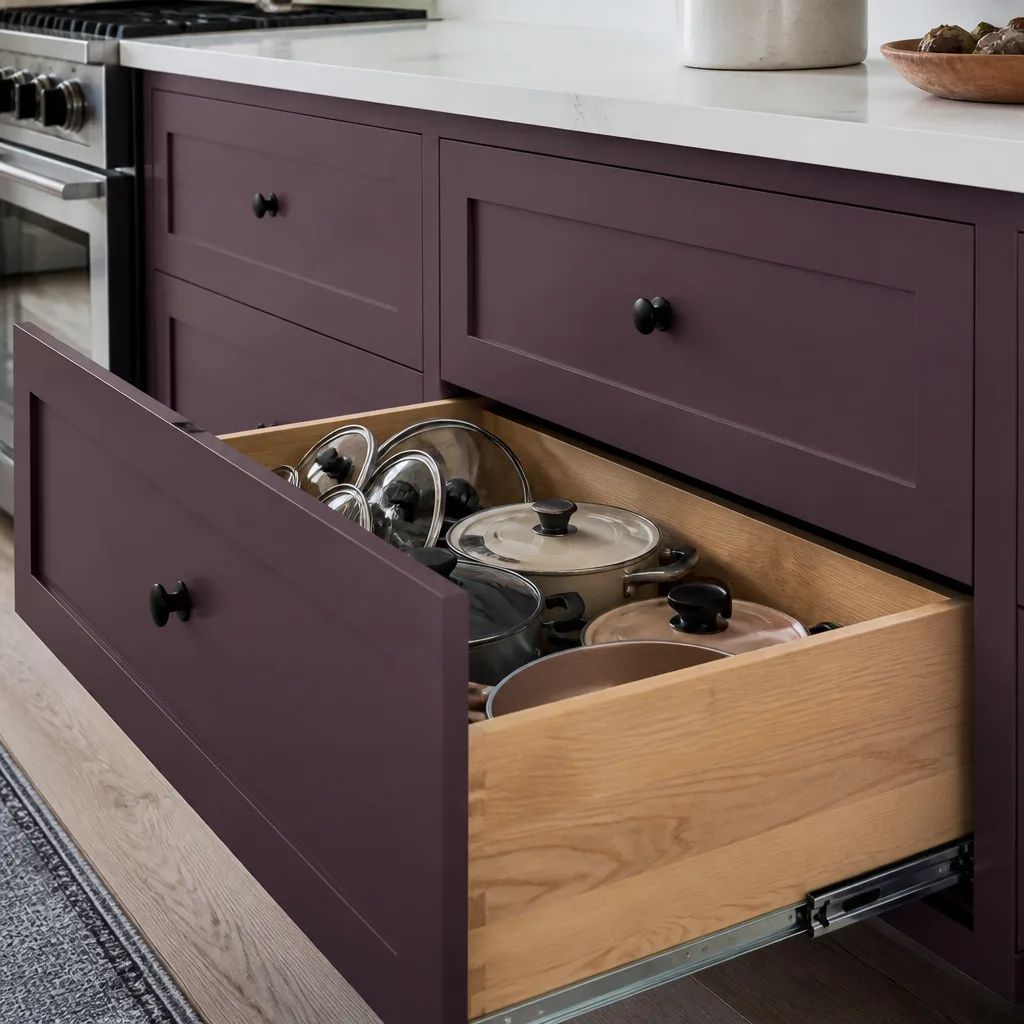
- Kitchen remodeling
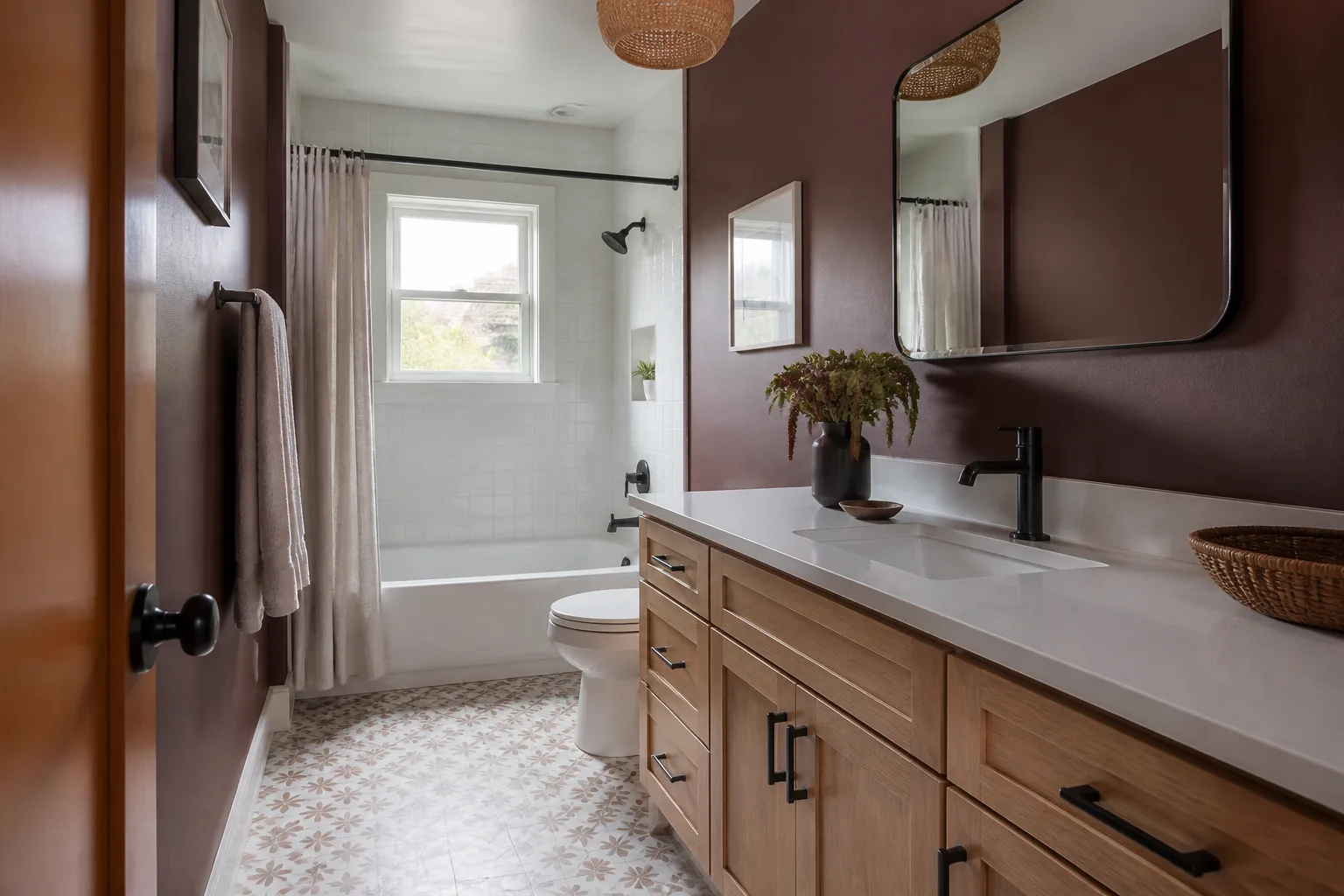
- Bathroom remodeling
- Home additions & ADU
- Roofing
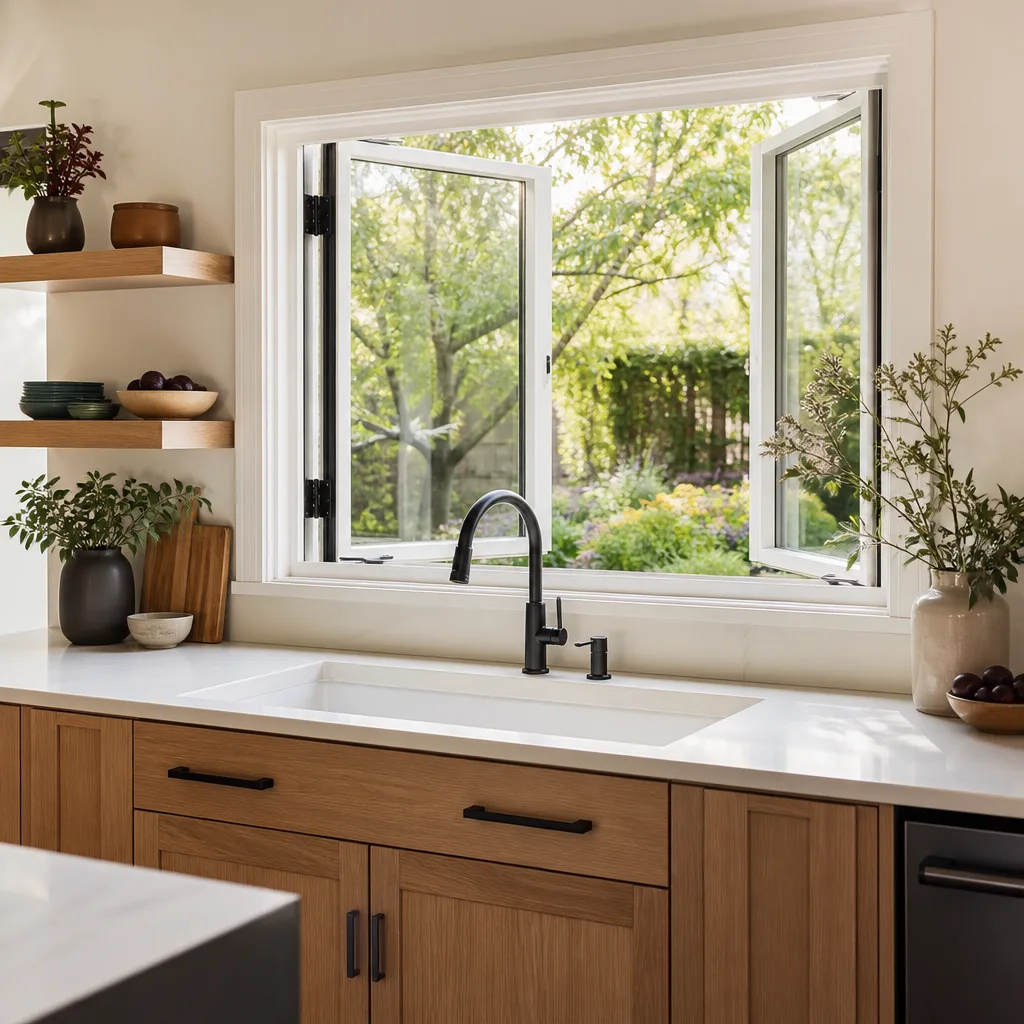
- Windows & doors
- Driveway & pavers
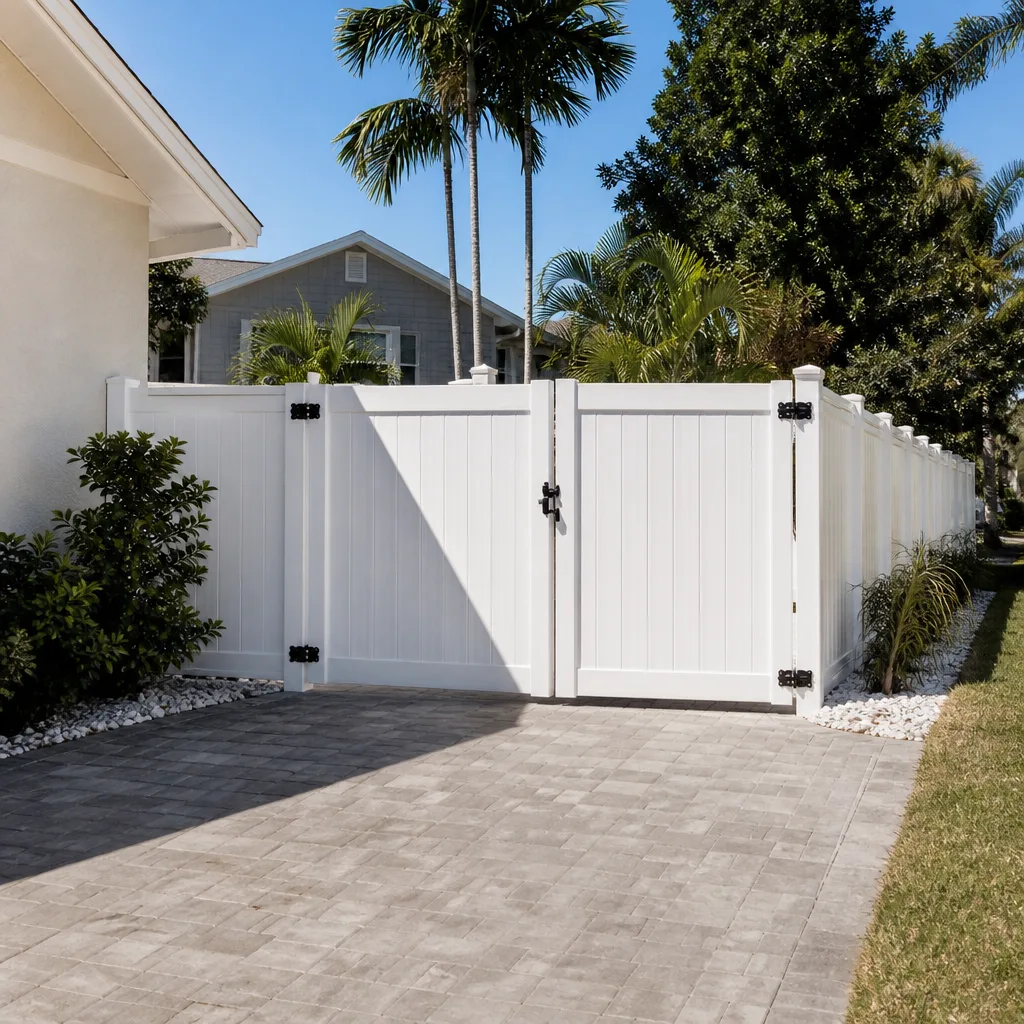
- Fence
Table of Contents
- Step 1: Verify the Contractor’s CSLB License
- Step 2: Read the Insurance Certificate Correctly
- Step 3: The Three Contract Clauses That Decide the Price
- Step 4: Watch Who Pulls the Permit
- Step 5: Reference Checks That Surface Real History
- What Construction Actually Costs in Hayward
- Common Mistakes to Avoid
- Frequently Asked Questions
Step 1: Verify the Contractor’s CSLB License
Go to the CSLB website and search by license number or by the name on the business card. Do it while the contractor is still in your kitchen. Four fields tell you what you need to know.
- License status. You want “Active.” Anything else – expired, suspended, canceled – means they cannot legally contract for construction work in California. A license that lapsed six weeks ago is not a technicality; it means they’re operating unlicensed right now.
- Classification. A residential remodel generally calls for a Class B (general building contractor) license. A roofing-only job should show a C-39. If the classification doesn’t match the work you’re hiring for, the license doesn’t cover the job, which affects both your protection and your ability to file a complaint.
- Bond amount. California requires a contractor’s bond of $25,000 for a general building contractor. If the bond shows as lapsed, that consumer safety net isn’t in place. A bond isn’t insurance for your house; it’s a fund you can claim against if the contractor defaults. A lapsed bond tells you the contractor’s own administrative housekeeping has slipped, and that pattern usually shows up elsewhere.
- Complaint history. Read past complaints and confirmations in full, not just the count. Look for patterns: complaints that reference abandoned jobs, unreturned deposits, or disputed change orders carry more weight than a single complaint about scheduling.
One field people misread constantly: the workers’ compensation exemption. If a license shows an exemption, it usually means the contractor has no employees – an owner working alone. On a small job that can be legitimate. On a Hayward kitchen remodel with a framing crew and a tile setter, the exemption and the staffing claim don’t add up. Ask directly, and get the answer in writing.
Step 2: Read the Insurance Certificate Correctly
Ask for a certificate of insurance. Every licensed contractor should send one the same day. The certificate has two boxes that matter, and they’re not the same box.
Certificate holder means your name is on the document for notice purposes. If the insurer cancels the policy, you may get a notification. That’s all it means. Additional insured means the policy itself extends to you – you’re covered as a party under their general liability policy if a claim names you.
Why it matters: if a worker is injured on your Hayward property and the contractor’s workers’ compensation coverage is active, you have a layer of protection. If coverage is missing or exempt, you’re exposed. Similarly, if a contractor damages a neighbor’s retaining wall or a delivery truck clips your fence, additional insured status can put you under their liability policy rather than your homeowners policy. Ask for both the general liability and the workers’ compensation certificate, and check the dates. An expired certificate attached to a friendly email is worse than no certificate, because it looks like proof.
In our experience reviewing second-opinion estimates from Hayward homeowners, the insurance certificate is where administrative sloppiness shows first. A contractor with clean documents is a contractor who runs a clean job. Request the certificate before the contract, not after.
Step 3: The Three Contract Clauses That Decide the Price
A “fixed price” bid is only as fixed as three clauses in the contract. Read these before you compare the number at the bottom.
Scope definition language
A scope that says “remodel kitchen” is not a scope. A scope that says “remove existing 24 inches of non-load-bearing wall between kitchen and dining room, install new GAF underlayment and shingle patch, hang KraftMaid shaker cabinets in soft white, install Cambria quartz countertop, set Kohler undermount sink and Delta wide-spread faucet, patch and refinish drywall, prime and paint two coats” is a scope. The more specific lines, the more fixed the price. Vague scope is where overruns begin.
Change order trigger thresholds
Every contract needs a written rule about when a change becomes a change order. Look for language like “no additional work proceeds without a signed change order” and a threshold – typically any change outside the written scope, regardless of dollar amount. Contractors who work with a flat written price and a signed change order discipline deliver projects within a few percent of the agreed number, and that discipline is the whole reason the price holds. If the contract leaves the change process undefined, the price is not fixed – it’s a starting point.
Allowance line items
Allowances are placeholders for materials the homeowner picks later – tile, lighting, plumbing fixtures. A $2,000 allowance for a Hayward bathroom means $2,000 in the budget for tile and fixtures, and any overspend becomes your cost. Ask what price point each allowance is set at and whether the contractor marks up the difference. A quote listing “allowance” without a dollar figure is not a quote.
- Written scope line by line – not a paragraph summary
- Written warranty – what’s covered and for how long
- Change order rule – nothing proceeds unsigned
- Allowance amounts – listed in dollars
- Payment schedule – tied to milestones, not calendar dates
Our brand runs on a written price before any work starts, on every trade. A written quote is the starting position, not a courtesy, and any contractor who won’t put one in writing hasn’t committed to a number.
Step 4: Watch Who Pulls the Permit
A legitimate Hayward contractor pulls the permit in their own name with their own license number. When you see the permit on file with the City of Hayward’s building department, the contractor’s name is on it, not yours. That matters for three reasons: it establishes the contractor as responsible for the work, it connects the permit history to their license record, and it creates the inspection trail you can verify later.
When a contractor asks you to apply for the permit as the homeowner, that’s a red flag. Common explanations sound reasonable: “it’s faster for you,” “it saves the fee.” The real reason is often that they don’t want the job on their license record, or their license doesn’t cover the scope. Pulling your own permit moves the risk to you and can affect your ability to sell the property if the work isn’t documented correctly.
Hayward also has scope thresholds to understand. Cosmetic work – paint, flooring, a vanity swap – typically doesn’t need a permit. Structural work, electrical, plumbing, additions, and ADU work do. If a contractor tells you a permitted project doesn’t need one, ask them to put that in writing, then verify with the city. Hot water heater replacements, panel upgrades, and fences over a certain height all trip through the permitting process locally. Our technicians have up to 19 years of experience, and every one of them knows the difference between a job that needs a permit and one that doesn’t before the crew shows up.
Step 5: Reference Checks That Surface Real History
References a contractor chooses are references that exist for the purpose of being chosen. Ask better questions.
- Ask for the permit number from a past job. Type it into the City of Hayward’s public permit portal. If the permit exists and shows a passed final inspection, the job actually happened. If it doesn’t exist, walk away.
- Ask reference customers what the final invoice was versus the original bid. A contractor whose projects finish within a few percent of agreement will have customers who know that number without thinking about it.
- Ask whether the reference had any work come back under warranty. Every contractor’s work generates callbacks eventually; what matters is how they handled it. A reference who reports a callback and a fix is more credible than a reference with no complaints.
- Ask how the contractor communicated. Text or phone, how fast, who answered. If reference customers describe waiting on voicemail for days, notice.
- Ask for a reference from the trade you’re hiring. A great fencing reference doesn’t tell you anything about an Home Additions & ADU in Hayward, and vice versa.
Hayward’s neighborhoods are small enough that a good local reputation travels. Ask around your block.
What Construction Actually Costs in Hayward
Numbers vary by scope, but the ranges below reflect what we see in the Hayward market in 2026. Every line should appear in a written quote before you sign, and every quote should be in line-item form, not a lump sum.
| Project | Typical Range | Notes |
|---|---|---|
| Kitchen remodel (mid-range) | $42,000 – $85,000 | Cabinetry, countertops, layout change under 10 linear feet |
| Bathroom remodel | $18,000 – $38,000 | Full gut; tile allowance drives the swing |
| Roof replacement (asphalt shingle) | $12,000 – $22,000 | Single-story Hayward tract home, tear-off and replace |
| Window replacement (whole home, vinyl) | $9,000 – $18,000 | Brand and glazing package affect price significantly |
| Fence installation (6-foot wood, 100 linear feet) | $6,500 – $11,000 | Grade and access affect total |
| Driveway replacement (concrete or paver) | $9,000 – $20,000 | Paver typically runs higher than poured concrete |
| ADU (detached, 600-800 sq ft) | $180,000 – $320,000 | Site work, utilities, and finishes drive the range |
Two things move these numbers most in Hayward. First, homes built before 1978 trigger lead-safe practices, and homes built before the 1980s often have older electrical service that needs upgrading to support a modern kitchen or ADU. Second, Hayward sits in a seismic zone, and structural work pulls in engineering and inspection fees that generic national averages ignore. A contractor quoting you a national average without visiting the site is quoting you a range, not a price.
If you want the number nailed down precisely for your project, Rowan Construction Group Hayward home is where we start the conversation. For driveway-specific scopes, see Driveway & Pavers in Hayward. For fence work, see Fence Installation in Hayward.
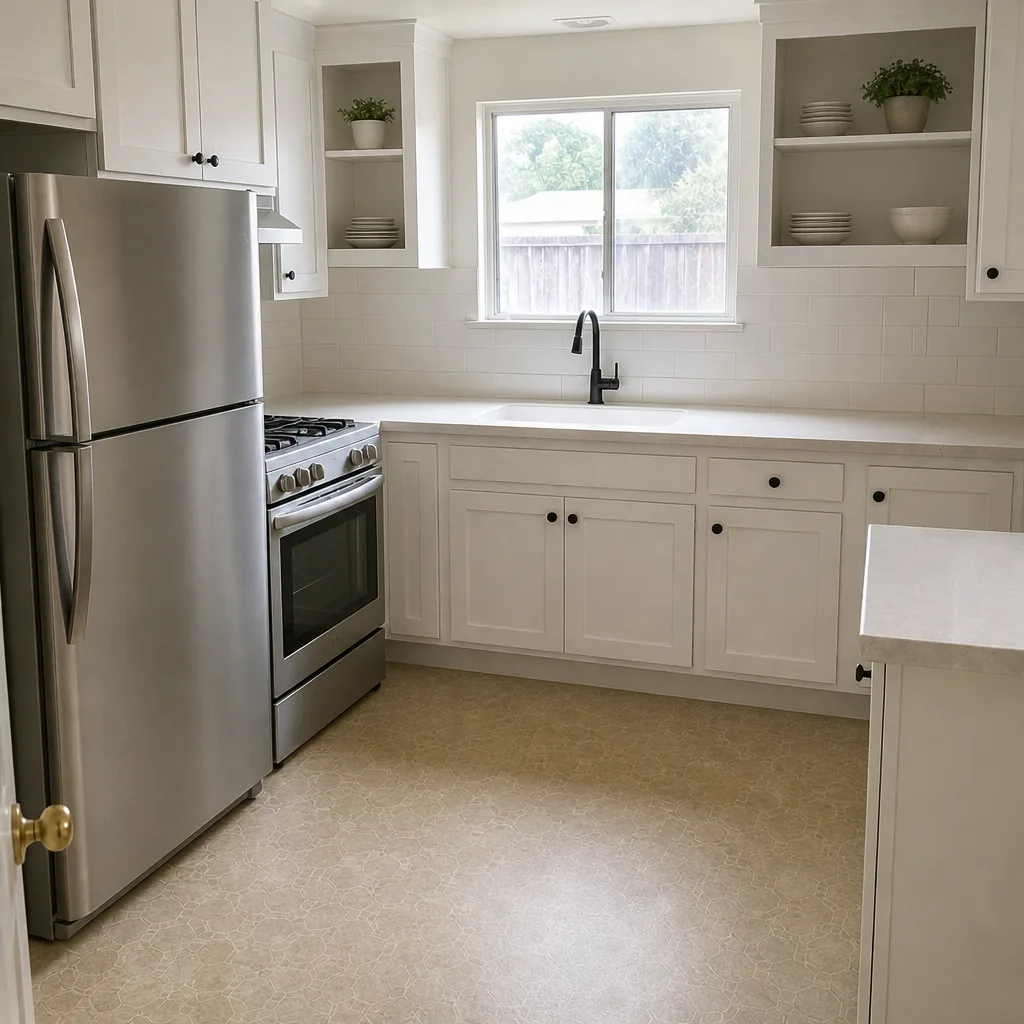
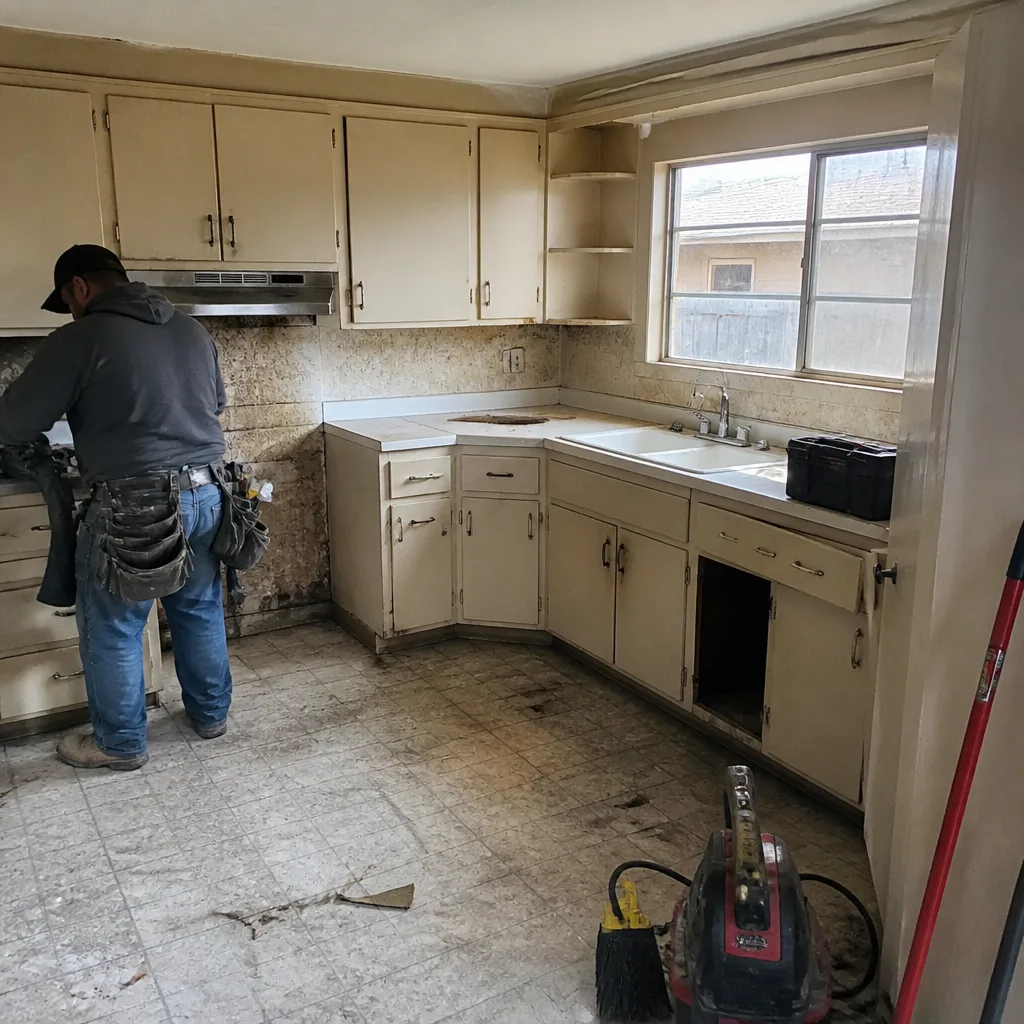
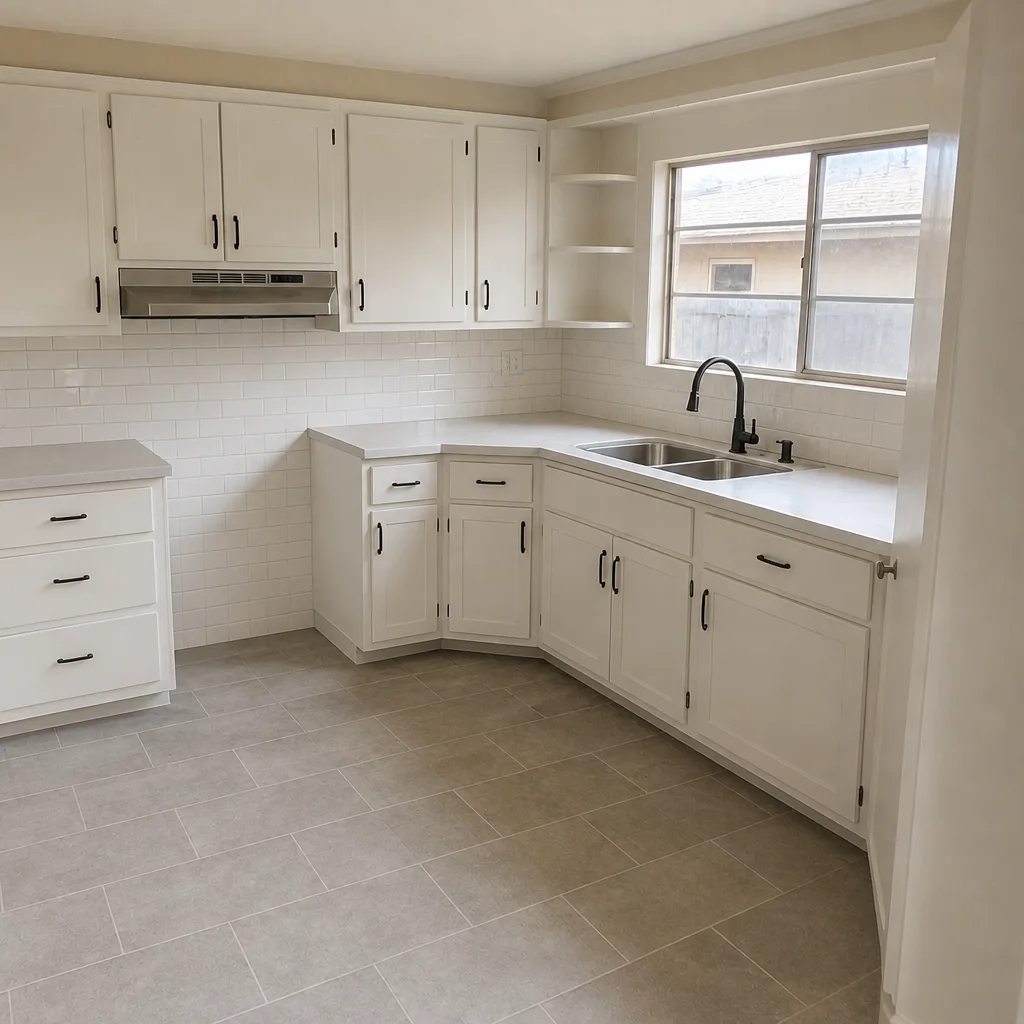
See the difference
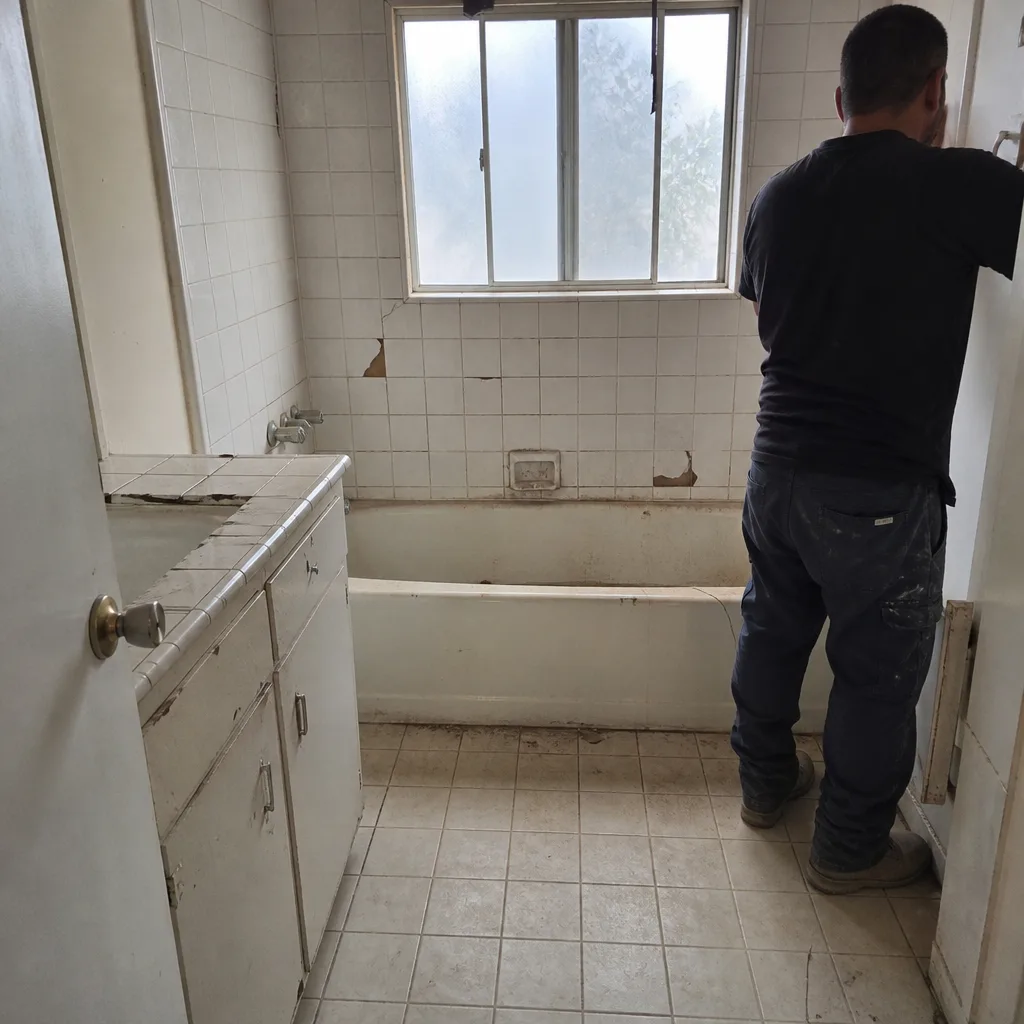 Before
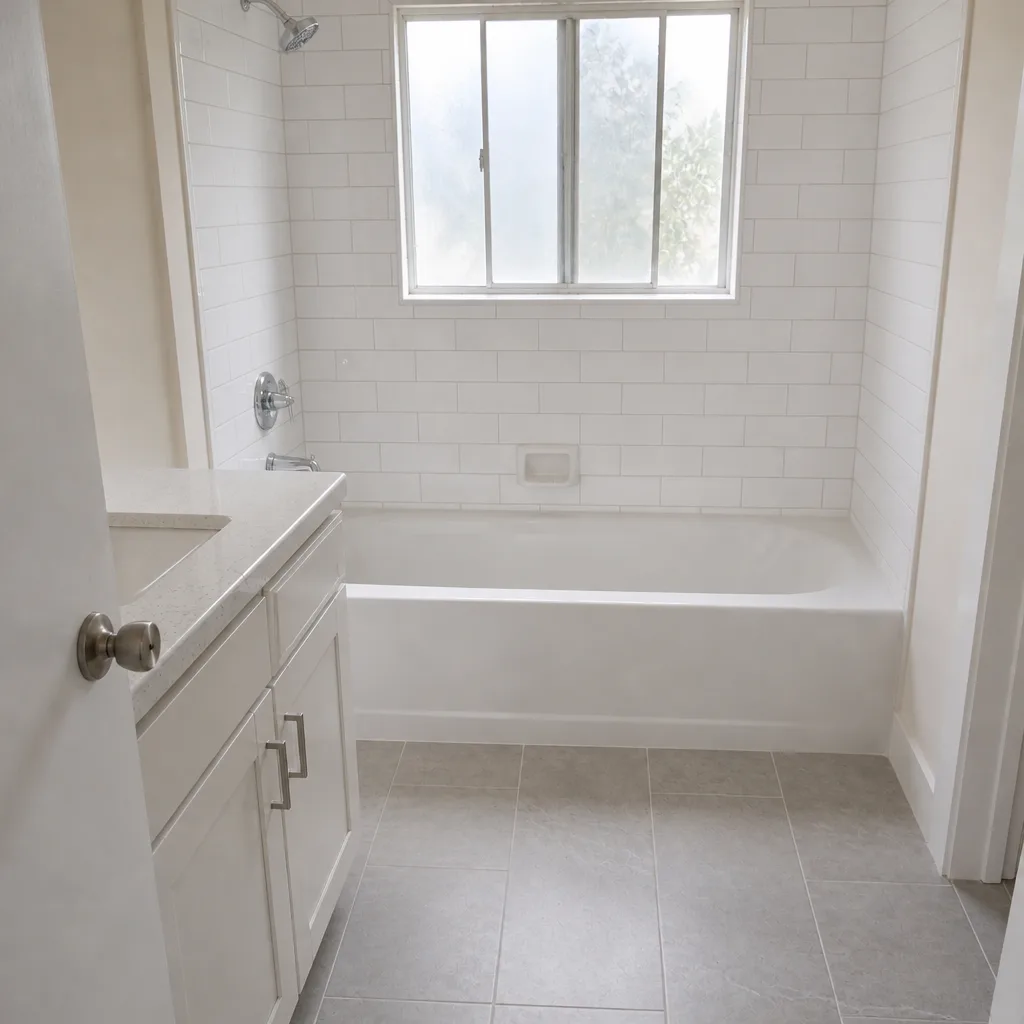 After
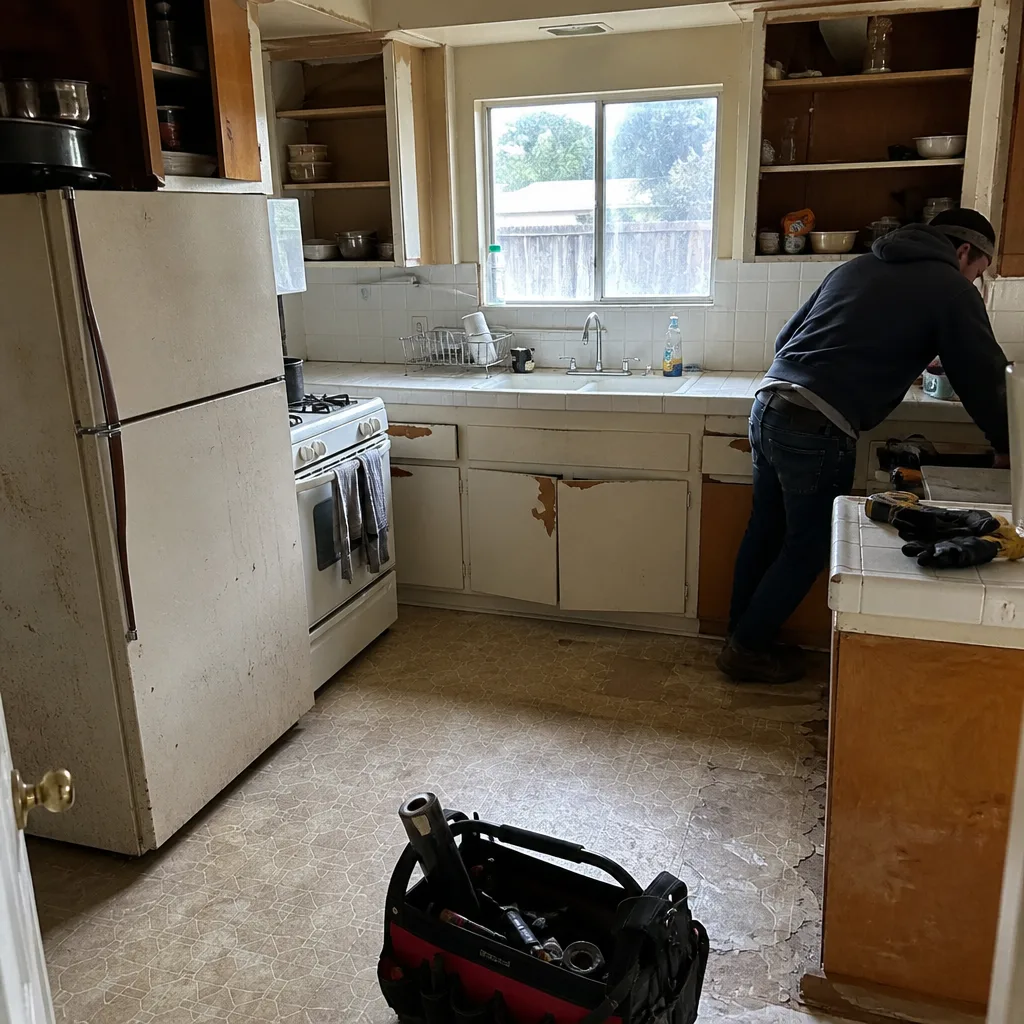 Before
 After
 Before
 After
Common Mistakes to Avoid
- Choosing on price alone. The lowest of three quotes is the one with the vaguest scope. Compare line by line, not bottom line.
- Not checking the CSLB record before signing. A lapsed license or bond is visible in 90 seconds and invisible on the business card.
- Accepting a certificate of insurance without reading the additional insured box. Certificate holder looks like coverage but only guarantees you’ll be notified if the policy cancels.
- Pulling your own permit. In Hayward, this shifts responsibility to you and can affect insurability and future sale. It’s a red flag about the contractor.
- Signing a scope that says “typical remodel.” Vague scope is where a fixed price stops being fixed. Every wall, fixture, finish, and material should be named.
- Not asking about allowances. A $1,500 tile allowance on a $30,000 bathroom becomes a $6,000 out-of-pocket surprise. Get the number in dollars.
- Skipping the reference permit check. Verifying a past Hayward permit number on the city portal takes two minutes and confirms the contractor’s history isn’t staged.
When to Call a Professional
Some jobs are never a homeowner project: structural work, electrical panel upgrades, gas line modifications, roofing at height, and anything requiring a permit. On a Hayward property, add seismic retrofitting, foundation work, and additions to the list – these involve engineering and inspection runs that unpermitted work can’t replicate. A window swap or a cosmetic repaint can be a weekend job; a bathroom gut, a roof, or a home addition is not. The moment a project involves opening a wall, moving a load-bearing member, or touching the electrical or plumbing system, that’s the moment to hire. Rowan Construction Group Hayward offers free estimates in Hayward – call (866) 863-1729 to schedule one.
Frequently Asked Questions
Go to the Contractors State License Board website, enter the license number or business name, and confirm the status shows Active, the classification matches the work, the bond is current at $25,000, and there’s no pattern of complaints. The whole check takes about 90 seconds. If anything is unclear, call the CSLB directly before you sign anything.
No. A licensed Hayward contractor pulls the permit in their own name and with their own license. If a contractor asks you to pull it as the homeowner, that’s a red flag and usually means they don’t want the job on their record or their license doesn’t cover the scope. Verify the permit exists on Hayward’s public portal before work starts – call (866) 863-1729 if you’d like our team to walk you through what a proper permit pull looks like.
Certificate holder means you’ll be notified if the policy cancels. Additional insured means the contractor’s liability policy covers you as a party. For any project where someone could be injured on your property, you want to be listed as additional insured on the general liability policy. Ask for it in writing before the crew arrives on site.
Mid-range kitchen remodels in Hayward typically run $42,000 to $85,000, depending on whether walls move and which cabinetry and countertop lines you choose. A written line-item quote should name the cabinet brand, the countertop material, the tile allowance, and the payment schedule. Call (866) 863-1729 for an exact quote based on your scope – estimates are free.
Not if the contract is written correctly. A flat written price with a defined scope, a signed change order rule, and named allowance amounts is a price that holds. Any change to the scope requires a signed change order before work proceeds. If the contractor’s language leaves the change process undefined, the price is a starting point, not a fixed number. Call (866) 863-1729 to schedule a free estimate with a written scope.
Fence permits depend on height and location, and driveway work generally requires a permit when the slope, drainage, or curb cut changes. Concrete replacement on an existing footprint sometimes doesn’t. Always verify with the City of Hayward building department before work starts, and ask the contractor to show you the permit if one is required. If they dismiss the question, that’s a red flag. Call (866) 863-1729 for a free estimate on either project.
The Bottom Line
Hiring a construction contractor in Hayward comes down to documents, not impressions. Verify the CSLB license – status, classification, bond, complaint history. Read the insurance certificate and confirm you’re listed as additional insured, not just certificate holder. Compare contracts on the three clauses that actually determine price: scope definition, change order thresholds, and allowance amounts. Watch who pulls the permit; the contractor’s name belongs on it, not yours. And use reference permit numbers to check a past job on Hayward’s public portal. Do those five things and the rest gets simpler: a written price, a written scope, a written warranty, and a signed change order before anything changes. That’s the whole checklist, and it’s the one that determines whether the project ends within a few percent of the number you agreed to – or ends up somewhere else entirely.
For a free second opinion on any written estimate you’ve received, or to schedule a flat-price quote on your next project, call (866) 863-1729. We’ll review a competitor’s quote line by line at no charge, or put your scope in writing with the price attached.
Written by the team at Rowan Construction Group Hayward.